
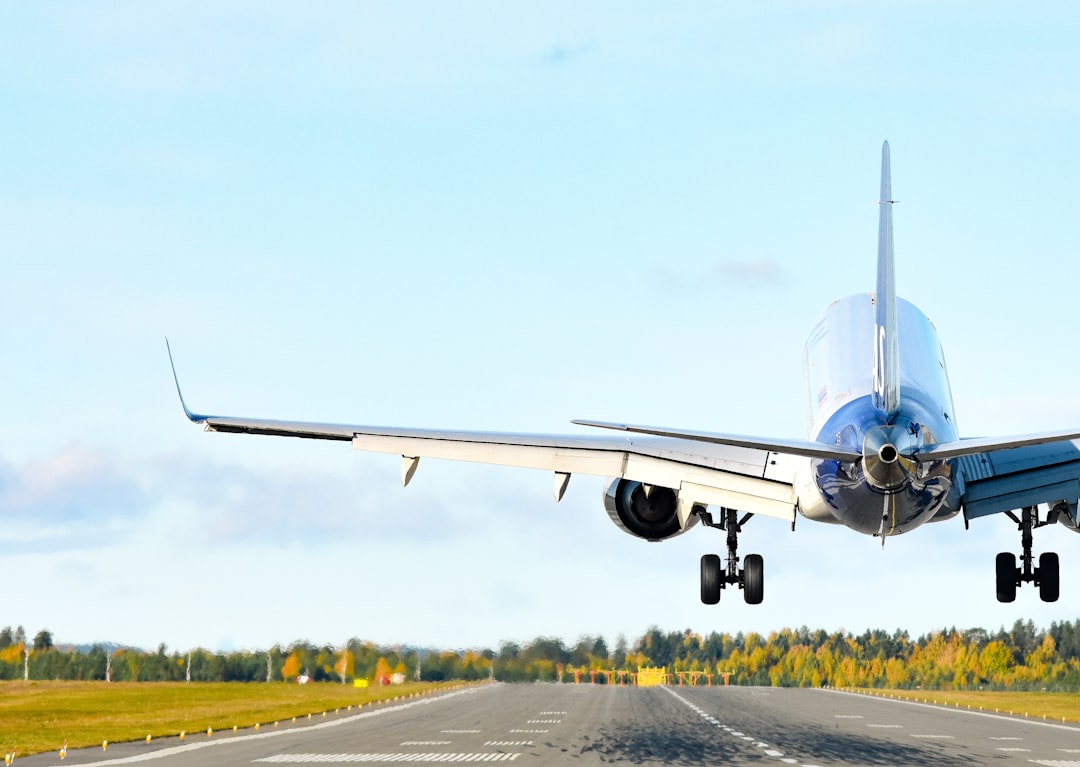
Delta's Stock Soars as Travel Demand Explodes: What It Means for Travelers
Introduction: The Travel Boom That's Changing Everything
Delta Air Lines just made history. The company reported record revenue. Their stock price jumped significantly. This happened because travel demand is accelerating faster than anyone predicted. People are flying again after the pandemic. They are visiting family. They are taking vacations. They are traveling for work.
This travel explosion is changing the airline industry. Delta's success shows a bigger trend. The entire travel sector is recovering strongly. Other airlines are seeing similar growth. Hotels and rental car companies are benefiting too. This is good news for the economy.
In this comprehensive guide, we will explore why Delta's stock is performing so well. We will examine the factors driving travel demand. We will look at what this means for you as a traveler. You will learn how to navigate this new travel landscape. We will provide practical tips for saving money. We will show you how to plan better trips.
The travel industry has transformed completely. Understanding these changes can help you travel smarter. You can avoid common mistakes. You can find better deals. You can have more enjoyable experiences. Let's dive into the details of this exciting travel revival.
Why Delta's Stock Is Breaking Records
Delta Air Lines recently announced amazing financial results. Their revenue reached $15.6 billion in the last quarter. This is their highest quarterly revenue ever. The company's stock price responded by jumping more than 5% in one day. This created billions of dollars in new value for shareholders.
The Financial Numbers Behind the Success
Several key factors drove Delta's record performance. First, passenger revenue increased by 34% compared to last year. Business travel is returning strongly. International travel is growing rapidly. Premium cabin sales are particularly strong. More people are willing to pay for better seats.
Delta's profit margin improved significantly. The airline earned $1.3 billion in profit last quarter. This is much higher than analysts expected. The company's operational performance also helped. Their on-time arrival rate was 78%. This is better than many competitors.
The airline's loyalty program is another success story. Delta SkyMiles members are spending more. Credit card partnerships are generating additional revenue. These programs have become important profit centers.
Comparing Delta to Other Airlines
Delta is not the only airline doing well. American Airlines and United Airlines also reported strong results. However, Delta is performing better in several areas. Their customer satisfaction scores are higher. Their operational reliability is better. Their premium product offerings are more successful.
According to MarketWatch, airline stocks across the board are rising. The entire sector is benefiting from increased travel. But Delta's strategic decisions are paying off particularly well. Their focus on premium travel is working. Their international expansion is successful.
The Travel Demand Explosion: What's Driving It
Travel demand is not just recovering. It is exceeding pre-pandemic levels in many markets. Several powerful factors are driving this explosion. Understanding these forces can help you plan your travels better.
Pent-Up Demand After Pandemic Restrictions
People have been waiting to travel for years. Pandemic restrictions limited movement. Now that most restrictions are gone, people are making up for lost time. Families are reuniting after long separations. Couples are taking postponed honeymoons. Business people are meeting clients in person again.
This pent-up demand is powerful. It is driving bookings across all travel categories. Leisure travel is particularly strong. People are taking longer trips. They are spending more money on experiences. This trend will likely continue for the next year.
Changing Work Patterns and Remote Work
The rise of remote work has changed travel patterns. Many people can now work from anywhere. This has created new travel opportunities. "Workations" are becoming popular. People are combining work and vacation. They are staying in destinations for weeks instead of days.
Business travel is also evolving. Companies are sending employees on different types of trips. Team-building retreats are more common. Industry conferences are well-attended. Client meetings are happening in person again. These changes are boosting airline revenues.
Strong Economic Factors
The economy is supporting travel demand. Employment levels are high. Wages are growing. Household savings remain substantial. People feel confident spending money on travel. They see it as a priority after years of limitations.
According to the U.S. Travel Association, travel spending is expected to grow 5.5% this year. International visitors are returning to the United States. This adds to domestic travel demand. The overall picture is very positive for the industry.
What This Means for Travelers Like You
The travel boom affects everyone who flies. Understanding these changes can help you have better experiences. You can avoid frustrations. You can find better deals. You can travel more comfortably.
Higher Prices and How to Beat Them
Airfare prices have increased significantly. Delta and other airlines are charging more. Demand is high and capacity is limited. This basic economics drives prices upward. But there are ways to find better deals.
- Book early: Prices tend to rise as travel dates approach
- Be flexible: Flying on Tuesday or Wednesday is often cheaper
- Use price alerts: Set up notifications for your routes
- Consider alternative airports: Sometimes nearby airports offer better prices
- Travel off-season: Avoid peak travel periods when possible
The U.S. Department of Transportation provides useful information about airfare trends. Checking their data can help you understand pricing patterns.
Crowded Airports and Longer Wait Times
Airports are busier than ever. Security lines are longer. Gates are more crowded. This can make travel stressful. But you can take steps to reduce hassles.
Arrive at the airport early. Allow extra time for everything. Use mobile boarding passes. Check baggage requirements carefully. Consider TSA PreCheck or Global Entry. These programs can save you time and stress.
Practical Tips for Navigating the New Travel Landscape
The travel world has changed. Old strategies might not work anymore. Here are practical tips for traveling in this new environment. These suggestions can save you money and reduce stress.
Booking Strategies That Save Money
Smart booking can make a big difference. Follow these steps to find better deals:
- Start searching 6-8 weeks before your trip
- Compare prices across different websites
- Consider bundle deals (flight + hotel)
- Be flexible with your dates if possible
- Check airline websites directly
- Look for error fares and special promotions
Websites like Google Flights make comparison shopping easy. They show prices across multiple airlines and dates. This helps you find the best options.
Packing Smart for Today's Travel
Packing has become more important. Lost luggage problems have increased. Airlines are handling more bags than ever. Smart packing can prevent problems.
- Carry on when possible: Avoid checking bags if you can
- Use packing cubes: They help organize and compress
- Pack essentials in carry-on: Medications, documents, one change of clothes
- Weigh your bags: Avoid overweight fees
- Know airline rules: Check baggage policies before packing
Managing Travel Documents and Requirements
Travel requirements have become more complex. Different countries have different rules. Airlines must verify documents before boarding. Being prepared saves time and stress.
Keep all documents organized. Use a travel document organizer. Have digital copies available. Check requirements well before your trip. Allow extra time for document verification at the airport.
Real Examples: How Travelers Are Adapting
Real people are finding creative ways to travel in this new environment. Their experiences can inspire your own travel plans. Here are some examples of successful strategies.
The Family That Saved $2,000 on Their Vacation
The Johnson family wanted to visit Hawaii. Prices were high during peak season. They used several strategies to save money. They booked six months in advance. They chose a less popular island. They traveled in shoulder season. These choices saved them $2,000.
They also used credit card points. They transferred points to Delta SkyMiles. This covered one ticket completely. Their experience shows that planning pays off.
The Business Traveler Who Maximizes Efficiency
Sarah is a consultant who travels weekly. She has developed systems to make travel smoother. She always checks in online 24 hours before flights. She uses airline lounges during layovers. She packs the same items every week. This reduces decision fatigue.
Sarah also leverages loyalty programs. She concentrates her travel on one airline alliance. This helps her earn status faster. Status brings benefits like upgrades and priority boarding.
Statistics That Show the Travel Boom
Numbers tell the story of the travel recovery. These statistics from reliable sources show the scale of the boom. They help explain why airlines like Delta are doing so well.
Air Travel Statistics
- U.S. airlines carried 76 million passengers in June 2024 (Bureau of Transportation Statistics)
- This represents 98% of pre-pandemic levels
- International travel to the U.S. grew 25% year-over-year
- Airfare prices increased 12% compared to last year
- Load factors (percentage of seats filled) reached 85%
Economic Impact Statistics
- Travel spending generated $100 billion in economic impact last quarter
- The industry added 150,000 new jobs
- Hotel occupancy rates reached 68% nationwide
- Rental car companies reported 90% utilization rates
- Airline profits exceeded $5 billion industry-wide
Step-by-Step Guide: Planning Your Next Trip in the Current Environment
Planning a trip requires new strategies. Follow this step-by-step guide for better results. This approach can help you save money and avoid problems.
Step 1: Set Your Budget and Priorities
Start by deciding how much you can spend. Be realistic about current prices. Prioritize what matters most to you. Is it the destination? The timing? The comfort level? Knowing your priorities helps make decisions easier.
Step 2: Research and Compare Options
Use multiple sources for research. Check airline websites. Look at online travel agencies. Read recent reviews. Compare prices for different dates. Be open to alternative airports or routes.
Step 3: Book Early but Know Cancellation Policies
Book flights 2-3 months in advance for best prices. Choose flexible cancellation options when available. Understand the difference between basic economy and regular economy. Pay attention to baggage fees and other charges.
Step 4: Prepare for Your Trip
Check travel requirements for your destination. Renew passports if needed. Get necessary vaccinations. Arrange for pet care or house sitting. Notify your credit card company about travel plans.
Step 5: Manage Your Travel Experience
Download airline apps before traveling. Check in online 24 hours before your flight. Arrive at the airport early. Have all documents ready. Stay informed about flight status changes.
Frequently Asked Questions (FAQ)
Why are airline stocks like Delta performing so well?
Airline stocks are rising because travel demand is very strong. People are flying more than expected. Airlines can charge higher prices. This increases their profits and stock prices.
Will airfare prices go down soon?
Prices may decrease slightly during off-peak seasons. However, strong demand suggests prices will remain elevated. Booking early and being flexible can help you find better deals.
Is now a good time to invest in airline stocks?
Investment decisions should be based on your financial goals. While airlines are performing well now, the industry can be volatile. Consult a financial advisor before making investment decisions.
How can I save money on Delta flights?
Book early, be flexible with dates, use credit card points, and consider connecting flights. Sign up for Delta's email alerts for special promotions.
What should I do if my flight is canceled?
Contact the airline immediately. Know your rights under DOT regulations. Have travel insurance if possible. Keep important phone numbers handy.
Is travel insurance worth it now?
Yes, travel insurance provides valuable protection. It can cover trip cancellations, medical emergencies, and lost luggage. Read policies carefully to understand coverage.
How early should I arrive at the airport?
For domestic flights: 2 hours early. For international flights: 3 hours early. During peak travel periods, add extra time. These guidelines help ensure you don't miss your flight.
Conclusion: The Future of Travel Looks Bright
Delta's record performance signals a strong travel recovery. The industry has overcome pandemic challenges. Travel demand is robust and growing. This creates opportunities for both businesses and travelers.
The travel landscape has changed permanently. Prices are higher. Airports are busier. Planning is more important. But travel remains incredibly valuable. It connects people. It creates memories. It broadens perspectives.
As a traveler, you can adapt successfully. Use the tips in this guide. Book strategically. Pack smartly. Manage documents carefully. These practices will serve you well in the new travel environment.
The success of Delta and other airlines shows people's strong desire to explore. This fundamental human impulse will continue driving the industry forward. The future of travel looks promising despite current challenges.
Start planning your next adventure today. Use what you've learned here to travel smarter. The world is waiting to be discovered. Safe travels and happy journeys ahead.