
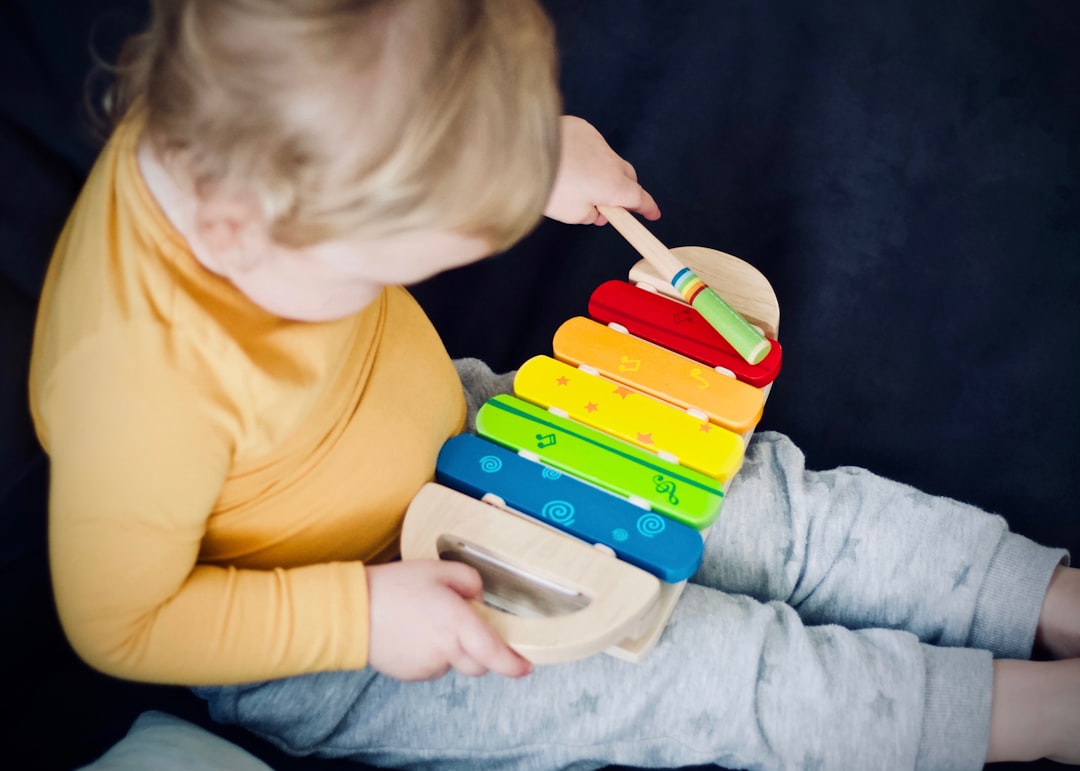
Breaking Barriers: Autism-Friendly Travel Revolution
Introduction: A New Era of Inclusive Travel
Imagine planning a family vacation. You feel excited. You also feel worried. For families with autistic children, travel can be stressful. Loud noises, crowded spaces, and changes in routine can be overwhelming. But now, a revolution is happening. Nonprofits are creating inclusive travel experiences. They are making the world more accessible for autistic children and their families.
According to the CDC, 1 in 36 children has autism spectrum disorder. That means millions of families face travel challenges. These organizations understand these challenges. They are building bridges to new experiences. They are creating safe spaces for play and exploration. This movement is changing lives one vacation at a time.
In this comprehensive guide, we will explore this amazing movement. We will show you how nonprofits are transforming travel. We will share practical tips for your family. We will highlight success stories that inspire hope. The world is opening up in beautiful new ways. Let's discover how together.
The Need for Autism-Friendly Travel
Travel should be joyful for everyone. But for autistic children, it can be frightening. Sudden changes can cause distress. Unfamiliar environments create anxiety. Many families simply stay home. They miss out on creating precious memories.
Understanding Sensory Challenges
Autistic children often experience sensory differences. Loud airports can feel painful. Bright lights might be overwhelming. Crowded tourist attractions can cause panic. These are real barriers that families face every day.
The Autism Speaks organization explains these challenges well. They note that sensory processing differences are common. This means ordinary travel situations become extraordinary challenges.
The Social Impact of Exclusion
When families cannot travel, they miss important connections. They miss visits with relatives. They miss educational opportunities. Most importantly, they miss the joy of shared adventures.
Research from the American Psychological Association shows that family vacations strengthen bonds. They create lasting memories. They reduce stress for everyone. But these benefits are often out of reach for autism families.
Leading Nonprofits Making a Difference
Several amazing organizations are leading this change. They work with businesses and communities. They create training programs and resources. Their work is transforming the travel industry.
Autism Double-Checked
This nonprofit certifies autism-friendly travel providers. They train hotel staff and tour operators. They help businesses understand autism needs. Their certification means families can travel with confidence.
Their program includes:
- Comprehensive staff training
- Sensory-friendly room options
- Quiet spaces and visual guides
- Emergency protocols for meltdowns
KultureCity
KultureCity works with venues worldwide. They create sensory inclusive spaces. They provide sensory bags and quiet rooms. Their work includes airports, museums, and sports stadiums.
According to their website, they have helped over 500 venues become sensory inclusive. This impacts millions of visitors each year.
The Friendship Circle
This organization focuses on community inclusion. They run special travel programs for autistic children. They provide trained companions and support staff. Their trips are carefully planned for success.
Their programs include:
- Weekend retreats
- Day trips to local attractions
- Summer travel camps
- Family vacation support
Practical Tips for Autism-Friendly Travel
Planning makes all the difference. Here are practical tips for your next trip. These strategies can reduce stress and increase enjoyment.
Before You Go
Preparation is key to successful travel. Start planning early. Involve your child in the process when possible.
- Create a visual schedule: Use pictures to show each step of the trip.
- Practice with small trips: Visit local places to build travel skills.
- Contact venues ahead: Ask about autism accommodations.
- Pack comfort items: Bring favorite toys and snacks.
- Prepare for emergencies: Have contact information ready.
During Your Trip
Stay flexible and patient. Remember that routines will be different.
- Take breaks often
- Use noise-canceling headphones
- Find quiet spaces when needed
- Maintain some familiar routines
- Celebrate small successes
Choosing Autism-Friendly Destinations
Some places are better prepared than others. Look for these features:
- Sensory-friendly hours
- Trained staff
- Quiet rooms available
- Visual guides and social stories
- Flexible ticket policies
Success Stories: Real Families, Real Joy
These programs are changing lives. Here are some inspiring examples.
The Martinez Family Beach Vacation
The Martinez family had not traveled in years. Their son Miguel has severe autism. Crowds and noise caused major meltdowns. Then they discovered an autism-certified resort.
The resort had special features:
- Quiet pool hours
- Sensory-friendly dining
- Trained lifeguards and staff
- Visual menus and schedules
"We saw Miguel smile more in one week than in the past year," said Mrs. Martinez. "He loved the beach. The staff understood his needs. We finally felt normal."
Airport Success with KultureCity
Many airports now have sensory rooms. These quiet spaces help children calm down before flights. The Johnson family used one recently.
"Our daughter Sarah used to panic at airports," said Mr. Johnson. "The sensory room changed everything. She played with calm toys. She wore noise-canceling headphones. She boarded the plane happy. It was miraculous."
Statistics: The Impact of Inclusive Travel
The numbers tell a powerful story. Inclusive travel benefits everyone.
- 87% of autism families would travel more if accommodations were available (Autism Research Institute)
- Certified autism centers see 45% more family bookings (IBCCES)
- 72% of families report reduced travel stress with proper supports (Autism Society)
- Sensory-friendly events attract 30% new visitors to venues (National Education Association)
How Businesses Can Get Involved
Any travel business can become more inclusive. It starts with understanding and training.
Simple Steps for Hotels
Hotels can make small changes that have big impacts.
- Offer sensory-friendly rooms with dimmer switches
- Train staff in autism awareness
- Create visual guides of hotel amenities
- Provide quiet dining options
- Have emergency protocols for meltdowns
Airline Improvements
Airlines are making great progress too.
- Pre-boarding for families
- Sensory-friendly entertainment
- Trained flight attendants
- Special meal options
- Quiet zone seating
Frequently Asked Questions
What makes a travel experience autism-friendly?
Autism-friendly travel considers sensory needs. It has trained staff. It offers quiet spaces. It provides visual supports. Most importantly, it shows understanding and patience.
How can I find certified autism travel providers?
Check websites of autism organizations. Look for IBCCES certification. Contact venues directly. Ask specific questions about accommodations.
Are there financial assistance programs for autism families?
Yes, several nonprofits offer travel grants. Some hotels provide discounts. Always ask about special rates for autism families.
What should I pack for an autistic child?
Pack comfort items, noise-canceling headphones, favorite snacks, visual schedules, and any necessary medications. Also bring familiar bedding if possible.
How do I prepare my autistic child for air travel?
Use social stories about airports. Watch videos of planes. Practice going through security at home. Visit the airport before your travel day.
What if my child has a meltdown during travel?
Stay calm. Move to a quiet space. Use calming strategies that work at home. Remember that most people understand. Don't worry about judgment from others.
Are cruises good for autistic children?
Many cruise lines now offer autism-friendly programs. They have sensory-friendly activities and trained staff. Research each cruise line's specific accommodations.
Step-by-Step Guide to Planning Your First Autism-Friendly Trip
Step 1: Choose the Right Destination
Start with autism-certified locations. Look for places with good reviews from other autism families. Consider distance and travel time.
Step 2: Contact Providers in Advance
Call hotels and attractions. Ask about autism accommodations. Request visual guides and social stories. Confirm staff training.
Step 3: Prepare Your Child
Use pictures and stories. Practice with short trips. Build excitement about the adventure. Create a countdown calendar.
Step 4: Pack Strategically
Bring comfort items. Pack extra supplies. Include medical information. Prepare for unexpected delays.
Step 5: Travel Day Strategies
Allow extra time. Take frequent breaks. Use visual schedules. Stay flexible with plans.
Step 6: During Your Stay
Maintain some routines. Watch for signs of overwhelm. Use available quiet spaces. Celebrate each success.
Step 7: After Your Trip
Share positive feedback with providers. Make notes for next time. Create a memory book with your child.
Conclusion: A World of Possibilities Awaits
The movement for inclusive travel is growing fast. More businesses are getting trained. More destinations are becoming accessible. Families who once stayed home are now exploring the world.
This change benefits everyone. It creates more understanding communities. It helps businesses reach new customers. Most importantly, it brings joy to families who deserve wonderful vacation memories.
If you have been hesitant to travel, take heart. Resources and support are available. Start with small trips. Build confidence gradually. The world is becoming more welcoming every day.
Remember that every family deserves adventures. Every child deserves to see new places. With proper planning and the right supports, travel can be joyful for autism families. The barriers are coming down. New horizons are opening up. Your family's next great adventure awaits.
Ready to start planning? Check out our autism travel resources page for more tips and certified providers. Happy travels!