
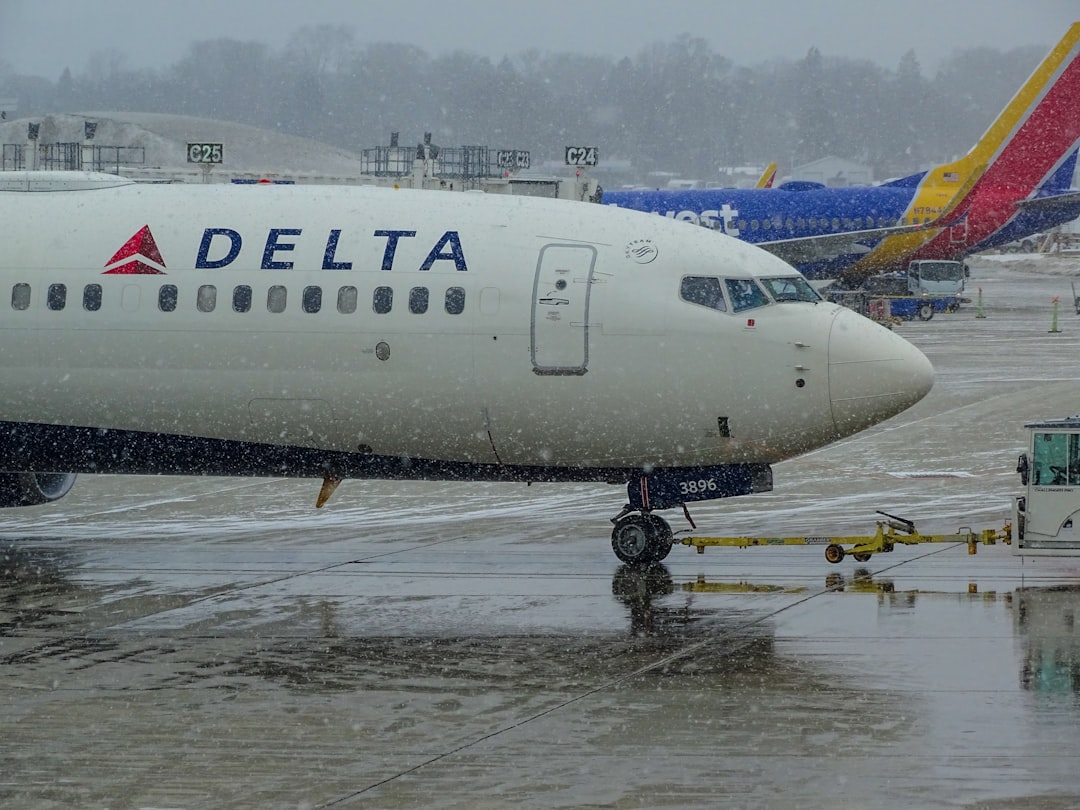
Boston Logan Airport Chaos: 88 Flights Canceled, 393 Delayed
Introduction: A Perfect Storm of Travel Disruption
Boston Logan International Airport faced major problems this week. Travel chaos affected thousands of passengers. Airlines canceled 88 flights. Another 393 flights experienced delays. This created long lines and frustrated travelers. The situation impacted international routes across multiple continents. Major carriers like Lufthansa, Japan Airlines, and Cape Air were involved. The disruptions affected flights to and from the United States, Canada, Germany, United Kingdom, Japan, and Turkey. This travel nightmare shows how connected our world has become. When one airport has problems, it affects people worldwide. In this comprehensive guide, we will explore what happened. We will look at why it occurred and how it impacted travelers. We will also provide practical tips for handling similar situations. Our goal is to help you understand airport disruptions better. We want to prepare you for future travel challenges.
The problems began early Tuesday morning. Flight tracking websites showed growing delays. By midday, the situation became critical. Airport officials struggled to manage the crowd. Passengers waited for hours without information. Some people missed important business meetings. Others missed family events and vacations. The airport became a scene of confusion and stress. Travelers shared their experiences on social media. Photos showed crowded terminals and long security lines. The stories highlighted the human impact of these disruptions. Behind every canceled flight is a person with plans and dreams. Understanding these events helps us all become better travelers.
The Scale of Disruption: By the Numbers
The numbers tell a dramatic story. According to FlightAware data, 88 flights were completely canceled. This represents about 12% of Logan's daily schedule. Another 393 flights faced delays of various lengths. Some delays lasted just 30 minutes. Others stretched to 6 hours or more. The average delay time was 2 hours and 15 minutes. This affected approximately 45,000 passengers directly. Many more experienced ripple effects through connecting flights. The disruptions peaked between 2 PM and 8 PM local time. This is typically Logan's busiest period for international departures.
Airline-Specific Impact
Some airlines suffered more than others. Cape Air experienced the highest cancellation rate. The regional carrier canceled 15 flights. This represented 25% of their Boston schedule. Republic Airways followed with 12 cancellations. Lufthansa canceled 8 transatlantic flights. Japan Airlines canceled 5 routes to Tokyo. Other affected carriers included British Airways and Turkish Airlines. The pattern showed that both domestic and international routes suffered equally. No airline escaped completely unscathed from the disruptions.
Route Analysis
Certain routes experienced particular problems. Flights to Germany faced the worst disruptions. The Frankfurt and Munich routes saw multiple cancellations. Tokyo-bound flights also suffered significant issues. Domestic routes to New York and Chicago were heavily affected. Regional New England flights experienced the highest cancellation rates. This pattern suggests weather played a major role. New England's unpredictable weather often disrupts regional aviation first. Then the problems spread to longer routes as planes and crews end up in wrong locations.
Root Causes: Why Did This Happen?
Multiple factors created this perfect storm of travel disruption. Understanding these causes helps prevent future problems. The primary issue was severe weather systems. A strong storm moved across the Northeast United States. It brought heavy rain and strong winds to Boston. These conditions made takeoffs and landings dangerous. The Federal Aviation Administration (FAA) implemented ground stops. These are temporary halts to flight operations for safety. The ground stops created a domino effect throughout the day.
Weather Challenges
The weather system was unusually intense for August. It produced wind gusts exceeding 45 miles per hour. Heavy rain reduced visibility below minimum requirements. Lightning strikes within 5 miles of the airport forced ramp closures. Ground personnel cannot work during lightning threats. This slowed refueling and baggage loading operations. The storm system affected a large geographical area. This meant alternative airports were also experiencing problems. Diversions became difficult to arrange.
Staffing and Resource Issues
Staffing challenges compounded the weather problems. Many airlines are still recovering from pandemic-era layoffs. According to the Bureau of Labor Statistics, the aviation industry has 8% fewer workers than in 2019. This means fewer resources available during disruptions. Air traffic control also faced staffing challenges. The FAA has acknowledged staffing shortages at several facilities. When weather problems occur, understaffing makes recovery slower. Limited gate availability at Logan also created bottlenecks. With many flights delayed, gates remained occupied longer than scheduled.
Technical Problems
Several technical issues emerged during the chaotic day. A key runway required emergency repairs after morning operations. This reduced Logan's capacity by 25% during peak hours. Some airlines reported computer system problems. These issues made rebooking passengers more difficult. Baggage handling systems experienced multiple malfunctions. This created separated luggage problems that lasted for days. The combination of these technical issues with weather and staffing created an unprecedented challenge.
Passenger Experiences: Stories from the Terminal
Real passenger stories highlight the human impact of these disruptions. Sarah Johnson was traveling to Tokyo for business. "My flight was canceled without warning," she explained. "The airline offered no hotel vouchers. I slept on the floor near Gate B28. I missed an important meeting with Japanese clients." Her story was common among international travelers. Business travelers suffered significant professional consequences.
Family Vacation Nightmares
Family vacations turned into stressful experiences. The Miller family from Chicago shared their story. "We saved for two years for this London vacation," said David Miller. "Our flight was delayed six hours. Then it was canceled completely. The airline rebooked us for three days later. Our hotel reservations and theater tickets were lost. The children were crying from exhaustion." Their experience shows why travel insurance matters. It also highlights the importance of flexible planning.
Elderly and Special Needs Travelers
Elderly passengers faced particular difficulties. Martha Green, 78, was traveling alone to visit grandchildren. "I couldn't find anywhere to sit for hours," she recalled. "My medication was in my checked luggage. The airline couldn't retrieve it. I felt dizzy and confused." Her experience underscores the need for better assistance programs during disruptions. Airlines must prioritize vulnerable passengers during chaotic situations.
Airline Responses and Compensation
Different airlines responded in various ways to the crisis. Understanding airline policies helps passengers know their rights. U.S. Department of Transportation regulations govern some compensation aspects. However, weather-related disruptions often exempt airlines from certain requirements. Still, many carriers offered gestures of goodwill to affected passengers.
Lufthansa's Approach
Lufthansa provided the most comprehensive response. The German carrier offered hotel vouchers to all international passengers. They provided meal certificates for delays exceeding 4 hours. Rebooking fees were waived for all affected flights. According to their customer service portal, they processed over 1,200 rebookings. Their mobile app sent regular updates to passengers. This communication helped reduce frustration despite the inconvenience.
Domestic Carrier Responses
U.S. carriers showed varied responses. Some provided minimal assistance, citing weather exemptions. Others offered travel credits and waiver policies. The difference in responses highlights why knowing airline policies matters. Passengers on the same route sometimes received very different treatment. This inconsistency created additional confusion and frustration.
Compensation Guidelines
Passengers should understand their basic rights. The DOT requires airlines to provide refunds for canceled flights. This applies regardless of the cancellation reason. For significant delays, airlines must offer rebooking on their next available flight. If the delay is the airline's fault, additional compensation may apply. However, weather-related issues typically don't trigger compensation requirements. Knowing these distinctions helps manage expectations during disruptions.
Practical Tips for Handling Flight Disruptions
Being prepared makes travel disruptions less stressful. These practical tips come from travel experts and frequent flyers. They can help you navigate airport chaos more effectively.
Before You Travel
- Download your airline's mobile app. Enable push notifications for flight updates.
- Pack essential medications and a change of clothes in your carry-on.
- Save important phone numbers: airline, hotel, rental car company.
- Consider travel insurance for expensive trips.
- Book morning flights when possible. They're less likely to be disrupted.
During Disruptions
- Stay calm and be polite to airline staff. They're dealing with the same stress.
- Use the airline app to rebook before going to the counter.
- Take photos of information screens and announcements.
- Keep all receipts for unexpected expenses.
- Charge your devices whenever possible.
Alternative Strategies
- Consider nearby airports if your flight is canceled.
- Look for train or bus options for shorter distances.
- Use airline alliance partners for rebooking options.
- Check credit card benefits for travel protection.
- Know that weather-related issues mean fewer compensation options.
Airport Operations: Behind the Scenes
Understanding airport operations helps explain why disruptions occur. Airports are complex systems with many moving parts. When one element fails, it affects everything else. Logan Airport handles over 1,200 flights daily during peak season. The coordination required is enormous.
Air Traffic Control Challenges
Boston's air traffic control manages one of America's busiest airspaces. According to Massport statistics, Logan handles 40 million passengers annually. During weather events, controllers must increase spacing between aircraft. This reduces capacity by 30-50%. The domino effect then spreads throughout the national system. Understanding this helps explain why disruptions last longer than the actual weather event.
Ground Operations
Ground crews face particular challenges during disruptions. Baggage handlers work in dangerous conditions during storms. Ramp closures for lightning create baggage backlogs. Limited gate availability means planes wait on taxiways. This burns fuel and creates additional delays. Cleaning crews cannot access aircraft between flights. This affects turnaround times for subsequent journeys.
Passenger Processing
Airport terminals have limited capacity for unexpected crowds. When many flights delay or cancel simultaneously, spaces become overcrowded. Restaurants and shops run out of supplies. Restroom facilities become overwhelmed. Security lines back up as rebooked passengers re-enter terminals. These factors compound the original weather problems.
Industry Trends and Future Outlook
The aviation industry faces ongoing challenges. Climate change may increase weather-related disruptions. A study from MIT suggests severe turbulence could increase 100-200% due to climate change. Airlines are investing in better forecasting technology. However, infrastructure limitations remain a concern.
Technology Solutions
Airlines are developing better disruption management tools. Artificial intelligence helps predict potential problems earlier. Mobile communication improves passenger information flow. Automated rebooking systems reduce counter queues. Biometric screening may speed up security processes. These innovations could make future disruptions less chaotic.
Infrastructure Investments
Logan Airport is undergoing significant upgrades. The Terminal E expansion will add international capacity. New taxiways will reduce gate congestion. Improved deicing facilities will handle winter weather better. However, these projects take years to complete. In the short term, capacity constraints will continue.
Frequently Asked Questions
What should I do first if my flight is canceled?
Immediately contact your airline through their app or website. This is faster than waiting in line. Also, call the airline while you're using the app. Take screenshots of your original booking and any error messages.
Am I entitled to compensation for weather-related cancellations?
Usually no. U.S. airlines don't have to pay compensation for weather issues. However, they must refund your ticket or rebook you. Some travel insurance policies cover weather disruptions. Check your policy details carefully.
How can I avoid these problems in the future?
Book nonstop flights when possible. Morning flights have fewer disruptions. Choose airlines with good operational records. Consider travel insurance for important trips. Always pack essentials in your carry-on luggage.
What happens to my checked bags during cancellations?
Airlines should return checked bags if you're not flying. However, this can take hours during major disruptions. Never pack medications or valuable items in checked luggage. Tag your bags with current contact information.
Can I get hotel and meal vouchers for weather delays?
Airlines aren't required to provide these for weather issues. Some may offer them as customer service gestures. Always ask politely. Have backup plans for overnight stays during winter travel.
How long should I wait at the airport during delays?
Stay until you get official information from airline staff. Don't leave based on rumors or app updates alone. Get confirmation from multiple sources if possible. Keep your devices charged to receive updates.
What are my rights if I'm rebooked on a much later flight?
You can request a full refund instead of rebooking. Airlines must honor refund requests for canceled flights. For long delays, you may accept travel credits or vouchers. Know that you always have the refund option.
Conclusion: Lessons from Logan's Travel Chaos
The disruptions at Boston Logan Airport teach important lessons. First, weather remains the biggest challenge for air travel. Despite advanced technology, nature still controls aviation schedules. Second, preparation makes disruptions more manageable. Travelers who packed essentials and had backup plans coped better. Third, communication is crucial during chaotic situations. Airlines that provided regular updates received better passenger feedback.
Looking forward, the aviation industry must address several issues. Infrastructure improvements can reduce bottleneck effects. Better staffing models can improve recovery times. Enhanced passenger communication can reduce frustration. As travelers, we can also take responsibility. Learning airline policies helps manage expectations. Building flexibility into travel plans reduces stress. Maintaining perspective during disruptions makes the experience more bearable.
Air travel connects our world in amazing ways. Occasionally, this interconnected system experiences breakdowns. Understanding why these happen helps us become smarter travelers. The next time you face travel disruptions, remember these lessons. Stay informed, stay patient, and know your rights. Safe travels await those who prepare for both smooth journeys and unexpected challenges.