
Belgium Strike Chaos: Travel Nightmare Unfolds
Introduction: A Nation at a Standstill
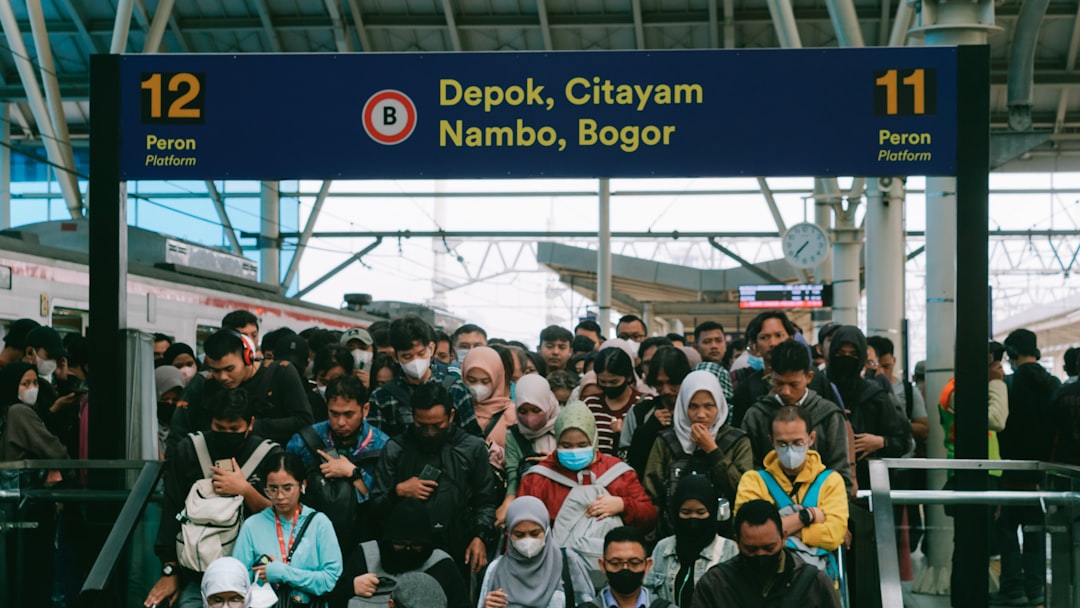
Belgium faces major travel disruption today. A national general strike has brought the country to a halt. Public transport services are severely affected. Airports, trains, and buses are experiencing widespread cancellations. Thousands of travelers find themselves stranded. The strike impacts both domestic and international journeys. Many people cannot reach their workplaces. Tourists face unexpected challenges. The situation continues to evolve throughout the day.
The strike began early this morning. Union workers across multiple sectors joined the action. They are protesting against government policies. The main issues involve working conditions and wages. The strike follows failed negotiations between unions and employers. This is not the first such action in Belgium. However, its scale is particularly significant. The impact on transportation is massive. Authorities advise against non-essential travel.
Major cities like Brussels, Antwerp, and Ghent feel the effects most. International rail connections to neighboring countries are disrupted. Flights at Brussels Airport face delays and cancellations. Local public transport operates at minimal capacity. Many roads experience unusual traffic congestion. The strike demonstrates the power of collective action. It also shows how dependent modern society is on transportation networks.
What Sparked the National Strike?
The Root Causes
Several factors led to today's general strike. Workers demand better pay conditions. They also seek improved working hours. The rising cost of living is another concern. Union leaders argue that wages have not kept pace with inflation. They point to increasing energy and food prices. Many workers struggle to make ends meet. The government's economic policies face criticism. Previous negotiations failed to reach agreement.
According to Euronews, the strike involves multiple sectors. Transport workers joined the action early. Then other industries followed suit. This created a domino effect across the country. The coordination between different unions is notable. It shows unity among various worker groups.
Historical Context
Belgium has a history of labor strikes. The country experienced similar actions in recent years. For example, a major strike occurred in 2014. Another significant action took place in 2019. Each strike had different causes and outcomes. The current situation reflects ongoing tensions. It highlights persistent issues in Belgian labor relations.
The International Labour Organization tracks such events globally. Their data shows strike frequency in different countries. Belgium appears more frequently than some neighbors. This suggests structural issues in its labor market.
Transportation Impact: Complete Breakdown
Rail Services Paralyzed
Belgian rail company SNCB reports major disruptions. Only about 10% of trains are running. International services to France, Netherlands, and Germany are affected. High-speed trains like Thalys and Eurostar face cancellations. Many passengers found themselves stranded at stations. Some had to find alternative transportation. Others simply returned home.
The SNCB website provides real-time updates. They advise passengers to check before traveling. Refund procedures are available for canceled journeys. However, the process may take several days.
Air Travel Chaos
Brussels Airport operations are severely limited. About 60% of flights are canceled. Airlines like Brussels Airlines adjusted their schedules. Passengers experience long delays at security checks. Some flights depart hours behind schedule. Others are canceled entirely.
The airport authority issued travel advice. They recommend contacting airlines directly. Passengers should allow extra time for journeys. They should also prepare for possible overnight stays. The airport website provides current status updates.
Urban Transport Disruption
Local public transport faces similar challenges. Brussels public transport company STIB runs limited services. Only about 30% of metros and trams operate. Bus services are even more affected. Similar situations occur in other cities. Antwerp, Ghent, and Liège report major disruptions.
Many commuters turned to private cars. This caused unusual traffic congestion. Some major highways experienced gridlock. Parking spaces in city centers filled quickly. The situation created a domino effect on road networks.
Economic Consequences: Counting the Costs
Immediate Business Impact
The strike has significant economic consequences. Many businesses cannot operate normally. Employees cannot reach their workplaces. Deliveries face delays and cancellations. Retail stores report lower customer numbers. Restaurants and cafes see reduced patronage. The tourism sector suffers particularly badly.
According to The Economist, previous strikes cost millions daily. The current action likely has similar impacts. Lost productivity affects national output. Supply chain disruptions create additional costs.
Long-term Implications
Repeated strikes can damage Belgium's reputation. International investors may become cautious. Tourism numbers could decline in future. Business confidence might suffer. The country's image as a reliable partner could weaken.
The OECD studies such economic impacts. Their research shows that labor disputes affect growth. They also influence foreign direct investment decisions.
Real Stories from Affected Travelers
Stranded Tourists
Many tourists face unexpected challenges. Sarah from Canada shared her experience. "We planned to visit Bruges today," she said. "Now we're stuck in Brussels. Our train was canceled. We don't know when we can leave."
Similar stories come from across the country. Hotels report increased last-minute bookings. Some travelers extend their stays unexpectedly. Others cut their trips short.
Commuters' Struggles
Local workers also face difficulties. Mark, an office worker from Antwerp, described his morning. "I left home at 6 AM," he explained. "Normally I reach work by 7:30. Today I arrived at 10:15. The traffic was unbelievable."
Many companies implemented remote working policies. However, not all jobs can be done from home. Healthcare workers, factory employees, and service staff face particular challenges.
Practical Survival Guide During the Strike
Essential Preparation Steps
- Check transport status before traveling
- Have backup plans for important journeys
- Keep essential medications with you
- Carry water and snacks
- Ensure phone batteries are fully charged
- Have local emergency numbers saved
- Keep some cash available
- Download offline maps
Alternative Transport Options
- Consider bicycle sharing services
- Look into carpooling opportunities
- Check taxi and ride-sharing availability
- Explore walking routes for shorter distances
- Investigate water transport where available
Communication Strategies
Stay informed through official channels. Follow transport companies on social media. Download their mobile applications. Set up notification alerts. Share information with fellow travelers. Help others when possible.
Government and Union Responses
Official Statements
The Belgian government acknowledges the disruption. Officials urge patience and understanding. They emphasize the right to strike. However, they also recognize the impacts on citizens. Dialogue continues between different parties.
The official government portal provides updates. They share information about public services. They also outline contingency plans.
Union Perspectives
Union leaders defend the strike action. They argue it is necessary for workers' rights. They highlight the importance of collective bargaining. They express hope for constructive negotiations. Some indicate willingness to continue actions if needed.
The European Trade Union Confederation supports the action. They see it as part of broader European labor movements.
Frequently Asked Questions
How long will the strike last?
The strike is scheduled for 24 hours. However, some effects may continue afterward. Transport services need time to return to normal. Check official sources for the latest information.
Can I get a refund for canceled travel?
Yes, most transport companies offer refunds. Contact your service provider directly. Keep all tickets and booking references. The process may take several days.
Are emergency services affected?
Essential services continue operating. Hospitals, police, and fire services maintain normal operations. However, some non-urgent appointments might be rescheduled.
What about international travel?
International connections face significant disruption. Check with your airline or rail operator. Allow extra time for airport journeys. Consider alternative routes if possible.
Can I claim compensation from my travel insurance?
It depends on your policy terms. Some insurance covers strike-related disruptions. Contact your insurance provider for specific advice. Keep all documentation of delays and cancellations.
How can I help affected travelers?
Offer information if you have it. Share updates on social media. Consider carpooling with colleagues. Be patient with service staff. Understand that everyone faces challenges.
Will there be more strikes?
This depends on negotiation outcomes. Unions may plan further actions if demands aren't met. Follow news sources for developments. Prepare for possible future disruptions.
Statistical Overview: By the Numbers
Transport Impact Data
- 90% of trains canceled according to SNCB
- 60% of flights affected at Brussels Airport
- 70% reduction in local bus services
- 50% increase in road traffic in some areas
- 25% more bicycle sharing usage recorded
Economic Impact Estimates
- Estimated daily economic loss: €50-100 million
- Tourism sector revenue drop: 40-60%
- Productivity decrease: 15-25% across affected sectors
- Additional fuel consumption: 20% increase
- Retail sales reduction: 30-40% in city centers
These figures come from Statbel, Belgium's statistical office. They reflect initial estimates. Final numbers may vary.
Comparative Analysis: Strikes in Europe
Similar Events in Neighboring Countries
Other European nations experience labor strikes. France has frequent transport strikes. Germany sees industrial actions periodically. The Netherlands generally has fewer strikes. Each country has different labor relations systems.
The European Commission monitors such events. They promote social dialogue between employers and workers. They also support fair working conditions across member states.
Lessons from Previous Strikes
Historical strikes provide valuable insights. They show patterns in resolution processes. They highlight effective negotiation strategies. They also demonstrate public response variations. Learning from past events can improve future outcomes.
Conclusion: Looking Forward
The Belgium general strike shows worker power. It also reveals transportation system vulnerabilities. Thousands of people experience disruption today. The economic costs are significant. However, the action highlights important social issues.
The situation will likely improve gradually. Transport services should return to normal. Negotiations between parties may resume. Compromise solutions might emerge. The public hopes for peaceful resolution.
Travelers learn valuable lessons about preparation. They understand the importance of flexibility. They appreciate normal transportation services more. The experience, while difficult, provides perspective.
Belgium faces challenges balancing different interests. Workers seek fair conditions. Businesses need stability. The public desires reliable services. Finding middle ground requires cooperation and understanding.
For now, patience and resilience are essential. The country will overcome this challenge. Normal life will resume. But the conversations started today will continue. They shape Belgium's future social and economic landscape.