
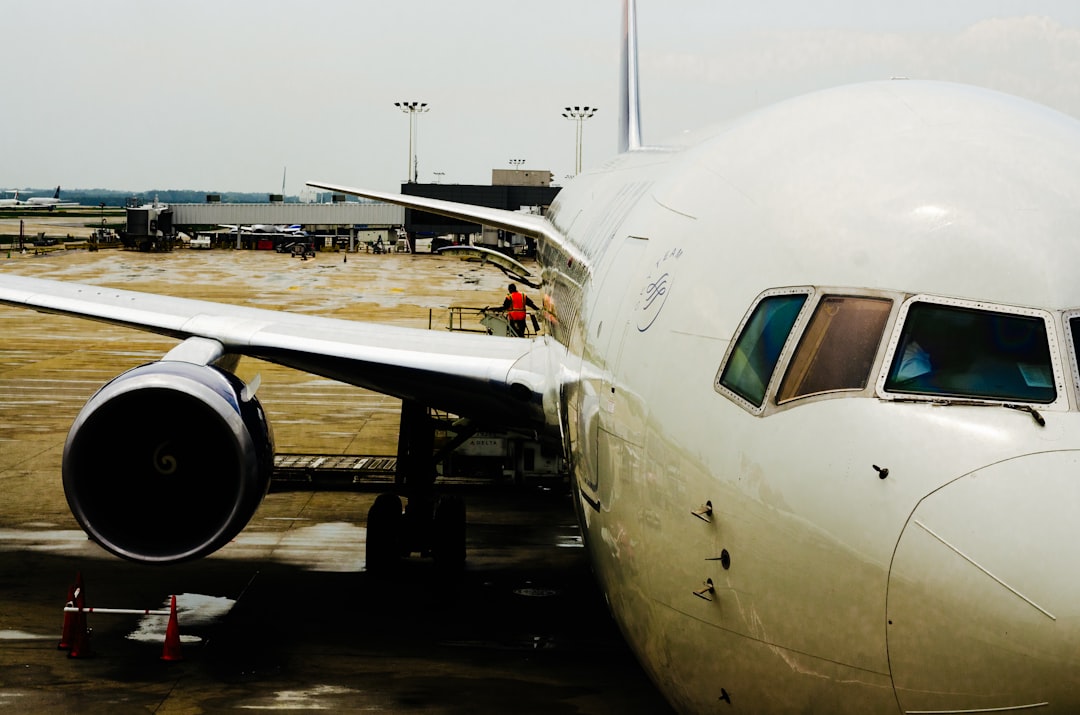
Airport Chaos: Why Flights Stopped for Hours
Introduction: The Day Travel Stood Still
Imagine waiting at an airport. Your flight is on time. Then suddenly, everything stops. This happened at major US airports. Flights were grounded for hours. Thousands of people were stuck. They could not leave. They could not arrive. This created massive chaos.
The problems started early in the day. First, one airport had issues. Then another. Soon, many major airports had problems. This included Atlanta, Chicago, and Dallas. These are some of the busiest airports in the world. When they stop working, travel across the country stops too.
Travelers shared stories online. They showed pictures of long lines. They talked about sleeping on floors. Many missed important events. Some missed weddings. Others missed business meetings. Families were separated. The chaos affected everyone.
In this article, we will explore what happened. We will look at why flights stopped. We will discuss how it affected people. We will also give you tips. These tips will help you if this happens to you. Let's begin our journey into this travel chaos.
What Exactly Happened That Day?
The trouble began around 8 AM Eastern Time. The Federal Aviation Administration (FAA) noticed a problem. Their system for sending safety alerts to pilots had issues. This system is called NOTAM. It means Notice to Air Missions.
NOTAM tells pilots about important information. This includes closed runways. It includes equipment problems. It includes weather dangers. Without NOTAM, flying is not safe. Pilots must have this information before they fly.
The System Failure
The NOTAM system completely stopped working. The FAA tried to fix it quickly. But the problem was serious. They had to stop all flights across the country. This had not happened since September 11, 2001.
At first, the FAA paused all departures. Then they stopped all flights. No planes could take off. No planes could land. This lasted for about two hours. But the effects lasted much longer.
The Ripple Effect
When flights stop, problems grow quickly. Planes were in wrong places. Crews were in wrong cities. Passengers missed connections. The system needed days to recover fully.
By the end of the day, over 10,000 flights were delayed. More than 1,300 flights were cancelled. The problems continued for two more days. Travel plans for millions of people were affected.
Why Did the System Fail?
Many people asked why the system failed. The NOTAM system is very important. Why did it stop working? The answer involves several factors.
Technical Problems
The NOTAM system is old. Some parts were created in the 1990s. Old systems can have problems. They can break more easily. The FAA knew this. They were working on a new system. But the new system was not ready yet.
There was also a database error. This means the system's information got corrupted. It is like when your computer has a bad file. The whole system stops working properly.
Human Error
Some reports suggested human error. A worker may have made a mistake. They might have deleted important files. Or they might have installed updates incorrectly. The FAA is still investigating what happened.
Weather Factors
The weather that day was bad in many places. There were winter storms. There was heavy rain. This meant more NOTAMs than usual. The system had to handle more work. This might have caused the failure.
Major Airports Affected by the Ground Stop
All US airports were affected. But some had bigger problems than others. Here are the airports that suffered most.
Hartsfield-Jackson Atlanta International Airport
This is the busiest airport in the world. It handles over 100 million passengers yearly. On the day of the ground stop, 1,200 flights were cancelled. Thousands of people slept at the airport. The food courts ran out of food. Restrooms became very dirty.
Chicago O'Hare International Airport
Chicago is a major hub for connecting flights. When flights stopped here, it affected travel across the country. About 900 flights were cancelled. Many international travelers were stuck. They could not speak English well. This made things more difficult.
Dallas/Fort Worth International Airport
This airport is American Airlines' main hub. American Airlines cancelled over 400 flights. People waited in lines for six hours. Some families with young children had no place to sleep.
Other Major Airports
- Denver International Airport: 300+ cancellations
- Los Angeles International Airport: 250+ cancellations
- John F. Kennedy International Airport: 200+ cancellations
- Miami International Airport: 180+ cancellations
Real Stories from Travelers
The numbers tell one story. But real people experienced this chaos. Here are some of their stories.
Sarah's Wedding Disaster
Sarah was flying to her sister's wedding. She lived in New York. The wedding was in California. Her flight was cancelled. She tried to find another flight. But all flights were full for two days. She missed the wedding. She watched it on video call from an airport hotel.
Mark's Business Trouble
Mark is a sales manager. He had a big meeting in Chicago. The meeting was worth $2 million for his company. His flight was cancelled. He could not get there in time. His company lost the contract. He might lose his job because of this.
The Johnson Family Vacation
The Johnson family saved for two years for their Disney World vacation. They had five-day tickets. Their flight was delayed by 18 hours. They lost two days of their vacation. Disney would not extend their tickets. The children were very disappointed.
How Airlines Responded to the Crisis
Airlines had to act quickly. They faced angry customers. They had to follow FAA rules. Here is how they handled the situation.
Delta Air Lines
Delta cancelled over 500 flights. They set up help desks in airports. They gave food vouchers to stranded passengers. They offered hotel rooms to some customers. But there were not enough hotels for everyone.
American Airlines
American Airlines had the most cancellations. They used their app to notify customers. They offered free rebooking. They waived change fees for affected flights. But their phone lines were busy for hours.
United Airlines
United set up temporary sleeping areas. They brought in cots and blankets. They provided charging stations for phones. Their staff worked extra hours to help customers.
Southwest Airlines
Southwest had major problems during Christmas 2022. They learned from that experience. This time, they were better prepared. They had more staff available. They communicated better with customers.
Practical Tips for Future Flight Disruptions
Flight problems can happen anytime. Here is how to be ready. These tips can save you time and stress.
Before You Travel
- Download your airline's app. It gives the latest updates.
- Pack essential items in your carry-on. Include medicines and a change of clothes.
- Bring snacks and water. Airport shops may close.
- Have important phone numbers written down. Your phone battery might die.
- Travel insurance is worth it. It can cover hotel costs during delays.
During a Delay or Cancellation
- Stay calm. Being angry will not help.
- Go to the airline desk immediately. Lines get long fast.
- Use the airline app to rebook. It is faster than waiting in line.
- Call the airline while waiting in line. You might get through faster.
- Ask about hotel vouchers and meal credits. Airlines must provide these sometimes.
- Take pictures of everything. This includes announcements and your boarding pass.
Know Your Rights
The US Department of Transportation has rules for airlines. These are called passenger rights. You should know them.
- Airlines must refund your money if they cancel your flight.
- They must help you if you are stuck overnight.
- They must return your baggage fees if they lose your bags.
- They must not keep you on the plane for more than three hours.
Frequently Asked Questions (FAQ)
What should I do if my flight is cancelled?
First, contact your airline. Use their app or go to their desk. Ask about alternative flights. Request a refund if you want. Ask about hotel and meal vouchers if you are stuck overnight.
Can I get compensation for a cancelled flight?
In the US, airlines must refund your ticket if they cancel. But they do not have to pay extra money. Some travel insurance policies do pay for delays. Check your policy.
How long can airlines keep me waiting on the plane?
After three hours, airlines must let you off the plane. There are some exceptions for safety. But generally, three hours is the maximum.
What happens to my checked bags during a cancellation?
The airline should return your bags to you. Go to the baggage claim area. Ask an airline employee for help. Do not leave the airport without your bags.
Should I rebook myself or wait for the airline?
Try both. Use the airline app to look for options. Also, go to the service desk. Sometimes the app shows options the desk agents cannot see.
Can I ask to be booked on another airline?
Yes, you can ask. Airlines sometimes have agreements with other carriers. They may book you on a competitor's flight. But they are not required to do this.
What if I miss my connection because of a delay?
The airline must book you on the next available flight. This is true even if the delay was not their fault. They are responsible for getting you to your destination.
Statistics: Understanding Air Travel Disruptions
Flight problems are more common than you think. Here are some important numbers.
- In 2022, 2.7% of US flights were cancelled. (Bureau of Transportation Statistics)
- About 22% of flights arrived late in 2022. (Bureau of Transportation Statistics)
- Weather causes about 69% of air traffic delays. (Federal Aviation Administration)
- The average delay is 56 minutes. (Bureau of Transportation Statistics)
- Only 6% of delays are due to airline problems. (Federal Aviation Administration)
- Summer has the most flight disruptions. (Airlines for America)
Step-by-Step Guide: What to Do When Flights Stop
Follow these steps if you are at the airport when flights stop.
Step 1: Confirm the Situation
Check the airport screens. Look for cancelled or delayed status. Check your airline app. Listen for announcements. Make sure the problem affects your flight.
Step 2: Contact Your Airline
Go to the airline service desk immediately. The line will get longer. Call the airline while you wait. Use the app to message them. Try all options at once.
Step 3: Explore Your Options
Ask about later flights today. Ask about flights tomorrow. Ask about flights from nearby airports. Ask about different routes to your destination.
Step 4: Secure Your Basic Needs
Find out if you need a hotel. Ask for vouchers. Get food and water. Find a place to charge your phone. Locate restrooms and comfortable waiting areas.
Step 5: Notify Important People
Call people waiting for you. Contact your hotel if you have one. Call your workplace if you are travelling for business. Update your family about your situation.
Step 6: Consider Alternative Travel
Look at trains or buses. Sometimes ground transportation is better. Renting a car might be an option. Compare costs and travel times.
Step 7: Document Everything
Keep all your receipts. Take pictures of announcements. Save emails from the airline. This helps with insurance claims or complaints.
Conclusion: Learning from Travel Chaos
The day flights stopped taught us many lessons. It showed how connected our air system is. When one part fails, everything stops. It affected business, vacations, and family events.
We learned that being prepared matters. Travelers with apps and snacks fared better. Those with travel insurance had less stress. People who knew their rights got better treatment.
The FAA learned lessons too. They are working to improve their systems. They are updating old technology. They are creating backup plans. We hope this never happens again.
But if it does, you are now prepared. You know what to do. You know your rights. You have practical tips. Travel can be unpredictable. But with knowledge, you can handle disruptions better.
Safe travels! Remember that patience and preparation are your best friends when flying. For more travel tips, visit our travel guides section.