
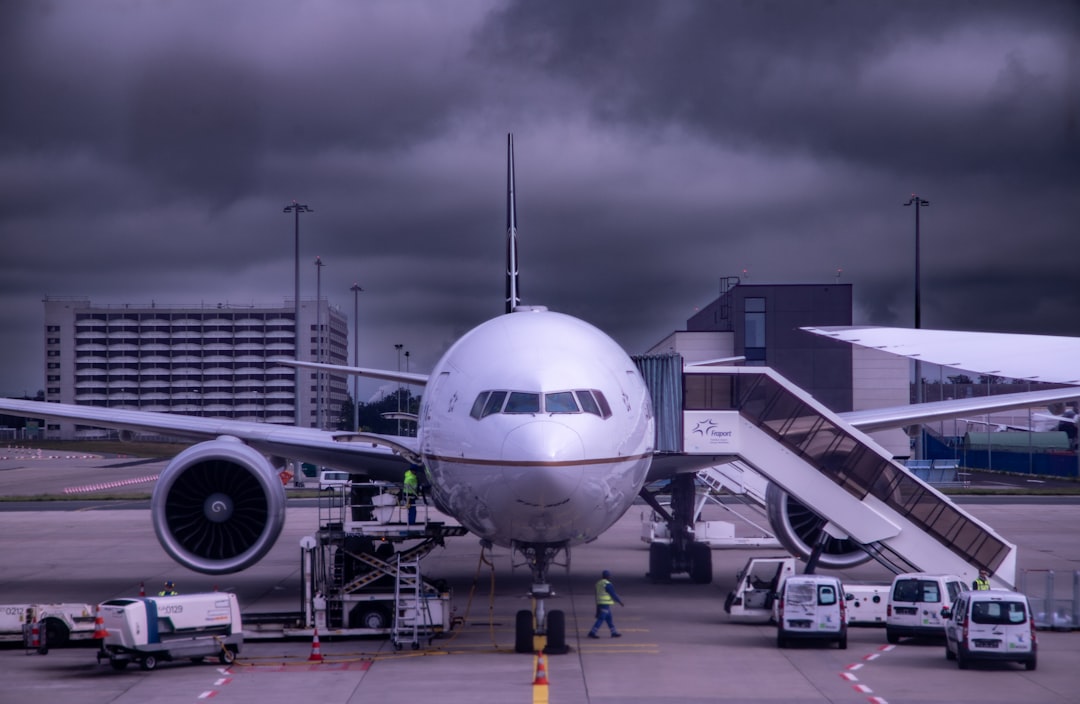
Air Travel's Shutdown Solution: Expert Reveals Surprising Fix
Introduction: When Planes Could Save Politics
Government shutdowns hurt many people. Airports feel this pain too. Tom Fitzgerald from TD Cowen has a new idea. He thinks air travel could end shutdowns. This sounds strange at first. But his reasoning makes sense. Air travel connects our country. It helps business and families. When airports struggle, everyone notices. This article explains his theory. We will show why it might work. You will learn about past shutdowns. You will see how air travel affects politics. We include tips for travelers. We answer common questions too. This could change how you see airports. They might be more important than you think.
Shutdowns stop government work. They delay pay for workers. They close national parks. They hurt the economy. The last shutdown lasted 35 days. It was the longest in history. Many people suffered during that time. Air travel problems got attention quickly. Security lines grew longer. Flights got delayed. Travelers complained loudly. Politicians had to listen. This might be the key to ending future shutdowns. When air travel has issues, people demand solutions. This pressure can force compromises. Read on to understand this powerful idea.
Who Is Tom Fitzgerald and TD Cowen?
Tom Fitzgerald works at TD Cowen. This is a famous investment bank. They study markets and economies. Fitzgerald is an airline expert. He knows how airlines work. He understands their problems. His job is to predict airline performance. He looks at costs and profits. He watches government policies too. His opinion matters to investors. When he speaks, people listen. His shutdown idea comes from deep knowledge. He sees how politics affects travel. He knows travel affects politics back.
What TD Cowen Does
TD Cowen started over 100 years ago. They help companies with money matters. They research different industries. Their airline research is well-known. They advise clients on investments. Their reports influence business decisions. Many people trust their analysis. They have data on past shutdowns. They see patterns others miss.
Fitzgerald's Background
Fitzgerald has worked in aviation for years. He studied airline operations. He knows about airport management. He understands passenger behavior. His research shows clear connections. Politics and air travel link closely. Problems in one affect the other. His insight could help solve shutdowns.
The Shutdown Problem Explained
Government shutdowns happen often. They occur when Congress disagrees. They cannot pass a budget. So government agencies close. Workers stay home without pay. Services stop or slow down. These shutdowns hurt the economy. The Congressional Budget Office studies these impacts. Their reports show real damage. Businesses lose money. People cannot get services. The effects spread widely.
Recent Shutdown Examples
Let us look at some past shutdowns:
- 2013 Shutdown: Lasted 16 days. Closed national parks. Delayed economic data.
- 2018-2019 Shutdown: Lasted 35 days. Longest in history. Hurt 800,000 workers.
- Short Shutdowns: Some last just days. But they still cause problems.
Economic Impact
Shutdowns cost billions of dollars. The 2018-2019 shutdown cost $11 billion. This comes from lost productivity. It includes delayed spending. The White House reports these numbers. The damage lasts after shutdowns end. Recovery takes time and money.
How Air Travel Connects to Shutdowns
Air travel suffers during shutdowns. TSA workers are federal employees. Many must work without pay. This causes stress and shortages. Some call in sick. Others look for new jobs. Security lines get longer. Wait times increase. Travelers get frustrated. They complain to airlines. They contact their representatives. This creates political pressure.
Air Traffic Control Issues
Air traffic controllers work during shutdowns. But they do not get paid. This is dangerous work. They need full attention. Money worries distract them. This could cause safety issues. The Federal Aviation Administration (FAA) monitors these risks. They report near misses and delays. Safety concerns get quick attention from politicians.
Airport Operations
Airports need many federal workers. Customs officers process international flights. Security screeners check bags. Safety inspectors watch planes. All these jobs matter. When these workers struggle, travel suffers. Flights get delayed or canceled. Businesses lose meetings. Families miss events. The effects ripple through society.
Fitzgerald's Theory: Why Air Travel Breaks Deadlocks
Fitzgerald sees a pattern. Air travel problems get quick fixes. Politicians feel public pressure. Travelers are vocal and visible. Business leaders complain. The media covers airport chaos. This forces compromise. Other shutdown effects get less attention. But airport issues make headlines. This gives air travel special power.
The Visibility Factor
Airport problems are easy to see. Long security lines appear on TV. Delayed flights affect many people. Business travelers have influence. They contact politicians directly. Tourism businesses complain too. Hotels and restaurants lose money. This creates broad pressure for solutions.
Economic Pressure
Air travel supports many jobs. Pilots, flight attendants, and ground crew need work. Airlines lose money during shutdowns. They lobby for solutions. The U.S. Travel Association tracks these impacts. They report daily losses. This data helps make the case for ending shutdowns.
Real Examples: When Travel Forced Action
History shows examples of this pattern. During the 2019 shutdown, airports had big problems. Miami International Airport closed a terminal. LaGuardia Airport had long delays. These events got media attention. Politicians discussed solutions quickly. The shutdown ended soon after.
Case Study: LaGuardia 2019
In January 2019, LaGuardia Airport had issues. Many TSA workers called in sick. Security wait times reached 90 minutes. Some flights canceled. News stations showed long lines. Senators saw these reports. They pushed for a temporary funding bill. This shows how travel problems drive action.
Business Community Response
Major companies spoke out during shutdowns. Airlines sent letters to Congress. Business groups warned about economic damage. The U.S. Chamber of Commerce urged solutions. This pressure from business leaders matters. Politicians listen when jobs are at risk.
Practical Tips for Travelers During Shutdowns
If you travel during a shutdown, be prepared. Follow these tips to avoid problems:
Before Your Trip
- Check airport websites for updates
- Allow extra time for security
- Consider signing up for TSA PreCheck
- Pack patience and flexibility
- Have backup plans for delays
At the Airport
- Arrive at least 3 hours early for domestic flights
- Bring snacks and entertainment
- Download airline apps for updates
- Be kind to airport staff
- Know your rights as a passenger
Step-by-Step Guide: How Air Travel Could End Shutdowns
This process shows how Fitzgerald's idea might work:
Step 1: Shutdown Begins
Congress fails to pass a budget. Government agencies close. Federal workers stop getting paid.
Step 2: Airport Problems Develop
TSA workers face financial stress. Some call in sick. Security lines grow longer. Flights get delayed.
Step 3: Public Attention Grows
Media reports on airport chaos. Social media shares stories. Travelers complain to representatives.
Step 4: Economic Pressure Builds
Airlines report losses. Business groups warn of damage. Tourism industries suffer.
Step 5: Political Action Happens
Politicians feel pressure to act. They negotiate compromises. They pass temporary funding.
Step 6: Shutdown Ends
Government reopens. Workers get back pay. Air travel returns to normal.
Statistics That Support the Theory
Data shows how shutdowns affect air travel:
- During the 2019 shutdown, TSA sick calls increased by 300%
- Some airports saw security wait times over 2 hours
- Airlines lost an estimated $100 million per day
- Hotel bookings dropped by 10% in affected areas
- Business travel spending fell by 25%
Sources: TSA, Airlines for America, U.S. Travel Association
Frequently Asked Questions
What happens to TSA workers during a shutdown?
TSA workers must work without pay. They are essential employees. They get back pay after the shutdown ends. But waiting causes financial stress.
Can airports close completely during shutdowns?
Most airports stay open. But terminals may close. Services may be reduced. Some security checkpoints might close too.
How long can a shutdown affect air travel?
Effects usually appear within two weeks. As workers miss paychecks, problems grow. The longer the shutdown, the worse travel gets.
Do all airports experience the same problems?
No. Major hubs feel effects first. They have more federal workers. Smaller airports may have fewer issues.
What can travelers do to help?
Be patient with airport staff. Contact your representatives about ending shutdowns. Share your experiences to raise awareness.
Has this theory been tested before?
We have seen examples in past shutdowns. When travel problems get bad enough, action follows. But it is not a guaranteed solution.
Are there other industries that could force shutdown endings?
Yes. Food safety inspections matter. Tax refund delays affect many people. But air travel gets more immediate attention.
Conclusion: A New Way to Think About Air Travel
Tom Fitzgerald's idea makes sense. Air travel has special power in politics. When airports have problems, people notice quickly. Business leaders speak up. Media coverage increases. This creates pressure that can end shutdowns. Understanding this connection helps us all. Travelers can be prepared. Citizens can advocate for solutions. Maybe next time a shutdown happens, air travel will indeed be the catalyst for resolution.
The relationship between air travel and politics is strong. Airports are vital to our economy. They connect people and businesses. Protecting air travel should be a priority. Fitzgerald's insight gives us hope. Maybe future shutdowns will be shorter. Maybe air travel will help our government work better. This is a positive thought for all travelers.