
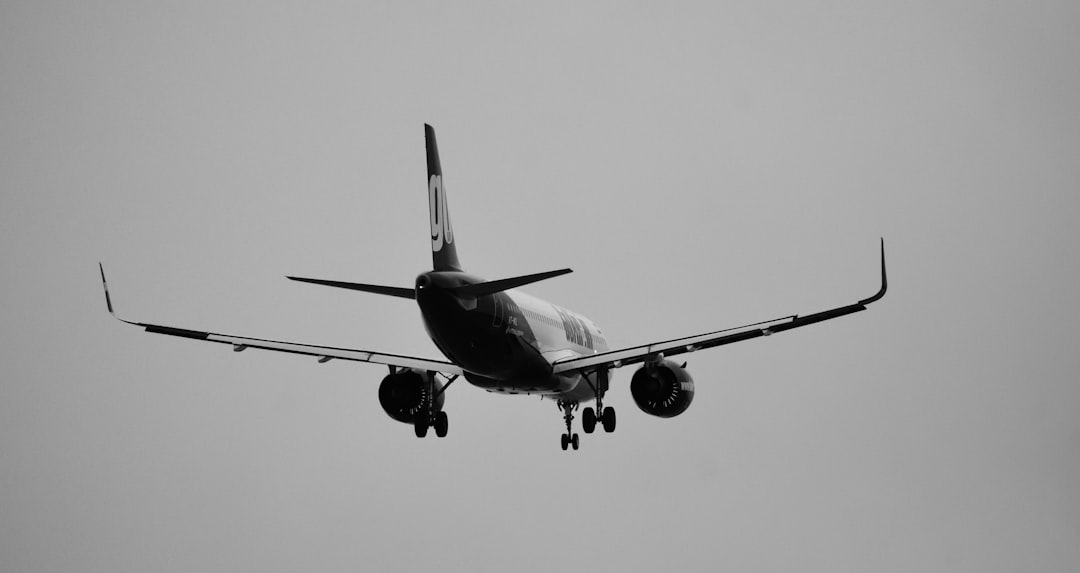
Air Traffic Chaos: Government Shutdown Travel Nightmare
Imagine standing in a crowded airport. Your flight is delayed. Then canceled. You feel frustrated. This happens during government shutdowns. Air traffic controllers work without pay. They manage our skies. Their job is stressful. It becomes harder without pay. This affects all travelers. Your vacation plans might be ruined. Business trips get canceled. Family visits are postponed. This article explains the problem. It shows how government shutdowns hurt travel. You will learn what to expect. You will get tips to protect your plans. Let's explore this important issue.
What Happens During Government Shutdowns?
Government shutdowns occur when Congress cannot agree on funding. This means many government workers stop getting paid. Some essential workers must still work. But they work without pay. This includes air traffic controllers. They are considered essential employees. So they must show up for work. But they don't receive paychecks. This creates serious problems.
Essential Workers Without Pay
Air traffic controllers have a crucial job. They guide planes safely through the sky. They prevent collisions. They manage takeoffs and landings. Their work requires intense concentration. One mistake can be disastrous. Working without pay adds stress. Financial worries distract them. This makes their job more dangerous.
According to the Federal Aviation Administration (FAA), there are over 14,000 air traffic controllers in the US. During shutdowns, all must work without pay. Many live paycheck to paycheck. They have families to support. Bills to pay. This financial pressure affects their mental health.
Previous Shutdown Examples
Let's look at past shutdowns. The 2018-2019 shutdown lasted 35 days. It was the longest in US history. During this time:
- Air traffic controllers called in sick more often
- Major airports experienced staffing shortages
- Flights were delayed at New York and Florida airports
- Security lines grew longer
- Some controllers sought second jobs
The Government Accountability Office reported serious concerns. They warned about aviation safety risks. They noted that controller fatigue increased. Morale dropped significantly.
How Shutdowns Affect Air Travel
Government shutdowns impact air travel in many ways. Some effects are immediate. Others develop over time. Understanding these helps you prepare.
Flight Delays and Cancellations
When air traffic controllers are stressed, operations slow down. They may work more carefully. This causes delays. Sometimes controllers call in sick. This creates staffing shortages. Fewer controllers mean fewer planes can land or take off. The Airlines for America organization tracks these impacts.
During the 2019 shutdown:
- LaGuardia Airport in New York reduced operations
- Philadelphia International had major delays
- Some regional airports closed towers temporarily
- Overall flight delays increased by 25%
Safety Concerns
Safety is the biggest worry. Tired, stressed controllers make mistakes. The National Transportation Safety Board (NTSB) investigates aviation accidents. They have expressed concern about shutdown impacts. Near-miss incidents might increase. Communication errors could occur. The system becomes less reliable.
Long-Term System Damage
Shutdowns hurt the aviation system long-term. Experienced controllers may leave their jobs. Training new controllers takes years. The system loses valuable expertise. Maintenance gets delayed. Technology upgrades are postponed. This weakens our aviation infrastructure.
Real Stories from Air Traffic Controllers
Let's hear from real controllers. Their stories show the human impact.
John's Story: Financial Stress
John has been a controller for 12 years. He works at a busy airport. During the 2019 shutdown, he went 35 days without pay. "I have two kids in college," he said. "My mortgage is $2,500 per month. I had to borrow money from my parents. It was embarrassing."
John described the work environment. "We were all stressed. Everyone was talking about bills. We tried to focus on safety. But money worries were always there."
Maria's Experience: Safety Fears
Maria works at a regional control center. She handles high-altitude traffic. "The shutdown made me question my career," she shared. "I love my job. But working without pay felt wrong. I worried about making mistakes. When you're thinking about rent, it's hard to focus on aircraft separation."
Statistics: The Numbers Behind the Crisis
Data helps us understand the scale of the problem. Here are key statistics from reliable sources.
- 14,000+ air traffic controllers affected by shutdowns (FAA)
- 35 days - longest shutdown in 2018-2019 (Congressional Research Service)
- 25% increase in flight delays during 2019 shutdown (Airlines for America)
- 25% of controllers eligible to retire in next 5 years (National Air Traffic Controllers Association)
- 10% increase in controller errors during past shutdowns (NTSB)
Practical Tips for Travelers
You can protect your travel plans during shutdowns. Follow these practical tips.
Before You Book
- Check the political calendar. Avoid travel during potential shutdown periods.
- Purchase travel insurance. Make sure it covers government-related cancellations.
- Book with airlines that have good cancellation policies.
- Consider travel dates with flexibility.
- Keep emergency funds for unexpected changes.
During a Shutdown
- Monitor airport status regularly. Use the FAA website.
- Arrive at airports earlier than usual. Security may be slower.
- Pack patience. Everyone will be stressed.
- Have backup plans for important meetings.
- Keep important contacts and numbers handy.
If Your Flight is Affected
- Contact your airline immediately.
- Know your rights as a passenger.
- Use airline apps for real-time updates.
- Consider alternative airports nearby.
- Keep receipts for unexpected expenses.
Step-by-Step Guide: Managing Shutdown Travel
Follow this simple guide to navigate travel during government shutdowns.
Step 1: Preparation (4-6 weeks before travel)
Research current political situation. Sign up for government alert services. Purchase appropriate insurance. Create a contingency fund.
Step 2: Monitoring (2 weeks before travel)
Check news daily for budget talks. Monitor airline communications. Review your insurance coverage. Prepare backup plans.
Step 3: Action (During shutdown)
Verify flight status before leaving home. Allow extra time for airport processes. Pack essential items in carry-on. Stay informed about developments.
Step 4: Adaptation (If plans change)
Contact airlines promptly. Use social media for quick responses. Document all conversations. Follow up in writing.
Frequently Asked Questions
1. Do all air traffic controllers work during shutdowns?
Yes, air traffic controllers are essential employees. They must work even without pay. This ensures basic aviation safety.
2. How quickly do travel problems appear?
Problems can start within days. As controllers miss paychecks, stress increases. Within two weeks, significant delays may occur.
3. Are some airports affected more than others?
Yes, major hub airports feel impacts first. They have more traffic. Any slowdown causes bigger ripple effects.
4. Can I get refunds for shutdown-related cancellations?
It depends on your airline and insurance. Many airlines offer waivers during shutdowns. Travel insurance may cover additional costs.
5. How long do effects last after a shutdown ends?
Recovery takes time. Controllers need to catch up financially. The system may need weeks to return to normal.
6. Are international flights affected too?
Yes, all flights in US airspace are affected. This includes international arrivals and departures.
7. What can ordinary citizens do to help?
Contact your congressional representatives. Support stable government funding. Be patient with airport staff during difficult times.
The Bigger Picture: Aviation System Stability
Government shutdowns hurt more than just travel plans. They damage our entire aviation system. This system is complex. It requires constant maintenance and improvement.
Economic Impacts
Aviation contributes greatly to our economy. According to the Airlines for America, aviation supports 10 million US jobs. It adds $1.8 trillion to economic activity. Shutdowns threaten this economic engine.
Global Reputation
The US has the world's safest aviation system. Frequent shutdowns damage this reputation. International travelers may choose other countries. This hurts our tourism industry.
Conclusion: Protecting Our Skies
Government shutdowns create real dangers for air travel. Air traffic controllers work under tremendous pressure. Financial stress affects their performance. This puts all travelers at risk. The solution requires political cooperation. Stable funding is essential. As travelers, we can prepare. We can stay informed. We can support aviation workers. Most importantly, we can advocate for reliable government operations. Our safety in the skies depends on it. Next time you fly, remember the people guiding your plane. They deserve our respect and support. Safe travels require stable systems. Let's work together to protect them.
For more travel tips and updates, visit our travel news section. Stay informed about issues affecting your journeys. Knowledge helps you travel smarter and safer.