
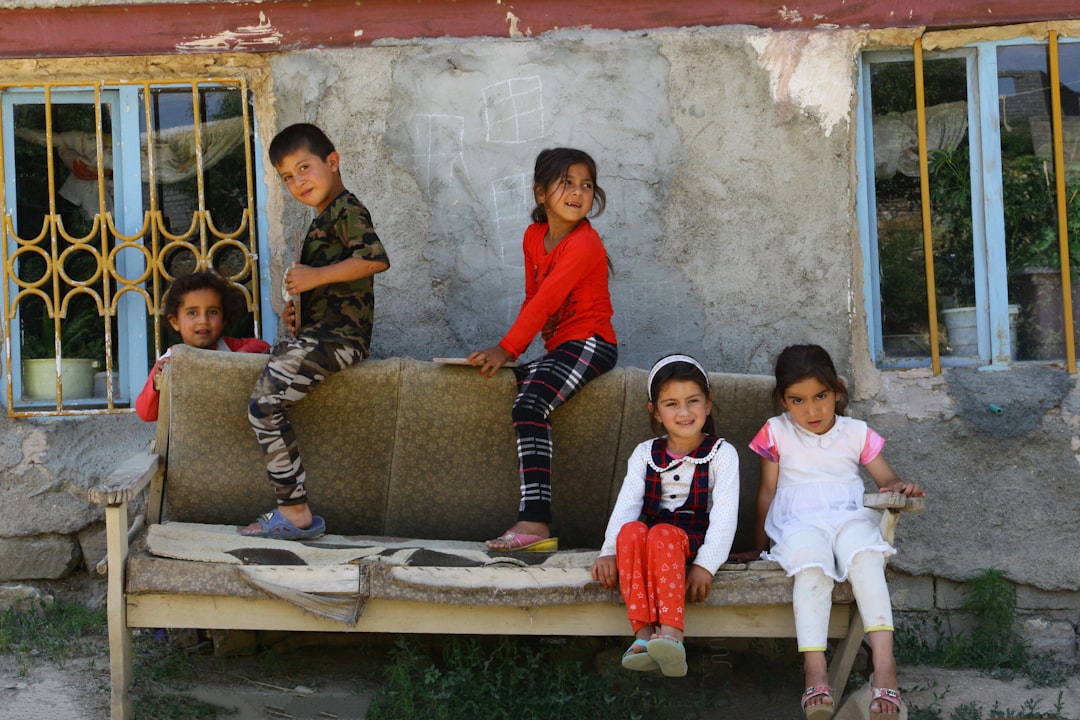
Afghan Refugee's WA Escape: Family Still Trapped
Introduction: A New Life in Washington State
An Afghan woman found safety in Washington State. She escaped her homeland years ago. Her family remains stranded abroad. This is her story. It shows the struggles of refugees. It highlights the complex immigration system. Many families face similar situations. They wait for reunification. The process takes years sometimes.
Washington State has welcomed many refugees. They come from conflict zones worldwide. Afghanistan has seen much violence. The Taliban takeover in 2021 created crisis. Many Afghans fled for their lives. Some had helped US forces. They feared retaliation. Our subject was one such person. She made it to safety. But her family did not.
This article explores her journey. We examine the immigration process. We look at resources for refugees. We discuss how to help. Her story represents thousands. Families remain separated. Hope persists despite challenges. Community support makes difference.
The Escape from Afghanistan
The journey began in Afghanistan. Our subject worked with US organizations. This put her in danger. When Taliban advanced, she had to leave. She applied for special visa. The process was slow. She decided to flee anyway.
Dangerous Journey to Safety
She traveled through multiple countries. Each border crossing brought new risks. Smugglers demanded high payments. Transportation was dangerous. She faced checkpoints and questioning. Finally, she reached a safe country. From there, she applied for US asylum.
The UN Refugee Agency helped her case. She provided evidence of threats. Her work with Americans supported her claim. After months of waiting, approval came. She could travel to United States.
Arrival in Washington State
Washington became her new home. Local organizations helped her settle. She found housing in King County. Volunteers helped with groceries and orientation. She started English classes. Everything was new and strange. But she felt grateful for safety.
However, happiness was incomplete. Her family remained behind. They were in a third country. Their asylum cases were pending. The separation caused daily pain. Video calls were their only connection. Time zones made communication hard.
The US Immigration System for Afghans
The US has several programs for Afghan refugees. Understanding them helps explain her situation. Each program has different rules. Processing times vary greatly.
Special Immigrant Visa (SIV) Program
This program helps Afghans who worked with US government. Applicants must show faithful service. They need recommendation from US supervisor. The process has multiple steps. Security checks take months. According to State Department data, over 70,000 SIV applications were pending in 2023.
Humanitarian Parole
This temporary status allows entry for urgent reasons. It does not lead to permanent residence. Applicants must show compelling emergency. The US Citizenship and Immigration Services processes these requests. Approval rates have fluctuated significantly.
Refugee Admissions Program
This is the main pathway for refugees. The President sets annual caps. Processing occurs outside the US. Applicants must prove persecution fear. The UNHCR refers cases to US officials. Security vetting is extensive. The whole process typically takes 18-24 months.
Family Separation and Reunification
Our subject's family faces multiple barriers. Their cases are complicated. Different family members have different statuses. Some are in refugee camps. Others are in urban settings. All await resolution.
Current Backlogs and Delays
The system faces massive backlogs. According to Migration Policy Institute, over 100,000 Afghan cases were pending in 2024. Wait times exceed two years for many. Families remain in limbo. Children grow up without parents. Elders face health crises alone.
Psychological Impact of Separation
Research shows family separation causes trauma. A American Psychological Association study found high rates of anxiety and depression among separated families. Sleep disorders are common. Children show behavioral problems. The uncertainty worsens mental health.
Life in Washington State
Our subject has built a new life in WA. She faces challenges daily. But she also finds hope and support.
Employment and Education
She found work in healthcare. Many refugees take entry-level jobs initially. Language barriers limit options. Some professionals cannot practice their trades. Credential recognition is difficult. Our subject studies nursing at community college. She hopes to help others like herself.
Community Support Networks
Washington has strong refugee support systems. Organizations like Lutheran Community Services provide assistance. They offer case management and counseling. Volunteers help with daily tasks. Cultural brokers assist with adaptation.
How to Help Afghan Refugees
Many people want to assist refugees. Here are practical ways to make difference.
Volunteer Opportunities
- Teach English to newly arrived refugees
- Help with job search and resume writing
- Provide transportation to appointments
- Assist with grocery shopping and orientation
- Offer friendship and cultural exchange
Advocacy and Policy Work
- Contact elected officials about refugee issues
- Support organizations working on immigration reform
- Attend community meetings about refugee resettlement
- Write letters supporting individual cases
- Educate others about refugee experiences
Material Support
- Donate household items to resettlement agencies
- Provide gift cards for groceries and necessities
- Contribute to legal defense funds
- Offer temporary housing if possible
- Sponsor a refugee family through community groups
Frequently Asked Questions
How long does family reunification take?
The process typically takes 18-36 months. Some cases take longer. Security checks cause most delays. Backlogs have increased since 2021.
Can refugees work immediately upon arrival?
Yes, refugees receive work authorization quickly. Most can work within 30-90 days. Some states issue temporary permits faster.
What benefits do refugees receive?
Refugees get limited cash assistance initially. They receive health screening and medical care. Case management helps with settlement. Benefits decrease over time as they become self-sufficient.
How can I sponsor a refugee family?
Groups of five Americans can sponsor refugees through the Welcome Corps program. Private sponsorship is also possible through certain organizations. Training and background checks are required.
Do refugees pay back travel loans?
Yes, most refugees must repay their travel costs to the US. This creates financial burden. Some organizations help with loan repayment.
Can refugees become US citizens?
Yes, refugees can apply for green card after one year. They can naturalize after five years residence. They must pass English and civics tests.
How many Afghan refugees has Washington received?
Washington has welcomed over 5,000 Afghan refugees since 2021. Most settled in King County. Others live in Spokane and Pierce counties.
Real Stories from Afghan Refugees
Our subject's experience is not unique. Many face similar challenges. Here are other examples from Washington.
Ahmad's Story: Reunited After Three Years
Ahmad worked as interpreter for US Army. He escaped in 2020. His wife and children followed in 2023. The wait was painful but ended happily. They now live in Kent, Washington.
Fatima's Struggle: Still Waiting
Fatima arrived in Seattle in 2022. Her husband remains in Pakistan. Their case has been pending for 28 months. She worries constantly about his safety.
Statistics on Afghan Refugees
Numbers help understand the scale of situation.
- Over 140,000 Afghans evacuated to US since 2021 (Department of Homeland Security)
- Approximately 35,000 remain in temporary status awaiting permanent resolution
- Washington State ranks 5th in Afghan refugee resettlement
- 65% of evacuated Afghans are under age 35
- Female-headed households represent 15% of cases
Step-by-Step Guide to Family Reunification
This process is complex but follows clear steps.
Step 1: Determine Eligibility
Identify which program applies to your case. Consult with legal experts. Gather necessary documents. Prepare evidence of relationship.
Step 2: File Petition
Submit Form I-130 for family members. Include supporting documents. Pay required fees or request fee waiver.
Step 3: Wait for Processing
USCIS will review petition. They may request additional evidence. Processing times vary by service center.
Step 4: National Visa Center Processing
After petition approval, case goes to NVC. Submit civil documents and forms. Pay visa application fees.
Step 5: Interview and Security Checks
Family members attend visa interview at US embassy. Complete medical examination. Final security checks occur.
Step 6: Travel to United States
Receive visa and travel documents. Make travel arrangements. Attend cultural orientation if available.
Conclusion: Hope Amid Challenges
The Afghan woman in our story represents resilience. She built new life in Washington despite trauma. Her family's absence creates daily void. But she persists with courage and hope.
Her experience shows both system failures and human triumph. The immigration process needs reform. Backlogs cause unnecessary suffering. Families deserve faster reunification. Yet community support makes difference. Volunteers and organizations provide crucial help.
We can all contribute to solutions. Advocate for policy changes. Support refugee assistance groups. Welcome newcomers to our communities. Small actions create big impact. Together, we can help families reunite. We can build more compassionate society.
The story continues for our subject and thousands like her. Each day brings hope for reunion. Each small victory matters. The journey is long but worth taking. Safety and family are universal desires. We must help make them reality for all.