
8 Travel Experiences Everyone Pretends They Enjoy to Look Cultured—But Secretly Hates
Introduction
Traveling is exciting. People love to share their adventures. But some experiences are not fun. Many travelers pretend to enjoy them. They want to look cultured and sophisticated. In reality, these experiences can be disappointing. This article reveals eight common travel experiences that people secretly hate. We will explore why they are overrated. You will learn practical tips to avoid disappointment. Let us be honest about travel. The truth can make your trips better.
Social media shows perfect travel moments. But reality is different. Long lines, bad weather, and crowded places can ruin your day. Many popular activities sound great in theory. However, they often fail to meet expectations. Understanding this can help you plan better trips. You can focus on what you truly enjoy. This guide will help you identify these overrated experiences. You will learn how to make smarter travel choices.
1. The Overcrowded Tourist Attraction
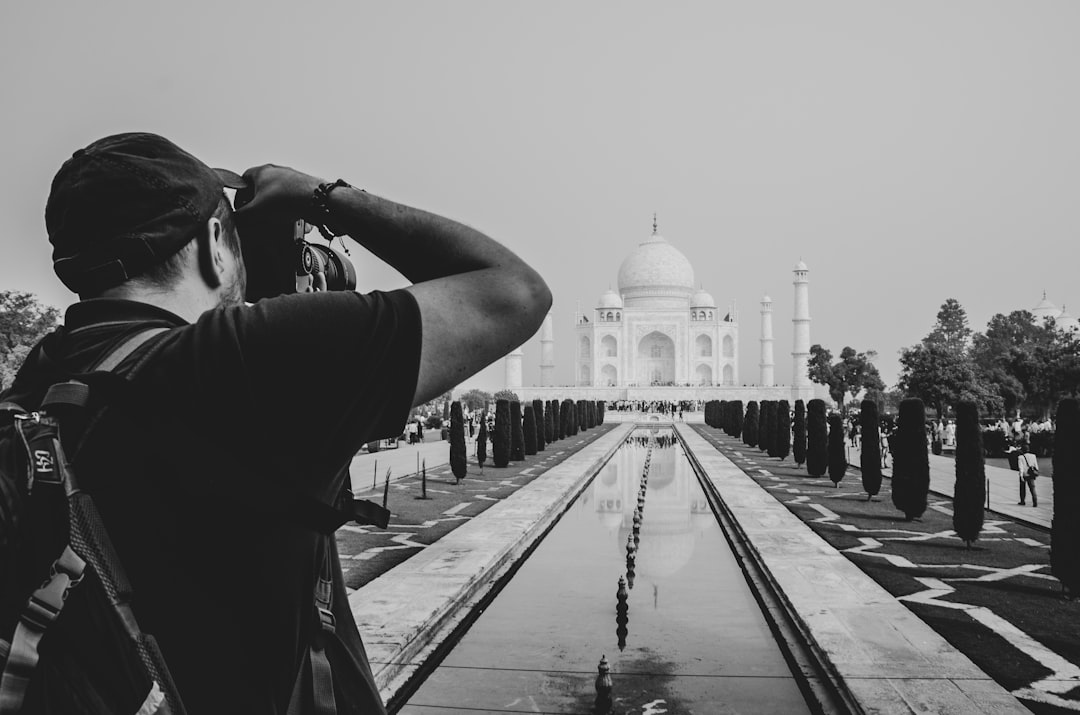
Famous landmarks attract millions of visitors. Think of the Eiffel Tower or the Colosseum. These places are iconic. Everyone wants to see them. But the experience is often stressful. You wait in long lines for hours. The crowds are overwhelming. Taking a good photo is nearly impossible. You might feel rushed and uncomfortable. Many people visit because they feel they should. They do not truly enjoy it.
Why People Pretend to Love It
Visiting famous sites makes people feel accomplished. They can share photos on social media. It proves they were there. This gives them social validation. They want to appear well-traveled. Admitting dislike might make them seem uncultured. So they smile and say it was amazing.
The Reality Check
Studies show overtourism is a growing problem. The World Tourism Organization reports that popular sites suffer from crowding. This damages the visitor experience. For example, National Geographic highlights how overcrowding affects historic sites. The magic fades when you are surrounded by thousands of people.
Practical Tips for a Better Experience
- Visit during off-peak hours. Early mornings or late evenings are quieter.
- Book tickets online in advance. This saves time and reduces stress.
- Explore less famous alternatives. Every city has hidden gems.
- Consider guided tours that offer skip-the-line access.
2. The "Authentic" Local Food Tour
Food tours promise authentic culinary experiences. You get to try local dishes. This sounds delicious and educational. However, these tours can be exhausting. You walk for hours in the heat. The food might not suit your taste. Some dishes are too spicy or unusual. You may feel pressured to eat everything. This can lead to stomach issues. Many participants secretly wish for a simple meal.
The Social Pressure
Food is a big part of culture. People want to show they are adventurous eaters. They post pictures of exotic foods online. This makes them look sophisticated. But not everyone enjoys strange flavors. It is okay to prefer familiar food.
Health and Comfort Concerns
According to the CDC, travelers often get foodborne illnesses. Trying street food can be risky. Your stomach may not handle new bacteria well. This can ruin your trip. It is important to balance adventure with caution.
How to Enjoy Food Tours Wisely
- Research food tours with good reviews. Choose ones with smaller groups.
- Eat a light breakfast before the tour. This helps you sample without overeating.
- Carry stomach medication. Be prepared for digestive issues.
- Do not be afraid to skip dishes that do not appeal to you.
3. The Long-Haul Flight in Economy
Flying to faraway destinations is exciting. But long-haul flights in economy class are tough. You sit in a small seat for many hours. There is limited legroom. The air is dry and recycled. You might struggle to sleep. Jet lag can make you feel terrible. Despite this, people boast about their long journeys. They hide the discomfort.
The Illusion of Adventure
Long flights symbolize epic travel. People like to talk about flying across continents. It sounds impressive. They omit the cramped conditions and boredom. The reality is often miserable.
Health Impacts
The World Health Organization notes that long flights can cause health issues. These include deep vein thrombosis and dehydration. It is important to move around and stay hydrated.
Survival Guide for Long Flights
- Choose an aisle seat for easier movement.
- Wear comfortable clothing and compression socks.
- Drink plenty of water. Avoid alcohol and caffeine.
- Stand up and stretch every two hours.
- Bring entertainment: books, movies, or music.
4. The "Spiritual" Yoga Retreat
Yoga retreats promise peace and self-discovery. They are set in beautiful locations. Participants do yoga, meditate, and eat healthy food. This sounds relaxing. But many people find it boring or intense. The schedule is strict. You might feel isolated. The food may be too bland. Some retreats are expensive. Guests pretend to have a transformative experience. In truth, they count down the days until they leave.
The Pressure to Be Enlightened
Yoga retreats are trendy. People want to appear spiritually advanced. They share serene photos online. But not everyone connects with the practice. Some feel out of place or judged.
Financial and Time Commitment
Retreats can cost thousands of dollars. You invest time and money. Admitting it was not worth it feels embarrassing. So people exaggerate their enjoyment.
Making the Most of a Retreat
- Research the retreat thoroughly. Read past participant reviews.
- Set realistic expectations. Do not expect instant enlightenment.
- Pack comfort items like snacks or a favorite book.
- Be open-minded but listen to your body. Rest if you need to.
5. The Group Tour with Strangers
Group tours are convenient. They handle logistics for you. You meet new people and see many sights. However, traveling with strangers can be challenging. Group dynamics may be awkward. You have to follow a fixed schedule. There is little freedom. Some companions might be annoying. Despite this, people claim to love the social aspect. They hide their frustration.
The Fear of Traveling Alone
Many people join group tours because they fear solo travel. It feels safer and easier. They praise the camaraderie. But私下, they might prefer alone time.
Compromises and Sacrifices
Group tours require compromise. You visit places you might not choose. You eat at predetermined times. A Travel + Leisure survey found that 40% of group tour participants felt rushed.
Tips for a Positive Group Tour Experience
- Choose a tour that matches your interests and pace.
- Be open to meeting new people but set boundaries.
- Take some time for yourself each day.
- Communicate any issues with the tour guide politely.
6. The "Rustic" Camping Adventure
Camping connects you with nature. You sleep under the stars. It sounds romantic and simple. But camping can be uncomfortable. You might face bad weather, insects, or hard ground. Sleeping in a tent is not for everyone. Many campers secretly miss their beds. They endure it to appear outdoorsy and tough.
The Appeal of Being "One with Nature"
Camping is seen as a pure form of travel. It shows resilience and simplicity. People post beautiful nature photos. They do not show the mosquito bites or rain.
Physical Discomforts
According to REI, improper gear can make camping miserable. Cold nights, wet clothes, and poor sleep are common complaints.
Camping Without the Pain
- Start with short trips close to home.
- Invest in quality gear: a good tent, sleeping bag, and mat.
- Check weather forecasts and choose your dates wisely.
- Consider glamping as a comfortable alternative.
7. The Museum Marathon
Museums are full of art and history. They are educational and inspiring. But spending hours in museums can be tiring. Your feet hurt from standing. The rooms are crowded. You might not understand the exhibits. After a while, everything looks the same. Many visitors pretend to be deeply interested. They are actually bored and exhausted.
The Cultural Obligation
People feel they should visit museums. It is part of being a cultured traveler. They take photos of famous paintings. They want to show they appreciate art. But the experience can be overwhelming.
Museum Fatigue
Smithsonian Magazine discusses museum fatigue. This is when visitors feel tired and lose focus. It happens to most people after 2-3 hours.
How to Enjoy Museums
- Limit your visit to 2-3 hours per day.
- Focus on exhibits that interest you most.
- Use audio guides for better understanding.
- Take breaks in museum cafes or gardens.
8. The Backpacking Trip Through Europe
Backpacking through Europe is a classic adventure. You visit multiple countries on a budget. It sounds free and exciting. However, carrying a heavy backpack is hard. You stay in noisy hostels. You take overnight buses to save money. This lifestyle is exhausting. Many backpackers pretend to love the freedom. secretly, they crave comfort and stability.
The Myth of Ultimate Freedom
Backpacking is portrayed as the ultimate travel experience. It symbolizes youth and independence. People share stories of spontaneity. They hide the stress of constant movement.
Budget and Logistics Stress
Backpacking requires careful budgeting. You might skip meals or attractions to save money. A Lonely Planet survey found that 30% of backpackers felt financially stressed.
Backpacking Smartly
- Pack light to avoid back pain.
- Mix hostels with occasional hotel stays for rest.
- Plan your route but leave room for flexibility.
- Connect with other travelers for support and advice.
Practical Tips for Honest Travel
Travel should be enjoyable, not a performance. Here are tips to travel more honestly:
- Choose activities that match your interests. Do not follow trends blindly.
- It is okay to skip popular attractions. You do not have to see everything.
- Listen to your body. Rest when you are tired.
- Be honest in your travel reviews. Help others make informed decisions.
- Balance must-see sights with personal preferences.
FAQ Section
1. Why do people pretend to enjoy bad travel experiences?
People want social approval. They fear being judged as uncultured or boring. Social media increases this pressure.
2. How can I avoid overcrowded tourist sites?
Visit during shoulder seasons. Go early in the morning. Book tickets online. Explore less famous alternatives.
3. Are food tours worth it?
Yes, if you choose wisely. Research tours with good hygiene standards. Start with shorter tours to test your interest.
4. What is the best way to handle long flights?
Stay hydrated. Move around regularly. Wear comfortable clothes. Bring your own entertainment.
5. Can I enjoy museums without getting tired?
Yes. Limit your time. Focus on a few exhibits. Use guides to enhance your experience.
6. Is backpacking suitable for everyone?
No. It requires physical stamina and adaptability. Consider your comfort level before committing.
7. How do I choose a good group tour?
Read reviews. Check the itinerary. Ensure it matches your pace and interests. Small groups are often better.
Real Examples and Statistics
Many travelers share their true feelings online. For example, a Tripadvisor study found that 60% of visitors to famous landmarks felt disappointed. They cited crowds and high costs as main reasons.
Another survey by Booking.com revealed that 45% of travelers admitted pretending to enjoy activities for social media. This shows how common this behavior is.
In interviews, frequent travelers confess skipping popular sites. They prefer exploring local neighborhoods. This often leads to more authentic experiences.
Step-by-Step Guide to Planning an Honest Trip
- Identify your true interests. Make a list of activities you genuinely enjoy.
- Research destinations that offer those experiences. Use reliable travel blogs and guides.
- Create a flexible itinerary. Include downtime and free days.
- Book accommodations and tickets in advance. This reduces stress.
- Pack according to your comfort. Do not forget essentials.
- During the trip, listen to your feelings. Adjust plans if needed.
- After returning, reflect on what you liked and disliked. Use this for future trips.
Conclusion
Travel is personal. What works for others may not work for you. It is okay to dislike popular experiences. Being honest improves your trips. You spend time and money on things you love. This leads to more memorable adventures.
Remember, social media shows highlights, not reality. Do not feel pressured to follow trends. Focus on your happiness. Travel should enrich your life, not stress you. Embrace your unique travel style. Share your true experiences. This helps others travel more honestly too.
Next time you plan a trip, think about what you really want. Avoid activities just for appearance. Choose joy over approval. Your travels will be more fulfilling. Happy and honest traveling!