
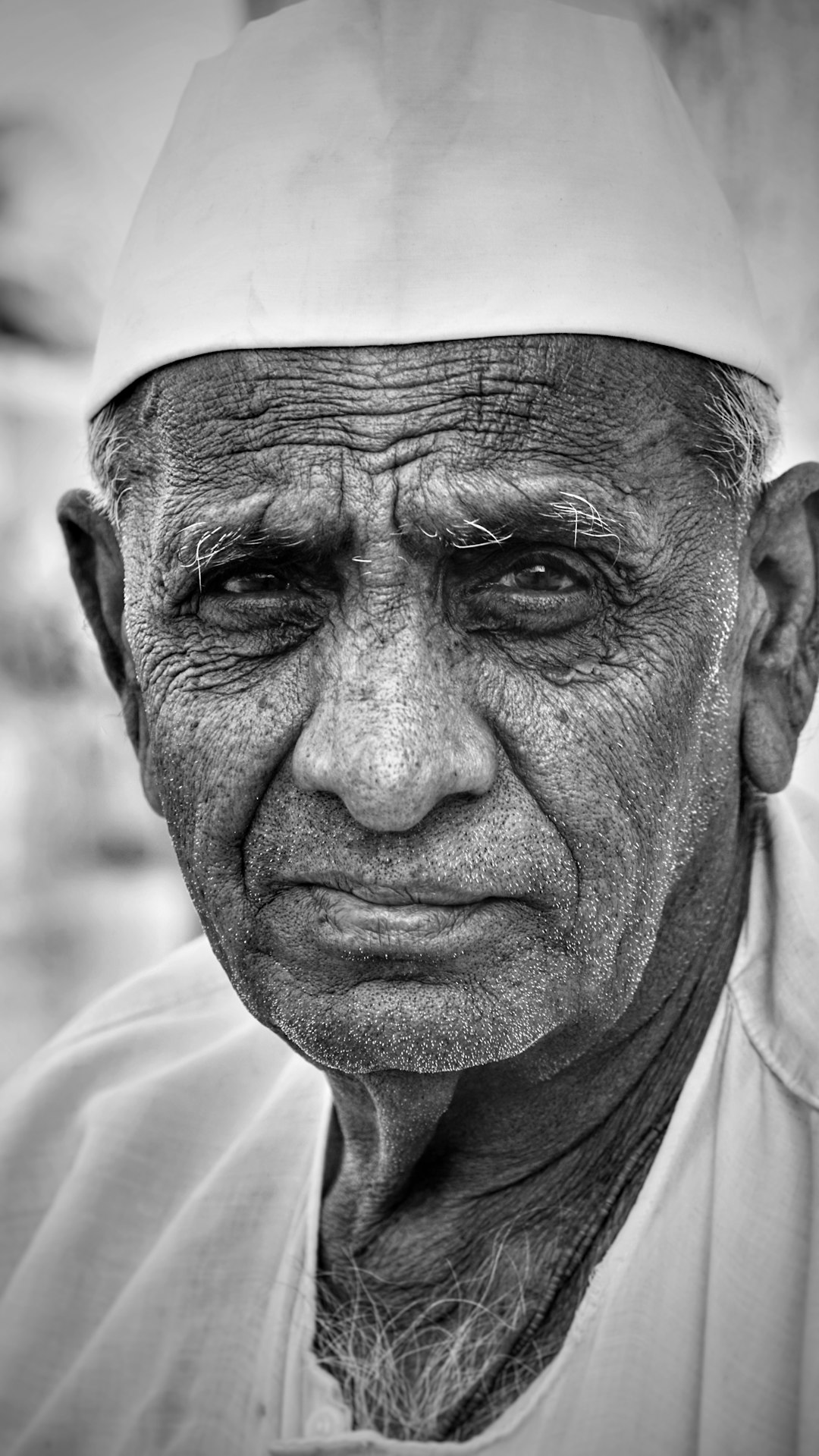
76 and Still Traveling: My Secrets to Eternal Youth
I wake up to the sound of roosters in a small Vietnamese village. The air smells of pho cooking nearby. At 76 years old, this is my normal life. Many people my age are in retirement homes. But I choose hostels and homestays instead. New people and new places keep me alive. They give me energy and purpose.
When I tell people my age, they often don't believe me. "You can't be 76!" they say. But I am. And I've visited over 60 countries in the last 15 years. I started serious traveling after my husband passed away. At first, it was just to distract myself from grief. But it became my new way of life.
This article will share my journey. I will explain why travel keeps me young. I will give practical tips for older travelers. You will learn how to stay healthy on the road. I will share stories from my adventures. And I will show you that age is just a number. Let's begin this journey together.
Why Travel Keeps You Young
Many people think travel is for the young. They are wrong. Travel benefits everyone, especially seniors. It keeps your mind sharp and your body active. It introduces you to new perspectives. Most importantly, it gives you stories to tell.
Mental Health Benefits
Travel challenges your brain in new ways. You learn new languages. You navigate unfamiliar places. You solve problems on the go. All this activity helps prevent cognitive decline. Studies show that travel can delay dementia symptoms.
The National Institutes of Health found that novel experiences create new neural pathways. This keeps your brain flexible and young. Every trip is like a workout for your mind. You return home mentally stronger.
Physical Health Advantages
Travel naturally involves movement. You walk through cities. You climb temple steps. You carry your luggage. This gentle exercise maintains muscle mass and bone density. It's much better than sitting all day.
A Harvard study showed that walking 30 minutes daily reduces heart disease risk. When you travel, you often walk much more than that. I typically walk 10,000-15,000 steps daily when exploring new places.
Social Connections
Loneliness is a serious problem for seniors. Travel forces you to meet people. You talk to hostel mates. You ask locals for directions. You share meals with fellow travelers. These interactions combat isolation.
Research from the Campaign to End Loneliness shows social connections improve longevity. Every new friend adds richness to your life. I've made friends from every continent except Antarctica. Maybe next year!
How I Started Traveling at 60
My travel journey began later in life. I was 60 when my husband David passed away. We had planned to travel together after retirement. But cancer took him too soon. For months, I sat in our empty house. I felt lost and directionless.
The First Step
My daughter suggested a trip to Ireland. Her friend had an extra ticket. I almost said no. But something made me say yes. That first trip changed everything. The green hills of Connemara healed something in me. The friendly pubs in Dublin made me laugh again.
I realized travel could be my therapy. It could help me honor David's memory. He always wanted to see the world. Now I could see it for both of us. That realization gave me purpose.
Building Confidence
After Ireland, I started small. Weekend trips to nearby cities. Then longer trips within Europe. Each journey built my confidence. I learned to read maps. I practiced packing light. I became comfortable eating alone in restaurants.
By age 65, I was ready for bigger adventures. I spent three months in Southeast Asia. Then six months in South America. Now, at 76, I'm planning my first African safari. The world keeps getting bigger, not smaller.
Practical Tips for Senior Travelers
Traveling as a senior requires some special planning. But it's absolutely possible. Here are my best tips for safe and enjoyable adventures.
Health and Medication
Your health comes first when traveling. Always carry extra medication. I bring at least two weeks' extra supply. Keep medicines in original containers. Have copies of your prescriptions. Research local pharmacies at your destination.
Get travel insurance that covers pre-existing conditions. Companies like World Nomads offer good senior policies. Know the location of hospitals near your accommodation. I always save emergency numbers in my phone.
Packing Smart
Pack light but prepared. I travel with one carry-on sized backpack. This makes moving through airports easy. I don't need to wait at baggage claim. I can handle stairs and public transport.
My packing essentials include:
- Comfortable walking shoes
- Lightweight rain jacket
- Universal power adapter
- Basic first aid kit
- Copies of important documents
- Emergency cash in US dollars
- Small flashlight
Choosing Accommodation
I prefer hostels and guesthouses over hotels. They're more social and affordable. Many hostels now offer private rooms. This gives you privacy with social opportunities.
Look for places with good reviews from older travelers. Websites like Booking.com have senior-friendly filters. Consider location carefully. Staying centrally means less transportation hassle.
My Favorite Destinations for Seniors
Some places are particularly senior-friendly. They offer good infrastructure, excellent healthcare, and welcoming cultures. Here are my top recommendations.
Portugal
Portugal is perfect for older travelers. The pace of life is relaxed. The food is delicious and affordable. Healthcare is excellent. English is widely spoken. The weather is mild year-round.
I spent two months in Lisbon last year. The city's trams make getting around easy. The pasteis de nata (custard tarts) are worth the trip alone. Portugal consistently ranks as one of the best retirement destinations worldwide.
Japan
Japan respects elders deeply. The culture is safe and orderly. Public transportation is incredible. Even small towns have excellent facilities. The food is healthy and delicious.
I visited Japan during cherry blossom season. The beauty brought tears to my eyes. The bullet trains made traveling between cities effortless. Japan has one of the world's highest life expectancies. Maybe their lifestyle rubs off on visitors!
Costa Rica
Costa Rica offers adventure and relaxation. The "pura vida" lifestyle reduces stress. The country focuses on sustainability and wellness. Healthcare is excellent and affordable.
I stayed in a yoga retreat near Manuel Antonio National Park. Howler monkeys woke me each morning. I did gentle yoga overlooking the Pacific Ocean. Costa Rica has several Blue Zones where people live exceptionally long lives.
Staying Healthy on the Road
Maintaining health while traveling is crucial. It ensures you can enjoy your adventures fully. Here's how I stay healthy anywhere in the world.
Daily Routines
I maintain simple daily routines. These keep me grounded. Every morning, I do 15 minutes of stretching. I drink two glasses of water before coffee. I take my medications at the same time each day.
I walk everywhere possible. I use stairs instead of elevators. I carry a reusable water bottle. Staying hydrated is especially important when traveling.
Eating Well
I enjoy local foods but make healthy choices. I start each day with protein. Eggs, yogurt, or beans give me energy. I include fruits and vegetables in every meal.
I limit alcohol to special occasions. One glass of wine with dinner, not every night. I avoid street food that looks questionable. When in doubt, I choose cooked foods over raw.
Managing Chronic Conditions
I have mild arthritis and high blood pressure. I manage both while traveling. For arthritis, I avoid carrying heavy bags. I choose accommodations with elevators when needed. I take rest days between busy sightseeing.
For blood pressure, I monitor my salt intake. I use a travel blood pressure monitor weekly. I always carry my medication. The CDC offers excellent resources for traveling with chronic conditions.
Budgeting for Long-Term Travel
Many people think long-term travel is expensive. It doesn't have to be. With smart planning, you can travel affordably for months.
Accommodation Savings
I save on accommodation in several ways. I use house sitting websites like TrustedHousesitters. This provides free accommodation in exchange for pet care. I've cared for cats in Paris and dogs in Buenos Aires.
I stay in hostel private rooms instead of hotels. These cost 30-50% less. I sometimes volunteer in hostels for free accommodation. This also helps me meet other travelers.
Transportation Tips
I travel slowly to save money. Staying longer in one place reduces transportation costs. I use local buses and trains instead of taxis. I walk whenever possible.
For flights, I use error fare websites like Secret Flying. I'm flexible with dates and destinations. Sometimes the cheapest flight determines my next adventure.
Daily Expenses
I cook some meals instead of eating out every time. Many hostels have shared kitchens. I shop at local markets for fresh ingredients. This is healthier and cheaper.
I take advantage of senior discounts. Many museums, attractions, and transportation systems offer reduced rates for seniors. Always ask about discounts.
Overcoming Common Fears
Fear stops many seniors from traveling. But most fears are manageable. Here's how I handle common concerns.
Language Barriers
Not speaking the local language can be scary. But it's rarely a big problem. Most people appreciate when you try a few words. Learn basic greetings: hello, thank you, please.
Use translation apps like Google Translate. Download offline dictionaries. Carry a phrasebook for emergencies. Smile and use gestures. People are generally helpful.
Safety Concerns
Safety is important at any age. I research destinations thoroughly. I check travel advisories from my government. I avoid areas with high crime rates.
I keep copies of important documents separately from originals. I use a money belt for cash and passport. I don't wear expensive jewelry. I stay aware of my surroundings.
Health Emergencies
Good preparation reduces health risks. I always have comprehensive travel insurance. I know where the nearest hospital is. I carry a list of my medications and conditions.
I pack a well-stocked first aid kit. I include any special medications I might need. I research local emergency numbers. The U.S. State Department offers excellent safety resources.
FAQ: Senior Travel Questions Answered
1. Am I too old to start traveling?
No! I started at 60. Many people start much later. Age brings wisdom and patience. These are travel advantages. Start with short trips to build confidence.
2. How do I handle loneliness while traveling?
Stay in social accommodations like hostels. Join group tours or classes. Use apps like Meetup to find events. Talk to other travelers. Most people are friendly if you initiate conversation.
3. What if I have mobility issues?
Choose destinations with good accessibility. Many European cities are wheelchair-friendly. Cruise ships offer excellent accessibility. Research thoroughly before booking. Consider traveling with a companion if needed.
4. How much money do I need?
It depends on your destinations and style. In Southeast Asia, you can live comfortably on $1,000 monthly. In Western Europe, budget $2,000-3,000 monthly. Travel slowly to reduce costs.
5. Is solo travel safe for seniors?
Yes, with proper precautions. Choose safe destinations. Stay aware of your surroundings. Don't share too much personal information. Trust your instincts. Many seniors travel solo successfully.
6. How do I stay connected with family?
Use messaging apps like WhatsApp for free calls and texts. Share your itinerary with family. Check in regularly. Blog or post on social media to share your adventures.
7. What about my pets at home?
Hire a pet sitter or use boarding services. Some house sitters will care for pets in your home. Plan pet care as part of your travel preparation.
Real Stories from the Road
Travel brings incredible stories. Here are some of my most memorable experiences from recent years.
Learning to Cook in Thailand
I took a cooking class in Chiang Mai. The teacher was a tiny Thai woman named Noi. She didn't speak much English. I didn't speak Thai. But we communicated through gestures and laughter.
She showed me how to make green curry from scratch. We pounded spices in a stone mortar. The smells filled the open-air kitchen. I still make that curry recipe at home. It tastes like Thailand.
Unexpected Friendship in Peru
I met Maria on a bus to Machu Picchu. She was 82, traveling with her granddaughter. We started talking about our lives. She had been a teacher in Lima for 40 years.
We hiked Machu Picchu together the next day. She was slower than me, but determined. At the Sun Gate, we watched sunrise over the ruins. We still exchange Christmas cards.
Hospitality in Iran
Many people warned me about traveling to Iran. But I found incredible kindness there. In Isfahan, a family invited me for dinner. They didn't speak English. I didn't speak Farsi.
We communicated through smiles and shared food. The grandmother kept serving me more rice. The children showed me family photos. That meal taught me that hospitality transcends language.
Travel Statistics for Seniors
Senior travel is growing rapidly. Here are some interesting statistics about this trend.
- Baby boomers take an average of 4-5 leisure trips annually (AAA)
- 87% of seniors say travel improves their mental health (AARP)
- Senior travelers spend 35% more per trip than younger travelers (U.S. Travel Association)
- 62% of seniors prefer experiential travel over relaxation (Statista)
- The global senior travel market will reach $2.4 trillion by 2027 (Grand View Research)
Step-by-Step: Planning Your First Senior Trip
Ready to start your travel journey? Follow these steps for a successful first trip.
Step 1: Choose Your Destination
Pick somewhere comfortable for beginners. Consider language, healthcare, and safety. Portugal, Ireland, or Canada are good choices.
Step 2: Set Your Budget
Determine how much you can spend. Include flights, accommodation, food, activities, and insurance. Add 10% for unexpected expenses.
Step 3: Plan Your Health Needs
Visit your doctor for a check-up. Get necessary vaccinations. Fill prescriptions. Purchase travel insurance.
Step 4: Book Accommodation
Choose senior-friendly places. Read reviews from older travelers. Consider location carefully.
Step 5: Prepare Documents
Check passport validity. Apply for visas if needed. Make copies of important documents. Share itinerary with family.
Step 6: Pack Smart
Pack light but prepared. Include comfortable shoes and medications. Leave room for souvenirs.
Step 7: Enjoy Your Adventure
Stay flexible and open-minded. Talk to people. Try new foods. Take lots of photos. Most importantly, have fun!
Conclusion: Your Adventure Awaits
Age should never limit your dreams. I'm living proof that adventure has no expiration date. At 76, I feel more alive than I did at 60. Each new destination teaches me something. Every stranger becomes a potential friend.
Travel has given me back my joy after loss. It has shown me the beauty of our world. It has introduced me to incredible people. Most importantly, it has taught me that we're never too old to grow.
Your journey might look different from mine. Maybe you prefer cruises to backpacking. Perhaps you want to visit one country deeply rather than many briefly. That's perfect. The important thing is to start.
Book that trip you've been dreaming about. Take that language class. Try that food you've never tasted. The world is waiting for you. And you have so much to offer it. Safe travels, my friend. I hope our paths cross on the road someday.