
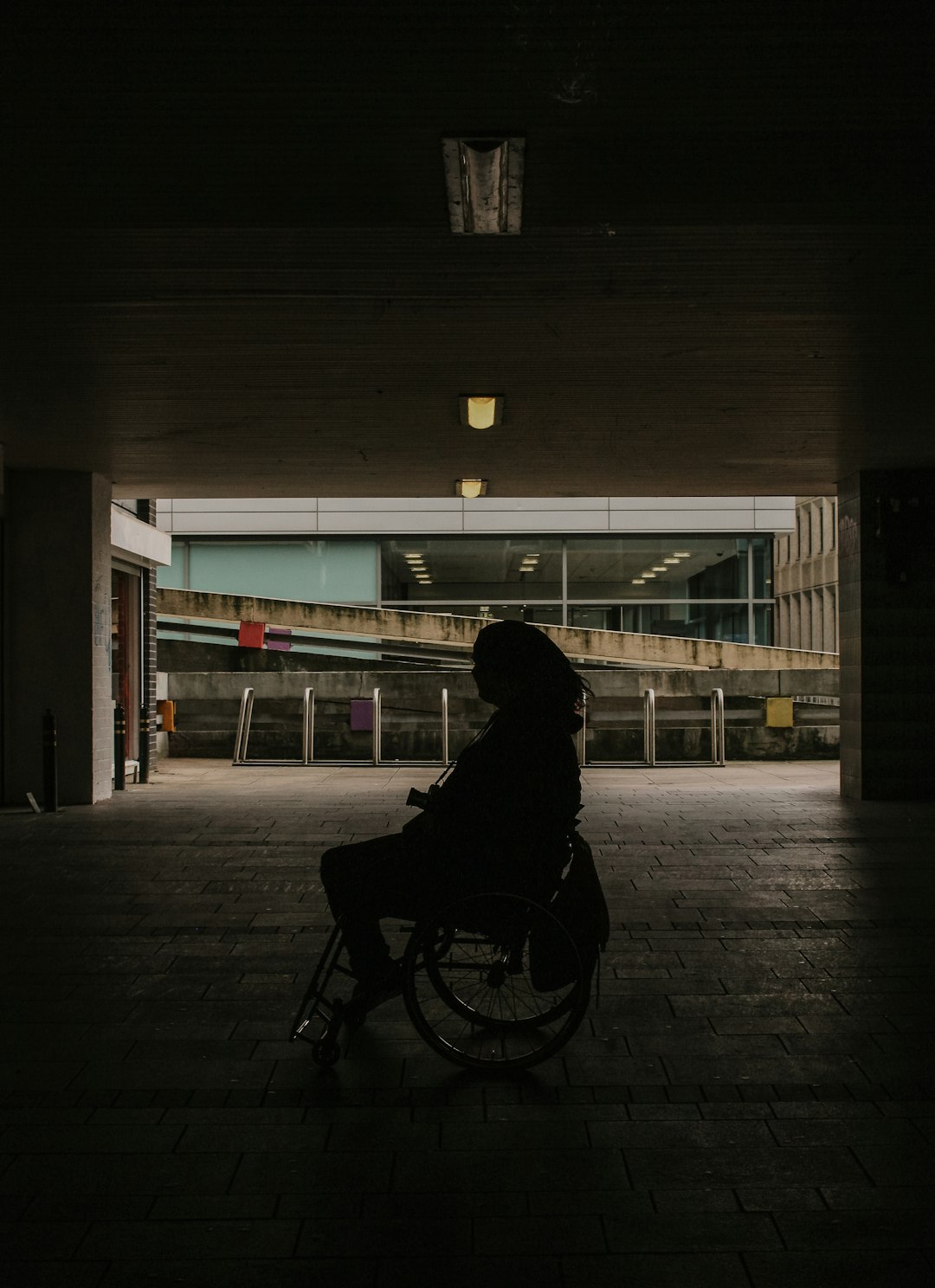
72-Year-Old Wheelchair Explorer's Global Adventures Revealed
Introduction: The Unstoppable Spirit of Adventure
Meet Joyce. She is 72 years old. She travels the world alone. She uses a wheelchair. Her story went viral in USA Today. It inspired millions. Joyce proves age and mobility challenges cannot stop adventure. She visited over 30 countries. She explored Europe, Asia, and South America. She did this all by herself. Her journey began after retirement. She wanted to see the world. She refused to let her wheelchair limit her dreams.
Joyce represents a growing trend. More seniors are traveling solo. Many have mobility challenges. They are breaking barriers. They show that accessibility is improving. But there is still work to do. Joyce's story highlights both progress and challenges. It shows the power of determination. It proves that adventure has no age limit. This article will explore her incredible journey. We will share her tips. We will discuss accessibility improvements. We will inspire you to travel regardless of obstacles.
According to the U.S. Census Bureau, over 40 million Americans have disabilities. Many are seniors. Travel can seem daunting. But Joyce's experience shows it is possible. With proper planning and courage, anyone can explore. Her story is not just about travel. It is about living life fully. It is about refusing to be defined by limitations.
Meet Joyce: The Woman Behind the Wheelchair Adventures
Joyce grew up in Ohio. She worked as a teacher for 45 years. She always loved travel. But work and family kept her busy. After retirement, she had more time. She also developed mobility issues. This required her to use a wheelchair. Many people told her to stay home. They said travel would be too difficult. Joyce decided to prove them wrong.
Her First Solo Trip
Joyce's first solo trip was to London. She was nervous but excited. She researched accessibility for months. She found wheelchair-friendly hotels. She located accessible transportation options. The trip was a success. It gave her confidence. She realized she could travel independently. This experience changed her life. It started her global adventures.
Overcoming Initial Fears
Joyce admits she was scared at first. She worried about getting stuck. She feared not finding accessible bathrooms. She concerned about airport procedures. But she prepared thoroughly. She contacted hotels in advance. She spoke with airline staff. She joined online communities for disabled travelers. These steps helped reduce her anxiety.
Global Destinations: Where Joyce Has Explored
Joyce has visited six continents. She shares that some places are more accessible than others. Her favorite destinations include:
- Singapore: Excellent public transportation accessibility
- Amsterdam: Great canal boat accessibility
- Vancouver: Wonderful park accessibility
- Tokyo: Good train station elevators
- Sydney: Beautiful accessible coastal paths
European Adventures
Europe has good accessibility overall. Joyce spent three months traveling through Europe. She used trains and buses. The Eurail system has improved accessibility. Many stations have elevators. Hotels are required to have accessible rooms. Museums often offer wheelchair rentals.
Asian Explorations
Asia presented more challenges. But Joyce found many accessible spots. Japan surprised her with its accessibility. Many temples have ramps. Train stations have staff to assist. Singapore was very wheelchair-friendly. Public transportation was easy to use.
Practical Travel Tips for Wheelchair Users
Joyce shares her hard-earned wisdom. These tips can help any wheelchair user travel confidently.
Planning and Research
Research is the most important step. Start planning months in advance. Contact hotels directly. Ask specific questions about accessibility. Check bathroom dimensions. Inquire about step-free access. Look for recent reviews from other wheelchair users.
Packing Smart
Pack light but prepared. Bring essential medical supplies. Include extra wheelchair parts. Pack a small repair kit. Bring documentation of medical needs. Include emergency contact information. Consider portable ramps if needed.
Transportation Tips
Notify airlines about wheelchair needs. Arrive early for flights. Research ground transportation at your destination. Many cities offer accessible taxis. Some have wheelchair-uber services. Always have backup transportation plans.
Accessibility Improvements Around the World
The world is becoming more accessible. But progress varies by region. United Nations data shows improvements. Many countries now have accessibility laws. The Americans with Disabilities Act inspired global changes.
Transportation Advances
Air travel has improved significantly. Airlines must accommodate wheelchair users. Many airports have better facilities. Accessible bathrooms are more common. Assistance services are more reliable.
Accommodation Upgrades
Hotels are adding more accessible rooms. Many chains guarantee accessible options. Cruise ships have improved accessibility. Some offer fully accessible cabins with roll-in showers.
Statistics: Disability and Travel Trends
The travel industry is recognizing disabled travelers. Recent data shows important trends:
- 26 million Americans with disabilities traveled in 2023 (Travel Pulse)
- Accessible tourism market worth $58 billion globally
- 75% of wheelchair users report travel barriers
- 62% would travel more if accessibility improved
- Senior travel growing 15% annually
Step-by-Step Guide to Planning Accessible Travel
Follow these steps for successful accessible travel:
- Choose your destination: Research accessibility thoroughly
- Book accessible accommodation: Confirm details in writing
- Arrange transportation: Plan airport to hotel transfers
- Plan activities: Find accessible attractions and tours
- Prepare documents: Have medical information ready
- Pack essentials: Include medications and supplies
- Create emergency plan: Know local emergency numbers
Real Examples: Joyce's Most Memorable Trips
Joyce shares her most unforgettable experiences. These stories show what is possible.
Safari in South Africa
Joyce went on an African safari. She found a company with accessible vehicles. She saw lions, elephants, and giraffes. The experience was life-changing. She proved that even remote adventures are possible.
Northern Lights in Norway
She traveled to Norway to see the Aurora Borealis. She found accessible cabins. She used special wheelchair-friendly snow vehicles. The natural spectacle amazed her. It showed that cold climates can be accessible.
FAQ: Common Questions About Wheelchair Travel
How do you handle airplane transfers?
Airlines provide aisle chairs. These are narrow wheelchairs for plane aisles. Staff assist with transfers. Always arrive early. Confirm assistance when booking.
What about bathroom accessibility?
Research bathroom facilities in advance. Many attractions have accessible restrooms. Some countries have public accessible toilets. Always have a backup plan.
How do you find accessible hotels?
Use hotel websites with accessibility filters. Call directly to confirm details. Ask about step-free access and bathroom layout. Read reviews from other wheelchair users.
What about medication and medical needs?
Carry medications in original containers. Bring doctor's notes for syringes or liquids. Research local medical facilities. Have travel insurance that covers pre-existing conditions.
How do you handle language barriers?
Learn key phrases in the local language. Use translation apps. Carry a card explaining your needs in the local language. Many tourist areas have English speakers.
What about power wheelchairs and batteries?
Notify airlines about battery types. Some batteries have special requirements. Bring charging adapters for different countries. Research repair services at your destination.
How do you manage costs?
Accessible travel can cost more. Budget for accessible transportation and hotels. Look for discounts for seniors and disabled travelers. Some attractions offer free entry for assistants.
Conclusion: Your Adventure Awaits
Joyce's story proves that nothing should stop adventure. Age and mobility challenges are not barriers. They are just part of the journey. With proper planning and courage, anyone can travel. The world is becoming more accessible every year. More destinations welcome wheelchair users. Better transportation options exist. Improved accommodations are available.
Start with small trips. Build confidence gradually. Join online communities for support. Learn from other travelers. Remember that most people are helpful. Hotel staff, airline employees, and locals will assist you. The travel industry is learning to serve disabled travelers better.
Joyce continues to plan new adventures. She wants to visit Antarctica next. She believes that life is for living fully. Her message is simple: Do not let fear stop you. Research thoroughly. Plan carefully. Then go explore this beautiful world. Your wheelchair is not a limitation. It is your vehicle to adventure.
Ready to start your journey? Begin with research. Join disability travel forums. Contact travel agents who specialize in accessible travel. Remember Joyce's story. Let it inspire you to create your own adventures. The world awaits your discovery.