
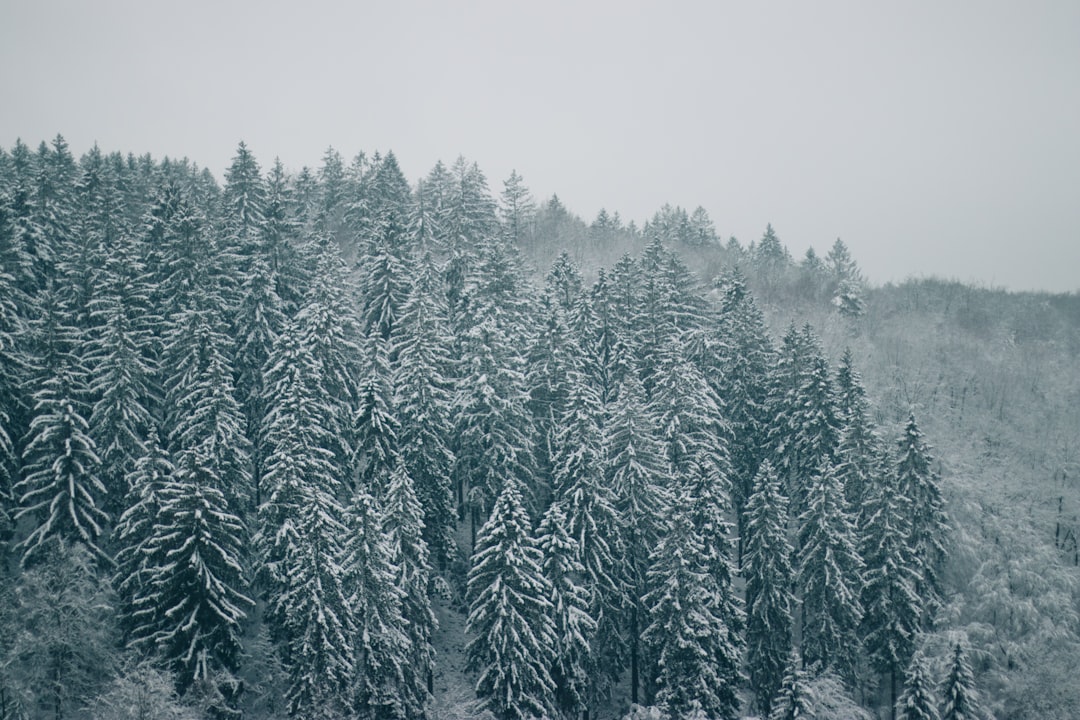
Winter Storm Alert: 6 Inches of Snow Travel Warning
Introduction: Understanding the Winter Weather Threat
A major winter storm is approaching. The National Weather Service has issued alerts. Up to 6 inches of snow is predicted. This weather event will impact travel significantly. Many areas will experience dangerous conditions. Roads may become impassable. Visibility could drop to near zero. Travel delays are almost certain. This storm affects millions of people. Preparation is essential for safety.
Winter storms create multiple hazards. Snow accumulation is just one concern. Icy roads present serious dangers. Cold temperatures threaten health. Power outages can occur. Emergency services may be delayed. Understanding these risks helps you prepare. This guide provides complete information. You will learn how to stay safe. We cover everything from car preparation to home safety. Follow these tips to protect yourself and your family.
The storm's timing is crucial. It will hit during peak travel hours. Many people will be on the roads. This increases accident risks. Schools and businesses may close. Flights could be canceled or delayed. Public transportation might be affected. Knowing what to expect helps you plan. Stay informed about weather updates. Check local news regularly. Have backup plans for important activities. Your safety depends on good preparation.
What This Winter Storm Means for Travelers
This winter storm brings specific travel challenges. The 6-inch snow prediction is significant. It represents moderate to heavy snowfall. Such accumulation happens quickly. Roads become slippery within hours. Driving conditions deteriorate rapidly. The National Weather Service categorizes this as hazardous. Travel is not recommended during the storm's peak.
Road Conditions and Vehicle Safety
Snow-covered roads are extremely dangerous. They reduce tire traction dramatically. Stopping distances increase significantly. A car needs 4-10 times more distance to stop on snow. Black ice forms on bridges and overpasses. This invisible hazard causes many accidents. According to the Federal Highway Administration, over 1,300 people die yearly in winter road accidents.
Your vehicle needs special preparation. Check your tires for proper tread depth. Ensure your battery is in good condition. Keep your gas tank at least half full. This prevents fuel line freezing. Pack essential supplies in your car. Include blankets, food, and a flashlight. These items could save your life if stranded.
Air Travel Disruptions
Airports face major challenges during snowstorms. De-icing aircraft takes extra time. Runways require constant plowing. Visibility issues cause delays. The Federal Aviation Administration reports that winter weather causes 20% of all flight delays. Many airlines issue travel waivers during storms. These allow passengers to rebook without fees.
If you have flight plans, check airline websites regularly. Consider rescheduling if possible. Arrive at the airport early. Expect longer security lines. Pack patience and essential medications in your carry-on. Flight cancellations can strand passengers for days.
Essential Winter Car Emergency Kit
Every vehicle needs a winter emergency kit. This is crucial for survival if stranded. Your kit should contain specific items. These supplies can make the difference between safety and danger.
- Warm clothing and blankets: Pack extra coats, hats, and gloves. Include thermal blankets for each passenger.
- Non-perishable food: Energy bars, nuts, and dried fruit provide necessary calories.
- Water: Store several bottles of water. People need about one gallon per day.
- First aid kit: Include bandages, pain relievers, and any necessary medications.
- Flashlight and extra batteries: Power outages are common during storms.
- Portable phone charger: Keep your communication devices powered.
- Ice scraper and snow brush: Essential for clearing windows and mirrors.
- Jumper cables: Cold weather drains car batteries quickly.
- Sand or cat litter: Provides traction if stuck in snow.
- Basic tools: Include a multi-tool and duct tape for repairs.
The Ready.gov website recommends checking your kit regularly. Replace expired food and water. Update medications as needed. Keep the kit easily accessible. Don't bury it under other items. Every family member should know its location.
Home Preparation for Winter Storms
Your home needs protection from winter weather. Proper preparation prevents damage. It also ensures comfort during power outages. Start by inspecting your heating system. Change furnace filters if needed. Consider a professional inspection. The American Red Cross recommends these steps for home safety.
Preventing Frozen Pipes
Frozen pipes can cause extensive damage. Water expands when it freezes. This can crack pipes and cause flooding. Insulate pipes in unheated areas. Let faucets drip during extreme cold. This keeps water moving and prevents freezing. Know how to shut off your main water valve. This knowledge can prevent major water damage.
Emergency Power and Heat
Power outages often accompany winter storms. Have alternative heating sources ready. Never use generators indoors. Carbon monoxide poisoning is a serious risk. Keep portable heaters away from flammable materials. Stock extra blankets and warm clothing. Consider purchasing a battery-powered radio. This keeps you informed during outages.
Stock essential supplies for at least three days. Include food that requires no cooking. Have a manual can opener available. Don't forget pet supplies if you have animals. Keep important documents in a waterproof container. Include insurance papers and medical information.
Driving Safety in Winter Conditions
Driving in snow requires special skills. The American Automobile Association provides excellent guidelines. First, clean all snow and ice from your vehicle. This includes windows, lights, and roof. Snow on the roof can slide onto the windshield while driving. This creates sudden visibility problems.
Proper Driving Techniques
Accelerate and brake slowly. Sudden movements cause skidding. Increase following distance significantly. Allow 8-10 seconds between vehicles. This gives more time to react. Use gentle steering inputs. Avoid sudden lane changes. If you start to skid, steer gently in the direction you want to go. Don't slam on the brakes.
Bridges and overpasses freeze first. Approach them with extra caution. Ramps and intersections are also particularly dangerous. Watch for black ice in shaded areas. It's often invisible until you're on it. If possible, drive in the tracks of other vehicles. This provides better traction.
What to Do If Stranded
Stay with your vehicle if stranded. It provides shelter and makes you easier to find. Run the engine for heat only periodically. Make sure the exhaust pipe is clear of snow. Carbon monoxide can enter the vehicle if blocked. Turn on your hazard lights. Use brightly colored cloth to signal for help. The National Highway Traffic Safety Administration provides detailed stranded vehicle protocols.
Health and Safety During Winter Storms
Cold weather poses serious health risks. Frostbite can occur in minutes. Hypothermia develops gradually. Recognize the warning signs of both conditions. Frostbite causes numbness and discolored skin. Hypothermia symptoms include confusion and slurred speech. The Centers for Disease Control offers comprehensive cold weather health guidance.
Protecting Vulnerable Populations
Elderly people and children need extra protection. Their bodies lose heat faster. Check on elderly neighbors regularly. Ensure they have adequate heat and supplies. Dress children in layers. Watch for signs of discomfort. People with medical conditions require special attention. Ensure they have necessary medications. Keep emergency contact numbers readily available.
Snow Shoveling Safety
Snow removal is physically demanding. It increases heart attack risk. Warm up before shoveling. Use proper technique to avoid back injury. Lift with your legs, not your back. Take frequent breaks. Stay hydrated. Consider using a snow blower for large areas. Never attempt to clear heavy, wet snow if you have heart conditions.
Frequently Asked Questions About Winter Travel
How long does it take for roads to become dangerous during snowfall?
Roads can become dangerous within 30 minutes of snowfall beginning. As snow accumulates, traction decreases rapidly. Bridges and overpasses become slick first. Always reduce speed when snow starts falling.
What's the safest way to brake on icy roads?
Use gentle, steady pressure on the brake pedal. If your vehicle has anti-lock brakes, apply firm pressure. The system will pump automatically. For non-ABS vehicles, pump brakes gently to avoid locking wheels.
How much extra following distance should I leave?
Increase your following distance to 8-10 seconds. Normal conditions require 3-4 seconds. The extra space gives more time to stop or avoid hazards. This is one of the most important winter driving adjustments.
When should I cancel travel plans?
Cancel non-essential travel when winter storm warnings are issued. If authorities advise against travel, heed their warnings. Consider canceling if you lack proper equipment or experience. Your safety is more important than any appointment.
What temperature is dangerous for frostbite?
Frostbite can occur in 30 minutes at 0°F (-18°C) with light wind. With stronger winds, it happens much faster. At -20°F (-29°C), frostbite can occur in 10 minutes. Always protect exposed skin in cold weather.
How can I prepare my home for possible power outages?
Stock emergency supplies including flashlights, batteries, and non-perishable food. Have alternative heating sources that are safe for indoor use. Keep mobile devices charged. Know how to manually open your garage door.
What should I do if I get stranded in my car?
Stay with your vehicle. Run the engine briefly for heat every hour. Make sure the exhaust pipe is clear. Use hazard lights and place markers for visibility. Call for help and provide your exact location.
Real Examples: Winter Storm Impacts
Recent winter storms show what can happen. In January 2023, a major storm paralyzed the Midwest. Thousands of travelers were stranded. The National Weather Service recorded numerous accidents. Many involved multiple vehicles. Emergency services were overwhelmed. These events demonstrate why preparation matters.
Another example comes from February 2022. A surprise snowstorm hit the Northeast during evening rush hour. Hundreds of motorists abandoned their vehicles. Some people spent the night in their cars. Rescue operations continued for two days. Proper preparation could have prevented many difficulties.
These real incidents teach valuable lessons. First, weather forecasts can change rapidly. Second, even small amounts of snow cause big problems during busy times. Third, having emergency supplies makes difficult situations manageable. Learning from others' experiences helps you avoid similar problems.
Winter Weather Statistics and Data
Understanding winter weather statistics helps put risks in perspective. The National Severe Storms Laboratory provides important data. Winter storms cause an average of $2.5 billion in damage annually. They result in approximately 100 fatalities each year.
- Over 70% of winter storm deaths occur in automobiles
- 25% occur from exposure to cold
- The remainder result from various storm-related accidents
- Approximately 30% of businesses report weather-related disruptions annually
- Winter weather contributes to 20% of all flight delays
- Snow removal costs U.S. cities over $2 billion yearly
These numbers highlight the importance of preparation. They show where the greatest risks lie. Understanding statistics helps prioritize safety measures. Vehicle safety deserves particular attention given the high percentage of car-related fatalities.
Step-by-Step Winter Storm Preparation Guide
Step 1: Monitor Weather Forecasts
Check reliable weather sources daily during winter. The National Weather Service provides the most accurate information. Sign up for emergency alerts on your phone. Understand the difference between watches and warnings. A watch means conditions are possible. A warning means they are occurring or imminent.
Step 2: Prepare Your Vehicle
Complete vehicle maintenance before winter begins. Check tires, brakes, and battery. Install winter wiper blades. Fill windshield washer fluid with winter formula. Pack your emergency kit as described earlier. Practice winter driving in empty parking lots if inexperienced.
Step 3: Secure Your Home
Inspect your heating system. Clean gutters to prevent ice dams. Seal drafts around windows and doors. Install weather stripping if needed. Test smoke and carbon monoxide detectors. Have chimney cleaned if you use a fireplace.
Step 4: Gather Supplies
Stock at least three days of food and water. Include medications and pet supplies. Have alternative light sources ready. Keep important documents accessible. Prepare for possible power outages. Charge all electronic devices.
Step 5: Create Communication Plans
Establish family meeting places. Designate out-of-town contacts. Share travel plans with family members. Keep phone numbers written down, not just in devices. Know emergency numbers for your area.
Step 6: Final Preparations
When storms are forecast, complete final tasks. Fill vehicle gas tanks. Withdraw some cash in case power affects ATMs. Charge all electronic devices fully. Move animals and vulnerable plants indoors. Review your plans with family members.
Conclusion: Staying Safe During Winter Storms
Winter storms present serious challenges. The predicted 6 inches of snow requires careful preparation. Understanding the risks is the first step. Proper planning reduces dangers significantly. Your safety depends on good decisions before and during the storm.
Remember the key points from this guide. Prepare your vehicle with an emergency kit. Secure your home against cold and potential power outages. Learn safe winter driving techniques. Protect your health from extreme cold. Have communication plans ready. These steps will help you weather any winter storm safely.
The most important rule is simple: don't take unnecessary risks. If authorities advise against travel, stay home. If you must travel, prepare thoroughly. Your safety and the safety of your family come first. Winter storms are manageable with proper preparation. Use this information to stay safe during the coming weather event.
Stay informed through reliable weather sources. The National Weather Service provides constant updates. Local emergency management offices offer specific guidance for your area. Follow their recommendations carefully. With good preparation and common sense, you can handle any winter weather situation safely.