
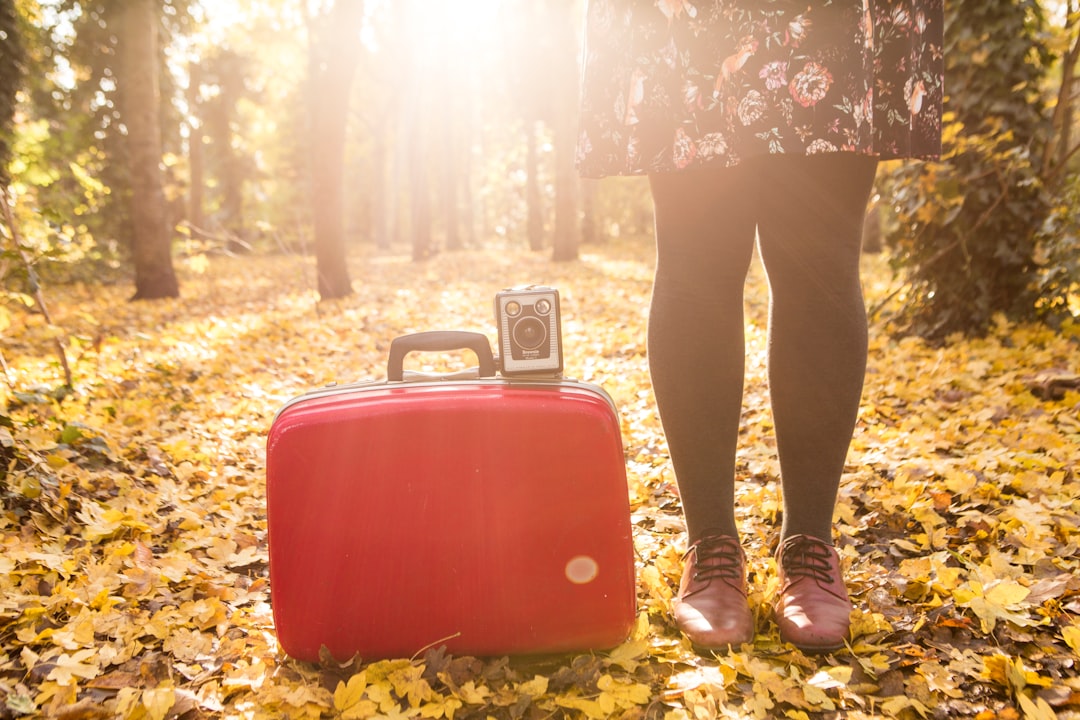
Vacations: Ultimate Guide to Planning, Budgeting & Unforgettable Trips
Everyone needs a break. Vacations are more than just time off work. They are essential for our health and happiness. A good vacation can reduce stress. It can improve your mood. It can even make you more productive when you return. But planning the perfect vacation can feel overwhelming. Where should you go? How much should you spend? What if something goes wrong?
This guide will answer all your questions. We will cover everything from choosing a destination to packing your bags. You will learn how to set a realistic budget. You will discover different types of vacations. We will share tips for families, solo travelers, and couples. Our goal is simple. We want to help you plan a trip that creates wonderful memories. Let's begin this journey together.
Why Vacations Are Essential for Your Well-being
Vacations are not a luxury. They are a necessity for a balanced life. Science supports this. Taking regular breaks from work has real benefits.
The Science Behind Taking a Break
Your brain needs rest. Constant work leads to burnout. Burnout causes exhaustion and reduces performance. A vacation gives your mind a chance to reset. Studies show that vacations can lower stress hormones like cortisol. The American Psychological Association notes that time off helps manage stress. It also improves your physical health. People who take vacations have a lower risk of heart disease.
Vacations also boost creativity. New experiences stimulate your brain. You see different places and meet new people. This can spark new ideas. When you return to work, you often think more clearly. You solve problems better. Your productivity increases. So, a vacation is an investment in yourself and your career.
Mental Health Benefits You Can't Ignore
Travel reduces anxiety and depression. A change of scenery breaks negative thought patterns. Being in nature is especially healing. A beach or a forest can calm your mind. Vacations also improve sleep. Without work alarms, you can follow your natural rhythm. Good sleep is crucial for mental health.
Vacations strengthen relationships. Spending quality time with family or friends builds stronger bonds. Shared adventures create lasting memories. These positive experiences improve your overall happiness. The National Institutes of Health has research on travel and well-being. It confirms these positive effects.
Step-by-Step: How to Plan Your Perfect Vacation
Planning a vacation can be fun. Follow these steps for a smooth process.
Step 1: Define Your Travel Goals
First, ask yourself what you want from this trip. Do you need relaxation? Do you want adventure? Are you seeking culture or history? Your goal will guide all other decisions. Write down your top three priorities. For example: 1. Relax on a beach. 2. Eat local food. 3. Read two books.
Step 2: Set a Realistic Budget
Your budget is the most important step. Be honest about what you can spend. A good budget includes:
- Transportation: Flights, trains, car rental, gas.
- Accommodation: Hotel, Airbnb, hostel.
- Food & Drink: Meals, snacks, coffee, alcohol.
- Activities: Tours, museum tickets, entrance fees.
- Shopping & Souvenirs: Gifts for yourself and others.
- Emergency Fund: Extra money for unexpected costs.
Use a budgeting app or a simple spreadsheet. Track every expense. Look for areas to save. Maybe you can cook some meals instead of eating out.
Step 3: Choose Your Destination and Duration
Match your destination to your goals and budget. A beach vacation in Thailand may cost less than one in Hawaii. Consider the time of year. Traveling in the off-season is cheaper. Websites like Skyscanner have "Everywhere" search. It shows the cheapest flights from your airport.
How long should your trip be? A long weekend can be refreshing. A two-week trip allows for deeper exploration. Be realistic about travel time. Don't spend half your vacation on airplanes.
Step 4: Book Flights and Accommodation
Book flights early for the best prices. Tuesday afternoons are often a good time to check. Use incognito mode in your browser. This stops prices from rising based on your searches. For accommodation, read recent reviews. Look at photos from other travelers. Consider location. A cheaper hotel far from the city center may cost more in taxi fares.
Step 5: Plan Your Activities and Create an Itinerary
Research things to do at your destination. Make a list of must-see attractions. Then, build a flexible daily schedule. Don't pack every hour. Leave time for spontaneity. Book popular tours or restaurants in advance. This guarantees you a spot.
Different Types of Vacations for Every Personality
Not all vacations are the same. Choose a style that fits you.
Relaxation & Wellness Getaways
These trips focus on rest and rejuvenation. Think spa resorts, yoga retreats, or quiet beach towns. The goal is to slow down. You might get massages, meditate, or simply sleep. These are perfect for people with stressful jobs. Destinations include Bali, Costa Rica, or the Greek islands.
Adventure & Active Vacations
If you love movement, try an adventure vacation. This includes hiking, cycling, skiing, or scuba diving. You explore nature and challenge your body. Companies like Intrepid Travel offer group adventure tours. You can hike mountains in Nepal or kayak in Norway.
Cultural & City Breaks
Immerse yourself in art, history, and food. Visit museums, ancient ruins, and local markets. Try cooking classes. Attend a traditional music show. Cities like Rome, Kyoto, and Mexico City are perfect for this. You learn about different ways of life.
Family-Friendly Vacations
Traveling with kids requires special planning. Look for destinations with activities for all ages. Theme parks, kid-friendly museums, and beaches with calm water are great. All-inclusive resorts can simplify meals and entertainment. The key is flexibility and patience.
Solo Travel Adventures
Traveling alone is empowering. You set your own schedule. You meet new people more easily. Choose safe, welcoming destinations. Hostels are good for meeting fellow travelers. Always share your itinerary with someone back home. Popular solo destinations include Iceland, New Zealand, and Portugal.
Smart Budgeting: How to Save Money on Your Next Trip
You don't need to be rich to travel well. Smart planning saves money.
Travel During the Shoulder Season
The shoulder season is between peak and off-peak. The weather is still good. But crowds are smaller. Prices for flights and hotels drop. For Europe, this is April-May and September-October. For the Caribbean, it's late spring and early fall.
Use Flight Comparison Tools and Alerts
Never book the first flight you see. Use tools like Google Flights or Kayak. Set up price alerts. They will email you when prices change. Be flexible with your dates. Flying on a Wednesday is often cheaper than Friday.
Consider Alternative Accommodation
Hotels are not your only option.
- Vacation Rentals (Airbnb/Vrbo): Good for groups or longer stays. You can cook meals.
- Hostels: Not just for young people. Many have private rooms.
- House Sitting: Websites connect you with homeowners. You stay for free in exchange for caring for their home or pets.
- Home Exchange: Swap homes with someone in another country.
Eat Like a Local
Tourist restaurants are expensive. Eat where the locals eat. Visit food markets. Buy groceries for breakfast or lunch. Street food is often delicious and cheap. It's also a cultural experience.
Use Public Transportation
Taxis and ride-shares add up quickly. Learn the local bus, metro, or train system. It's cheaper and you see daily life. Walk as much as you can. It's free and healthy.
Packing Like a Pro: Essentials for Any Vacation
Packing light saves you time, money, and stress.
The Golden Rule: Make a List
Start your list a week before you travel. Write down everything you think you need. Then, cut it in half. Most people overpack. Choose versatile clothing. Items that can be mixed and matched. Stick to a simple color scheme.
Carry-On vs. Checked Bag
If possible, take only a carry-on bag. You avoid baggage fees. You don't risk lost luggage. You can move faster. Use packing cubes to organize your clothes. They save space.
Essential Items Everyone Forgets
- Portable Power Bank: Keep your phone charged for maps and photos.
- Reusable Water Bottle: Fill it after airport security. Save money and plastic.
- First-Aid Kit: Band-aids, pain relievers, antiseptic wipes, any personal medication.
- Copies of Important Documents: Passport, ID, travel insurance. Keep digital copies in your email.
- Universal Travel Adapter: One adapter works in many countries.
Staying Safe and Healthy While Traveling
Your safety is the top priority. A few precautions make a big difference.
Get Travel Insurance
This is non-negotiable. Travel insurance covers medical emergencies, trip cancellation, and lost luggage. It gives you peace of mind. Read the policy carefully. Know what is covered. Companies like World Nomads offer flexible plans.
Research Local Laws and Customs
What is normal at home may be rude or illegal elsewhere. Learn basic greetings in the local language. Dress appropriately, especially at religious sites. Be aware of common scams in the area. The U.S. Department of State website has country-specific advice.
Health Precautions
Check if you need any vaccinations. Carry a small medical kit. Drink bottled or filtered water if tap water is unsafe. Use sunscreen and insect repellent. Wash your hands often. Don't push yourself too hard. Listen to your body.
Making Memories: How to Truly Enjoy Your Vacation
The goal is to enjoy the moment, not just take photos.
Be Present and Put Your Phone Away
Take photos, but then put the camera down. Spend an hour just watching the sunset. Talk to your travel companions. Notice the smells, sounds, and feelings. These sensory memories last longer than any picture.
Try Something New Every Day
Challenge yourself. Eat a strange fruit. Take a dance lesson. Talk to a stranger. These experiences become your best stories. They push you out of your comfort zone in a good way.
Keep a Travel Journal
Write a few lines each day. What did you see? How did you feel? What made you laugh? You will love reading it years later. It's more personal than social media posts.
Frequently Asked Questions (FAQ) About Vacations
1. How far in advance should I plan a vacation?
For international trips, start planning 6-12 months ahead. This gives time to save money and get good deals. For domestic trips, 3-6 months is usually enough. Last-minute trips can be fun but often cost more.
2. What is the single biggest mistake people make when planning?
They don't set a budget. Or they ignore it. Money stress can ruin a trip. Plan your spending before you go. Track your expenses during the trip.
3. Is travel insurance really worth it?
Yes. One medical emergency abroad can cost tens of thousands of dollars. Insurance also helps if your flight is canceled or your bag is lost. It is a small price for big protection.
4. How can I avoid tourist traps?
Do your research. If a restaurant has menus in 10 languages and a person outside pulling you in, it's likely a trap. Walk a few streets away from the main square. Ask a local for recommendations. A hotel concierge or a shopkeeper can give good advice.
5. What should I do if I lose my passport?
First, don't panic. Report the loss to the local police. Get a copy of the police report. Then, contact your country's embassy or consulate. They will help you get an emergency travel document. This is why having copies of your passport is so important.
6. How do I deal with jet lag?
Adjust your sleep schedule a few days before you fly. On the plane, drink lots of water. Avoid alcohol and caffeine. When you arrive, try to get sunlight during the day. Go to bed at a local time, even if you're not tired. Your body will adjust in a few days.
7. What's the best way to handle money abroad?
Notify your bank you are traveling. Use a credit card with no foreign transaction fees for big purchases. Withdraw local currency from ATMs for small things. Avoid airport currency exchanges; their rates are bad. Always have a small amount of cash as a backup.
Real Vacation Examples and Inspirations
Let's look at three real trip ideas for different budgets.
Example 1: Budget-Friendly Southeast Asia Adventure (2 weeks)
Destination: Thailand and Cambodia.
Budget: $1,500 per person (excluding flights).
Plan: Start in Bangkok. Visit temples and markets. Take a train to Chiang Mai. See elephants at an ethical sanctuary. Fly to Siem Reap, Cambodia. Explore the ancient temples of Angkor Wat. End with a few days on a Thai island like Koh Lanta.
Tips: Stay in guesthouses, eat street food, use local buses.
Example 2: European Cultural Tour (10 days)
Destination: Italy (Rome, Florence, Venice).
Budget: $2,800 per person (excluding flights).
Plan: Three days in Rome for the Colosseum and Vatican. Take a train to Florence for art and food. Finish in Venice for canals and history. Book museum tickets online to skip lines.
Tips: Travel by train between cities. Enjoy long lunches at trattorias.
Example 3: Relaxing All-Inclusive Getaway (1 week)
Destination: Riviera Maya, Mexico.
Budget: $2,000 per person (including flights).
Plan: Book an all-inclusive resort. Your meals, drinks, and some activities are included. Spend your days by the pool or beach. Take one day trip to see Mayan ruins like Tulum.
Tips: Great for total relaxation. No need to think about money daily.
Conclusion: Your Next Adventure Awaits
Planning a vacation is an exciting project. It is a promise to yourself for future joy. Remember the key points. First, know why you are traveling. Is it for rest, adventure, or culture? Second, create a budget and stick to it. Third, choose a destination that fits your goals. Fourth, pack light and pack smart. Fifth, prioritize your safety and health with insurance and research.
The world is full of amazing places. You don't need to see them all at once. Start with one trip. Make it meaningful. The memories you create will stay with you forever. They will become stories you tell for years. So take that first step. Start dreaming. Start planning. Your perfect vacation is out there waiting for you. What are you waiting for? Begin your adventure today. Check out our other guides for more inspiration and tips.