
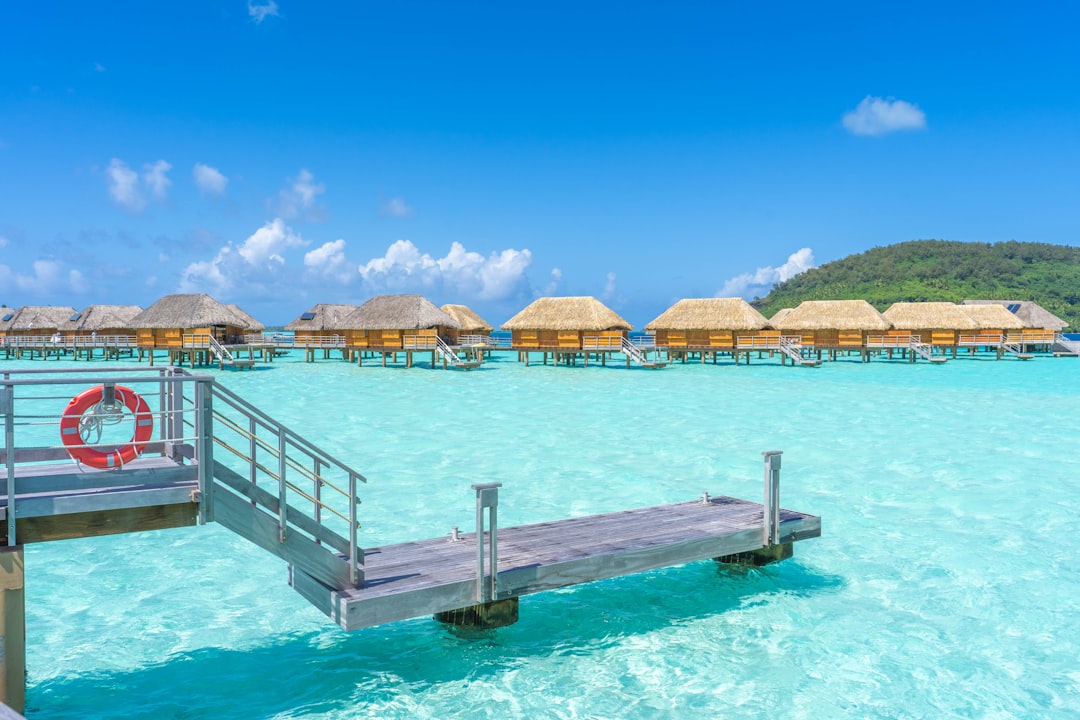
Vacations: Planning Tips & Budget Travel Secrets
Introduction: Why Vacations Matter More Than Ever
Vacations are essential for our well-being. They help us relax and recharge. Many people feel stressed from daily routines. Taking breaks improves mental health. Studies show vacations reduce burnout. They also strengthen family bonds. Vacations create lasting memories. They expose us to new cultures. Travel broadens our perspectives. Unfortunately, many skip vacations. They worry about costs or time. This guide will help you plan better. You will learn budget-friendly tips. We cover all vacation types. From beach getaways to city adventures. Our goal is simple. We want everyone to enjoy vacations. They should not be luxury items. With good planning, anyone can travel. Let's explore how to make vacations work for you.
The Science Behind Vacation Benefits
Vacations offer real health benefits. Research proves this repeatedly.
Mental Health Improvements
Time away reduces stress significantly. The American Psychological Association confirms this. Vacationers report better moods. They sleep better upon returning. Creativity often increases after breaks. New environments spark fresh ideas.
Physical Health Benefits
Vacations lower heart disease risk. The Framingham Heart Study found this. People who vacation regularly live longer. They have lower blood pressure. Physical activity during travel helps too. Walking tours count as exercise.
Relationship Strengthening
Shared experiences build connections. Families that travel together communicate better. Couples renew their bonds. Friends create inside jokes. These social benefits last beyond the trip.
Types of Vacations for Every Traveler
Different people enjoy different vacations. Here are popular categories.
Beach Vacations
Beach trips are classic for relaxation. Warm sand and ocean sounds soothe. Popular destinations include Florida and Thailand. All-inclusive resorts simplify planning. You pay one price for everything.
City Breaks
Urban vacations offer culture and excitement. Museums, restaurants, and shopping abound. New York and Paris are top choices. City passes often save money. They bundle attractions at discount rates.
Adventure Travel
Thrill-seekers love adventure vacations. Hiking, skiing, or scuba diving fit here. Costa Rica offers zip-lining through forests. New Zealand has bungee jumping. Always check safety records first.
Road Trips
Road trips provide freedom and flexibility. You control the schedule completely. Route 66 is iconic in America. The Great Ocean Road charms in Australia. Podcasts and playlists make drives enjoyable.
Cruise Vacations
Cruises bundle travel and accommodation. They visit multiple destinations easily. Caribbean cruises are very popular. River cruises explore inland cities. New cruisers should start with shorter trips.
Staycations
Staycations mean vacationing near home. They save money on transportation. You discover local attractions anew. Treat yourself to hotel nights locally. Turn off work emails completely.
Step-by-Step Vacation Planning Guide
Good planning makes vacations successful. Follow these steps carefully.
Step 1: Set Your Budget
Determine how much you can spend. Include all expected costs. Transportation, accommodation, food, activities. Add 10% for unexpected expenses. NerdWallet's vacation budget guide offers helpful templates.
Step 2: Choose Your Destination
Match destinations to your interests and budget. Consider travel time and season. Shoulder seasons often offer better deals. Lonely Planet provides excellent destination inspiration.
Step 3: Book Flights and Accommodation
Compare prices across different platforms. Tuesday afternoons often have cheap flights. Booking.com and Airbnb offer various options. Read reviews before committing.
Step 4: Plan Your Activities
Research must-see attractions. Book popular tours in advance. Leave some time for spontaneity. Balance busy days with relaxed ones.
Step 5: Prepare Travel Documents
Check passport expiration dates. Many countries require six months validity. Apply for visas if needed. Make copies of important documents.
Step 6: Pack Smart
Create packing lists based on activities. Roll clothes to save space. Pack essential medications in carry-on. Leave room for souvenirs.
Budget-Friendly Vacation Strategies
Vacations need not break the bank. These strategies help save money.
Travel During Off-Peak Seasons
Prices drop significantly during shoulder seasons. Europe costs less in spring and fall. Caribbean deals abound in hurricane season. Just check weather patterns first.
Use Price Comparison Tools
Google Flights tracks airfare changes. Hopper predicts best booking times. Skyscanner compares all options. Set alerts for price drops.
Consider Alternative Accommodation
Vacation rentals often cost less than hotels. Hostels offer private rooms too. House sitting exchanges free stays for pet care. TrustedHousesitters is popular worldwide.
Eat Like a Local
Street food and markets save money. They offer authentic experiences too. Avoid tourist trap restaurants. Ask locals for recommendations.
Use Public Transportation
Taxis and rental cars add up quickly. Buses and trains cost much less. They provide cultural immersion too. Many cities offer tourist transit passes.
Practical Vacation Tips for Smooth Travel
These practical tips prevent common problems.
- Notify your bank: Tell them your travel dates. This prevents frozen cards.
- Download offline maps: Google Maps works without data. Download areas before leaving.
- Learn basic phrases: Hello, please, thank you in local language. Locals appreciate the effort.
- Pack a first aid kit: Include bandages, pain relievers, motion sickness pills.
- Share your itinerary: Leave copies with family back home. Check in regularly.
- Get travel insurance: It covers medical emergencies and trip cancellations. World Nomads offers flexible policies.
- Stay hydrated: Air travel dehydrates you. Drink water constantly.
- Keep digital copies: Scan passports and tickets. Email them to yourself.
Vacation Statistics and Trends
The travel industry constantly evolves. These statistics reveal current patterns.
According to U.S. Travel Association, 55% of Americans don't use all vacation days. This leaves 768 million days unused annually. The average vacation costs $1,145 per person. Family vacations average $4,580 total.
Statista reports that 57% of travelers research trips online. 42% book through mobile devices. Sustainable travel interest grew 74% since 2020. 63% want authentic cultural experiences.
The Global Business Travel Association found business travelers take 6.8 trips yearly. 82% extend business trips for leisure. This "bleisure" trend continues growing.
Real Vacation Examples and Success Stories
These real examples inspire practical planning.
Family Beach Vacation: Mexico
The Rodriguez family visited Cancun. They traveled during May shoulder season. Flight prices were 30% cheaper. Their all-inclusive resort included kids' activities. Parents enjoyed spa treatments. Total cost: $3,200 for five days.
Solo Adventure: Southeast Asia
Sarah, a teacher, traveled Thailand alone. She joined group tours for safety. Hostels provided social opportunities. Street food cost $2 per meal. Three weeks totaled $1,800 including flights.
Couples City Break: Paris
Mark and Jessica celebrated their anniversary in Paris. They visited museums on free admission days. Picnics in parks replaced expensive restaurants. A rented apartment felt more authentic than hotels. Four days cost $1,500 total.
Frequently Asked Questions About Vacations
How far in advance should I book vacations?
Book flights 2-3 months early for domestic trips. International flights need 3-4 months advance booking. Last-minute deals exist but risk availability.
What's the best way to save for vacations?
Open a separate savings account. Automate monthly transfers. Cut small expenses like daily coffee. These savings add up quickly toward travel.
How can I avoid tourist traps?
Research beyond top-10 lists. Talk to locals upon arrival. Avoid restaurants with picture menus. Wander away from main squares.
Is travel insurance worth the cost?
Yes, especially for expensive trips. Medical emergencies abroad cost thousands. Trip cancellations lose non-refundable payments. Peace of mind justifies the expense.
What should I do if I lose my passport?
Contact local police first. Then visit your country's embassy. Keep photocopies separately to speed replacement. Always have extra passport photos.
How can I manage jet lag?
Adjust sleep patterns before traveling. Stay hydrated during flight. Upon arrival, follow local time immediately. Sunlight helps reset your body clock.
What's the best payment method abroad?
Credit cards often offer best exchange rates. Notify banks before traveling. Carry some local currency for small purchases. Avoid airport currency exchanges.
Conclusion: Your Perfect Vacation Awaits
Vacations provide invaluable benefits. They improve health and relationships. With proper planning, anyone can afford them. Remember to set realistic budgets. Research destinations thoroughly. Book in advance for best prices. Stay flexible during your travels. Embrace unexpected experiences. They often become best memories. Start planning your next vacation today. Even small trips refresh your perspective. Regular breaks make life more enjoyable. Don't keep postponing happiness. Your dream vacation is closer than you think. Use these tips to make it happen. Safe travels and wonderful adventures await you. The world offers endless possibilities. It's time to explore them.