
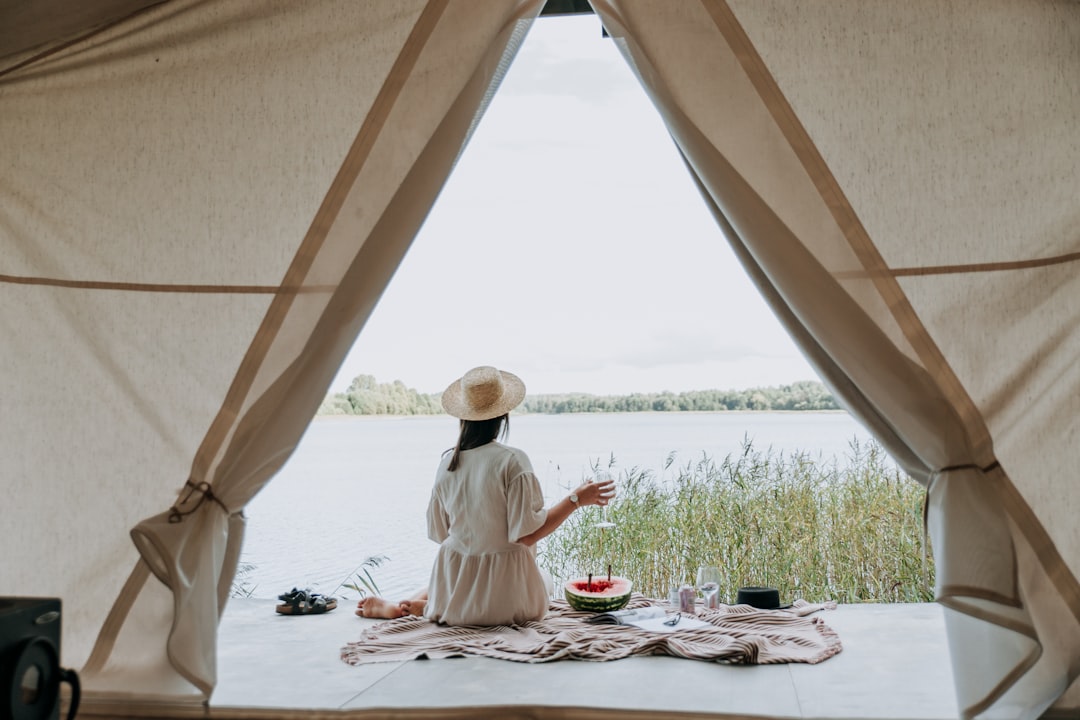
Vacation Rental Success: Ultimate Guide for Hosts & Travelers
Welcome to the complete guide to vacation rentals. This guide will help you understand everything. Whether you want to rent a home for your trip or you want to become a host, this guide is for you. Vacation rentals are homes you can rent for a short time. They are different from hotels. You get more space and privacy. You can cook your own meals. You can live like a local. This guide will explain all the details. We will talk about how to find the perfect rental. We will also talk about how to be a successful host. Let's begin our journey into the world of vacation rentals.
What is a Vacation Rental?
A vacation rental is a furnished property. People rent it for a short period. This can be a house, an apartment, a cabin, or even a castle. You rent it directly from the owner or through a company. Stays are usually for a few days to a few weeks. Sometimes you can stay for months. Vacation rentals are popular for family trips. They are also good for groups of friends. You get a whole home to yourself. This is very different from a hotel room.
Types of Vacation Rentals
There are many types of vacation rentals. Here are the most common ones:
- Entire Homes: You rent the whole house. No one else is there. This gives you total privacy.
- Apartments and Condos: These are in buildings. They are good for city trips. You can be in the center of the action.
- Cabins and Cottages: These are often in the countryside or near lakes. They are cozy and peaceful.
- Villas: These are large, luxurious homes. They often have pools and gardens. They are perfect for special occasions.
- Unique Stays: Some rentals are very special. You can stay in a treehouse, a yurt, or a boat. These create memorable experiences.
The Airbnb platform lists many unique properties. Vrbo is another big site. It focuses on whole homes for families.
Why Choose a Vacation Rental?
Why should you pick a rental home over a hotel? There are many good reasons. First, you get more space. A hotel room is usually just one room. A rental has a living room, bedrooms, and a kitchen. This is great for families. Kids can play. Adults can relax. Second, you can save money on food. You can cook meals in the kitchen. Eating out every day is expensive. Cooking some meals saves a lot of cash.
Third, you get more privacy. You are not sharing hallways with other guests. You have your own entrance. Fourth, you can experience local life. You stay in a real neighborhood. You can shop at local markets. You can live like a resident, not a tourist. Finally, rentals often have special amenities. These can include a private pool, a BBQ grill, or a game room. Hotels rarely offer these things.
Statistics on Vacation Rental Growth
The vacation rental market is growing fast. Here are some important numbers:
- The global market was worth over $87 billion in 2021. Experts think it will reach $113 billion by 2027. (Source: Statista)
- About 45% of U.S. travelers have used a vacation rental. (Source: U.S. Travel Association)
- Families are the biggest users. Over 60% of family travelers prefer rentals over hotels.
- The average daily rate for a rental in the U.S. is about $250. This can change based on location and season.
These numbers show that rentals are very popular. More people are choosing them every year.
How to Find the Perfect Vacation Rental
Finding the right rental takes some work. But it is worth it. Follow these steps to find a great place.
Step 1: Start Your Search Early
Good rentals get booked fast. Especially in popular areas. Start looking at least 3-4 months before your trip. For peak seasons like summer or holidays, start 6 months early. This gives you the best choice.
Step 2: Use the Right Platforms
Use trusted websites to search. Here are the top platforms:
- Airbnb: The biggest platform. It has all types of properties, from rooms to castles.
- Vrbo: Stands for "Vacation Rentals By Owner." It focuses on whole homes. Good for families.
- Booking.com: Known for hotels, but now has many vacation rentals too.
- Direct Rental Websites: Some property managers have their own sites. You can sometimes find better deals here.
Check more than one site. The same property might be listed in different places with different prices.
Step 3: Read Reviews Carefully
Reviews are your best friend. Never book a rental with no reviews. Read many reviews. Look for comments about cleanliness, location, and accuracy. Did the photos match the real place? Was the host helpful? If you see the same problem mentioned many times, believe it. For example, if three reviews say the Wi-Fi is slow, it probably is.
Step 4: Check the Location on a Map
Do not just trust the written location description. Open Google Maps. Look at the exact address. How far is it from the attractions you want to visit? Is it near public transport? Is the neighborhood safe? Look at the street view. This shows you what the area really looks like.
Step 5: Understand All Costs
The nightly rate is not the final price. There are often extra fees. These can include:
- Cleaning fee
- Service fee (charged by the platform)
- Local taxes
- Security deposit
- Pet fee (if you bring an animal)
Add all these costs before you book. The total price might be much higher than the nightly rate.
How to Be a Successful Vacation Rental Host
Now, let's talk about the other side. What if you want to rent out your property? Being a host can be a great way to earn extra money. But it is not easy. You need to be professional. Here is a step-by-step guide.
Step 1: Prepare Your Property
First, get your home ready for guests. It must be clean, safe, and welcoming. Remove all personal items. Guests want a neutral space. Make sure everything works. Check all appliances, lights, and locks. Provide basic supplies. This includes toilet paper, soap, trash bags, and clean towels. Think about what you would want as a guest.
Step 2: Take Excellent Photos
Photos are the most important part of your listing. Use a good camera or hire a professional photographer. Take pictures during the day with lots of natural light. Show every room. Show the bathroom, kitchen, and bedrooms. Take pictures of the outside and the neighborhood. Good photos get more bookings.
Step 3: Write a Clear and Honest Description
Your description should tell guests exactly what to expect. Be honest. Mention the good things and the not-so-good things. For example, if the stairs are steep, say so. If the street can be noisy, mention it. This builds trust. It also prevents bad reviews later. Use your description to highlight what makes your place special. Do you have a great view? A cozy fireplace? A big backyard? Talk about it.
Step 4: Set the Right Price
Pricing is tricky. Look at similar rentals in your area. What are they charging? You can use tools on Airbnb or Vrbo to see suggested prices. Consider your costs. You need to cover mortgage, utilities, cleaning, and supplies. You also want to make a profit. Start with a competitive price. You can adjust it later based on demand.
Step 5: Be a Responsive Host
Communication is key. Answer guest questions quickly. Be available if they have problems during their stay. Many platforms track your response time. A fast response time makes you look reliable. It also helps you get better reviews. Consider using automated messages for common questions. But always be ready to talk to guests personally.
For more detailed hosting advice, visit the Airbnb Resource Center or the Vrbo Owner Resources page.
Practical Tips for a Great Vacation Rental Experience
Here are practical tips for both guests and hosts. These tips will make your experience better.
Tips for Guests
- Communicate with Your Host: Ask questions before you book. Tell them about your trip. Good communication starts early.
- Read the House Rules: Every rental has rules. They might be about noise, pets, or parking. Read them carefully. Follow them.
- Pack Smart: Check what is provided. Most rentals have basic kitchen tools and linens. But you might need to bring shampoo or coffee.
- Respect the Property: Treat the home like it is your own. Clean up after yourself. Report any problems immediately.
- Leave a Review: After your stay, write an honest review. This helps future guests and the host.
Tips for Hosts
- Create a Welcome Guide: Make a simple book or digital guide. Include Wi-Fi password, appliance instructions, and local recommendations.
- Invest in Quality Linens: Good sheets and towels make a big difference. Guests notice quality.
- Provide Clear Check-in Instructions: Make it easy for guests to get in. Use a lockbox or smart lock. Send instructions a few days before arrival.
- Hire a Professional Cleaner: Cleanliness is the number one thing guests care about. A professional cleaner is worth the cost.
- Get the Right Insurance: Your normal home insurance might not cover short-term rentals. Talk to your insurance agent. Get proper coverage. Platforms like Airbnb offer some protection, but it may not be enough.
Common Problems and How to Solve Them
Sometimes things go wrong. Here are common problems and solutions.
Problem: The Rental is Not as Advertised
Solution: Contact the host immediately. Explain the issue politely. Use the messaging system on the platform. This creates a record. If the host does not fix the problem, contact the platform's customer service. Take photos as proof. Most platforms have a guarantee or resolution center.
Problem: You Have a Bad Guest (For Hosts)
Solution: Set clear rules from the start. Screen guests by reading their reviews. For problems during the stay, communicate clearly. If there is damage, document it with photos. Use the security deposit process through the platform. In serious cases, you may need to involve local authorities.
Problem: Last-Minute Cancellation
Solution for Guests: Always read the cancellation policy before booking. Some are strict, some are flexible. Consider buying travel insurance. It can cover cancellation costs.
Solution for Hosts: Set a cancellation policy that protects you. Platforms offer different options. A moderate policy is often a good balance.
Vacation Rental FAQ (Frequently Asked Questions)
Here are answers to the most common questions about vacation rentals.
1. Is a vacation rental cheaper than a hotel?
It can be, especially for groups or families. A hotel requires multiple rooms. A rental gives you one price for the whole home. You also save money by cooking meals. But always compare the total cost with all fees.
2. How do I know if a vacation rental is safe?
Use trusted platforms that verify hosts and listings. Read many reviews. Look for reviews that mention safety. You can also ask the host specific safety questions. For example, ask about door locks and neighborhood safety.
3. What should I do if something breaks during my stay?
Tell the host right away. Most hosts want to fix problems quickly. Send a message through the platform. Be polite. Give them a chance to solve it. Do not wait until you leave to mention it.
4. Are vacation rentals good for long-term stays?
Yes, many rentals offer monthly discounts. They are great for remote workers or people relocating. You get all the comforts of home. Always ask about long-stay rates and utility policies.
5. What taxes do I pay as a host?
Tax rules are different in every city and country. You may need to collect and pay occupancy tax, sales tax, or income tax. Research your local laws. Some platforms like Airbnb collect and remit taxes for you in some areas. Check the IRS website for U.S. tax information.
6. Can I have a party in a vacation rental?
Almost always, no. Most rentals have strict no-party rules. These rules protect the property and neighbors. If you want a gathering, ask the host first. Be honest about the number of guests. There may be an extra fee or it may not be allowed.
7. Should I tip my vacation rental host?
No, tipping is not expected. A good review is the best "thank you" for a host. If you had an exceptional experience, a small thank-you note is nice. But cash tips are not standard practice.
Real Examples of Vacation Rental Success
Let's look at two real examples. One from a guest's perspective. One from a host's perspective.
Example 1: The Family Beach Trip
The Smith family wanted a beach vacation. They needed space for two parents and three kids. A hotel would need two rooms. They found a three-bedroom condo near the beach on Vrbo. The total cost for a week was $1,800. This included a cleaning fee. They cooked breakfast and lunch in the condo. They only ate dinner out. They saved hundreds of dollars on food. The kids loved having their own room. The parents loved the balcony with an ocean view. The host left beach toys and chairs for them to use. It was a perfect trip.
Example 2: The Part-Time Host
Maria owns a small cabin in the mountains. She lives in the city. She only uses the cabin a few weeks each year. She decided to list it on Airbnb. She hired a local cleaner and a handyman. She set up a smart lock for easy check-in. In her first year, she rented the cabin for 120 nights. Her average nightly rate was $150. After expenses, she earned over $12,000. This money pays for the cabin's mortgage and upkeep. Now the cabin pays for itself. Maria still gets to use it when she wants.
The Future of Vacation Rentals
The industry is always changing. Here are some trends to watch.
- Sustainability: Guests want eco-friendly rentals. Hosts are adding solar panels, recycling bins, and eco-friendly products.
- Workations: More people work remotely. They want rentals with fast Wi-Fi and a good desk. "Workation" packages are becoming popular.
- Professional Management: Many hosts now hire property managers. These companies handle everything from cleaning to guest communication.
- Regulation: Cities are creating new rules for short-term rentals. Hosts must check local laws and get permits. For the latest on regulations, the U.S. Travel Association provides updates.
Conclusion
Vacation rentals offer a wonderful way to travel or earn income. For travelers, they provide space, value, and a local experience. For hosts, they can turn an unused property into a source of revenue. Success comes from preparation and communication. Guests should research carefully, read reviews, and ask questions. Hosts should prepare their property, take great photos, and be responsive. The market is growing and evolving. By following the tips in this guide, you can have a great vacation rental experience. Whether you are booking a cozy cabin for a weekend or listing your city apartment, the world of vacation rentals is full of opportunity. Start planning your next adventure or hosting journey today.
Remember, the key is to be informed, be respectful, and enjoy the journey. Happy travels and happy hosting!