
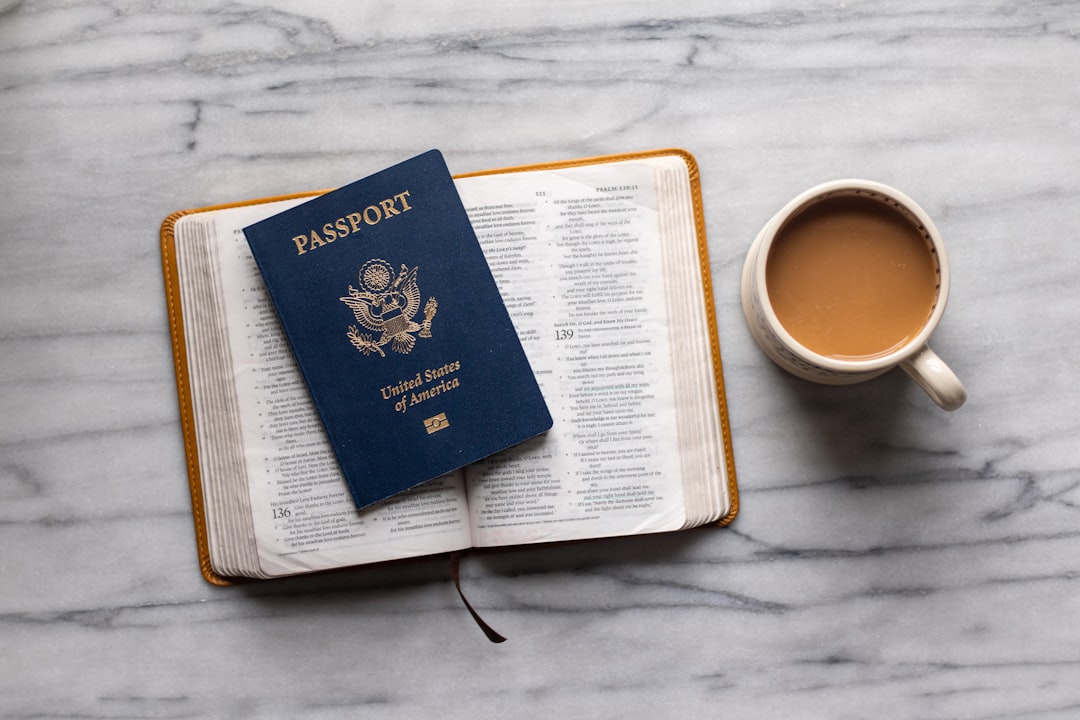
Vacation Planning Secrets: Stress-Free Travel Tips
Introduction: Why Vacations Matter More Than Ever
Vacations are essential for our well-being. They help us relax and recharge. Many people feel stressed about planning trips. This guide will make vacation planning easy. You will learn simple steps to create amazing trips. We cover everything from budgeting to packing. Our tips work for all types of travelers. Whether you love beaches or cities, we have advice for you. Vacations improve mental health and reduce stress. According to the American Psychological Association, taking breaks boosts happiness. Ready to plan your perfect vacation? Let's begin this journey together.
Traveling opens our minds to new cultures. It creates memories that last forever. Family vacations strengthen bonds between loved ones. Solo trips help people discover themselves. Group adventures build friendships. No matter your travel style, proper planning ensures a smooth experience. This comprehensive guide provides everything you need. We include practical tips and real examples. You will learn from experts and research. Let's transform how you think about vacations. Say goodbye to travel stress and hello to adventure.
Choosing Your Perfect Vacation Destination
Picking where to go is the first big decision. Consider your interests and budget. Do you prefer beaches or mountains? Cities or countryside? Your destination sets the tone for your entire trip.
Beach Vacations
Beach vacations are perfect for relaxation. The sound of waves reduces stress. You can swim, sunbathe, or read books. Popular beach destinations include Hawaii, Bali, and the Caribbean. According to a Psychology Today study, beach environments lower anxiety. The color blue has a calming effect. Beach trips work well for families and couples.
Mountain Getaways
Mountain vacations offer fresh air and stunning views. You can hike, ski, or simply enjoy nature. The Alps, Rockies, and Himalayas are famous mountain ranges. Research from Nature Journal shows that time in mountains improves mood. The quiet peace helps mental clarity. Mountain trips suit adventure seekers and nature lovers.
City Breaks
City vacations buzz with energy and culture. You can visit museums, try local food, and shop. New York, Paris, and Tokyo are popular city destinations. A Travel + Leisure survey found that 68% of travelers enjoy city trips. Urban adventures offer convenience and excitement. They work well for short getaways and cultural exploration.
Countryside Retreats
Countryside vacations provide peace and simplicity. You can stay on farms, visit small towns, or explore rural areas. The English countryside and Tuscany are beloved rural destinations. Studies from National Institutes of Health indicate countryside visits lower blood pressure. The slow pace helps people unwind. Country trips are ideal for stress relief and digital detox.
Budgeting Smart for Your Vacation
Creating a budget prevents financial stress. Know how much you can spend before planning. Divide your budget into categories. Include transportation, accommodation, food, and activities.
Transportation Costs
Transportation often takes the biggest part of your budget. Flights, trains, or gas money add up. Book flights early for better prices. Use comparison sites like Skyscanner. Consider traveling during off-peak seasons. Tuesday and Wednesday flights are usually cheaper. According to Airfare Watchdog, booking 6-8 weeks in advance saves money.
Accommodation Expenses
Where you stay affects your budget and experience. Hotels offer comfort but cost more. Hostels are budget-friendly for solo travelers. Vacation rentals work well for families. Websites like Booking.com help compare options. Always read recent reviews before booking. Consider location – central spots might cost more but save transportation time.
Daily Spending Money
Plan for meals, souvenirs, and unexpected costs. Research local prices before your trip. Eating where locals eat often costs less. Set aside emergency funds for surprises. A NerdWallet study shows travelers overspend by 23% without a budget. Use budgeting apps to track expenses. Inform your bank about travel plans to avoid card issues.
Packing Like a Pro: What to Bring
Packing well makes travel easier. Create a packing list based on your destination and activities. Check weather forecasts before packing. Roll clothes to save space and prevent wrinkles.
Essential Documents
Keep important documents safe and accessible. You need:
- Passport (for international travel)
- Driver's license or ID
- Travel insurance information
- Hotel reservations
- Emergency contact numbers
Make digital copies of all documents. Store them in cloud storage like Google Drive. According to U.S. Department of State, losing documents is a top travel problem.
Clothing Choices
Pack versatile clothing that mixes and matches. Choose comfortable shoes for walking. Include layers for changing weather. Remember:
- 7 outfits for a week-long trip
- 1 formal outfit for nice dinners
- Swimwear if relevant
- Rain jacket if needed
Research local customs for appropriate clothing. Some religious sites require covered shoulders and knees.
Toiletries and Medications
Pack travel-sized toiletries to save space. Bring essential medications in original containers. Include:
- Toothbrush and toothpaste
- Shampoo and conditioner
- Sunscreen and insect repellent
- Prescription medicines
- Basic first aid supplies
TSA regulations limit liquid amounts in carry-ons. Check current rules before packing.
Planning Your Vacation Activities
Research activities before your trip. Balance planned events with free time. Over-scheduling causes stress. Leave room for spontaneous adventures.
Must-See Attractions
Identify top attractions at your destination. Book tickets online to skip lines. Popular spots like the Eiffel Tower or Grand Canyon need advance planning. Guidebooks and travel blogs offer good suggestions. Create a rough itinerary but stay flexible.
Local Experiences
Authentic experiences make trips memorable. Try local food at neighborhood restaurants. Visit markets instead of tourist shops. Take public transportation to understand daily life. According to Lonely Planet, 85% of travelers want authentic local experiences.
Free and Low-Cost Options
Not all activities need to cost money. Many cities offer free museum days. Public parks provide beautiful spaces for picnics. Walking tours let you explore at your own pace. Beaches and hiking trails often have no entrance fees.
Staying Healthy and Safe During Travel
Health and safety should be priorities. Simple precautions prevent problems. Stay hydrated and get enough sleep. Wash hands frequently to avoid germs.
Travel Insurance
Travel insurance protects your investment. It covers trip cancellations, medical emergencies, and lost luggage. According to InsureMyTrip, 1 in 6 travelers need medical care while abroad. Read policies carefully to understand coverage.
Food and Water Safety
Be careful with food and water in new places. Drink bottled water in areas with questionable water quality. Eat at busy restaurants with high turnover. Avoid raw foods that might be washed in local water. The CDC provides specific country health recommendations.
Personal Safety Tips
Keep valuables secure in hotel safes. Be aware of your surroundings in crowded areas. Make copies of important documents. Share your itinerary with family back home. Research local emergency numbers at your destination.
Practical Vacation Tips Section
These practical tips will improve any vacation. They come from experienced travelers and experts.
Money-Saving Strategies
Save money without sacrificing fun. Try these tips:
- Travel during shoulder season (between peak and off-peak)
- Use public transportation instead of taxis
- Eat one big meal at restaurants, others from groceries
- Look for free activities and attractions
- Book accommodations with kitchen facilities
Time Management
Make the most of your vacation time:
- Start early to avoid crowds
- Group activities by location to minimize travel time
- Schedule rest periods to avoid burnout
- Be realistic about how much you can do each day
- Build in flexibility for unexpected opportunities
Communication Abroad
Stay connected while traveling:
- Learn basic phrases in the local language
- Download translation apps before you go
- Purchase local SIM cards or international plans
- Use Wi-Fi at hotels and cafes for data-heavy tasks
- Have important addresses written in local language
Frequently Asked Questions About Vacations
How far in advance should I book my vacation?
Book 3-6 months before international trips. For domestic travel, 1-3 months is usually enough. Flight prices often rise closer to travel dates. Early booking gives you more choices for accommodations.
What is the best way to handle money while traveling?
Use a combination of payment methods. Carry some local currency for small purchases. Use credit cards for larger expenses. Notify your bank about travel plans. Have emergency cash separate from your wallet.
How can I avoid jet lag?
Adjust your sleep schedule before traveling. Stay hydrated during the flight. Get sunlight at your destination. Avoid heavy meals and alcohol. Try to adapt to local time immediately upon arrival.
What should I do if I lose my passport?
Contact your country's embassy immediately. File a police report. Have copies of your passport to speed up replacement. Keep passport photos with you for emergency documents.
Is travel insurance worth the cost?
Yes, for most travelers. Insurance covers unexpected medical costs, trip cancellations, and lost luggage. For expensive trips, it provides important financial protection. Read the policy to understand what's covered.
How can I stay connected without high roaming charges?
Use Wi-Fi whenever possible. Purchase local SIM cards at your destination. Consider international plans from your carrier. Download maps and information for offline use.
What are the best apps for vacation planning?
Google Maps for navigation. Google Translate for language help. Booking.com for accommodations. XE Currency for exchange rates. TripIt for organizing travel plans. Weather apps for forecasts.
Real Vacation Examples and Success Stories
Family Beach Vacation in Florida
The Johnson family saved for a Florida beach trip. They booked six months early. They found a vacation rental with kitchen facilities. This saved money on meals. The children enjoyed building sandcastles and swimming. The parents relaxed with books. Everyone returned home feeling refreshed. The advance planning made the trip stress-free.
Solo Backpacking in Europe
Maria took three weeks to backpack through Europe. She used budget airlines between countries. Hostels provided affordable accommodation. She met other travelers from around the world. The trip helped her gain confidence. She learned to navigate foreign cities alone. The experience changed her perspective on life.
Couple's Anniversary Trip to Paris
David and Sarah celebrated their anniversary in Paris. They splurged on a nice hotel. But they balanced costs with free activities. They enjoyed picnics in parks and window shopping. The trip strengthened their relationship. They created beautiful memories together.
Vacation Statistics and Research Findings
Research shows vacations have real benefits. Here are key findings:
- According to the American Psychological Association, vacations reduce stress by 89%
- The Gallup Poll found that planning vacations increases happiness
- NIH research shows vacations improve heart health
- A Travel Weekly survey found 96% of travelers feel happier after vacations
- The Project Time Off study revealed workers who take vacations perform better
- According to Family Travel Association, family vacations create lasting bonds
Step-by-Step Vacation Planning Guide
Step 1: Set Your Vacation Goals
Decide what you want from your trip. Do you need relaxation or adventure? Cultural experiences or nature? Your goals guide all other decisions.
Step 2: Create a Budget
Determine how much you can spend. Include all expected costs. Add 15% for unexpected expenses. Stick to your budget throughout planning.
Step 3: Choose Dates and Destination
Select travel dates that work for you. Consider weather, crowds, and prices at potential destinations. Make sure your passport is valid if traveling internationally.
Step 4: Book Major Elements
Reserve flights and accommodations first. These usually cost the most. Early booking often saves money. Read cancellation policies carefully.
Step 5: Plan Activities
Research things to do at your destination. Book popular attractions in advance. Leave free time for spontaneous exploration.
Step 6: Prepare Documents and Packing
Organize all necessary documents. Create packing lists. Shop for any needed items. Make copies of important papers.
Step 7: Final Preparations
Arrange pet care or house sitting. Set up email auto-replies. Notify your bank about travel. Download useful apps and maps.
Conclusion: Your Perfect Vacation Awaits
Vacations bring joy and renewal. Proper planning makes them stress-free. Use the tips in this guide to create amazing trips. Remember to balance planning with flexibility. Each vacation teaches you something new. You discover new places and learn about yourself. The memories last long after you return home.
Start planning your next vacation today. Think about what makes you happy. Consider your budget and time available. Research destinations that match your interests. Use our step-by-step guide for smooth planning. Remember that vacations are investments in your well-being. They improve health, relationships, and outlook on life. Don't let fear or uncertainty stop you from traveling. The world offers endless opportunities for adventure. Your perfect vacation is waiting to be discovered. Happy travels!