
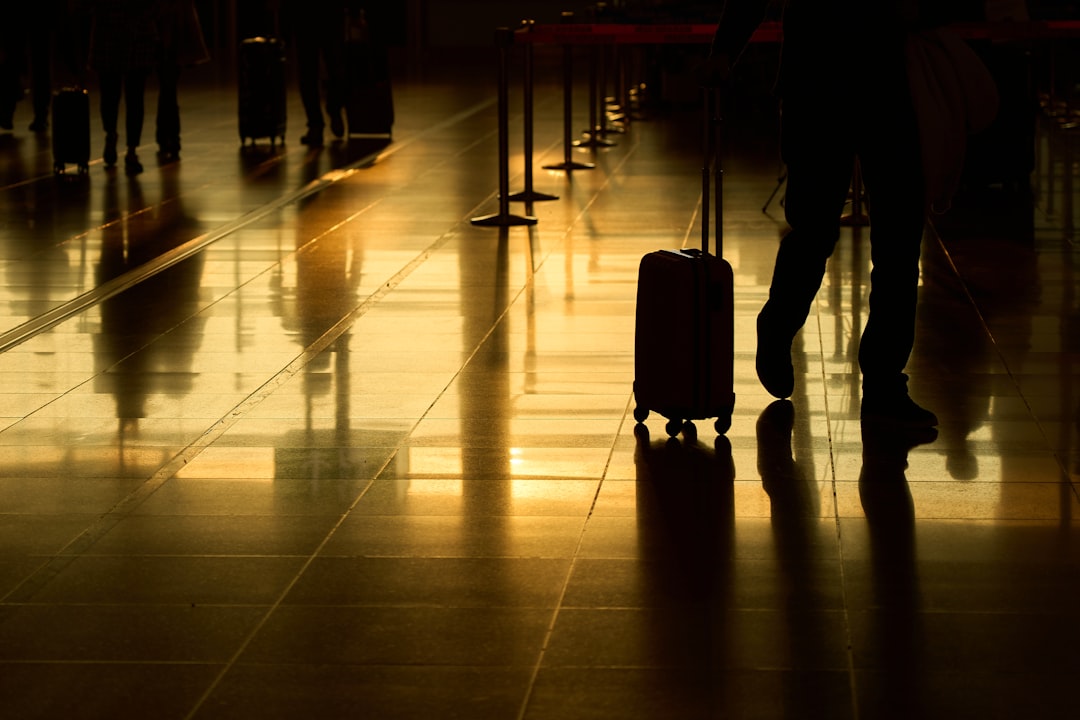
TSA Workers Unpaid: Your Travel Nightmare Explained
Introduction: When Government Shutdowns Hit the Skies
Imagine arriving at the airport for your dream vacation. You have your tickets ready. Your bags are packed. But something is wrong. The security line stretches farther than you can see. It moves slower than a turtle. TSA workers look tired and stressed. What is happening? A government shutdown has left them without pay.
Government shutdowns occur when Congress cannot agree on funding. This stops pay for many federal workers. TSA agents are among those affected. These are the people who keep our airports safe. They check our bags. They screen passengers. They prevent dangerous items from getting on planes.
When TSA workers don't get paid, travel becomes difficult. Long lines form. Flights get delayed. Some airports might even close security checkpoints. This affects business travelers, families, and vacationers. Everyone feels the impact.
This article will explain everything. You will learn how shutdowns affect TSA workers. You will understand the impact on your travel plans. Most importantly, you will get practical tips to survive this situation. Let's begin our journey through this complex issue.
What Exactly is a Government Shutdown?
A government shutdown happens when Congress fails to pass funding bills. These bills pay for government operations. Without them, many agencies must stop non-essential services. This includes paying some workers.
The Basics of Federal Funding
The U.S. government operates on a budget. Congress must approve this budget each year. Sometimes, lawmakers disagree. They might argue about spending levels or policy issues. When they cannot agree, funding stops.
There are two types of government workers during shutdowns. Essential workers must continue working without pay. Non-essential workers get sent home. TSA agents are considered essential. They must work through shutdowns. But they don't receive paychecks until funding resumes.
Recent History of Shutdowns
The United States has experienced several shutdowns. The longest occurred in 2018-2019. It lasted 35 days. During this time, about 420,000 essential workers worked without pay. Another 380,000 were furloughed.
TSA employees were among those affected. CNN reported that many called in sick. They needed to find other work to pay bills. This created security delays at major airports. Some checkpoints closed entirely.
How TSA Workers Are Affected By Shutdowns
TSA workers face unique challenges during shutdowns. They have difficult jobs even in normal times. Working without pay makes everything harder.
Financial Stress and Morale
Most TSA workers live paycheck to paycheck. The average TSA officer earns about $35,000 per year. Many work second jobs to make ends meet. Missing even one paycheck causes serious problems.
During the 2019 shutdown, many TSA workers shared their stories. Some couldn't pay rent. Others struggled to buy groceries. The stress affected their work performance. Morale dropped significantly.
Workplace Challenges
TSA workers must remain focused at all times. Their job requires constant attention. They look for dangerous items in luggage. They monitor security screens. They interact with thousands of travelers daily.
Financial stress makes this difficult. Tired workers make more mistakes. Stressed employees provide poorer customer service. This creates safety risks and passenger frustration.
The Direct Impact on Air Travelers
When TSA workers struggle, travelers feel the consequences. Airports become chaotic places. Here's what you might experience during a shutdown.
Longer Security Lines
This is the most visible effect. TSA checkpoints need full staffing to operate smoothly. When workers call in sick or quit, lines grow longer. During the 2019 shutdown, some airports reported wait times over two hours.
Miami International Airport had to close a terminal. Baltimore/Washington Airport consolidated checkpoints. Travelers missed flights despite arriving hours early. The situation became so bad that some airports offered food and water to waiting passengers.
Increased Security Risks
This is the most concerning impact. Tired, stressed workers might miss security threats. The Department of Homeland Security acknowledged this risk during the last shutdown. They noted that absenteeism was affecting operations.
While no major security incidents occurred, the risk was real. Security experts warned that the system was vulnerable. Even small mistakes can have serious consequences in airport security.
Flight Delays and Cancellations
Long security lines cause ripple effects. Planes can't depart if passengers are still in security. This creates delays throughout the system. During peak shutdown periods, hundreds of flights experienced delays.
Some airlines waived change fees for affected passengers. But many travelers still incurred costs. They missed connections. They paid for extra hotel nights. They lost valuable vacation time.
Real Examples From Past Shutdowns
Let's look at specific incidents from previous government shutdowns. These examples show what could happen again.
LaGuardia Airport Closure Threat
In January 2019, LaGuardia Airport in New York nearly closed. Security wait times reached three hours. Many TSA officers called in sick. The airport authority considered shutting down entirely.
This would have stranded thousands of passengers. It would have cost airlines millions of dollars. Last-minute action prevented the closure. But the threat was real. The New York Times reported that officials were hours from making the decision.
Miami Terminal Closure
Miami International Airport actually did close a terminal. They moved all operations to other checkpoints. This created massive congestion. Travelers reported waiting four hours to clear security.
The airport director pleaded with Congress to end the shutdown. He said the situation was unsustainable. Similar scenes played out at other major airports across the country.
Practical Tips for Traveling During a Shutdown
You might need to travel during a government shutdown. Here's how to minimize the impact on your plans.
Before Your Trip
- Check airport status regularly: Visit airport websites and social media. Look for announcements about checkpoint closures.
- Consider travel insurance: Some policies cover government shutdowns. Read the fine print carefully.
- Pack light: Carry-on bags only if possible. Checked luggage adds another layer of complexity.
- Download airline apps: These provide real-time updates about security wait times.
- Have backup plans: Know your options if your flight gets canceled.
At the Airport
- Arrive extra early: Add at least two hours to your normal arrival time.
- Be patient with TSA workers: Remember they're working without pay. Kindness goes a long way.
- Use TSA PreCheck or Clear: These programs often have shorter lines. Apply for TSA PreCheck here.
- Stay hydrated and fed: Long waits can be physically demanding.
- Keep chargers handy: You might need to communicate changes to your plans.
Alternative Options
- Consider trains or buses: Amtrak and other services might be less affected.
- Drive if possible: For shorter trips, driving could be more reliable.
- Postpone non-essential travel: Sometimes the best option is to wait.
- Use smaller airports: They might have shorter security lines.
- Travel during off-peak hours: Early mornings or late nights might be better.
Frequently Asked Questions
Do TSA workers get back pay after a shutdown?
Yes. Congress has always approved back pay for federal workers. This includes TSA employees. However, the timing varies. Some workers wait weeks for their money.
Can airports hire private security during shutdowns?
Some airports have this authority. But the process takes time. Private contractors must meet TSA standards. During short shutdowns, this isn't practical.
Are all TSA workers affected equally?
No. Some TSA employees are contractors rather than federal workers. Their payment situation depends on their specific contracts.
How long can TSA workers continue without pay?
Most can survive a few weeks. After that, many face serious financial hardship. During the 35-day shutdown in 2019, many sought temporary jobs.
Do shutdowns affect airport security technology?
Yes. Maintenance on screening equipment might be delayed. New technology installations can stop. This creates additional security risks.
Can I get a refund if my travel is affected?
It depends. Airlines sometimes offer waivers during major disruptions. Check with your airline directly. Travel insurance might cover some costs.
Are international flights affected differently?
Yes. Customs and Border Protection officers also work without pay during shutdowns. This can cause long lines at international arrivals.
The Bigger Picture: Economic Impact
Government shutdowns hurt more than just travelers. They damage the entire economy. Let's look at the numbers.
Cost to the Travel Industry
The U.S. Travel Association estimated that the 2019 shutdown cost the travel industry $1.8 billion. This includes:
- Lost airline revenue
- Hotel cancellations
- Restaurant losses
- Tour operator impacts
- Rental car company losses
These losses affect workers throughout the industry. Many are already low-wage employees. They can't afford missed work hours.
Broader Economic Effects
The Congressional Budget Office estimated that the 2019 shutdown reduced economic growth by $11 billion. Some of this loss was permanent. Business investment slowed. Consumer confidence dropped.
Federal workers reduced their spending dramatically. They stopped eating out. They postponed major purchases. This hurt local businesses near government facilities.
What Can Be Done?
Several solutions could prevent future travel disruptions. Some require congressional action. Others involve better planning.
Legislative Solutions
Congress could pass laws protecting TSA funding during shutdowns. Some proposals would automatically continue pay for essential workers. Others would prevent shutdowns entirely.
The Pay Our Coast Guard Act showed that targeted solutions are possible. Similar approaches could protect TSA workers.
Airport Contingency Planning
Airports are developing better shutdown plans. These include:
- Cross-training staff for multiple roles
- Creating emergency funding pools for affected workers
- Developing relationships with private security firms
- Improving communication with passengers
Conclusion: Preparing for the Unexpected
Government shutdowns create difficult situations for everyone. TSA workers face financial hardship. Travelers experience frustration and delay. The economy suffers measurable damage.
Understanding the issue is the first step. Now you know what happens during these crises. You understand why TSA workers might call in sick. You see how security lines grow so long.
The practical tips in this article can help. They won't eliminate all problems. But they can reduce stress and save time. Remember to be patient with TSA workers. They're doing their best under terrible circumstances.
Hopefully, future shutdowns will be shorter or nonexistent. Until then, stay informed. Check conditions before you travel. Have backup plans ready. Safe travels, even during challenging times.
Want to learn more about travel preparedness? Visit our travel guides section for additional resources and tips.