
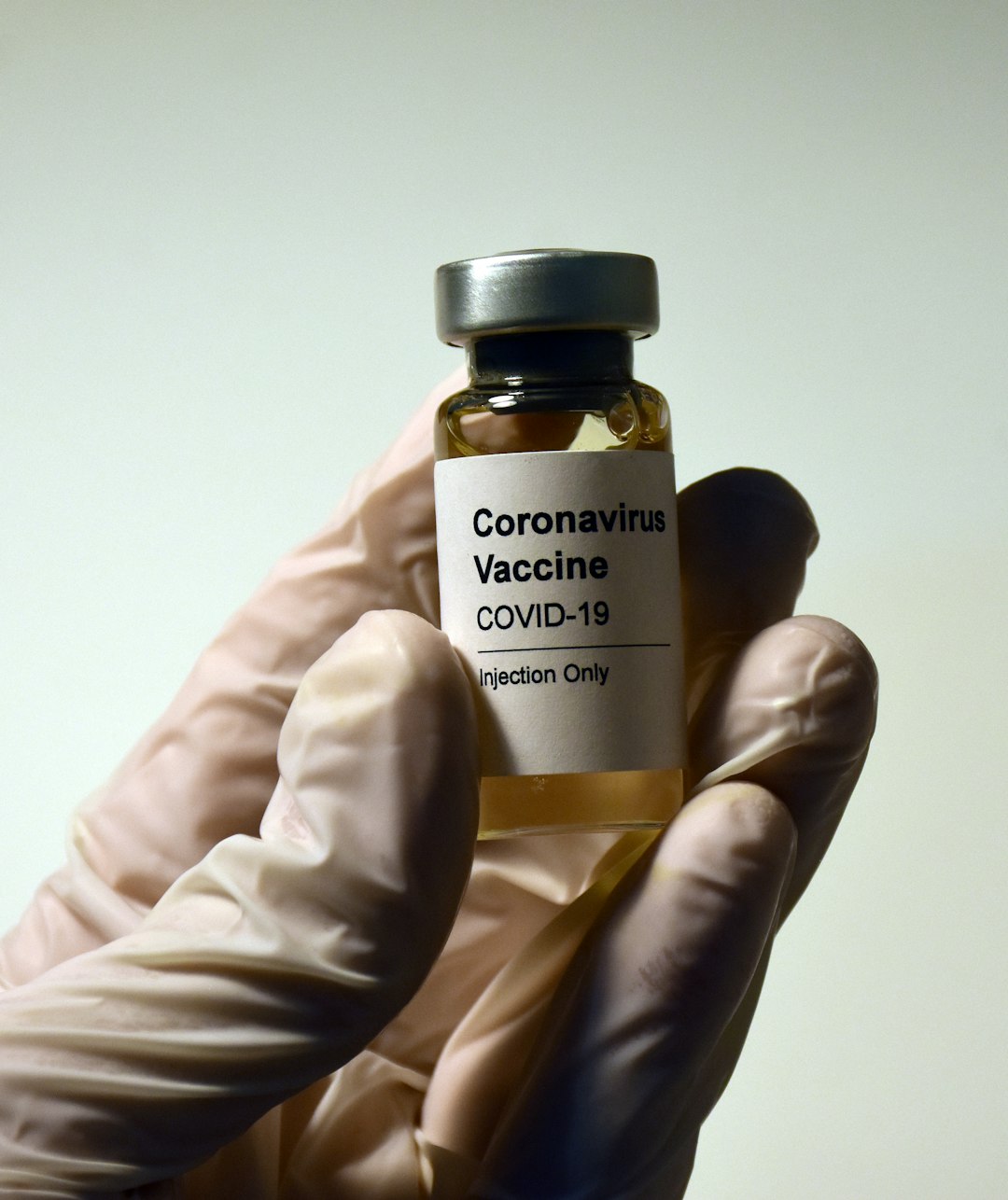
Travel Clinic Secrets: Your Shot at Safe Adventures
Introduction: Why Travel Clinics Matter
Planning a trip is exciting. You think about beaches, mountains, or cities. But health risks can ruin your vacation. Travel clinics help you stay healthy abroad. They provide vaccines and health advice. This protects you from diseases in other countries.
Many travelers skip this important step. They think they will be fine. But diseases like yellow fever or malaria are real threats. Travel clinics specialize in preventing these problems. They know what vaccines you need for each destination.
This guide will explain everything about travel clinics. You will learn how they work. You will discover what services they offer. Most importantly, you will understand how to prepare for your appointment. Your health is worth protecting.
Travel medicine is a special field. Doctors study diseases around the world. They know which countries have health risks. They can tell you exactly what protection you need. This knowledge could save your life.
What Exactly Are Travel Clinics?
Travel clinics are medical offices. They focus on keeping travelers healthy. These clinics have doctors who specialize in travel medicine. They understand health risks in different parts of the world.
Services Offered
Travel clinics provide many services. They give required and recommended vaccines. They offer health advice for specific destinations. They prescribe medications for travel-related illnesses. Some clinics sell travel health kits too.
- Vaccinations for diseases like yellow fever and typhoid
- Malaria prevention medications
- Advice about food and water safety
- Treatment for travelers' diarrhea
- Altitude sickness prevention
The CDC Travel Health website has great information. It shows which vaccines are needed for each country. Travel clinics use this information to help you.
Difference From Regular Doctors
Your regular doctor may not know travel medicine well. Travel clinic doctors specialize in this field. They have up-to-date information about global health risks. They know about disease outbreaks around the world.
Regular doctors can give some travel vaccines. But they may not have all the needed vaccines. Travel clinics usually have a full range of travel vaccines. They also have more experience with travel health issues.
When Should You Visit a Travel Clinic?
Timing is important when visiting a travel clinic. You should go 4-6 weeks before your trip. Some vaccines need multiple doses over several weeks. Your body needs time to build protection.
Last-Minute Travel
What if your trip is soon? You should still visit a travel clinic. Even a few days before travel can help. Some vaccines work quickly. The clinic can give you important health advice too.
The World Health Organization says some protection is better than none. Don't skip the clinic just because your trip is close. Go as soon as you can.
Special Situations
Some travelers need extra care. Pregnant women should be careful. Children have different vaccine needs. People with health conditions need special advice. Travel clinics can help all these travelers.
If you are pregnant, tell the clinic. Some vaccines are not safe during pregnancy. The doctor can suggest safe alternatives. They can advise about travel risks during pregnancy.
Common Travel Vaccines and Their Importance
Vaccines protect you from serious diseases. Some are required by certain countries. Others are just recommended. Here are the most common travel vaccines.
Required Vaccines
Some countries require proof of vaccination. You must show this at the border. Without it, you might not be allowed to enter.
- Yellow Fever: Required for many African and South American countries
- Meningitis: Required for travel to Saudi Arabia during Hajj
- Polio: Some countries require proof of vaccination
The WHO country list shows vaccine requirements. Travel clinics know these requirements well.
Recommended Vaccines
These vaccines are not always required. But they are strongly recommended. They protect you from common travel diseases.
- Hepatitis A: Spread through contaminated food and water
- Typhoid: Common in areas with poor sanitation
- Japanese Encephalitis: Found in rural parts of Asia
- Rabies: Important if you will be around animals
About 30% of travelers get sick during trips. Proper vaccines can prevent many of these illnesses. Don't take chances with your health.
What to Expect During Your Clinic Visit
Your first travel clinic visit might seem scary. But it is usually straightforward. Here is what will happen during your appointment.
Medical History Review
The doctor will ask about your health history. They need to know about allergies. They will ask about past vaccines. Tell them about any health conditions you have.
Be honest about your health. This helps the doctor give you the best advice. They need to know about medications you take too.
Destination Discussion
The doctor will ask about your travel plans. They need to know which countries you will visit. They will ask about activities you plan to do. Hiking in rural areas has different risks than staying in cities.
Tell them about your accommodation plans. Staying in luxury hotels is different from camping. Each situation has different health risks.
Vaccine Administration
The doctor will recommend specific vaccines. They will explain why each vaccine is important. You can ask questions about any vaccine. Then you will receive the vaccines you need.
Some people feel nervous about shots. Tell the staff if you are anxious. They can help you feel more comfortable. The shots are usually quick and not too painful.
Costs and Insurance Coverage
Travel clinic services cost money. The price depends on which vaccines you need. Some insurance plans cover travel medicine. Others do not.
Typical Costs
Vaccine costs vary widely. Basic vaccines might cost $50-$100 each. Some special vaccines can cost $200 or more. The consultation fee is usually separate.
According to Travelers Vaccine, a full set of travel vaccines can cost $500-$1000. This might seem expensive. But getting sick abroad can cost much more.
Insurance Questions
Call your insurance company before your visit. Ask if they cover travel vaccines. Some plans cover only required vaccines. Others cover recommended vaccines too.
Medicare usually does not cover travel medicine. Many private insurance plans offer some coverage. Always check with your provider first.
Practical Tips for Travel Health
Vaccines are just one part of travel health. Here are other important tips to stay healthy during your trip.
Food and Water Safety
Be careful about what you eat and drink. Only drink bottled or treated water. Avoid ice in drinks. Eat only cooked foods that are served hot.
- Peel fruits yourself
- Avoid raw vegetables
- Don't eat street food unless it's cooked fresh
- Use bottled water for brushing teeth
The CDC Food Safety guide has good advice. Following these rules can prevent many illnesses.
Insect Protection
Many diseases spread through insect bites. Use insect repellent on exposed skin. Wear long sleeves and pants in mosquito areas. Sleep under mosquito nets if needed.
Malaria kills over 400,000 people yearly. Most cases are in tropical areas. Proper protection can prevent this deadly disease.
Real Examples: Travel Clinic Success Stories
Here are real stories showing why travel clinics matter.
Sarah's Southeast Asia Trip
Sarah planned a 3-month backpacking trip. She visited a travel clinic first. The doctor recommended several vaccines. Sarah got vaccines for typhoid and hepatitis A.
During her trip, Sarah ate some street food. She got travelers' diarrhea. But she had medication from the clinic. She recovered quickly and continued her adventure.
Mark's Business Trip to Africa
Mark traveled to Nigeria for work. The travel clinic gave him yellow fever vaccine. This was required for entry. They also gave him malaria pills.
Mark took his malaria medication as directed. Several coworkers did not visit a clinic. They got malaria and were very sick. Mark stayed healthy and productive.
Frequently Asked Questions
How far in advance should I visit a travel clinic?
Visit 4-6 weeks before your trip. This gives vaccines time to work. Some need multiple doses over several weeks.
Are travel vaccines safe?
Yes, travel vaccines are very safe. They go through the same testing as other vaccines. Side effects are usually mild, like sore arms or slight fever.
What if I'm traveling last minute?
Still visit a travel clinic. Some protection is better than none. The doctor can give important health advice too.
Do I need vaccines if I'm staying in resorts?
Yes, you still need protection. Resorts have many guests from different places. Diseases can spread easily in these settings.
Can I get all vaccines from my regular doctor?
Maybe, but travel clinics have more experience. They have all the needed vaccines. They know current disease risks around the world.
What documents should I bring to the clinic?
Bring your vaccine records and travel itinerary. Also bring your insurance information. A list of medications you take is helpful too.
How long do travel vaccines last?
It depends on the vaccine. Some protect for life. Others need boosters every few years. The doctor will explain each vaccine's duration.
Important Statistics About Travel Health
Numbers show why travel health matters. Here are some important statistics.
- 20-50% of travelers get diarrhea during trips (NIH Study)
- Malaria causes 200+ million cases yearly worldwide
- Only 30% of travelers seek pre-travel health advice
- Vaccine-preventable diseases cause many travel illnesses
- Medical evacuation can cost over $100,000
These numbers show why preparation is important. A small investment in prevention can save much trouble later.
Step-by-Step Guide to Using Travel Clinics
Follow these steps for a successful travel clinic experience.
Step 1: Research Your Destination
Learn about health risks in your destination countries. Check the CDC destination list. Note any required vaccines.
Step 2: Find a Reputable Clinic
Look for certified travel medicine clinics. The International Society of Travel Medicine has a clinic directory. Choose one with good reviews.
Step 3: Schedule Your Appointment
Book your appointment 4-6 weeks before travel. Tell them all countries you will visit. Mention any special health needs.
Step 4: Prepare for Your Visit
Gather your vaccine records and travel plans. Make a list of questions to ask. Bring your insurance information.
Step 5: Attend Your Appointment
Be honest about your health history. Ask all your questions. Follow the doctor's advice about vaccines and medications.
Step 6: Get Your Documentation
Get your International Certificate of Vaccination. Keep this with your passport. Some countries require it for entry.
Step 7: Follow Post-Vaccine Instructions
Some vaccines need follow-up doses. Mark these dates on your calendar. Take medications as directed.
Conclusion: Your Health is Your Greatest Travel Asset
Travel clinics provide essential services for travelers. They protect you from serious diseases. They give peace of mind for your adventures. The small cost and time investment are worth it.
Remember to visit 4-6 weeks before your trip. Bring all necessary documents. Be honest about your health history. Follow the doctor's advice carefully.
Your health is your most valuable possession. Protect it with proper preparation. Travel clinics are your partners in safe, healthy travel. They help ensure your memories are happy ones.
Don't take chances with travel health. The risks are real but preventable. A travel clinic visit could be the most important part of your trip planning. Make it a priority for every international journey.
Safe travels and good health on all your adventures! Remember that prevention is always better than treatment. Your future self will thank you for taking these important steps.