
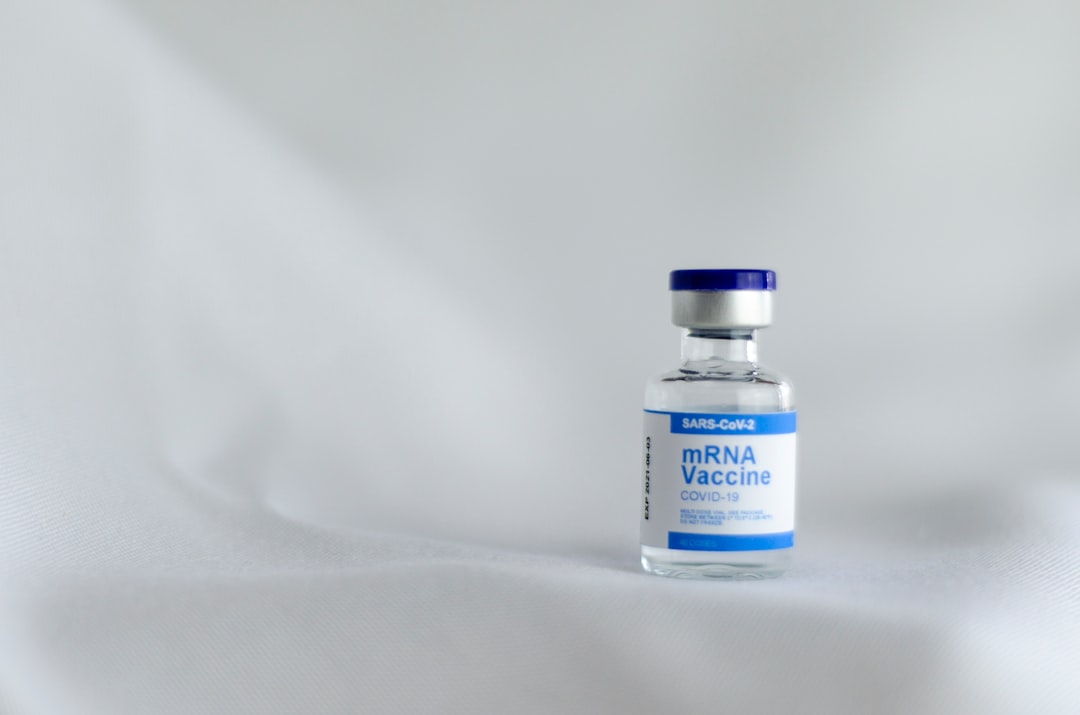
Travel Clinic Secrets: Your Passport to Safe Adventures
Introduction: Why Travel Clinics Matter
Planning a trip is exciting. You think about beautiful places. You imagine new experiences. But health risks can ruin your adventure. Many travelers forget about health preparation. This is where travel clinics help. Travel clinics are special medical centers. They focus on travel health. These clinics protect you from diseases. They give you vaccines. They provide health advice for your destination.
According to the CDC, many travelers get sick during trips. Some diseases can be serious. Proper preparation prevents problems. Travel clinics have experts. These doctors know about global health risks. They understand what vaccines you need. They can tell you about health dangers in specific countries.
This guide will explain everything about travel clinics. You will learn how they work. You will discover what services they offer. We will show you how to find a good clinic. We will explain costs and insurance. Most importantly, we will help you travel safely. Your health is your most valuable travel companion. Let's make sure it stays protected.
What Exactly Are Travel Clinics?
Travel clinics are medical facilities. They specialize in travel medicine. Their main goal is to keep travelers healthy. They focus on preventing travel-related illnesses. These clinics have doctors with special training. These doctors understand global health patterns. They know about diseases in different countries.
Services Offered by Travel Clinics
Travel clinics provide many important services. Here are their main offerings:
- Travel vaccinations: They give required and recommended vaccines
- Health risk assessments: They evaluate dangers for your specific trip
- Prescription medications: They provide medicines for travel sickness
- Health education: They teach you how to stay healthy abroad
- Post-travel care: They check your health after you return home
Who Should Visit Travel Clinics?
Many types of travelers need clinic visits. You should consider going if:
- You travel to developing countries
- Your trip involves rural areas
- You have chronic health conditions
- You are pregnant or traveling with children
- Your destination requires specific vaccines
- You plan long-term travel (over one month)
The World Health Organization recommends clinic visits for international travel. Even healthy people can benefit from professional advice.
Essential Travel Vaccines: What You Really Need
Vaccines protect you from serious diseases. Some vaccines are required by law. Others are strongly recommended. Your needs depend on your destination. They also depend on your health history.
Common Travel Vaccines
Here are vaccines often given at travel clinics:
- Hepatitis A and B: Protects against liver infections
- Typhoid: Prevents food and water borne illness
- Yellow Fever: Required for some African and South American countries
- Rabies: Important for outdoor adventures and animal contact
- Japanese Encephalitis: Needed for rural Asia travel
- Meningococcal: Required for Hajj pilgrimage and some African travel
Routine Vaccines Check
Travel clinics also check your routine vaccines. Make sure these are up to date:
- Measles, Mumps, Rubella (MMR)
- Tetanus, Diphtheria, Pertussis (Tdap)
- Chickenpox (Varicella)
- Polio
- Influenza (Flu)
- COVID-19
According to CDC data, many adults miss routine vaccines. Travel is a good time to update them.
Finding the Right Travel Clinic: A Step-by-Step Guide
Not all travel clinics are equal. You need to find a quality clinic. Here is how to choose the best one.
Step 1: Start Early
Begin your search 4-6 weeks before travel. Some vaccines need multiple doses. Others take time to become effective. Last-minute visits may not provide full protection.
Step 2: Check Credentials
Look for clinics with certified travel medicine doctors. The International Society of Travel Medicine maintains a directory. You can find qualified providers there.
Step 3: Verify Services
Make sure the clinic offers:
- Comprehensive travel health consultations
- All required vaccines in stock
- Prescription services for travel medications
- Follow-up care if needed
Step 4: Consider Location and Hours
Choose a clinic that is convenient. Check their business hours. Make sure they can accommodate your schedule.
Step 5: Review Costs and Insurance
Ask about prices upfront. Check what your insurance covers. Some vaccines can be expensive. Know the costs before your visit.
What to Expect During Your Clinic Visit
Your first travel clinic visit might surprise you. It is more than just getting shots. Here is what typically happens.
Pre-Visit Preparation
Before your appointment, gather this information:
- Your complete travel itinerary (countries, cities, rural areas)
- Your vaccination history
- Your current medications list
- Any known allergies
- Your insurance information
The Consultation Process
Your visit will include these steps:
- Health assessment: The doctor reviews your medical history
- Risk evaluation: They analyze dangers for your specific trip
- Vaccine recommendations: They suggest needed vaccines
- Medication prescriptions: They may prescribe malaria pills or other drugs
- Health education: They teach you about food safety, insect protection, and other risks
- Vaccine administration: You receive recommended vaccines
Post-Visit Instructions
After your visit, you will receive:
- A vaccination record (keep this with your passport)
- Instructions for any follow-up doses
- Information about potential side effects
- Emergency contact information
- Tips for staying healthy during your trip
Costs and Insurance: Navigating the Financial Side
Travel clinic services can be expensive. Understanding costs helps you budget properly.
Typical Costs Breakdown
Here are average costs for common services:
- Consultation fee: $50-$200
- Hepatitis A vaccine: $75-$150 per dose
- Typhoid vaccine: $50-$150
- Yellow Fever vaccine: $150-$350
- Malaria pills: $50-$200 for full course
Insurance Coverage
Insurance coverage varies widely. Some important facts:
- Routine vaccines are often covered
- Travel-specific vaccines may not be covered
- Consultation fees might be partially covered
- Always check with your insurance company first
- Some clinics require payment upfront
The Travelers Century Club recommends budgeting $200-$500 for travel health preparation. This investment can save you from expensive medical bills abroad.
Beyond Vaccines: Other Travel Health Services
Travel clinics offer more than just vaccines. They provide comprehensive travel health care.
Medication Services
Clinics can prescribe important travel medications:
- Malaria prevention: Pills for malaria-prone areas
- Traveler's diarrhea treatment: Antibiotics and hydration solutions
- Altitude sickness medication: For mountain travel
- Motion sickness remedies: For boat and car travel
- Emergency antibiotics: For unexpected infections
Health Education and Prevention
Clinics teach you how to avoid common travel health problems:
- Food and water safety practices
- Insect bite prevention methods
- Sun protection strategies
- Safe swimming guidelines
- Accident prevention tips
Specialized Care
Some clinics offer additional services:
- Jet lag management advice
- Mental health support for travel anxiety
- Pregnancy and travel guidance
- Chronic condition travel planning
- Disabled traveler assistance
The Travel Health Pro website provides additional resources for travelers with special needs.
Practical Tips for Your Travel Clinic Visit
Make the most of your travel clinic experience with these practical tips.
Before Your Visit
- Research your destination's health requirements
- Check your regular vaccine records
- Make a list of your current medications
- Note any allergies or health conditions
- Prepare questions for the doctor
During Your Visit
- Arrive 15 minutes early for paperwork
- Bring your passport and travel itinerary
- Wear loose clothing for easy vaccine access
- Ask about potential side effects
- Request a written vaccination record
After Your Visit
- Keep your vaccination record safe
- Note any follow-up appointment dates
- Monitor for vaccine side effects
- Pack your travel health kit
- Share emergency contacts with family
Frequently Asked Questions About Travel Clinics
How far in advance should I visit a travel clinic?
Visit 4-8 weeks before your trip. Some vaccines need multiple doses over several weeks. Others take time to become fully effective. Last-minute visits can still help, but early planning is best.
Are travel clinic services covered by insurance?
Coverage varies by insurance plan. Routine care is often covered. Travel-specific services may not be. Always check with your insurance provider before your visit. Some clinics require full payment at time of service.
What should I bring to my appointment?
Bring your vaccine records, travel itinerary, insurance card, and payment method. Also bring a list of current medications and any known allergies. Having this information ready saves time.
Can I get all my travel vaccines at once?
Most people can receive multiple vaccines in one visit. However, some vaccines should be spaced apart. Your doctor will create a schedule that works for your timeline and health needs.
What if I have a fear of needles?
Tell the staff about your fear. They can help you feel more comfortable. Some techniques include looking away, deep breathing, or using numbing cream. Most travel clinics are experienced with needle-phobic patients.
Do I need a travel clinic for short trips?
Even short trips may require protection. Some diseases are common in certain areas. A one-week business trip could expose you to health risks. Always consult a professional for international travel.
What happens if I get sick after returning home?
Contact your travel clinic or regular doctor. Tell them about your recent travel. Some illnesses can appear weeks after exposure. Quick diagnosis is important for travel-related illnesses.
Real Examples: Travel Clinic Success Stories
Here are real situations where travel clinics made a difference.
Family Vacation to Thailand
The Johnson family planned a two-week Thailand trip. They visited a travel clinic six weeks before departure. The doctor recommended several vaccines. These included Hepatitis A and Typhoid. The family also received malaria prevention advice. During their trip, they followed the clinic's food safety tips. They avoided getting sick. Their vacation was enjoyable and healthy.
Business Trip to Nigeria
Mark had a business trip to Nigeria. The travel clinic discovered he needed a Yellow Fever vaccine. This vaccine is required for entry to Nigeria. Without it, he could have been denied entry. The clinic also provided malaria pills. Mark completed his business successfully. He avoided serious health risks.
Backpacking Adventure in South America
Sarah planned a three-month backpacking trip. The travel clinic created a comprehensive health plan. She received multiple vaccines. The doctor prescribed emergency antibiotics. Sarah also learned about altitude sickness prevention. During her trip, she used her health knowledge daily. She stayed healthy throughout her adventure.
Important Statistics About Travel Health
Understanding travel health statistics helps you make informed decisions.
Vaccine Effectiveness
- Yellow Fever vaccine provides lifetime protection for most people (WHO)
- Typhoid vaccine is 50-80% effective depending on type (CDC)
- Hepatitis A vaccine provides nearly 100% protection after two doses (CDC)
Travel Illness Statistics
- 20-50% of international travelers report some illness (CDC Yellow Book)
- Traveler's diarrhea affects 30-70% of travelers (NCBI)
- Malaria causes approximately 2000 American cases yearly from travel (CDC)
Vaccination Rates
- Only 46% of adult travelers receive pre-travel health advice (CDC Study)
- 25% of travelers to high-risk areas don't get recommended vaccines (Journal of Travel Medicine)
- Proper preparation could prevent 80% of travel-related illnesses (International Society of Travel Medicine)
Conclusion: Your Health, Your Travel Companion
Travel clinics are essential for safe international travel. They provide expert advice tailored to your specific trip. Their services go beyond basic vaccinations. They offer comprehensive health protection. Proper preparation prevents most travel illnesses.
Remember these key points. Start planning early. Visit a clinic 4-8 weeks before travel. Choose a qualified provider. Bring all necessary documents. Follow the doctor's recommendations. Keep your vaccination records safe.
Your health is your most valuable travel asset. Investing in travel clinic services protects this asset. It ensures your adventures remain happy memories. Don't let preventable illnesses ruin your trip. Make travel health a priority. Your future self will thank you.
Safe travels begin with proper preparation. Visit a travel clinic before your next international journey. Protect yourself, protect your adventure, and create wonderful memories that last a lifetime.