
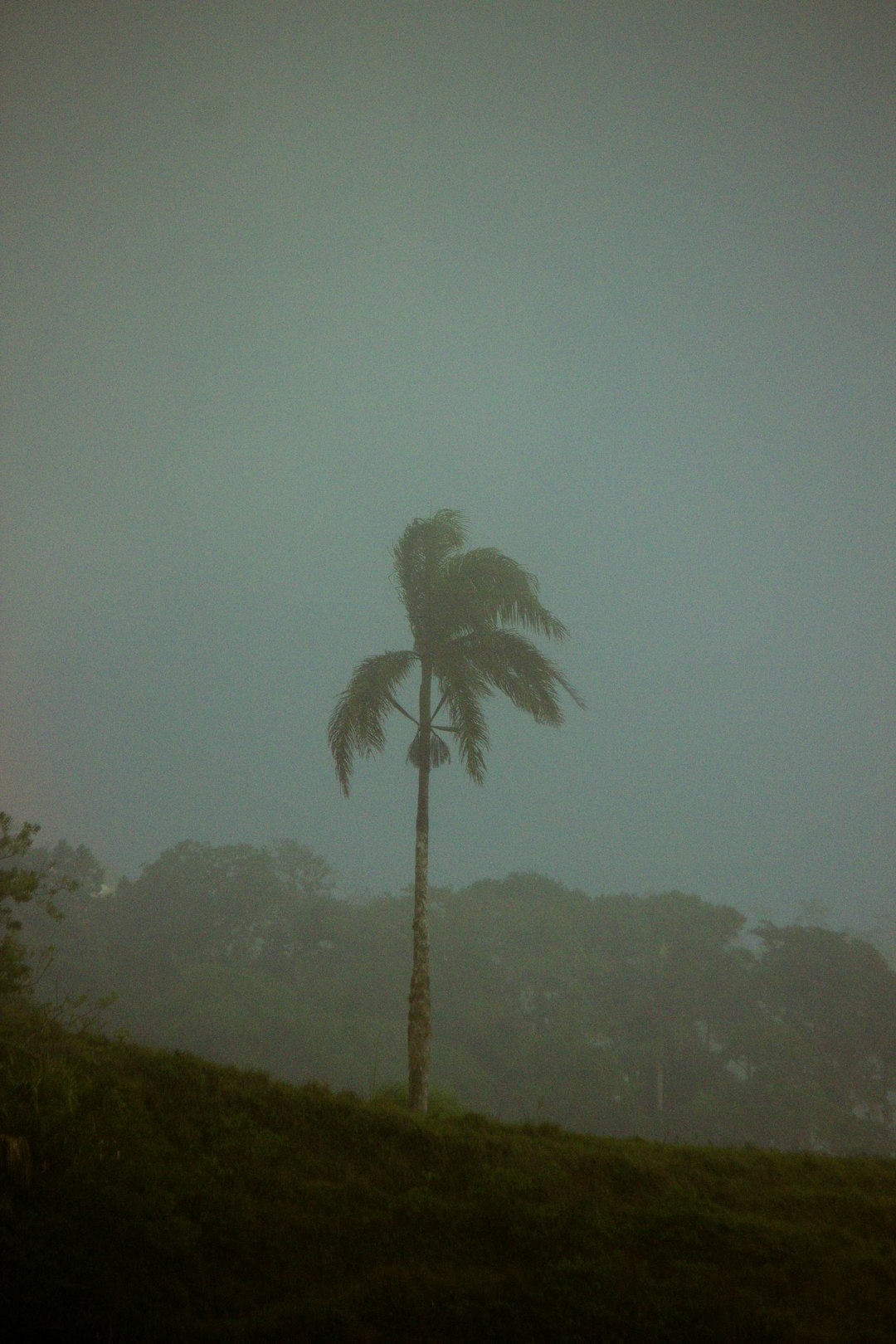
Tommy's Weather Alert: Tropical Storms & Travel Risks
Introduction: Understanding Weather Threats for Travelers
Travel planning needs weather knowledge. Tropical storms can ruin your trip. Severe weather brings real dangers. This guide helps you stay safe. We cover everything about storm seasons. You will learn about weather patterns. We explain how to read forecasts. Travel safety depends on good information. Tommy's travel forecast gives you that.
Many people ignore weather warnings. They think storms won't affect them. This is a big mistake. Weather changes fast in tropical areas. A sunny day can turn stormy quickly. Knowing the risks helps you prepare. This guide covers all important topics. You will understand storm formation. We explain warning systems. Practical tips will keep you safe.
Travel insurance is important for bad weather. It covers trip cancellations. It helps with emergency costs. Many travelers forget this protection. Don't make that mistake. Read on to learn more. Your safety matters most. Let's explore weather risks together.
Understanding Tropical Weather Patterns
Tropical weather has special features. Warm ocean waters fuel storms. The Coriolis effect makes them spin. There are different storm types. Tropical depressions have lower winds. Tropical storms are stronger. Hurricanes are the most powerful.
How Tropical Storms Form
Storms need warm ocean water. They form when water is 80°F or warmer. The air above the water heats up. This warm air rises quickly. Cooler air rushes in to replace it. This creates wind patterns. The Earth's rotation makes them spin.
Storm formation has several stages. It starts as a tropical wave. Then it becomes a tropical depression. Next comes tropical storm status. Finally, it can become a hurricane. The National Weather Service tracks all these stages.
Storm Season Timelines
Different regions have different storm seasons. The Atlantic hurricane season runs from June to November. The peak is August through October. The Pacific season is longer. It goes from May to November.
Here are key storm season dates:
- Atlantic: June 1 - November 30
- Eastern Pacific: May 15 - November 30
- Western Pacific: All year, peak July-November
- Indian Ocean: April-December
Reading Weather Forecasts Like a Pro
Weather forecasts use special terms. Knowing these terms helps you understand. "Tropical storm watch" means possible storms. "Tropical storm warning" means storms are coming. Hurricane categories show strength. Category 1 has winds 74-95 mph. Category 5 has winds over 157 mph.
Understanding Forecast Maps
Weather maps show storm tracks. The cone of uncertainty shows possible paths. Don't just look at the center line. Storms can go anywhere in the cone. Rain bands extend far from the center. Even if the eye misses you, you can get bad weather.
Forecast models predict storm paths. The National Hurricane Center uses many models. Some are better for track prediction. Others are better for intensity. Trust official forecasts most.
Weather Apps and Tools
Good weather apps help travelers. The FEMA app has emergency information. The Red Cross emergency app sends alerts. Weather Channel app gives detailed forecasts. Many apps are free and useful.
Here are the best weather tools:
- National Hurricane Center website
- Weather Underground for detailed maps
- Local news station apps
- Emergency alert systems
Travel Planning Around Storm Seasons
Smart travelers check weather seasons. Don't book trips during peak storm months. If you must travel then, get insurance. Choose destinations with lower storm risks. Some areas rarely get hurricanes. Research your destination's weather history.
Best and Worst Travel Times
The Caribbean has high storm risk August-October. Florida peaks in September. Mexico's Pacific coast is safest December-April. Hawaii's storm season is June-November. Always check regional patterns.
Consider these alternative destinations:
- Arizona and Nevada (low storm risk)
- California coast (mild weather year-round)
- Mediterranean Europe (summer is safe)
- Southern California (rarely has hurricanes)
Booking Strategies
Book refundable rates during storm season. Choose hotels with cancellation policies. Use credit cards with travel protection. Keep important numbers handy. Have backup plans ready.
Emergency Preparedness for Travelers
Every traveler needs an emergency kit. This is especially true in storm areas. Your kit should have basic supplies. Include medicines and important documents. Don't forget phone chargers and cash.
Essential Emergency Kit Items
Your travel emergency kit should include:
- Bottled water (1 gallon per person per day)
- Non-perishable food for 3 days
- First aid kit and medications
- Flashlight with extra batteries
- Portable phone charger
- Copies of important documents
- Emergency cash
- Basic toiletries
Communication Plans
Have a family communication plan. Choose an out-of-state contact. Everyone should know this number. Text messages often work when calls don't. Have backup communication methods. A satellite phone can help in remote areas.
Real Storm Stories and Lessons Learned
Real experiences teach valuable lessons. Hurricane Katrina in 2005 was devastating. Many travelers were stranded. Hotels lost power for weeks. Airports closed for days. Those with insurance got help faster.
Recent Storm Impacts
Hurricane Ian hit Florida in 2022. It caused $112 billion in damage. Many tourists had to evacuate. Some couldn't get flights home. Lessons from Ian show preparation matters. The National Hurricane Center provided good warnings.
Another example is Hurricane Maria. It hit Puerto Rico in 2017. The island lost power for months. Travelers faced huge challenges. This shows why evacuation plans matter.
Practical Weather Safety Tips
Always check weather forecasts before trips. Sign up for travel alerts. Know your hotel's evacuation plan. Keep emergency numbers handy. Have local embassy contacts if traveling abroad.
During a Storm Warning
If a storm warning is issued:
- Follow local authorities' instructions
- Fill your vehicle with gas
- Withdraw some cash
- Charge all electronic devices
- Secure important documents
- Move to a safe location if advised
After the Storm
Wait for official all-clear signals. Don't go outside during the eye. The storm isn't over. Watch for downed power lines. Avoid flood waters. They can be deeper than they look.
Travel Insurance and Weather Protection
Travel insurance is crucial. It covers weather-related cancellations. Read policies carefully. Some exclude "acts of God." Look for cancel-for-any-reason coverage. This gives most flexibility.
Choosing the Right Policy
Good travel insurance should cover:
- Trip cancellation due to weather
- Emergency evacuation
- Medical emergencies
- Lost or delayed baggage
- Trip interruption
The Insurance Information Institute offers good advice on policies.
FAQ: Tropical Weather and Travel Questions
What's the difference between a hurricane watch and warning?
A watch means possible hurricane conditions. A warning means expected hurricane conditions. Watches are issued 48 hours before. Warnings come 36 hours before.
Can I get a refund if a hurricane cancels my trip?
It depends on your insurance. Most policies cover hurricane cancellations. Airlines may offer waivers. Hotels might refund deposits. Always check policies before booking.
How far in advance can hurricanes be predicted?
Track predictions are good about 5 days out. Intensity is harder to predict. Forecasts improve as storms get closer. Trust official sources for updates.
What's the safest place in a hotel during a hurricane?
Stay in interior rooms. Avoid windows. Lower floors are better than higher ones. Don't use elevators during storms. Follow hotel staff instructions.
Should I evacuate if I'm on vacation?
Follow local evacuation orders. Don't ignore them. Your safety matters most. Hotels in evacuation zones will close. Have an evacuation plan ready.
How can I protect my travel documents?
Keep documents in waterproof bags. Make digital copies. Store copies in cloud storage. Give copies to family members. Keep originals with you.
What happens if I'm stranded by a storm?
Contact your embassy if abroad. Call your insurance company. Keep receipts for extra expenses. Stay calm and follow instructions.
Conclusion: Travel Smart, Stay Safe
Weather awareness makes travel safer. Tropical storms are serious threats. Proper preparation reduces risks. Always check forecasts before traveling. Have backup plans ready. Good insurance provides peace of mind.
Remember these key points. Research destination weather patterns. Understand forecast terms. Pack an emergency kit. Know evacuation routes. Keep important contacts handy. Stay informed during your trip.
Safe travels require good planning. Don't let weather ruin your vacation. Use this guide for better preparation. Share these tips with fellow travelers. Weather knowledge protects everyone. Travel smart and enjoy your adventures.