
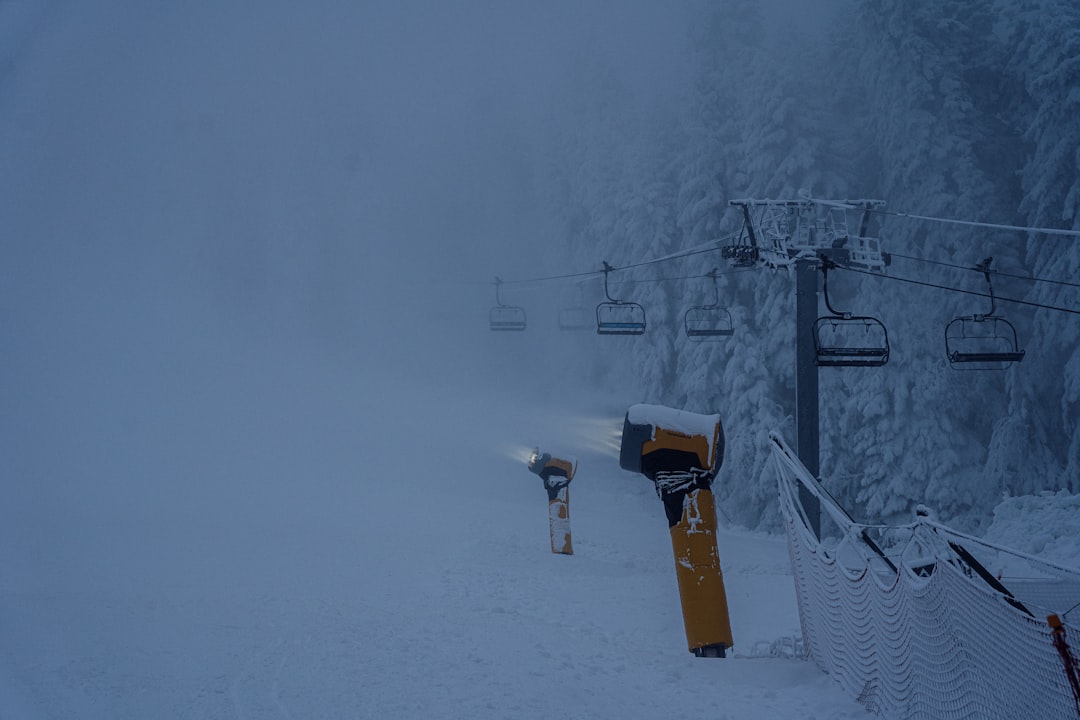
Sierra Storm Survival: Your Ultimate Winter Drive Guide
Introduction: The Coming Sierra Storm
A major winter storm is approaching the Sierra Nevada mountains. The National Weather Service has issued warnings for dangerous travel conditions. This storm could bring heavy snow and strong winds. Many roads may become impassable. Drivers need to prepare now for potentially dangerous situations.
KCRA meteorologists predict this storm could drop several feet of snow. Higher elevations might see over three feet of accumulation. Wind gusts could reach 50-60 mph. These conditions create whiteout situations. Visibility may drop to near zero at times. Travel could become extremely hazardous.
This guide provides everything you need to know. We cover preparation tips, driving techniques, and emergency procedures. Whether you're a local or just passing through, this information could save your life. The Sierra mountains are beautiful but dangerous during winter storms. Proper preparation makes all the difference.
Many people underestimate mountain weather. Conditions can change in minutes. A clear day can become a blizzard quickly. This storm is particularly concerning because it's arriving rapidly. There's little time for gradual preparation. Drivers must act now to ensure their safety.
Understanding Sierra Weather Patterns
Why Sierra Storms Are Different
The Sierra Nevada mountains create unique weather patterns. Their high elevation affects storm systems differently than other regions. The mountains force moist air to rise quickly. This causes intense precipitation on the western slopes. The National Weather Service calls this "orographic lift."
Sierra storms often feature heavier snow than similar systems elsewhere. The mountains act like a giant sponge. They wring moisture from passing storm systems. This creates snowfall measured in feet rather than inches. The record Sierra snowfall in 24 hours is 67 inches. That happened at Echo Summit in January 1952.
Current Storm Forecast Details
The approaching storm has several concerning features. Meteorologists predict:
- Snow accumulation: 2-4 feet above 5,000 feet
- Wind speeds: 40-60 mph gusts
- Snow rates: 2-3 inches per hour at peak intensity
- Duration: 36-48 hours of active precipitation
- Temperature: Dropping to 15-25°F
The National Weather Service Reno office has issued a Winter Storm Warning. This means significant snow, sleet, or ice is expected. Travel will be very difficult to impossible. The warning covers most Sierra passes and high elevations.
Essential Pre-Trip Vehicle Preparation
Winter Tire Requirements
California has specific tire requirements for mountain travel. From November 1 through April 1, certain roads require snow tires or chains. These include:
- Interstate 80 over Donner Summit
- US Highway 50 over Echo Summit
- State Route 88 over Carson Pass
- State Route 89 around Lake Tahoe
Snow tires must have the M+S (mud and snow) symbol. They need at least 6/32-inch tread depth. All-wheel drive vehicles still need proper tires. Four-wheel drive helps you go but doesn't help you stop. Good tires are essential for safe winter driving.
Emergency Kit Checklist
Every vehicle traveling through the Sierra should carry an emergency kit. This is especially important during storm conditions. Your kit should include:
- Warm clothing and extra layers
- Blankets or sleeping bags
- Non-perishable food and water
- First aid kit
- Flashlight with extra batteries
- Ice scraper and snow brush
- Jumper cables
- Basic tools
- Sand or kitty litter for traction
- Shovel
- Phone charger and power bank
The Ready.gov car safety guide recommends keeping these items in your vehicle all winter. You never know when you might need them. A well-stocked emergency kit can make waiting for help much more comfortable.
Safe Winter Driving Techniques
Speed and Following Distance
Winter driving requires adjusting your speed significantly. Reduce your speed by at least 50% on snow-covered roads. Increase following distance to 8-10 seconds instead of the usual 3-4 seconds. This gives you more time to react if something happens ahead.
Brake gently and early. Sudden braking can cause skids. If you have anti-lock brakes, apply steady pressure. Don't pump the brakes. The NHTSA winter driving guide emphasizes smooth inputs. Gentle acceleration, braking, and steering are key.
Handling Skids and Slides
If your vehicle begins to skid, remain calm. Look where you want the vehicle to go. Steer gently in that direction. Avoid sudden movements. Don't slam on the brakes. Ease off the accelerator until you regain control.
Front-wheel skids occur when you lose steering. Rear-wheel skids happen when the back end slides out. Each requires slightly different responses. Practice in an empty parking lot if possible. Understanding how your vehicle handles in snow is valuable knowledge.
Chain Installation Step-by-Step
When Chains Are Required
California uses a chain control system with three levels:
- R1: Chains required on all vehicles except 4WD/AWD with snow tires
- R2: Chains required on all vehicles except 4WD/AWD with snow tires on all wheels
- R3: Chains required on all vehicles without exception
During major storms, conditions often reach R2 level. The Caltrans website provides current chain requirements. Check before you travel. Having the right chains and knowing how to install them is crucial.
Installation Guide
Follow these steps to install tire chains safely:
- Pull completely off the roadway in a safe location
- Put on your hazard lights and set parking brake
- Lay chains flat on the ground behind each drive wheel
- Drive forward slowly until tires are centered on chains
- Connect the inner fasteners first
- Connect the outer fasteners and tighten
- Drive forward about 100 feet and re-tighten
- Check tension again after driving a short distance
Practice installing chains at home first. Trying to learn in a snowstorm is difficult and dangerous. Wear waterproof gloves to keep your hands dry and warm.
Road Conditions and Alternate Routes
Major Sierra Passes to Monitor
Several key mountain passes will be affected by this storm:
- Donner Pass (I-80): Often the first to require chains
- Echo Summit (US-50): Frequently closes during heavy snow
- Carson Pass (SR-88): High elevation makes it particularly vulnerable
- Monitor Pass (SR-89): Sometimes remains open when others close
The Caltrans QuickMap shows real-time conditions. It includes chain requirements, closures, and traffic cameras. Check it frequently during your trip. Conditions can change rapidly in the mountains.
When to Consider Alternate Routes
Sometimes the best decision is not to travel at all. Consider these alternatives:
- Delay your trip until conditions improve
- Take a southern route through the Owens Valley
- Use Amtrak's California Zephyr train service
- Fly into Reno-Tahoe International Airport
Many people feel pressure to reach their destination. However, arriving safely is more important than arriving quickly. If conditions deteriorate, find a safe place to wait out the storm.
Emergency Procedures and Survival
If You Become Stranded
Stay with your vehicle if you become stranded. It provides shelter and makes you easier to find. Run the engine sparingly for heat. Clear snow from the exhaust pipe to prevent carbon monoxide poisoning. Turn on your dome light at night to make the vehicle visible.
Conserve your phone battery. Use it only for essential communication. Text messages often go through when calls won't. The FEMA emergency guide recommends keeping a bright cloth to signal for help.
Winter Survival Statistics
Understanding survival statistics can help you make better decisions:
- 90% of winter storm deaths occur in vehicles
- People can survive 3 hours without shelter in freezing conditions
- Proper preparation increases survival chances by 80%
- Rescue typically takes 2-8 hours in populated mountain areas
- 75% of people who die in winter storms are male
These numbers from the National Weather Service winter safety page show why preparation matters. Being prepared isn't just convenient—it can save your life.
Practical Winter Driving Tips
Before You Leave Home
Complete these essential checks before starting your trip:
- Check weather forecasts for your entire route
- Fill your gas tank—never let it drop below half
- Test your battery—cold weather reduces power
- Check antifreeze concentration
- Ensure all lights are working properly
- Clean all snow and ice from windows and lights
- Tell someone your route and expected arrival time
During Your Drive
Follow these practices while on the road:
- Keep headlights on for visibility
- Use cruise control only on dry pavement
- Watch for ice on bridges and shaded areas
- Take breaks every 2 hours to avoid fatigue
- Stay hydrated—dehydration affects judgment
- Listen to weather updates on local radio stations
The AAA winter driving guide offers additional tips specific to your vehicle type. Different vehicles handle winter conditions differently.
Frequently Asked Questions
How much snow will this storm bring?
The National Weather Service predicts 2-4 feet above 5,000 feet elevation. Higher peaks might see even more. Snow levels will start around 4,000 feet then drop lower.
Do I need chains with four-wheel drive?
Yes, during R2 chain controls. Four-wheel drive helps you go but doesn't help you stop. Chains provide extra traction for all vehicles in severe conditions.
How long do chain controls typically last?
Chain controls usually last 6-12 hours after snow stops falling. Caltrans keeps them in place until roads are plowed and treated.
What's the best way to check road conditions?
Use the Caltrans QuickMap website or call 800-427-7623. Both provide real-time information about chain requirements and closures.
Should I cancel my travel plans?
If you're not experienced with winter driving, consider postponing. Even experienced drivers should evaluate whether the trip is essential.
What temperature is too cold for travel?
There's no specific temperature that makes travel impossible. However, below 15°F, mechanical problems become more likely. Carry extra supplies.
How do I find chain installation areas?
Caltrans provides designated chain installation areas on major highways. Look for signs indicating upcoming installation areas.
Real-World Examples and Lessons
Donner Party History
The Donner Party's 1846 experience shows how quickly Sierra conditions can turn deadly. They became trapped by early snow in October. Of 87 people, only 48 survived. Modern technology helps prevent such tragedies, but respect for mountain weather remains essential.
Recent Winter Strandings
In January 2023, over 200 vehicles were stranded on I-80 during a sudden storm. Rescue took 12 hours. Most drivers had inadequate supplies. This highlights why preparation matters even for short trips.
The California Highway Patrol responds to hundreds of winter emergencies annually. Their data shows most problems involve drivers who were unprepared for conditions.
Conclusion: Safety First in Sierra Travel
Winter driving in the Sierra requires respect and preparation. This approaching storm could create dangerous conditions. Proper tires, emergency supplies, and knowledge are your best defenses. Remember that no appointment is worth risking your life.
Check conditions frequently during your trip. Be prepared to change plans if necessary. Many hotels near mountain passes offer storm rates. Sometimes waiting out bad weather is the smartest choice.
The Sierra Nevada mountains are breathtakingly beautiful. They're also powerful and unpredictable. With proper preparation, you can travel safely through even severe winter conditions. Your safety depends on the decisions you make before and during your trip.
Stay informed, stay prepared, and stay safe. The mountains will still be there when the storm passes. For ongoing updates, bookmark the National Weather Service and Caltrans QuickMap websites.