
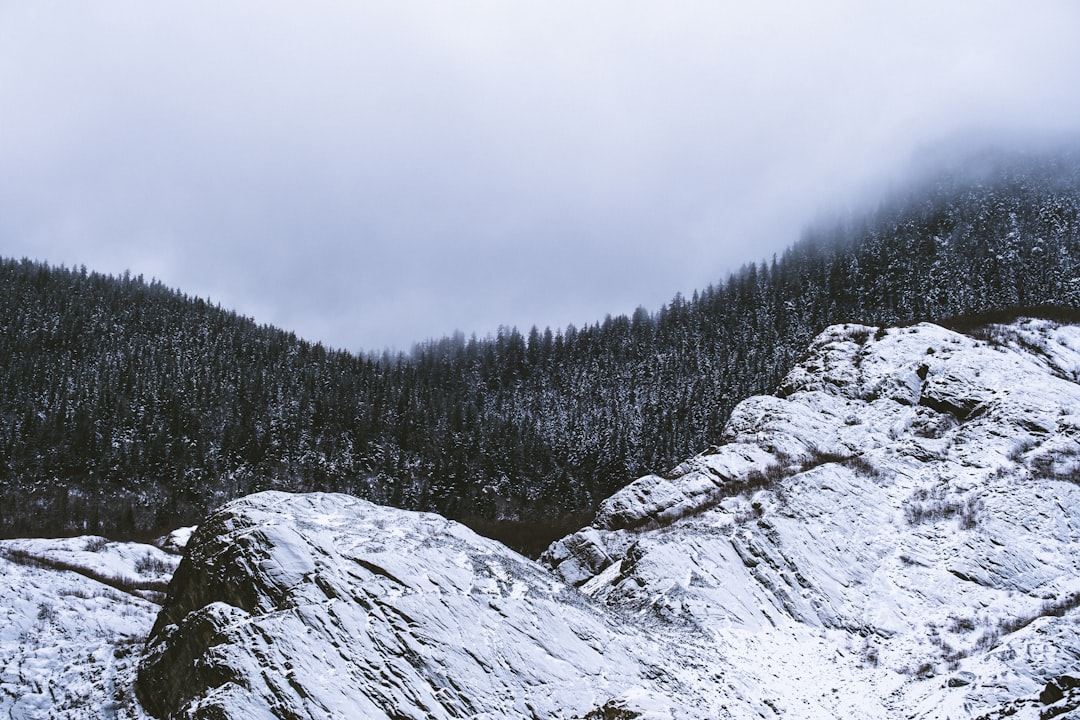
Sierra Storm Survival: Your Essential Mountain Travel Guide
Introduction: The Coming Sierra Storm
A major storm is approaching the Sierra Nevada mountains. This weather event could create dangerous travel conditions. Drivers need to prepare now for possible road closures and hazardous driving. The National Weather Service has issued winter storm warnings for the region. These warnings cover several mountain passes and highways.
Heavy snow and strong winds are expected. Some areas might get over two feet of snow. Wind gusts could reach 50 miles per hour. These conditions make driving very difficult. Visibility may drop to near zero at times. Roads could become icy and slippery. Travel delays are likely throughout the region.
This guide will help you prepare for Sierra mountain travel during storms. We cover everything from vehicle preparation to emergency supplies. You will learn how to check road conditions before leaving home. We also explain what to do if you get stuck in bad weather. Your safety is the most important consideration.
Understanding Sierra Weather Patterns
Why Sierra Storms Are Different
Sierra Nevada storms are unique and powerful. The mountains create their own weather systems. Moist air from the Pacific Ocean hits the mountain slopes. This air rises and cools quickly. The cooling causes heavy precipitation. Most falls as snow at higher elevations.
The Sierra Nevada range acts as a giant wall. It stretches 400 miles through California. The highest peaks reach over 14,000 feet. This geography creates extreme weather conditions. Storms can develop suddenly and intensify rapidly. Temperatures can drop dramatically within hours.
Seasonal Weather Changes
Sierra weather varies by season. Winter brings the most severe conditions. From November through April, heavy snow is common. Some areas average over 300 inches of snow yearly. Spring storms can be particularly dangerous. They often bring wet, heavy snow that sticks to roads.
Summer thunderstorms develop quickly in the afternoons. These storms bring lightning, hail, and strong winds. Fall typically has the most stable weather. But early snowstorms can occur as early as September.
Essential Pre-Trip Planning
Checking Weather and Road Conditions
Always check conditions before mountain travel. Use reliable sources for current information. The National Weather Service provides detailed forecasts. Caltrans offers real-time road condition updates. You can call 800-427-7623 for highway information.
Check these key resources before your trip:
- National Weather Service storm warnings
- Caltrans road condition maps
- Chain control requirements
- Road closure announcements
- Alternative route information
Trip Timing Considerations
Plan your travel during daylight hours when possible. Visibility is better and temperatures are warmer. Avoid driving during the storm's peak intensity. Consider delaying your trip if conditions are severe. Even a few hours can make a big difference in road conditions.
Tell someone your travel plans. Share your route and expected arrival time. Check in when you reach your destination. This simple step could save your life in an emergency.
Vehicle Preparation Checklist
Winter Driving Equipment
Proper equipment is essential for safe mountain travel. Your vehicle must be ready for winter conditions. Start with a complete mechanical inspection. Check these critical systems:
- Battery and electrical system
- Heating and defrosting systems
- Brakes and anti-lock braking system
- Tire pressure and tread depth
- Windshield wipers and fluid
Install winter tires for better traction. These tires work better in cold temperatures. They provide improved grip on snow and ice. Carry tire chains and know how to install them. Practice putting them on before you need them in bad weather.
Emergency Supplies for Your Vehicle
Pack an emergency kit that could save your life. You might need to survive in your vehicle for hours. Include these essential items:
- Blankets or sleeping bags
- Extra warm clothing
- Non-perishable food and water
- First aid kit
- Flashlight with extra batteries
- Portable phone charger
- Basic tools and jumper cables
- Sand or kitty litter for traction
- Ice scraper and snow brush
Safe Driving Techniques in Storm Conditions
Speed and Following Distance
Reduce your speed significantly in storm conditions. Drive well below the posted speed limit. Increase your following distance dramatically. Leave at least 8-10 seconds between you and the vehicle ahead. This gives you more time to react to emergencies.
Avoid sudden movements when driving on snow or ice. Smooth, gentle inputs help maintain control. Accelerate and brake gradually. Quick movements can cause skidding. Use your brakes carefully and avoid slamming them.
Handling Skids and Loss of Control
If your vehicle begins to skid, stay calm. Look where you want the vehicle to go. Steer gently in that direction. Avoid overcorrecting. Take your foot off the accelerator. Do not brake suddenly during a skid.
Front-wheel skids occur when you lose steering control. Rear-wheel skids happen when the back of the vehicle slides out. Each requires slightly different responses. Practice in empty parking lots if possible.
Chain Control Requirements and Installation
Understanding Chain Control Levels
California uses a chain control system during winter storms. There are three main levels of restriction:
- Requirement 1 (R1): Chains required on all vehicles except four-wheel drives with snow tires
- Requirement 2 (R2): Chains required on all vehicles except four-wheel drives with snow tires on all wheels
- Requirement 3 (R3): Chains required on all vehicles without exception
Check current requirements before your trip. Conditions can change rapidly. Carry chains even if you have four-wheel drive. You might still need them in severe conditions.
Step-by-Step Chain Installation
Follow these steps to install tire chains safely:
- Pull completely off the road in a safe location
- Put on your hazard lights for visibility
- Lay chains flat on the ground behind tires
- Drive forward slowly until tires are centered on chains
- Connect chains across the top of the tire
- Secure fasteners according to manufacturer instructions
- Drive forward about 100 feet and re-tighten chains
Practice this process before you need it. Installation is much harder in storm conditions. Wear warm gloves and use a flashlight if needed.
Emergency Situations: What to Do
If You Become Stranded
Stay with your vehicle if you become stranded. It provides shelter and makes you easier to find. Run the engine sparingly for heat. Clear snow from the exhaust pipe to prevent carbon monoxide poisoning. Open a window slightly for fresh air.
Use your emergency supplies wisely. Conserve food and water. Stay hydrated even if you're not thirsty. Move your arms and legs regularly to maintain circulation. Make yourself visible to rescuers. Tie a cloth to your antenna or hang it out a window.
When to Call for Help
Call 911 for true emergencies only. Use your cell phone if you have service. Provide your exact location if possible. Use mile markers or landmarks to describe where you are. Stay on the line until help arrives if you can.
For non-emergency assistance, call highway patrol. They can provide information and coordinate help. Remember that response times may be longer during severe storms.
Practical Tips for Sierra Storm Travel
Keep your gas tank at least half full at all times. This prevents fuel line freezing and gives you more range. Use your headlights in poor visibility. But avoid high beams in falling snow or fog. They can create glare and reduce visibility further.
Take regular breaks during long trips. Fatigue impairs your driving ability. Stop every two hours or 100 miles. Stretch your legs and have some water. Check weather and road conditions at each stop.
Know the locations of safe stopping points along your route. Look for 24-hour businesses or well-lit areas. Avoid stopping on highway shoulders unless absolutely necessary. These areas are dangerous in low visibility conditions.
Frequently Asked Questions
What is the most dangerous time to drive in the Sierra?
Nighttime driving during storms is most dangerous. Visibility is poorest and temperatures are lowest. Ice forms more easily on road surfaces. Wildlife is more active at dawn and dusk. Avoid driving during these times if possible.
How much extra time should I allow for mountain travel in storms?
Allow at least twice your normal travel time. Severe conditions may require even more time. Road closures and chain installations cause significant delays. Better to arrive late than not at all.
Can I rely on my vehicle's four-wheel drive system?
Four-wheel drive helps with acceleration but not stopping. All vehicles have four-wheel brakes. Four-wheel drive does not prevent skidding on ice. You still need to drive cautiously and may need chains.
What food should I pack for emergency situations?
Pack high-energy, non-perishable foods. Energy bars, nuts, and dried fruits work well. Include foods that won't freeze solid. Avoid foods that require cooking or preparation. Don't forget a manual can opener if packing canned goods.
How often should I check road conditions during my trip?
Check conditions every hour during your trip. Weather can change rapidly in mountain areas. Use official sources like Caltrans and the National Weather Service. Many areas have highway advisory radio stations.
What should I do if I encounter a whiteout condition?
Pull completely off the road if possible. Turn on your hazard lights. Wait until visibility improves before continuing. Do not stop in travel lanes. If you cannot pull over, drive very slowly using roadside markers as guides.
Are there any apps that help with mountain travel?
Several apps provide useful information. The Caltrans QuickMap app shows real-time road conditions. Weather apps from reliable sources offer detailed forecasts. Make sure your phone is charged and consider a portable charger.
Real Examples and Statistics
The Sierra Nevada mountains average 300-500 inches of snow yearly. Some areas receive even more. Donner Summit averages 411 inches of snow annually. The National Weather Service records these measurements.
Winter storms cause hundreds of accidents each year in the Sierra. The California Highway Patrol reports that most are preventable. Proper preparation and cautious driving reduce accident risk significantly.
Chain control incidents show common mistakes. Many drivers install chains incorrectly. Others wait too long to put them on. Proper chain use prevents accidents and keeps roads open.
Conclusion: Safe Travel is Possible
Mountain travel during Sierra storms requires careful preparation. But safe travel is absolutely possible with the right knowledge. Understand the weather conditions and respect their power. Prepare your vehicle thoroughly before your trip. Pack essential emergency supplies for unexpected situations.
Drive cautiously and adjust your speed for conditions. Allow plenty of extra time for your journey. Know how to install chains properly. Understand what to do in emergency situations. Your safety depends on good decisions before and during your trip.
The beauty of the Sierra Nevada is worth experiencing. With proper preparation, you can travel safely even during storm conditions. Remember that conditions can change rapidly. Stay informed and be ready to adjust your plans. Safe travels through the magnificent Sierra mountains.