
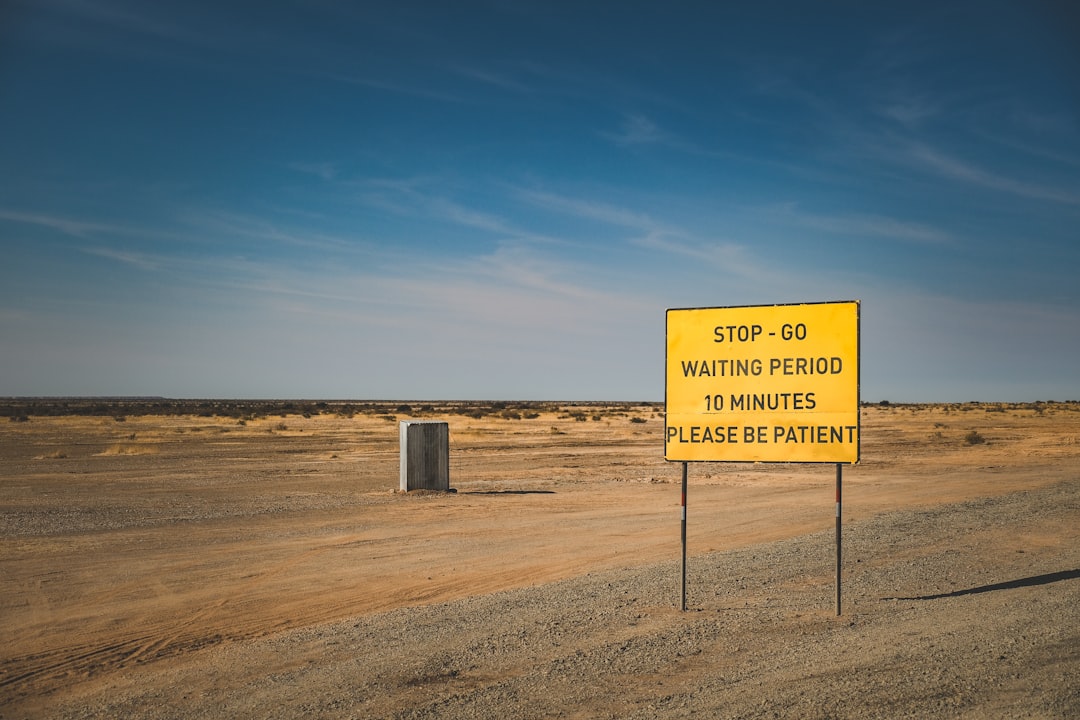
Shutdown Survival Guide: What's Open for Travelers
Introduction: Navigating Travel During Government Shutdowns
Government shutdowns create chaos for travelers. National parks close. Museums shut down. Transportation systems face uncertainty. But not everything stops during these difficult times. This comprehensive guide reveals what remains open when the government closes.
Travelers face unique challenges during shutdowns. Flights might continue but airport security could have longer lines. Hotels stay open but nearby attractions might be closed. Understanding what services continue helps you make smart travel decisions.
This guide covers all essential travel services. We explain which transportation options remain available. We list attractions that stay open despite shutdowns. We provide practical tips for navigating these challenging situations. Our information comes from reliable sources and real experiences.
Travel during shutdowns requires careful planning. You need to know which services you can count on. You must understand potential delays and closures. This knowledge helps you avoid disappointment and wasted time.
We've compiled the most current information available. We include official sources and practical advice. Whether you're traveling for business or pleasure, this guide will help you navigate shutdown periods successfully.
Understanding Government Shutdowns
What Happens During a Shutdown?
Government shutdowns occur when Congress fails to approve funding. Essential services continue but many others stop. According to the White House, about 800,000 federal workers might be furloughed.
National parks and museums often close first. Passport processing slows down dramatically. Transportation Security Administration (TSA) agents work without pay. This creates uncertainty for air travelers.
Some federal services continue operating. These include activities essential to public safety. Air traffic control continues. Border protection remains active. But many services travelers rely on face disruptions.
Recent Shutdown Statistics
The longest shutdown in US history lasted 35 days. It happened from December 2018 to January 2019. During this period, national parks lost an estimated $400 million in visitor spending.
According to the Department of the Interior, national parks typically host over 300 million visitors annually. During shutdowns, many parks close completely. Others remain open with limited services.
The U.S. Travel Association estimates shutdowns cost the tourism industry millions daily. Hotels near federal attractions suffer significant losses. Restaurants and local businesses also feel the impact.
Transportation Services That Remain Open
Air Travel During Shutdowns
Commercial flights continue operating during government shutdowns. However, passengers should expect some changes. TSA agents continue working but might experience delays.
Air traffic controllers remain on the job. They are considered essential personnel. According to the Federal Aviation Administration, safety operations continue without interruption.
Customs and Border Protection officers continue working. International arrivals proceed normally. However, some passport offices might have reduced hours.
Practical tips for air travelers:
- Arrive at least 3 hours before international flights
- Allow extra time for security screening
- Check your flight status frequently
- Consider TSA PreCheck to reduce wait times
- Pack patience and be kind to airport staff
Ground Transportation Options
Amtrak trains continue running during government shutdowns. As a quasi-governmental corporation, Amtrak maintains normal operations. However, some stations in federal buildings might have limited access.
Local public transportation systems continue operating. City buses, subways, and light rail systems aren't affected by federal shutdowns. These services are funded locally.
Ride-sharing services like Uber and Lyft operate normally. Taxi services continue without interruption. Rental car companies remain open for business.
Interstate highways and bridges remain open. These are essential transportation routes. State departments of transportation maintain them.
Accommodation and Dining
Hotels and Lodging
Private hotels and motels remain open during shutdowns. These businesses operate independently from the government. However, hotels near closed attractions might experience cancellations.
Vacation rental platforms like Airbnb continue normal operations. Hosts maintain their properties and welcome guests. These accommodations provide good alternatives when federal facilities close.
Campgrounds on private land remain accessible. However, many federal campgrounds close during shutdowns. Always check availability before traveling.
Popular hotel chains that stay open:
- Marriott International properties
- Hilton Hotels & Resorts
- Hyatt hotels worldwide
- InterContinental Hotels Group properties
- Wyndham Hotels and Resorts
Restaurants and Food Services
Restaurants, cafes, and food trucks continue operating normally. These are private businesses unaffected by government funding issues. However, restaurants in federal buildings might close.
Food delivery services like DoorDash and Grubhub maintain normal operations. Grocery stores remain open for essential supplies. Farmers markets typically continue as scheduled.
Some practical dining tips during shutdowns:
- Research restaurant hours in advance
- Consider grocery delivery for longer stays
- Download food delivery apps before traveling
- Keep some non-perishable snacks available
- Support local businesses affected by shutdowns
Attractions and Entertainment
Private Museums and Cultural Sites
Private museums remain open during government shutdowns. These include institutions like the Metropolitan Museum of Art in New York and the Getty Center in Los Angeles. According to the American Alliance of Museums, private institutions operate independently.
Zoos and aquariums typically remain open. Most are operated by private organizations or local governments. However, some might be affected if they receive federal funding.
Theme parks like Disney World and Universal Studios continue operations. These are private enterprises that don't rely on federal funding. They make excellent alternatives when national parks close.
State and Local Parks
State parks usually remain open during federal shutdowns. These are funded by state governments and operate independently. They offer excellent outdoor alternatives to national parks.
Local city parks and recreation areas continue operating normally. These include urban green spaces, playgrounds, and community centers. They provide accessible outdoor options for travelers.
According to the National Recreation and Park Association, local parks see increased visitation during federal shutdowns. Visitors seek alternative outdoor experiences when national parks close.
Essential Services for Travelers
Healthcare and Emergency Services
Hospitals and urgent care centers remain open during shutdowns. Healthcare is considered an essential service. Travelers can access medical care when needed.
Pharmacies continue normal operations. Chains like CVS and Walgreens maintain regular hours. Prescription medications remain available.
Emergency services including police and fire departments continue operating. These are essential services that protect public safety. 911 systems function normally.
Banking and Financial Services
Banks and credit unions operate normally during government shutdowns. These are private institutions not dependent on federal funding. ATMs remain accessible for cash withdrawals.
Credit card companies continue processing transactions. Travelers can use credit and debit cards normally. Online banking services remain available.
Currency exchange services typically continue operating. However, some locations in federal buildings might close. Major airports usually maintain currency exchange services.
Practical Tips for Shutdown Travel
Before You Travel
Research your destination thoroughly. Check which attractions might be affected by shutdowns. Have backup plans for closed facilities.
Contact hotels and tour operators directly. Ask about their shutdown policies. Understand cancellation options if plans change.
Download essential travel apps before your trip. These include navigation, translation, and local service apps. Having these ready helps you adapt to changing circumstances.
Essential pre-travel checklist:
- Verify attraction hours and availability
- Download offline maps
- Book refundable accommodations
- Purchase travel insurance
- Pack essential medications and supplies
During Your Trip
Stay informed about shutdown developments. Follow local news sources. Check official government websites for updates.
Be flexible with your itinerary. Have alternative activities ready. Embrace unexpected opportunities that arise.
Support local businesses affected by shutdowns. Visit restaurants and shops near closed attractions. Your tourism dollars help communities during difficult times.
Frequently Asked Questions
Are national parks completely closed during shutdowns?
Most national parks close during government shutdowns. However, some might remain accessible with limited services. Roads through parks might stay open for transit. Always check current conditions before visiting.
Can I get a passport during a shutdown?
Passport processing slows significantly during shutdowns. According to the U.S. Department of State, emergency services continue but routine processing delays. Apply for passports well before planned travel.
Do government shutdowns affect international travel?
International flights continue operating normally. Customs and immigration services remain active. However, some embassy services might be limited. Check with your airline for specific guidance.
Are Smithsonian museums open during shutdowns?
Smithsonian museums typically close during government shutdowns. These institutions receive federal funding. Private museums in the same cities usually remain open.
How do shutdowns affect airport security?
TSA agents continue working but might experience delays. Some agents call in sick during shutdowns due to financial stress. Allow extra time for security screening during these periods.
Can I visit national monuments during shutdowns?
Most national monuments close during shutdowns. These include popular sites like the Statue of Liberty and Mount Rushmore. Check official websites for current status before visiting.
Are state parks affected by federal shutdowns?
State parks typically remain open during federal shutdowns. They are funded by state governments and operate independently. They provide excellent alternatives to national parks.
Real Examples and Case Studies
2018-2019 Shutdown Impact
The 35-day shutdown from December 2018 to January 2019 affected millions of travelers. According to the National Park Service, many parks closed completely. Some remained open but without services like restrooms or trash collection.
Yosemite National Park saw significant damage during this period. Visitors entered closed areas and created sanitation problems. The park required extensive cleanup after reopening.
Great Smoky Mountains National Park kept main roads open. However, visitor centers, campgrounds, and restrooms closed. Local businesses suffered from decreased tourism.
Successful Adaptation Stories
Some travelers found creative solutions during shutdowns. Many discovered beautiful state parks they hadn't considered visiting. Others explored urban attractions that remained open.
Travelers to Washington DC during shutdowns visited private museums. The International Spy Museum and Newseum saw increased attendance. These institutions provided excellent alternatives to closed Smithsonian museums.
Families planning national park visits switched to private campgrounds. Many discovered they preferred these facilities. They enjoyed amenities like swimming pools and organized activities.
Step-by-Step Guide to Shutdown Travel Planning
Step 1: Monitor the Situation
Check government websites regularly. Follow reliable news sources. Understand which services might be affected.
Step 2: Develop Backup Plans
Identify alternative attractions for each day of your trip. Research state parks and private museums. Have indoor and outdoor options available.
Step 3: Contact Service Providers
Reach out to hotels, tour operators, and transportation companies. Understand their shutdown policies. Know your cancellation options.
Step 4: Prepare Documentation
Keep important documents accessible. Have digital and physical copies of reservations. Save emergency contact information.
Step 5: Pack Strategically
Include items that might be useful during disruptions. Pack snacks, water, and entertainment. Bring charging devices and power banks.
Step 6: Stay Flexible
Be prepared to change plans quickly. Embrace unexpected opportunities. Maintain a positive attitude throughout your travels.
Conclusion: Travel Smart During Challenging Times
Government shutdowns create uncertainty for travelers. However, many services continue operating normally. Understanding what remains open helps you plan successful trips.
Air travel continues with potential delays. Private accommodations and restaurants stay open. State parks and private attractions provide excellent alternatives. Essential services like healthcare and banking operate normally.
Successful shutdown travel requires careful planning. Research your destination thoroughly. Develop backup plans for closed attractions. Stay informed about current conditions.
Remember that travel during shutdowns can still be enjoyable. You might discover new places you wouldn't have visited otherwise. You can support local businesses that need tourism dollars.
Keep this guide handy when planning travel during uncertain times. Share it with fellow travelers who might benefit from this information. Safe travels, and may your journeys be filled with wonderful experiences despite any challenges.
For continued updates on travel during government shutdowns, bookmark our website. We maintain current information to help travelers navigate changing circumstances. Your adventure awaits – plan smart and travel well!