
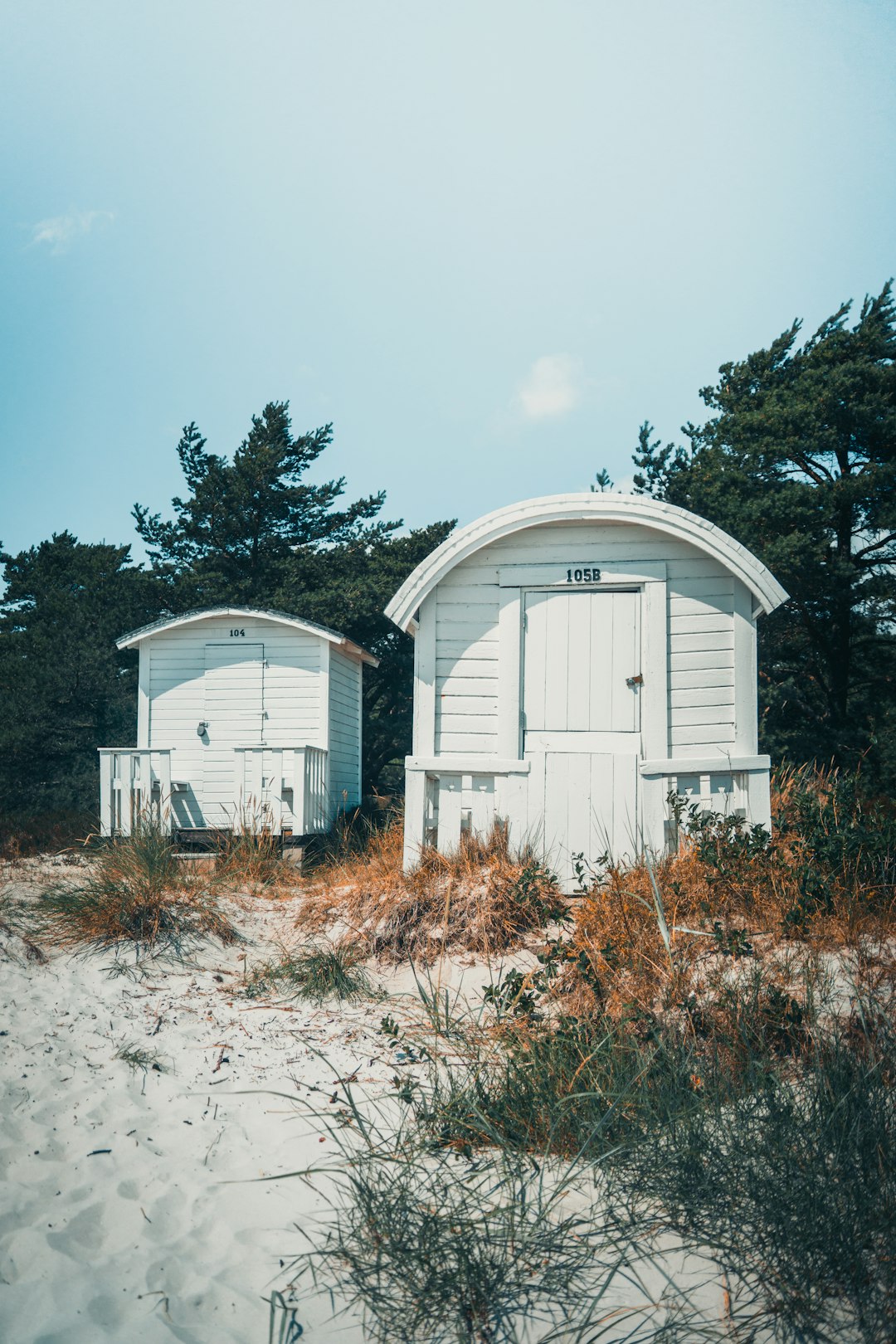
Seaside Vacation Homes: Your Ultimate Guide to Coastal Living
Imagine waking up to the sound of waves. You step outside to feel the ocean breeze. The sun rises over the water. This dream can be your reality with a seaside vacation home. Many people love the idea of owning property by the sea. It offers relaxation, family time, and investment potential.
Seaside vacation homes are special places. They provide escape from busy city life. You can enjoy beach days, water sports, and stunning views. These properties can also generate rental income. However, buying a coastal home requires careful planning. You need to consider location, budget, and maintenance.
This guide will help you understand everything about seaside properties. We will cover different types of coastal homes. You will learn about popular locations worldwide. We will discuss costs and financing options. Practical tips will help you make smart decisions. Let us explore the wonderful world of seaside vacation homes together.
Why Choose a Seaside Vacation Home?
Seaside vacation homes offer many benefits. They provide a personal retreat for your family. You can create lasting memories by the ocean. These properties often increase in value over time. Many owners rent them out when not using them.
Health Benefits of Coastal Living
Living near the sea is good for your health. Sea air contains negative ions. These can improve your mood and energy levels. The sound of waves reduces stress. Walking on sand exercises different muscles. Sunlight provides vitamin D.
According to the Environmental Protection Agency, coastal areas often have cleaner air. Ocean breezes blow away pollution. Many people sleep better near the ocean. The relaxing environment helps mental health.
Financial Advantages
Seaside properties can be good investments. Coastal real estate often appreciates faster than inland properties. You can earn rental income during peak seasons. Some owners cover their mortgage payments with rental money.
The National Association of Realtors reports vacation home sales remain strong. Demand for coastal properties continues to grow. Popular beach destinations see high rental demand. This makes seaside homes attractive investments.
Types of Seaside Vacation Homes
Different types of properties suit different needs. Your choice depends on budget, location, and lifestyle. Here are the main options available.
Beachfront Properties
Beachfront homes sit directly on the sand. You have private beach access. These offer the best ocean views. They are usually the most expensive option. Maintenance costs can be higher due to saltwater exposure.
Beachfront properties in Malibu, California can cost millions. More affordable options exist in other locations. Consider weather patterns and erosion risks. Beachfront homes may require special insurance.
Waterfront Homes
Waterfront properties are near water but not directly on the beach. They might be on cliffs, bays, or marinas. These often cost less than beachfront homes. You still enjoy water views and access.
Waterfront homes in Florida's Gulf Coast are popular. They offer calmer waters than oceanfront properties. Many have docks for boats. These are great for fishing enthusiasts.
Beach Community Condos
Condominiums in beach communities offer convenience. They often have shared amenities like pools and gyms. Maintenance is handled by the association. This is good for owners who live far away.
Condos in Miami Beach start around $300,000. High-rise buildings offer panoramic ocean views. They provide security and community features. This option works well for first-time buyers.
Popular Seaside Vacation Home Locations
Location is crucial when buying a seaside home. Some areas offer better value than others. Here are popular destinations worldwide.
United States Hotspots
Florida remains America's top destination for beach homes. The Gulf Coast offers warm waters and white sand. Destin and Panama City are family favorites. Miami Beach attracts luxury buyers.
California's coastline features stunning properties. Malibu and Laguna Beach are exclusive areas. Oregon and Washington offer rugged Pacific beauty. Their prices are often more reasonable.
According to Zillow, coastal home values rose 8.7% last year. This outpaced the national average. The trend continues as more people seek vacation homes.
International Destinations
Mexico's Pacific Coast attracts American buyers. Puerto Vallarta and Cabo San Lucas are popular. Properties often cost half of comparable U.S. homes. Tropical weather lasts year-round.
The Caribbean offers island paradise living. Barbados and Turks and Caicos are favorites. Europe's Mediterranean coast has historic charm. Greece and Spain offer beautiful seaside villages.
The World Bank notes growing foreign investment in coastal properties. Many countries welcome international buyers. Always research local laws before purchasing abroad.
Costs of Owning a Seaside Vacation Home
Understanding all costs is essential. The purchase price is just the beginning. You must budget for ongoing expenses.
Purchase Prices
Seaside home prices vary widely by location. Beachfront properties command premium prices. The median price for U.S. vacation homes is $300,000. Luxury properties can exceed $5 million.
- Florida Panhandle: $250,000 - $800,000
- Southern California: $750,000 - $3,000,000+
- Mexico Pacific Coast: $150,000 - $500,000
- Caribbean Islands: $300,000 - $2,000,000
Ongoing Expenses
Monthly costs add up quickly. Mortgage payments are the largest expense. Property taxes in coastal areas can be high. Insurance costs more for seaside properties.
Maintenance requires regular attention. Salt air damages paint and metal. You may need special cleaning services. Landscaping and pool care add costs.
Utility bills continue even when you are away. You must pay for security systems. Homeowner association fees apply to condos. Budget for unexpected repairs.
Financing Your Seaside Vacation Home
Most people need financing to buy a vacation home. Lenders have specific requirements for second homes. Your options depend on credit and income.
Mortgage Options
Conventional mortgages work for vacation homes. You typically need 10-20% down payment. Interest rates are slightly higher than primary residences. Lenders want strong credit scores.
Portfolio loans are another option. Some banks keep these loans in their portfolio. They may offer more flexible terms. This can help if you have unique financial situations.
The Federal Reserve tracks vacation home lending. Rates remain favorable for qualified buyers. Shop around with multiple lenders. Compare offers carefully.
Alternative Financing
Some buyers use home equity loans. You borrow against your primary residence. This can provide down payment money. Interest may be tax deductible.
Seller financing sometimes works. The seller acts as the bank. You make payments directly to them. This bypasses traditional lenders.
Partnerships are another approach. You buy with family or friends. This spreads costs and responsibilities. Have clear legal agreements in place.
Renting Out Your Seaside Vacation Home
Renting your property can offset costs. It generates income when you are not using it. Proper management is key to success.
Setting Rental Rates
Research comparable properties in your area. Check vacation rental websites for prices. Consider seasonality in your pricing. Summer and holidays command premium rates.
Factor in all your costs when setting rates. Include mortgage, taxes, insurance, and maintenance. Add fees for cleaning and management. Aim for reasonable profit margins.
According to Airbnb, coastal properties average $250 per night. Luxury homes can earn $1,000+ nightly. Location and amenities greatly affect earnings.
Managing Your Rental
You can self-manage or hire professionals. Self-management saves money but requires time. You handle bookings, cleaning, and maintenance. This works if you live nearby.
Professional management companies charge 20-40% of rental income. They handle everything for you. This is better for distant owners. They have local staff available.
Create a detailed rental agreement. Include rules about pets, smoking, and parties. Set clear check-in and check-out procedures. Protect your property with security deposits.
Practical Tips for Seaside Vacation Home Buyers
Smart planning leads to better decisions. Follow these practical tips when considering a purchase.
Research Locations Thoroughly
Visit potential locations at different times of year. See what the area is like off-season. Talk to local residents and business owners. Understand community dynamics.
Check flood zones and erosion risks. Research weather patterns and storm history. Look at development plans for the area. Consider future property values.
The Federal Emergency Management Agency provides flood maps. These show risk levels for specific areas. High-risk zones require expensive insurance.
Calculate All Costs
Create a detailed budget before buying. Include one-time purchase costs like inspections. Account for ongoing monthly expenses. Plan for occasional major repairs.
Get insurance quotes before making offers. Coastal insurance costs more than standard policies. Some areas have limited insurance options. Factor this into your decision.
Consider Rental Potential
Evaluate rental demand in your chosen location. Some areas have year-round rental markets. Others are seasonal. Understand local rental regulations.
Some communities restrict short-term rentals. Homeowner associations may have rules. Research these limitations before purchasing. They affect your ability to generate income.
Plan for Maintenance
Salt air causes rapid deterioration. Metal fixtures rust quickly. Wood decks need frequent sealing. Paint jobs last half as long as inland.
Create a maintenance schedule and budget. Include regular cleaning of exterior surfaces. Plan for HVAC system servicing. Account for appliance replacements.
Step-by-Step Guide to Buying a Seaside Vacation Home
Follow this clear process when purchasing your coastal property. Each step brings you closer to ownership.
Step 1: Determine Your Budget
Calculate how much you can afford. Consider your income, debts, and savings. Get pre-approved for financing. This shows sellers you are serious.
Remember to include all costs beyond the purchase price. Account for taxes, insurance, and maintenance. Leave room for unexpected expenses. Be realistic about your financial limits.
Step 2: Choose Your Location
Research different coastal areas. Consider travel time from your primary home. Look at property values and trends. Evaluate rental potential if important.
Visit top candidate locations. Spend time there during different seasons. Talk to local real estate agents. Get a feel for community atmosphere.
Step 3: Find the Right Property
Work with a local real estate agent. They know the market well. Look at multiple properties before deciding. Consider both homes and condos.
Think about your specific needs. How many bedrooms do you require? Do you want a pool or dock? Consider accessibility and privacy. Imagine yourself using the space.
Step 4: Conduct Due Diligence
Hire professional inspectors. Get thorough examinations of the property. Pay special attention to saltwater damage. Check for mold and structural issues.
Review all property documents carefully. Understand homeowner association rules. Research any planned assessments. Verify property boundaries.
Step 5: Close the Purchase
Work with your lender on final approval. Review all closing documents. Understand your mortgage terms. Complete the transfer of ownership.
Arrange for insurance to begin immediately. Set up utility accounts. Change locks for security. Celebrate your new seaside vacation home!
Frequently Asked Questions About Seaside Vacation Homes
How much does a seaside vacation home cost?
Prices vary widely by location. Basic properties start around $200,000. Luxury beachfront homes can exceed $5 million. The median U.S. vacation home costs about $300,000.
Are seaside homes good investments?
They can be excellent investments. Coastal properties often appreciate well. Rental income can cover costs. However, they require more maintenance than inland homes. Market fluctuations can affect values.
What are the biggest challenges of coastal ownership?
Saltwater damage requires constant attention. Insurance costs are higher. Weather risks include storms and erosion. Rental management takes time and effort.
How far in advance should I plan my purchase?
Start planning 6-12 months before buying. This gives time for research and financing. The best deals often require quick action. Be prepared to move when you find the right property.
Can I rent out my seaside vacation home?
Most locations allow rental of vacation homes. Some communities have restrictions. Check local regulations before purchasing. Proper management is key to successful rentals.
What special maintenance do coastal homes require?
Frequent exterior painting and sealing. Regular cleaning of salt residue. HVAC system servicing every six months. Quick repair of any corrosion or water damage.
How do I choose between a house and condo?
Houses offer more privacy and space. Condos provide shared amenities and less maintenance. Consider your budget and lifestyle needs. Condos work well for first-time buyers.
Real Examples of Seaside Vacation Homes
Seeing actual properties helps understand options. Here are examples from different price ranges.
Affordable Florida Condo
A two-bedroom condo in Panama City Beach costs $275,000. It includes a shared pool and beach access. Monthly fees are $350. Rental income covers most expenses.
The owner uses it three months per year. They rent it through a management company. Annual rental income totals $28,000. After expenses, they profit $8,000 yearly.
Mid-Range California Home
A three-bedroom house in San Diego costs $850,000. It is two blocks from the beach. The property has a small garden. No homeowner association fees apply.
The owners vacation there monthly. They do not rent it out. Property values increased 15% in two years. They enjoy family time by the ocean.
Luxury Caribbean Villa
A four-bedroom villa in Barbados costs $2.1 million. It features private beach access and a pool. Staff includes a gardener and housekeeper.
The owners visit six weeks annually. They rent it for $1,500 per night. Annual rental income exceeds $200,000. The property appreciates about 7% yearly.
Statistics About Seaside Vacation Homes
Data helps understand market trends. These statistics come from reliable sources.
- Vacation home sales represent 13% of all U.S. home purchases (National Association of Realtors)
- Coastal properties appreciate 1.5% faster annually than inland homes (Zillow Research)
- 65% of vacation home buyers plan to rent their properties (VRBO Survey)
- Florida has the most vacation homes of any U.S. state (U.S. Census Bureau)
- The average coastal vacation home rents 18 weeks annually (Airbnb Data)
- Hurricane-prone areas have 35% higher insurance costs (Insurance Information Institute)
Conclusion: Making Your Seaside Dream Reality
Seaside vacation homes offer wonderful opportunities. They provide personal enjoyment and financial benefits. Careful planning ensures successful ownership. The journey requires research and preparation.
Start by understanding your budget and needs. Research locations thoroughly. Consider all costs beyond the purchase price. Think about rental potential if important.
Work with experienced professionals. Real estate agents know local markets. Inspectors identify potential problems. Lawyers review important documents.
Remember that coastal living has special requirements. Maintenance needs are greater than inland properties. Insurance costs more. Weather risks require preparation.
Despite challenges, seaside homes bring great joy. Waking up to ocean views is priceless. Family memories last forever. Smart ownership creates lasting value.
Your seaside vacation home awaits. Take the first step today. Research locations that interest you. Speak with financial advisors. Soon you could be enjoying your own coastal retreat.