
Rome Uncovered: Eat, Sleep & Explore Like a Local
Introduction: The Eternal City Awaits
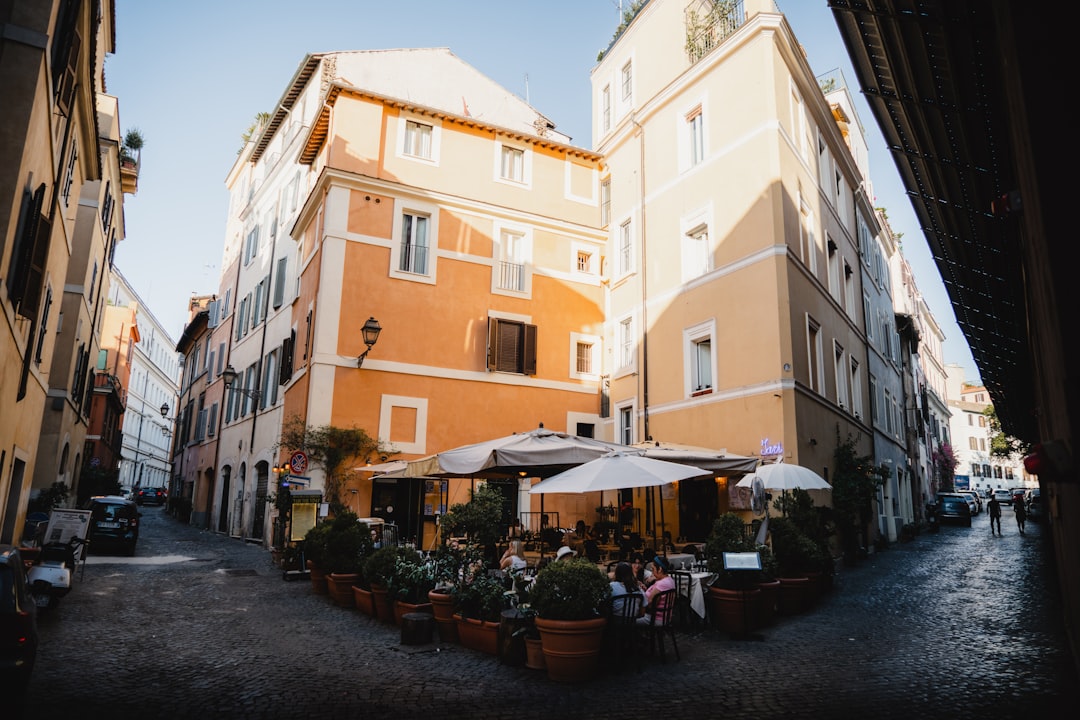
Rome is a city that captures hearts. It is ancient and modern at the same time. Every corner tells a story. You can feel history everywhere. From the mighty Colosseum to tiny cobblestone streets. This guide will help you discover the real Rome. We will show you where to eat amazing food. We will find you the perfect place to sleep. And we will explore the best sights together.
More than 10 million tourists visit Rome each year. They come to see the famous places. But many miss the hidden gems. This guide will take you beyond the usual tourist path. You will experience Rome like someone who lives there. We will share local secrets and practical tips. These will make your trip smooth and memorable.
Rome is big and can feel overwhelming. But do not worry. We have organized this guide into clear sections. First, we will explore the best areas to stay. Then we will dive into Roman food culture. After that, we will visit the must-see attractions. Finally, we will share practical tips for your journey. Let us begin our Roman adventure!
Where to Stay: Finding Your Perfect Roman Neighborhood
Choosing where to stay in Rome is important. Different areas offer different experiences. Some are busy and touristy. Others are quiet and local. Your choice will shape your trip. Here are the best neighborhoods for visitors.
Historic Center (Centro Storico)
The Historic Center is Rome's heart. It is packed with famous sights. You can walk to the Pantheon, Trevi Fountain, and Piazza Navona. This area is perfect for first-time visitors. You will be in the middle of everything. But it can be noisy and expensive.
Best hotels in Historic Center:
- Hotel Raphael - Close to Piazza Navona
- Albergo del Senato - Views of the Pantheon
- Navona Queen Suite - Great value apartments
Trastevere: The Bohemian Quarter
Trastevere means "across the Tiber." This area has narrow, winding streets. It is famous for its nightlife and restaurants. Trastevere feels more local than the Historic Center. It is lively but not as crowded with tourists. You will find great food here.
Why choose Trastevere:
- Authentic Roman atmosphere
- Excellent restaurants and bars
- Beautiful evening lighting
- Close to central sights but quieter
Monti: The Trendy District
Monti is Rome's coolest neighborhood. It sits between the Colosseum and Termini station. This area has boutique shops and hip cafes. It is popular with young Romans and creative types. Monti offers a good balance of convenience and local flavor.
Monti highlights:
- Close to Colosseum and Roman Forum
- Great vintage shopping
- Lively but not overwhelming
- Good public transport links
Roman Cuisine: A Food Lover's Paradise
Roman food is simple but delicious. It uses fresh, local ingredients. Traditional dishes tell stories of the city's history. Eating in Rome is an experience you will never forget. Let us explore the best food Rome has to offer.
Must-Try Roman Dishes
Roman cuisine has four famous pasta dishes. They are called "the big four." Every visitor should try them. They are simple but perfect.
The four classic Roman pastas:
- Carbonara: Eggs, cheese, pepper, and guanciale
- Amatriciana: Tomato sauce with guanciale
- Cacio e Pepe: Cheese and black pepper
- Gricia: Guanciale with cheese and pepper
These dishes show Roman cooking philosophy. Use few ingredients. Make them perfectly. The quality matters most. You can find these pastas everywhere in Rome. But some places do them better than others.
Where to Eat: From Street Food to Fine Dining
Rome has eating options for every budget. You can enjoy amazing food without spending much money. The key is knowing where to look.
Best pizza al taglio (pizza by slice):
- Antico Forno Roscioli - Near Campo de' Fiori
- Pizzarium - Famous for creative toppings
- Bonci Pizzarium - High-quality ingredients
Traditional trattorias:
- Da Enzo al 29 - In Trastevere, authentic Roman food
- Armando al Pantheon - Near the Pantheon, classic dishes
- Flavio al Velavevodetto - Testaccio, local favorite
According to ISTAT, Italy's national statistics office, Rome has over 12,000 restaurants. That means you will never run out of new places to try. But quality varies greatly. Stick to our recommendations for the best experiences.
Must-See Attractions: Ancient Wonders and Hidden Gems
Rome has more historical sites than any other city. You could spend months exploring them all. But most visitors have limited time. We have selected the most important sights. We will also share some secret spots most tourists miss.
The Big Three: Colosseum, Forum, and Palatine Hill
These three sites form Rome's ancient heart. They tell the story of the Roman Empire. You should visit them together. They are close to each other. One ticket covers all three.
Colosseum visiting tips:
- Buy tickets online in advance - Skip long lines
- Visit early morning or late afternoon - Avoid crowds
- Take a guided tour - Learn the stories
- Wear comfortable shoes - Lots of walking
The Colosseum hosted gladiator games. It could hold 50,000 people. Construction finished in 80 AD. That is almost 2,000 years ago. It is still standing. That is amazing.
Vatican City: Art and Spirituality
Vatican City is its own country. It is the smallest country in the world. But it contains some of the world's greatest art. The Vatican Museums and St. Peter's Basilica are must-see places.
Vatican visiting strategy:
- Book museum tickets online - Essential time saver
- Visit St. Peter's Basilica first - Free entry
- Climb the dome - Amazing city views
- See the Sistine Chapel - Michelangelo's masterpiece
- Dress modestly - Covered shoulders and knees
The Vatican Museums receive over 6 million visitors each year. That makes them the fourth most visited museum in the world. Plan your visit carefully to enjoy the art without the stress.
Practical Rome: Getting Around and Saving Money
Rome is a big city. Getting around can be confusing. But the public transport system works well. With some planning, you can save time and money. Here is everything you need to know.
Public Transport Made Simple
Rome has buses, trams, and metro lines. The system is called ATAC. You can use the same ticket for all of them.
Ticket types and costs:
- BIT ticket: €1.50 - Valid for 100 minutes
- 24-hour ticket: €7 - Unlimited travel for one day
- 48-hour ticket: €12.50 - Two days of travel
- 72-hour ticket: €18 - Three days of travel
You must validate your ticket when you board. Look for the small machines on buses. Tap your ticket there. Metro stations have gates where you insert tickets. According to ATAC, Rome's public transport serves over 2 million passengers daily. It is the most efficient way to move around the city.
Money-Saving Tips for Smart Travelers
Rome can be expensive. But smart travelers know how to save money. Here are proven tips to stretch your budget.
Free attractions in Rome:
- St. Peter's Basilica - Free entry
- Pantheon - Free to visit
- Spanish Steps - Always open and free
- Trevi Fountain - Free to see day or night
- Piazza Navona - Beautiful free square
Eating on a budget:
- Have lunch away from tourist areas - Better prices
- Look for "menu turistico" - Fixed price meals
- Drink tap water - Rome's water is safe and good
- Buy groceries at local markets - Fresh and cheap
Step-by-Step: Planning Your Perfect Roman Holiday
Planning a trip to Rome can feel overwhelming. There is so much to see and do. But with a good plan, you can make the most of your time. Follow these steps for a perfect Roman holiday.
Step 1: Choose Your Travel Dates Wisely
Rome has different seasons. Each offers different experiences. Consider when you want to visit.
Best times to visit Rome:
- April-June: Perfect weather, but crowded
- September-October: Still warm, fewer people
- November-March: Cooler, cheapest prices
Summer (July-August) can be very hot. Many Romans leave the city. Some shops and restaurants close. But you will find good hotel deals.
Step 2: Book Accommodation Early
Good hotels in Rome fill up quickly. Book at least three months in advance. Six months is better for popular travel dates.
Booking checklist:
- Choose your neighborhood first
- Read recent reviews from other travelers
- Check cancellation policies
- Look for included breakfast
- Verify location on map
Step 3: Create a Flexible Itinerary
Plan your days but stay flexible. Rome is best enjoyed at a relaxed pace. Do not try to see everything in one trip.
Sample 3-day itinerary:
- Day 1: Ancient Rome - Colosseum, Forum, Palatine Hill
- Day 2: Vatican City - Museums, St. Peter's, Castel Sant'Angelo
- Day 3: Historic Center - Pantheon, Piazza Navona, Trastevere
Leave time for unexpected discoveries. Some of the best Roman experiences happen by chance.
Frequently Asked Questions About Rome
Many travelers have the same questions about Rome. We have collected the most common ones. Here are clear, helpful answers.
How many days do I need in Rome?
We recommend at least four days. This gives you time for the main sights. You can also explore some local neighborhoods. With four days, you will not feel rushed. You can enjoy the city's atmosphere.
Is Rome safe for tourists?
Yes, Rome is generally very safe. Violent crime is rare. But watch out for pickpockets in crowded areas. Keep your valuables secure. Be careful on public transport. Use common sense like in any big city.
Do I need to speak Italian?
No, you do not need Italian. Most Romans in tourist areas speak some English. But learning a few Italian phrases is appreciated. Say "buongiorno" (good morning) and "grazie" (thank you). These small efforts make a big difference.
What is the best way to get from the airport to Rome?
From Fiumicino Airport (FCO), take the Leonardo Express train. It goes directly to Termini station. The trip takes 32 minutes. It costs €14. From Ciampino Airport (CIA), take the bus to Termini. The ride takes about 40 minutes. It costs €6.
Can I drink tap water in Rome?
Yes, Rome's tap water is safe to drink. It is actually very good quality. You will see public water fountains everywhere. They are called "nasoni" (big noses). Bring a water bottle and fill it for free.
What should I wear in Rome?
Dress comfortably but respectfully. Italians tend to dress well. Avoid shorts and tank tops in churches. You need covered shoulders and knees for religious sites. Comfortable walking shoes are essential. You will walk a lot.
Do I need to tip in restaurants?
Tipping is not required in Italy. Service charge is usually included. But you can leave small change for good service. Round up the bill or leave 5-10%. This is appreciated but not expected.
Conclusion: Your Roman Adventure Begins
Rome is a city that stays with you forever. Its beauty and history create lasting memories. With this guide, you have everything you need for an amazing trip. You know where to stay. You know what to eat. You know how to see the best sights.
Remember to balance planning with spontaneity. Follow our advice for the main attractions. But also leave time for wandering. Get lost in tiny streets. Sit in a piazza and watch people. Try a restaurant that is not in any guidebook. These unplanned moments often become the best memories.
Rome has been welcoming visitors for thousands of years. It is ready to welcome you too. Pack your bags, bring comfortable shoes, and prepare to fall in love. The Eternal City is waiting. Your Roman adventure is about to begin. Buon viaggio! (Have a good trip!)
Ready to explore more Italian destinations? Check out our Venice travel guide or discover Florence's art and culture.