
Lewes Bonfire Night: Essential Safety Guide & Travel Tips
Introduction: Understanding Lewes Bonfire Celebrations
Every November 5th, the small town of Lewes transforms. Thousands of people gather for bonfire night. This tradition remembers the Gunpowder Plot of 1605. Guy Fawkes tried to blow up Parliament. The event in Lewes is famous worldwide. It is one of the biggest bonfire celebrations in the UK.
However, this year brings important warnings. Authorities issued travel and safety alerts. The event draws massive crowds. Local roads often close completely. Public transport becomes extremely busy. Safety concerns include fireworks and large fires.
This guide will help you prepare. We cover everything you need to know. Learn about the event's history. Understand current safety measures. Discover travel alternatives. Get practical tips for attending safely. Our goal is simple. We want you to enjoy this unique experience without problems.
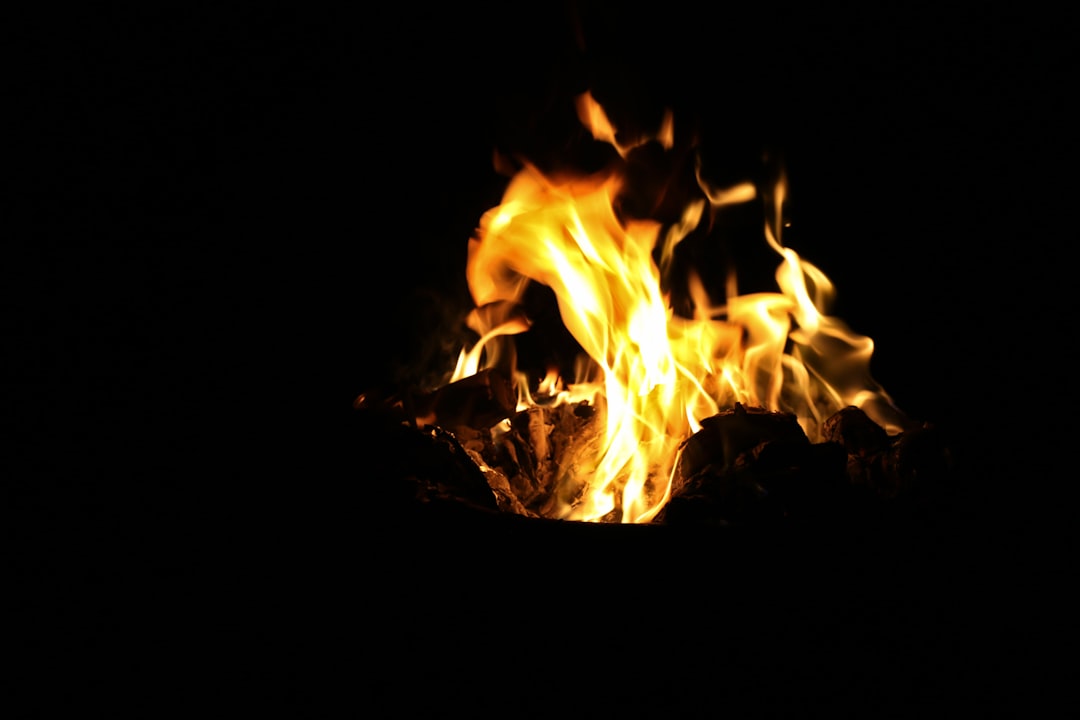
The celebrations feature spectacular processions. People carry flaming torches through ancient streets. Huge bonfires light up the night sky. Firework displays amaze spectators. But remember - safety comes first. Always follow official guidance. Respect local residents. Be aware of your surroundings.
History and Significance of Lewes Bonfire
Lewes bonfire tradition dates back centuries. It began as anti-Catholic protest. Now it celebrates British history. Six separate bonfire societies organize the event. Each society has its own procession and fire site.
The Gunpowder Plot Connection
In 1605, Guy Fawkes plotted to blow up Parliament. The plot failed on November 5th. This became known as Bonfire Night. People celebrate with fireworks and bonfires. Lewes takes this celebration very seriously.
Local Martyrs Remembered
Lewes has special historical significance. Seventeen Protestant martyrs were burned there. This happened during Queen Mary's reign. The bonfire societies honor these martyrs. They carry effigies through the streets.
The tradition almost died out in the 19th century. But it revived strongly in the 20th century. Today, it attracts visitors from around the world. The event combines history, spectacle, and community spirit.
Current Safety Warnings and Official Guidance
Authorities issued important safety warnings this year. These come from multiple organizations. Sussex Police, East Sussex Fire Service, and Lewes District Council all contributed. Their main concerns involve crowd safety and traffic management.
Official Safety Recommendations
The official guidance includes several key points. Always keep a safe distance from bonfires. Stay behind safety barriers. Follow instructions from marshals and police. Wear appropriate clothing. Avoid bringing alcohol to the event.
Emergency services will be present throughout. Paramedics will be stationed at key locations. Fire crews will monitor all bonfire sites. Police will manage crowd movements. Report any concerns immediately to officials.
Prohibited Items and Restrictions
Certain items are strictly prohibited. These include:
- Personal fireworks or sparklers
- Alcohol in public areas
- Large bags or backpacks
- Drones or other flying devices
- Professional camera equipment without permission
Security checks may occur at entry points. Follow all instructions from security staff. These measures ensure everyone's safety.
Travel Planning and Transportation Options
Travel to Lewes requires careful planning. The town's small roads cannot handle large traffic volumes. Public transport becomes extremely busy. Consider all options before deciding how to travel.
Road Closures and Parking Restrictions
Multiple road closures will be in effect. These typically begin around 4:00 PM. Most central roads close completely. Parking becomes nearly impossible. Authorities will tow illegally parked vehicles.
Official park-and-ride services operate from outside Lewes. These are highly recommended. Check the East Sussex County Council website for locations. Book parking in advance when possible.
Public Transport Advice
Trains to Lewes will be extremely crowded. Southern Railway typically runs extra services. But expect significant delays. Purchase return tickets in advance. Check National Rail for latest updates.
Buses may follow diverted routes. Allow extra travel time. Consider staying overnight if traveling long distances. Local accommodation books up months in advance.
Event Schedule and Key Viewing Locations
The bonfire celebrations follow a detailed schedule. Processions begin in late afternoon. Each bonfire society follows its own route. Main events typically start around 5:30 PM.
Procession Routes and Timing
Six separate processions move through Lewes. They converge at different bonfire sites. The largest procession involves thousands of participants. They carry flaming torches and historical effigies.
Key viewing areas include:
- High Street (for early processions)
- Cliffe Bridge area
- School Hill
- Landport area
Arrive early to secure good viewing spots. The best locations fill up quickly. Be prepared to stand for several hours.
Bonfire and Firework Display Times
Bonfires are typically lit around 7:00 PM. Firework displays follow immediately. Different societies have slightly different timings. The main displays last approximately 20-30 minutes.
The largest bonfire occurs at the Lewes War Memorial. This features the burning of effigies. These often include contemporary political figures.
Practical Safety Tips for Attendees
Your safety depends largely on preparation. Follow these practical tips for a safe experience.
Clothing and Equipment
Wear appropriate clothing for November weather. The event occurs entirely outdoors. Temperatures can drop significantly after dark. Recommended items include:
- Warm, waterproof coat
- Sturdy, comfortable shoes
- Hat and gloves
- Ear protection for children
- Small backpack with essentials
Avoid loose, flowing clothing near fires. Synthetic materials can melt from sparks. Choose natural fibers like wool or cotton.
Family Safety Measures
Keep children close at all times. The crowds can be overwhelming. Establish a meeting point in case you get separated. Teach children to identify police officers or marshals.
Consider these additional precautions:
- Write your phone number on children's arms
- Take a recent photo of your children that day
- Dress children in bright, distinctive clothing
- Use child safety reins for younger children
Emergency Procedures and Contact Information
Despite best efforts, emergencies can happen. Know how to respond appropriately.
Emergency Services Locations
First aid stations are located throughout the town. These are clearly marked and staffed by medical professionals. The main first aid post is typically near the Town Hall.
Police officers patrol all procession routes. They wear high-visibility clothing. Look for them if you need assistance.
Important Contact Numbers
Save these numbers in your phone:
- Emergency services: 999
- Non-emergency police: 101
- Lewes District Council: 01273 471600
- Travel information: 0871 200 2233
Program these before you leave home. Phone signals may be unreliable due to network congestion.
Frequently Asked Questions (FAQ)
What time should I arrive in Lewes?
Arrive by 3:00 PM at the latest. This gives you time to find parking and a good viewing spot. Earlier arrival is better if possible.
Can I bring my own fireworks or sparklers?
No. Personal fireworks are strictly prohibited. This includes sparklers. They pose serious safety risks in crowded conditions.
Are there facilities for disabled visitors?
Yes, but access is limited due to crowded streets. Designated viewing areas exist for wheelchair users. Contact the council in advance for specific arrangements.
What happens if it rains?
The event goes ahead regardless of weather. Only extreme conditions would cause cancellation. Check official channels for updates.
Can I take photographs?
Personal photography is allowed. Professional equipment requires permission. Be respectful of other spectators when taking pictures.
Are there food and drink vendors?
Yes, numerous food stalls operate throughout the town. However, queues can be long. Consider bringing snacks and water.
What is the best way to leave after the event?
Expect significant delays when leaving. Public transport will be extremely busy. Consider waiting in a local pub or café until crowds thin.
Real Experiences and Visitor Stories
Many visitors return year after year. They describe the event as unforgettable. The atmosphere is electric. The historical significance adds depth to the spectacle.
One regular attendee shared: "My family has attended for 15 years. We always plan meticulously. The key is arriving early and dressing warmly. The sight of thousands of torches moving through ancient streets is magical."
Another visitor noted: "The organization is impressive given the crowds. Marshals work hard to keep everyone safe. Follow their instructions and you'll have a wonderful time."
First-time visitors often express amazement. The scale surprises many people. The combination of fire, history, and community creates a unique experience.
Statistics and Event Impact
The Lewes Bonfire celebrations have significant impact. Understanding the numbers helps appreciate the scale.
Key statistics include:
- Attendance: 30,000-50,000 people annually
- Participants: Over 3,000 torchbearers
- Economic impact: Estimated £2 million for local businesses
- Emergency services: 200+ personnel deployed
- Bonfire sites: 6 separate locations
Sources: Lewes District Council, Sussex Police
The event requires massive coordination. Multiple agencies work together for months. Their planning ensures public safety while maintaining tradition.
Step-by-Step Guide to Attending Safely
Follow this simple guide for a safe and enjoyable experience.
Step 1: Pre-Event Planning (4-6 weeks before)
Research travel options. Book accommodation if staying overnight. Check official websites for updates. Plan your viewing location.
Step 2: Day Before Preparation
Check weather forecasts. Charge your phone fully. Prepare appropriate clothing. Pack essential items.
Step 3: Travel Day Strategy
Leave early. Allow extra travel time. Follow recommended parking advice. Use public transport when possible.
Step 4: During the Event
Stay aware of your surroundings. Keep children close. Follow official instructions. Respect safety barriers.
Step 5: After the Displays
Wait for crowds to disperse. Use less busy exit routes. Check transport timetables. Drive carefully when leaving.
Conclusion: Balancing Tradition and Safety
The Lewes Bonfire celebrations represent centuries of tradition. They showcase community spirit and historical remembrance. However, modern safety concerns cannot be ignored. This year's warnings reflect genuine risks.
By planning carefully and following guidance, you can enjoy this spectacular event safely. The key is preparation. Understand the travel challenges. Respect the safety measures. Appreciate the historical significance.
Thousands of people attend without incident each year. They create lasting memories of firelit processions and spectacular displays. With proper planning, you can join them safely.
Remember that safety enhances enjoyment. Following rules doesn't diminish the experience. It ensures everyone can appreciate this unique tradition. The Lewes Bonfire remains one of Britain's most remarkable cultural events.
Check official sources right before traveling. Conditions can change rapidly. Stay informed and stay safe. Then immerse yourself in this unforgettable celebration of history and community.