
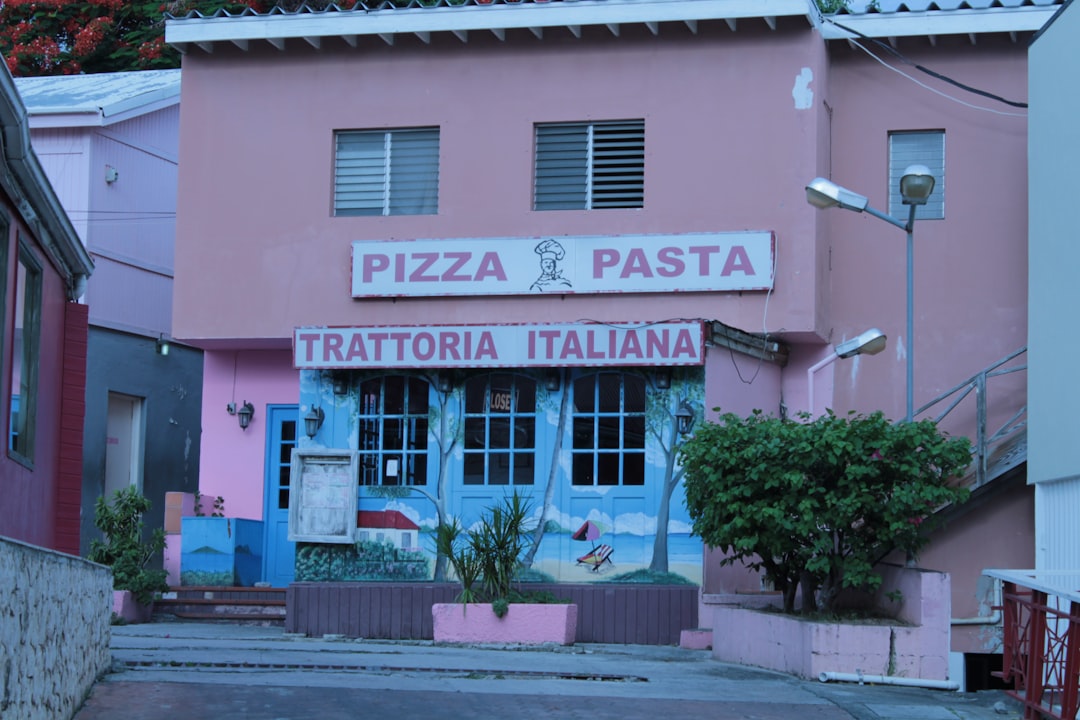
Italy's Secret: Stop Being a Tourist, Start Living Like a Local
Introduction: The Difference Between Seeing and Experiencing Italy
Italy receives over 60 million tourists each year. Most visit the same famous spots. They take the same photos. They eat at tourist restaurants. They miss the real Italy. Being a follower means something different. It means following local rhythms. It means discovering hidden gems. It means connecting with Italian culture deeply.
This guide will transform how you experience Italy. You will learn to move beyond surface tourism. You will discover how to live temporarily as Italians do. The rewards are incredible. You will find quieter piazzas. You will taste authentic regional dishes. You will make local friends. You will create memories that last forever.
According to Statista, tourism represents about 13% of Italy's GDP. Yet most visitors only scratch the surface. They follow crowded routes. They miss the soul of this beautiful country. This article will change that for you.
Understanding Italian Daily Rhythms
The Italian Day Structure
Italians follow specific daily patterns. Understanding these rhythms is crucial. Your day should start with a proper breakfast. Italians typically enjoy a light morning meal. They might have coffee with pastry. Lunch is the main meal for many Italians. Businesses often close from 1 PM to 4 PM. This is the famous riposo or siesta time.
Evenings begin later in Italy. Dinner might start at 8 PM or even 9 PM. Families often take evening walks. This is called the passeggiata. Everyone strolls through town centers. They meet friends. They enjoy the cool evening air. Following these patterns helps you blend in.
Seasonal Changes in Italian Life
Italy changes dramatically with the seasons. Summer brings beach trips and festivals. Autumn means harvest celebrations. Winter features Christmas markets. Spring welcomes outdoor dining again. Each season offers unique experiences.
Local festivals happen year-round. These are called sagre. They celebrate local foods and traditions. Attending these events lets you see real Italian culture. You will find them in small towns across the country.
Mastering Basic Italian Social Customs
Greetings and Interactions
Italians value proper greetings. Always say "buongiorno" (good day) when entering shops. Use "buonasera" (good evening) after 4 PM. When leaving, say "arrivederci" (goodbye). These small courtesies matter greatly.
Italians often greet friends with kisses. Usually, they kiss both cheeks. Start with the right cheek. This shows respect and friendliness. Handshakes work for formal situations.
Dining Etiquette Essentials
Italian dining has specific rules. Never ask for cheese to put on seafood pasta. This insults the chef. Do not order cappuccino after 11 AM. Italians consider it a breakfast drink. Always wait for the "buon appetito" wish before eating.
When dining out, take your time. Meals are social experiences. Rushing through courses seems rude. Enjoy the conversation between dishes. This is the Italian way.
Shopping and Eating Like an Italian
Navigating Local Markets
Italian markets offer authentic experiences. Visit morning markets for fresh produce. Go to specialty markets for specific items. For example, Rome's Campo de' Fiori has beautiful flower markets. Florence's San Lorenzo Market offers leather goods.
When shopping at markets:
- Arrive early for best selection
- Bring reusable bags
- Learn basic bargaining phrases
- Ask vendors for recommendations
- Sample products when offered
Avoiding Tourist Restaurant Traps
Tourist restaurants often have:
- Menus in multiple languages
- Photos of food
- Staff standing outside urging you to enter
- Located right near major attractions
Instead, look for these signs of authentic restaurants:
- Menu only in Italian
- Full of local customers
- Located on side streets
- Reasonable prices
- Seasonal specials
The Italian National Tourist Board provides excellent resources for finding authentic dining experiences.
Transportation Tips for Authentic Travel
Using Public Transportation
Italians use public transport daily. Mastering local systems helps you blend in. Buy tickets before boarding buses. Validate tickets in machines on board. Regional trains offer beautiful countryside views. They connect small towns tourists miss.
Consider these transportation options:
- Regional trains for day trips
- Local buses for village access
- Bicycles in flat cities like Ferrara
- Walking in historic centers
Driving in Italy Like a Local
Driving reveals hidden Italy. You can reach remote villages. You discover beautiful countryside. But Italian driving has rules. Understand these before renting a car.
Important driving tips:
- Get an International Driving Permit
- Learn basic road signs
- Understand ZTL zones (limited traffic areas)
- Always carry required documents
- Purchase vignettes for highways
Finding Hidden Gems Beyond Tourist Spots
Discovering Lesser-Known Regions
While Rome, Florence, and Venice attract crowds, other regions offer authentic experiences. Consider visiting:
- Le Marche: Called "the new Tuscany" with fewer tourists
- Puglia: Beautiful trulli houses and olive groves
- Umbria: Green heart of Italy with medieval towns
- Basilicata: Ancient cave dwellings and dramatic landscapes
These regions offer lower prices. They provide more personal interactions. You experience traditional Italian life.
Exploring Neighborhoods in Major Cities
Even in popular cities, some neighborhoods feel local. In Rome, try Testaccio instead of Trastevere. In Florence, visit Santo Spirito beyond the Duomo. In Milan, explore Navigli instead of just the cathedral area.
These neighborhoods have:
- Local markets
- Neighborhood restaurants
- Community events
- Reasonable prices
- Authentic atmosphere
Practical Step-by-Step Guide to Living Like a Local
Preparation Before Your Trip
Proper preparation makes transition easier. Follow these steps:
- Learn basic Italian phrases beyond greetings
- Research local festivals during your visit dates
- Book accommodation in residential neighborhoods
- Download local transportation apps
- Follow Italian food blogs for current recommendations
Your First Days in Italy
Arriving in Italy requires adjustment. Here is your action plan:
- Visit a local supermarket for essentials
- Find the nearest cafe and become a regular
- Locate the neighborhood bakery and fruit stand
- Identify the closest public transportation stops
- Introduce yourself to your accommodation neighbors
Building Local Connections
Making local friends enhances your experience. Try these approaches:
- Take a cooking class with local instructors
- Join community events or language exchanges
- Volunteer for local causes or cleanup projects
- Participate in neighborhood sports activities
- Attend local church services or cultural events
Real Examples of Transformative Local Experiences
Case Study: Sarah's Month in Sicily
Sarah planned one week in Sicily. She extended to one month. How? She discovered local life. She volunteered at a lemon farm. She learned Sicilian recipes from neighbors. She joined the town's festival committee.
Sarah's key discoveries:
- Local families invited her for Sunday dinners
- She learned dialect words not in textbooks
- Shopkeepers gave her "local prices" instead of tourist rates
- She discovered secret beaches only locals know
Case Study: Marco's Roman Transformation
Marco visited Rome five times as a tourist. On his sixth visit, he tried something different. He rented an apartment in Garbatella. He shopped at the local market daily. He joined a neighborhood bocce team.
Marco's experience changed completely:
- Neighbors greeted him by name
- Market vendors saved best produce for him
- He received invitations to family celebrations
- He discovered hidden archaeological sites
Frequently Asked Questions About Living Like a Local in Italy
How much Italian do I need to know?
Basic phrases help greatly. Learn greetings, please, thank you, and numbers. Italians appreciate effort. Even broken Italian receives warm responses. Use translation apps for complex conversations.
Is it safe to explore non-tourist areas?
Most Italian towns are very safe. Use normal precautions. Avoid deserted areas at night. Keep valuables secure. Research areas beforehand. Local police are helpful if needed.
How do I find authentic restaurants?
Look for places filled with Italians. Check if menus feature seasonal specials. Ask hotel staff for personal recommendations. Avoid restaurants with hawkers outside. Wander away from main squares.
What if I make cultural mistakes?
Italians are generally forgiving of visitors. Smile and apologize if you offend. Most appreciate that you're trying. Learn from mistakes. Each error teaches you more about local customs.
How can I meet locals beyond service interactions?
Join activities Italians enjoy. Take cooking classes. Participate in local festivals. Visit neighborhood cafes regularly. Attend cultural events. Volunteer for community projects.
Are there regions better for authentic experiences?
Southern Italy and smaller towns offer more immersion. Regions like Calabria, Basilicata, and Molise see fewer tourists. Even in popular regions, smaller towns provide authentic experiences.
How do I handle the afternoon closure period?
Plan accordingly. Shop in mornings. Visit museums that remain open. Enjoy long lunches like locals. Use the time for relaxation. Evening activities start later anyway.
Important Statistics About Italian Tourism
Understanding tourism patterns helps you avoid crowds. Consider these statistics from ISTAT (Italian National Institute of Statistics):
- 82% of tourists visit only 20% of Italian territory
- Venice receives over 30,000 tourists per square kilometer annually
- Less than 15% of visitors venture beyond major cities
- Small towns in Basilicata see under 50,000 visitors yearly
- Over 70% of tourism spending concentrates in five regions
The World Tourism Organization reports that experiential travel grows 15% annually. More travelers seek authentic experiences beyond typical tourism.
Conclusion: Your Journey to Becoming a Temporary Italian
Transforming from tourist to temporary local requires mindset shift. It means embracing Italian rhythms. It involves curiosity about daily life. It demands willingness to try new things. The rewards outweigh the effort.
You will discover Italy's true beauty. Not just in famous monuments. But in morning market conversations. In shared meals with new friends. In understanding local traditions. These experiences create lasting connections.
Start planning your authentic Italian journey today. Choose one region to explore deeply. Learn basic phrases. Research local festivals. Book neighborhood accommodation. Your transformation begins with these small steps.
Italy awaits beyond the tourist trail. The real magic happens where locals live, work, and celebrate. Become part of that magic. Create memories that will call you back to Italy for years to come.
Ready to begin your journey? Check out our Italy preparation guide for more detailed planning tips.