
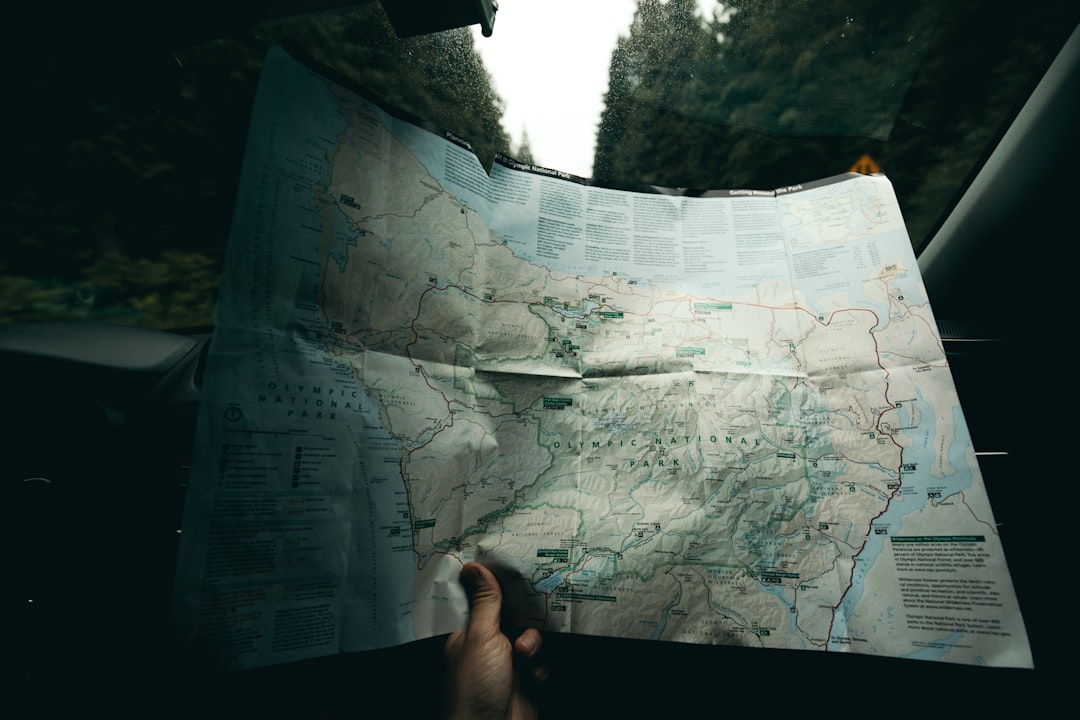
Is There a 50/50 Chance of Losing Something When Traveling? The Surprising Truth
Introduction: The Traveler's Biggest Fear
Have you ever worried about losing things while traveling? Many people do. The thought of losing passports, money, or phones can ruin a trip. But is there really a 50/50 chance of this happening? Let's explore the facts.
Traveling should be fun and exciting. But losing important items can cause stress. This article will help you understand the real risks. We will share statistics and stories from real travelers. You will learn how to protect your belongings.
We will also give you practical tips. These tips can help prevent loss. They can make your travels safer and more enjoyable. Let's begin our journey into travel safety.
The Real Statistics: What Numbers Tell Us
Many people think losing things while traveling is common. But what do the numbers say? Let's look at some real data.
Airport Lost Item Statistics
Airports see many lost items every day. According to TSA, thousands of items are left at security checkpoints. Common lost items include phones, laptops, and wallets.
But the chance of losing something isn't 50/50. Statistics show it's much lower. For example, only about 1% of travelers report lost items. This means 99 out of 100 people don't lose anything major.
Hotel Loss Reports
Hotels also deal with lost items. A study by American Hotel & Lodging Association found interesting facts. The most commonly left items in hotels are:
- Phone chargers
- Clothing items
- Toiletries
- Books
- Jewelry
Most hotels have lost and found departments. About 80% of lost items are returned to their owners. This is good news for travelers.
Common Items Travelers Lose
Some items are lost more often than others. Knowing what these are can help you be more careful.
Small Electronic Devices
Phones and cameras are commonly lost. People put them down and forget them. Always check your seats before leaving anywhere.
Important Documents
Passports and tickets can be lost. This causes big problems. Keep them in a safe place at all times.
Money and Credit Cards
Cash and cards can slip out of pockets. Use secure wallets or money belts. Don't carry all your money in one place.
Why People Lose Things While Traveling
Understanding why items get lost can help prevent it. Here are the main reasons.
Distraction and Fatigue
Traveling can be tiring. Jet lag makes people forgetful. When you're tired, you're more likely to leave things behind.
Rushing and Stress
People often rush to catch planes or trains. In hurry, items get left in taxis or hotels. Always take a moment to check your belongings.
Too Many Belongings
Carrying too much makes it hard to keep track. Pack light and organized. Know where everything is in your bags.
Practical Prevention Strategies
Now let's talk about how to prevent loss. These tips are easy to follow.
Before You Travel
Preparation is key. Make copies of important documents. Take photos of your luggage contents. Use tracking devices on valuable items.
During Your Trip
Create habits that prevent loss. Always do a "double-check" before leaving places. Keep important items in the same place always.
Technology Helpers
Use technology to your advantage. Apps like Find My Phone can locate lost devices. Bluetooth trackers help find keys and bags.
What to Do If You Lose Something
Sometimes, despite precautions, items get lost. Here's what to do.
Immediate Steps
Don't panic. Retrace your steps. Contact the place you last remember having the item. Check with lost and found offices.
Important Documents
If you lose a passport, contact your embassy immediately. For credit cards, call your bank to cancel them. Keep emergency numbers handy.
Insurance Claims
Travel insurance can help. Take photos of valuable items before traveling. Keep receipts for expensive items. This makes claims easier.
Real Traveler Stories
Hearing from other travelers can be helpful. These stories show common situations.
Sarah's Phone Story
Sarah left her phone in a Paris cafe. She retraced her steps and found it. The staff had kept it safe for her. Always check with staff where you last were.
Mike's Passport Experience
Mike lost his passport in Thailand. He had made copies which helped. The embassy issued a new one quickly. Copies save time and stress.
FAQ: Frequently Asked Questions
What is the most common lost item?
Phone chargers are lost most often. People unplug them and forget. Always check power outlets before leaving.
Should I use money belts?
Yes, money belts are great for important items. They keep passports and money safe. Wear them under clothing for security.
How can I remember my belongings?
Create a mental checklist. Go through it every time you leave somewhere. Check seats, tables, and power outlets.
Is travel insurance worth it?
Yes, good travel insurance is valuable. It can cover lost items and medical emergencies. Read the policy carefully before buying.
What should I do if my luggage is lost?
Report it immediately to airline staff. Keep important items in carry-on bags. Always have a change of clothes in your hand luggage.
Are some destinations riskier?
Busy tourist areas have more theft. But any place can have lost items. Always be careful regardless of location.
How can technology help?
Use tracking devices and apps. Take photos of your items. Cloud storage keeps document copies safe.
Step-by-Step Guide: Protecting Your Belongings
Follow these steps for better security.
Step 1: Preparation
Make copies of documents. Take photos of valuables. Pack organized and light.
Step 2: During Travel
Keep important items with you. Use luggage tags. Don't show valuable items in public.
Step 3: At Accommodation
Use hotel safes. Keep items in the same place. Do regular checks of your belongings.
Conclusion: Travel Smart, Travel Safe
Is there a 50/50 chance of losing something when traveling? The answer is no. Statistics show the risk is much lower. But it still happens to some travelers.
By following the tips in this article, you can reduce risks even more. Preparation and good habits are key. Technology can also help protect your items.
Remember that most lost items are found. People are generally helpful. Stay calm if something gets lost. Follow the steps we discussed.
Travel should be enjoyable. Don't let fear of losing things stop you. With good preparation, you can have safe, worry-free travels. Happy journeys!