
Is Puerto Rico Safe to Travel? Essential Safety Guide & Tips
Introduction: Understanding Safety in Puerto Rico
Many travelers ask: is Puerto Rico safe? The answer is mostly yes. Puerto Rico is a beautiful island. It welcomes millions of visitors each year. Most tourists have safe, wonderful trips. But like any destination, it has some risks. This guide will help you stay safe. We cover everything from crime to natural disasters. You will learn about safe areas. You will get practical safety tips. We include real stories from travelers. Our goal is simple. We want you to have a great trip to Puerto Rico. You can enjoy its beaches, food, and culture. Just be smart and prepared. Let's explore safety in Puerto Rico together.
Puerto Rico is a US territory. This means it follows US laws. English is widely spoken. The tourism industry is well-developed. Most visitors feel comfortable there. However, some areas have higher crime rates. Hurricane season brings weather risks. We will help you navigate these challenges. Our guide uses official data. We include tips from locals. We want you to make informed decisions. Safety starts with knowledge. This comprehensive guide gives you that knowledge. Read on to learn how to stay safe in Puerto Rico.
Current Safety Situation in Puerto Rico
Crime Statistics and Trends
Let's look at the numbers. Crime rates in Puerto Rico have improved. According to FBI crime data, violent crime decreased in recent years. However, property crime remains a concern. Petty theft is the most common issue for tourists. Always watch your belongings. Don't leave valuables in cars. Use hotel safes for important items.
The US Department of State has useful advice. They recommend normal precautions in Puerto Rico. This means being aware of your surroundings. Avoid displaying expensive jewelry or electronics. Don't walk alone at night in unfamiliar areas. These simple steps can prevent most problems.
Tourist Areas vs Local Neighborhoods
Tourist zones are generally safe. These include:
- Old San Juan
- Condado
- Isla Verde
- Dorado
- Fajardo
These areas have more police presence. They're designed for visitors. You'll find good security at hotels and resorts. But some local neighborhoods have higher crime rates. These include parts of:
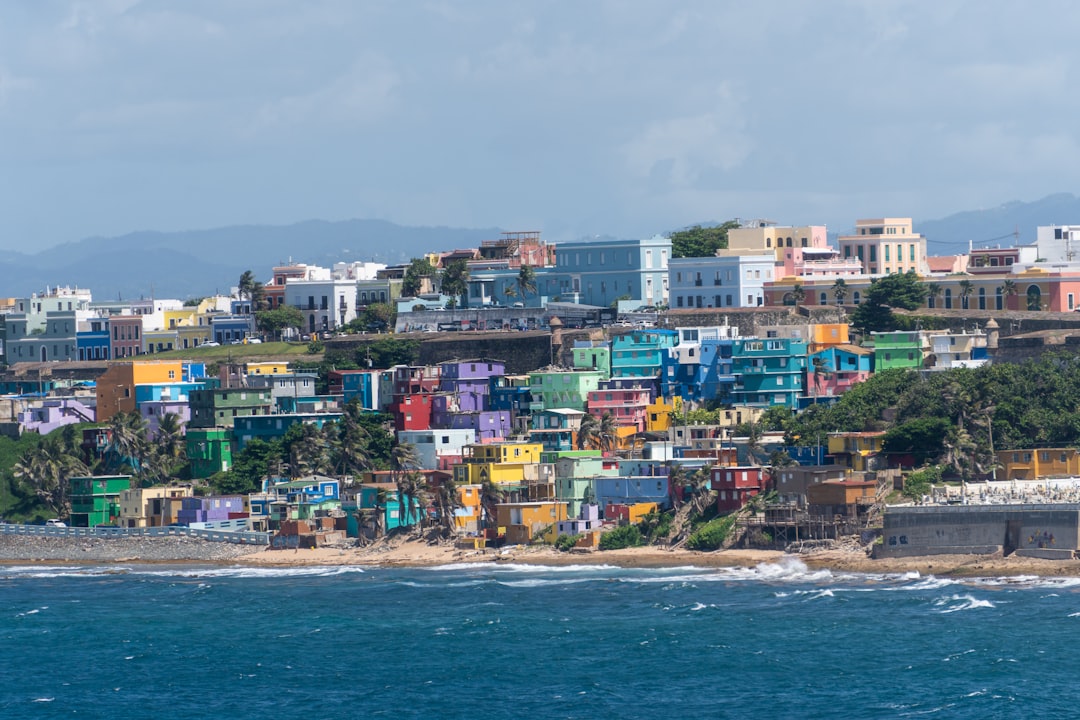
- La Perla (though it has improved)
- Some areas of Ponce
- Certain parts of Bayamón
Most tourists don't visit these areas. If you do, go with a local guide. Always research neighborhoods before visiting.
Natural Disaster Safety
Hurricane Season Preparedness
Hurricane season runs from June to November. The peak is August to October. Check the forecast before your trip. The National Weather Service provides updates. Hotels have emergency plans. Ask about them when you check in.
Here's what to do if a hurricane approaches:
- Follow local news and weather reports
- Keep your phone charged
- Have cash on hand
- Know your hotel's evacuation route
- Stay indoors when officials advise
Earthquake Safety
Puerto Rico has occasional earthquakes. Most are minor. But it's good to know what to do. If you feel shaking:
- Drop to the ground
- Take cover under sturdy furniture
- Hold on until shaking stops
- Stay away from windows
- Don't use elevators
Hotels must meet earthquake safety standards. Follow staff instructions during any emergency.
Health and Medical Safety
Healthcare Facilities
Puerto Rico has good medical care. Major cities have modern hospitals. San Juan has several excellent facilities. These include:
- Ashford Presbyterian Community Hospital
- Medical Center Hospital
- San Juan City Hospital
Doctors often speak English. Medical standards are similar to the mainland US. However, rural areas may have limited services. Always have travel insurance that covers medical evacuation.
Common Health Concerns
Mosquito-borne illnesses can occur. Use insect repellent. The CDC recommends EPA-registered repellents. Dengue fever is present in Puerto Rico. Zika virus cases are rare now. But pregnant women should check current advisories.
Food and water are generally safe. Tap water in cities is treated. But many visitors drink bottled water. This avoids stomach issues. Be careful with street food. Choose vendors with good hygiene practices.
Transportation Safety
Driving in Puerto Rico
Roads can be challenging. Some drivers are aggressive. Mountain roads are narrow and winding. Follow these driving tips:
- Get full insurance coverage
- Avoid driving at night in rural areas
- Watch for pedestrians everywhere
- Be prepared for sudden stops
- Use GPS but be aware it may not show all roads
Public Transportation
Public buses serve San Juan and other cities. They're generally safe during daylight hours. Taxis and ride-sharing services are widely available. Use official taxi stands at airports and hotels. Uber operates in San Juan and tourist areas.
Beach and Water Safety
Ocean Conditions
Puerto Rico's beaches are beautiful but can have strong currents. Always check warning flags:
- Red flag: High hazard, no swimming
- Yellow flag: Medium hazard, swim with caution
- Green flag: Low hazard, safe conditions
- Purple flag: Dangerous marine life
Never swim alone. Don't turn your back on the ocean. Rogue waves can occur. Follow lifeguard instructions at all times.
Water Activities
Popular water activities include:
- Snorkeling
- Scuba diving
- Surfing
- Kayaking
Always use licensed operators. Check equipment before use. Tell someone your plans. Know your physical limits. Don't touch coral or marine life.
Practical Safety Tips for Travelers
Before You Go
Preparation is key to safety. Here's your pre-trip checklist:
- Check travel advisories from official sources
- Purchase comprehensive travel insurance
- Make copies of important documents
- Share your itinerary with family
- Learn basic Spanish phrases
- Research your destinations
- Pack appropriate clothing and supplies
During Your Stay
Stay safe with these daily practices:
- Use hotel safes for passports and extra cash
- Carry only needed money and one credit card
- Keep phones charged and with you
- Stay in well-lit areas at night
- Trust your instincts - if something feels wrong, leave
- Be aware of scams targeting tourists
- Don't accept drinks from strangers
Real Traveler Experiences
Positive Stories
Maria from Ohio visited with her family. "We felt completely safe," she says. "The people were friendly and helpful. We stayed in Condado and explored Old San Juan. We never had any problems. We walked around during the day and took taxis at night."
James from California traveled solo. "I spent two weeks in Puerto Rico. I visited beaches, rainforests, and small towns. Everyone I met was kind. I used common sense and had no safety issues. I can't wait to go back."
Learning Experiences
Some travelers have had minor incidents. Sarah from New York shares: "I left my bag on a beach chair for five minutes. When I returned, my wallet was gone. It was my fault for being careless. Now I never leave valuables unattended."
These stories show that most problems are preventable. Be smart about your belongings. Stay aware of your surroundings.
FAQ: Frequently Asked Questions
Is Puerto Rico safe for solo female travelers?
Yes, Puerto Rico is generally safe for women traveling alone. Use the same precautions you would in any major city. Stay in well-reviewed accommodations. Avoid walking alone late at night. Dress modestly to avoid unwanted attention. Trust your instincts.
Are there areas I should avoid?
Some neighborhoods have higher crime rates. These include parts of San Juan like La Perla. However, even these areas have improved. Most tourists don't visit high-crime areas. Stick to tourist zones and recommended spots.
Is the tap water safe to drink?
Tap water in cities is treated and generally safe. However, many visitors prefer bottled water. This helps avoid stomach issues. In rural areas, stick to bottled water. When in doubt, ask your hotel.
What emergency numbers should I know?
The emergency number is 911, just like in the US. This connects you to police, fire, and medical services. Save your country's embassy number. Keep your hotel's front desk number handy.
How safe are Puerto Rico's beaches?
Most beaches are very safe. Swim where there are lifeguards. Heed warning flags. Don't swim during rough weather. Never swim alone. Avoid remote beaches unless you're with a guide.
Is public transportation safe?
Public buses are safe during daylight hours. Taxis and ride-sharing services are reliable. Use official taxi stands. Avoid unlicensed cabs. Always check that the meter is running.
What about hurricane season?
Hurricane season runs June through November. The peak is August to October. Check forecasts before traveling. Hotels have emergency plans. Travel insurance is essential during this period.
Step-by-Step Safety Planning Guide
Step 1: Research and Preparation
Start planning 2-3 months before your trip. Check current travel advisories. Read recent traveler reviews. Research your specific destinations. Learn about local customs and laws.
Step 2: Documentation and Insurance
Ensure your passport is valid. Make copies of important documents. Purchase comprehensive travel insurance. Verify what it covers, including medical evacuation.
Step 3: Accommodation Selection
Choose well-reviewed hotels in safe areas. Look for properties with good security. Read recent guest reviews about safety. Consider location relative to your planned activities.
Step 4: Packing for Safety
Pack conservative clothing for cultural respect. Include a basic first-aid kit. Bring copies of prescriptions. Pack insect repellent and sunscreen. Include a money belt or hidden pouch.
Step 5: On-the-Ground Practices
Upon arrival, learn local emergency numbers. Identify safe transportation options. Establish communication plans with travel companions. Regularly check weather and news updates.
Conclusion: Your Safe Puerto Rico Adventure Awaits
Puerto Rico is generally a safe destination for travelers. Millions visit each year without incident. The key is using common sense and being prepared. Follow the tips in this guide. Stay in tourist-friendly areas. Be aware of your surroundings. Take normal precautions with valuables.
The island offers incredible experiences. You can explore historic Old San Juan. You can hike in El Yunque rainforest. You can relax on beautiful beaches. The food is amazing. The people are warm and welcoming. Don't let safety concerns stop you from visiting.
Remember that most safety issues are preventable. Plan ahead. Make smart choices. Stay informed. With these steps, you'll likely have a wonderful, safe trip. Puerto Rico's beauty and culture are worth experiencing. Start planning your adventure today. Safe travels!
Ready to book your Puerto Rico trip? Check out our complete Puerto Rico itinerary guide for more planning help.