
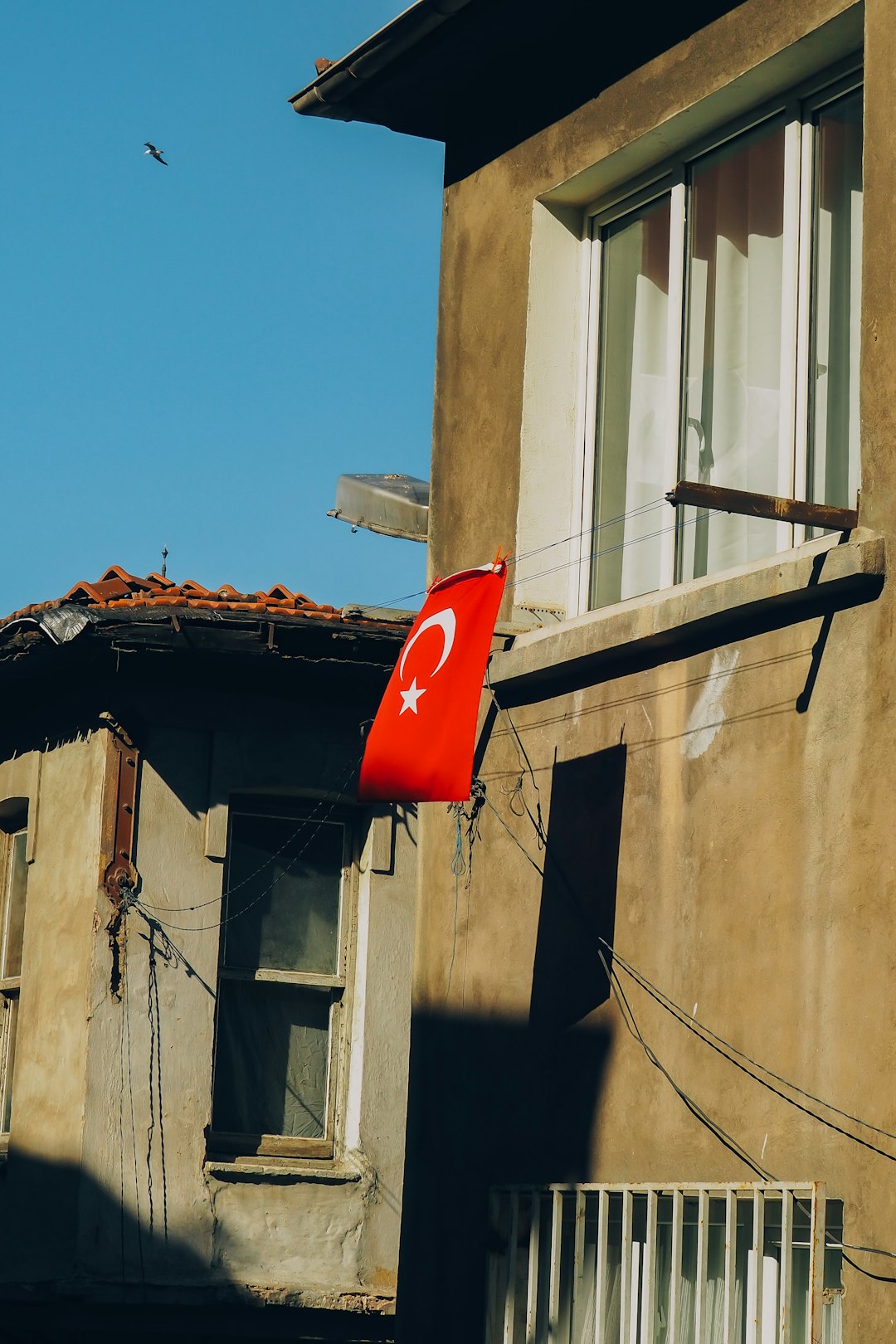
Is It Safe to Travel to Turkey Right Now? Travel Safety Guide
Introduction
Turkey is a beautiful country. It has rich history and culture. Many tourists visit Turkey every year. But is it safe to travel there now? This guide will help you decide.
Turkey sits between Europe and Asia. It offers amazing experiences. You can see ancient ruins. You can enjoy beautiful beaches. The food is delicious too. However, safety concerns exist. Some areas have travel warnings. Other places are perfectly safe.
This article covers everything. We discuss current safety conditions. We look at health and security. We provide practical tips. Our goal is simple. We want you to make informed decisions. Travel should be fun and safe.
We use official sources for information. We check government travel advisories. We include recent data. Our advice is up-to-date. Remember, situations can change. Always check before you travel.
Current Safety Situation in Turkey
Government Travel Advisories
Many countries issue travel advice for Turkey. The advice varies by country. Some areas get warnings. Other areas get all-clear signals.
The UK government says most tourist areas are safe. But they warn about border regions. The US State Department has similar advice. They suggest increased caution.
Canada and Australia have their own advisories. Most say avoid the Syria border area. Also avoid parts near Iraq. Tourist spots like Istanbul and Antalya are generally safe.
Crime Rates and Statistics
Turkey has moderate crime rates. Petty theft is the main concern. Pickpocketing happens in crowded areas. Bag snatching occurs sometimes.
Violent crime against tourists is rare. But it can happen. Always be aware of your surroundings. Don't walk alone at night in strange areas.
According to Numbeo crime statistics, Turkey scores 44.23 out of 100 for safety. This is moderate. It's safer than some European countries. But less safe than others.
Political Situation
Turkey has political demonstrations sometimes. These usually happen in big cities. Most are peaceful. But some turn violent.
Avoid political gatherings. Don't take photos of police or military. Be careful what you discuss in public. Don't criticize the government openly.
Elections can cause tension. Check if any major events are planned during your visit.
Regional Safety Differences
Safe Tourist Areas
Most popular tourist destinations are safe. These include:
- Istanbul - The historic city
- Antalya - Beautiful beaches
- Cappadocia - Amazing landscapes
- Izmir - Coastal city
- Bodrum - Resort town
These areas have good security. Police presence is strong. Tourism is important here. Authorities work hard to keep visitors safe.
Areas to Avoid
Some regions have travel warnings. You should avoid these places:
- Border with Syria
- Border with Iraq
- Southeastern provinces
- Some eastern areas
Check current advisories before traveling. The situation can change quickly. Some mountain areas have PKK activity. Avoid these regions completely.
Border Regions
Border areas can be dangerous. There may be conflict spillover. Landmines exist in some border zones. Terrorist groups operate near borders.
Don't try to cross borders illegally. Use official crossing points only. Follow all instructions from border guards.
Health and Medical Safety
COVID-19 Situation
Turkey handled COVID-19 quite well. Cases have decreased significantly. Most restrictions are lifted. But new variants can appear.
Check current requirements before traveling. You might need vaccination proof. Some places require masks. Hospitals have good facilities in cities.
The World Health Organization monitors the situation. Follow their advice for travel.
Medical Facilities
Turkey has good hospitals in major cities. Private hospitals offer excellent care. Public hospitals are okay but crowded.
Doctors are well-trained. Many speak English. Medical costs are lower than Western countries. But still get travel insurance.
Rural areas have fewer facilities. Serious cases get transferred to cities. Always know where the nearest hospital is.
Food and Water Safety
Turkish food is generally safe. Restaurants in tourist areas maintain hygiene standards. Street food is popular but be careful.
Tap water is not safe to drink. Use bottled water always. Even for brushing teeth. Avoid ice in drinks unless from bottled water.
Wash fruits and vegetables thoroughly. Peel them if possible. Eat cooked foods hot. Avoid raw salads in questionable places.
Transportation Safety
Public Transportation
Public transport is good in cities. Istanbul has metro, trams, and buses. These are generally safe. But crowded vehicles attract pickpockets.
Keep valuables secure. Don't show expensive items. Be aware of your surroundings. Taxis are safe but use reputable companies.
Long-distance buses are comfortable. They have good safety records. Choose well-known companies like Metro or Kamil Koc.
Road Safety
Turkish drivers can be aggressive. Traffic accidents happen often. Be careful when crossing roads. Use pedestrian crossings.
If driving, get international license. Follow speed limits. Avoid driving at night in rural areas. Roads may be poorly lit.
Seat belts are mandatory. Don't drink and drive. Police checkpoints are common. Have documents ready.
Air Travel Safety
Turkish Airlines has good safety records. Domestic flights are reliable. Airports have strict security measures.
Allow extra time for security checks. Follow all instructions from staff. Keep liquids in checked baggage when possible.
Natural Disaster Risks
Earthquakes
Turkey is in an earthquake zone. Major quakes can occur. Know what to do during earthquakes. Stay calm and find cover.
Hotels should have emergency plans. Ask about evacuation procedures. Know where emergency exits are.
The Turkish Disaster Management Authority provides updates. Download their app for alerts.
Other Natural Risks
Forest fires happen in summer. Especially in southern regions. Follow local advice during fire season.
Flooding can occur after heavy rain. Avoid walking in flood waters. Landslides happen in mountainous areas.
Check weather forecasts regularly. Have emergency contacts saved. Know evacuation routes from your accommodation.
Cultural Sensitivity and Local Laws
Respect Local Customs
Turkey is mostly Muslim. Dress modestly especially in religious sites. Women should cover heads in mosques.
Remove shoes before entering homes. Use right hand for eating and greeting. Don't show public affection excessively.
Ramadan requires special consideration. Don't eat or drink in public during daylight hours. Restaurants may have limited service.
Legal Considerations
Drug laws are very strict. Penalties are severe. Don't carry or use illegal substances.
Photography restrictions exist. Don't photograph military installations. Ask permission before taking photos of people.
Antiquities are protected. Don't remove historical artifacts. Buying fake antiquities is illegal too.
Practical Safety Tips for Travelers
Before You Go
Preparation is key for safe travel. Follow these steps:
- Check travel advisories from your government
- Get comprehensive travel insurance
- Make copies of important documents
- Learn basic Turkish phrases
- Research your destinations thoroughly
- Register with your embassy if possible
- Share itinerary with family back home
During Your Stay
Stay safe while enjoying your trip:
- Keep valuables in hotel safe
- Use money belts for cash and cards
- Be aware in crowded places
- Don't carry large amounts of cash
- Use licensed tour operators
- Stay in well-lit areas at night
- Trust your instincts - if something feels wrong, leave
Emergency Preparedness
Know what to do in emergencies:
- Save emergency numbers: Police 155, Ambulance 112, Fire 110
- Know location of nearest hospital
- Have embassy contact information
- Keep emergency cash separate
- Have local SIM card for communication
Frequently Asked Questions
Is Turkey safe for solo female travelers?
Yes, with precautions. Dress modestly. Avoid walking alone at night. Use reputable accommodations. Be firm with unwanted attention.
Can I drink tap water in Turkey?
No. Use bottled water always. Even in good hotels. This prevents stomach issues.
Are taxis safe in Turkey?
Generally yes. Use official taxis. Ensure meter is running. Have small bills for payment. Know your route.
What vaccinations do I need?
Routine vaccines should be current. Hepatitis A and typhoid are recommended. Consult your doctor before travel.
Is public transportation safe?
Yes, but be careful of pickpockets. Keep bags closed and in front. Avoid rush hour crowds if possible.
Can I use credit cards everywhere?
Most places accept cards. But have cash for small purchases. Inform your bank of travel plans.
What should I do in an earthquake?
Drop, cover, and hold on. Stay away from windows. Don't use elevators. Follow local authorities' instructions.
Real Traveler Experiences
Positive Stories
Many travelers have wonderful experiences in Turkey. Sarah from Canada visited last year. She felt safe throughout her trip. The people were friendly and helpful.
Mark from Australia traveled solo for two weeks. He used common sense precautions. He had no safety issues. He recommends Turkey to other travelers.
Learning Experiences
Some travelers faced challenges. Maria from Spain had her phone stolen in a market. She learned to be more careful with belongings.
John from UK got food poisoning from street food. He now avoids uncooked foods from street vendors.
Statistics and Data
Tourism in Turkey is growing again. According to Turkish Statistical Institute, over 45 million tourists visited in 2023.
Crime against tourists remains low. Most incidents involve petty theft. Violent crime is rare in tourist areas.
The OSAC Turkey Crime and Safety Report provides detailed information. It shows improving safety trends.
Step-by-Step Safety Planning Guide
Step 1: Research
Start planning 2-3 months before travel. Check government travel advice. Read recent traveler reviews. Understand regional differences.
Step 2: Preparation
Get necessary vaccinations. Purchase travel insurance. Make document copies. Learn basic local phrases.
Step 3: Packing
Pack appropriate clothing. Include first aid kit. Bring copies of documents. Don't forget medications.
Step 4: During Travel
Stay aware of surroundings. Follow local news. Keep emergency contacts handy. Check in regularly with family.
Step 5: Return
Share feedback with other travelers. Update your reviews. Help others make informed decisions.
Conclusion
Turkey is generally safe for tourists. Most visitors have trouble-free trips. Popular destinations have good security. Common sense precautions are enough.
Stay informed about current conditions. Check travel advisories regularly. Situations can change quickly. Be flexible with plans if needed.
Respect local customs and laws. This improves your experience. It also keeps you safe. Turkish people are welcoming to respectful visitors.
Travel insurance is essential. It covers medical emergencies. It also helps with trip interruptions. Don't travel without it.
Turkey offers amazing experiences. The history is fascinating. The landscapes are breathtaking. The food is delicious. With proper planning, you can enjoy it safely.
We hope this guide helps you. Have a wonderful trip to Turkey. Stay safe and make great memories.