
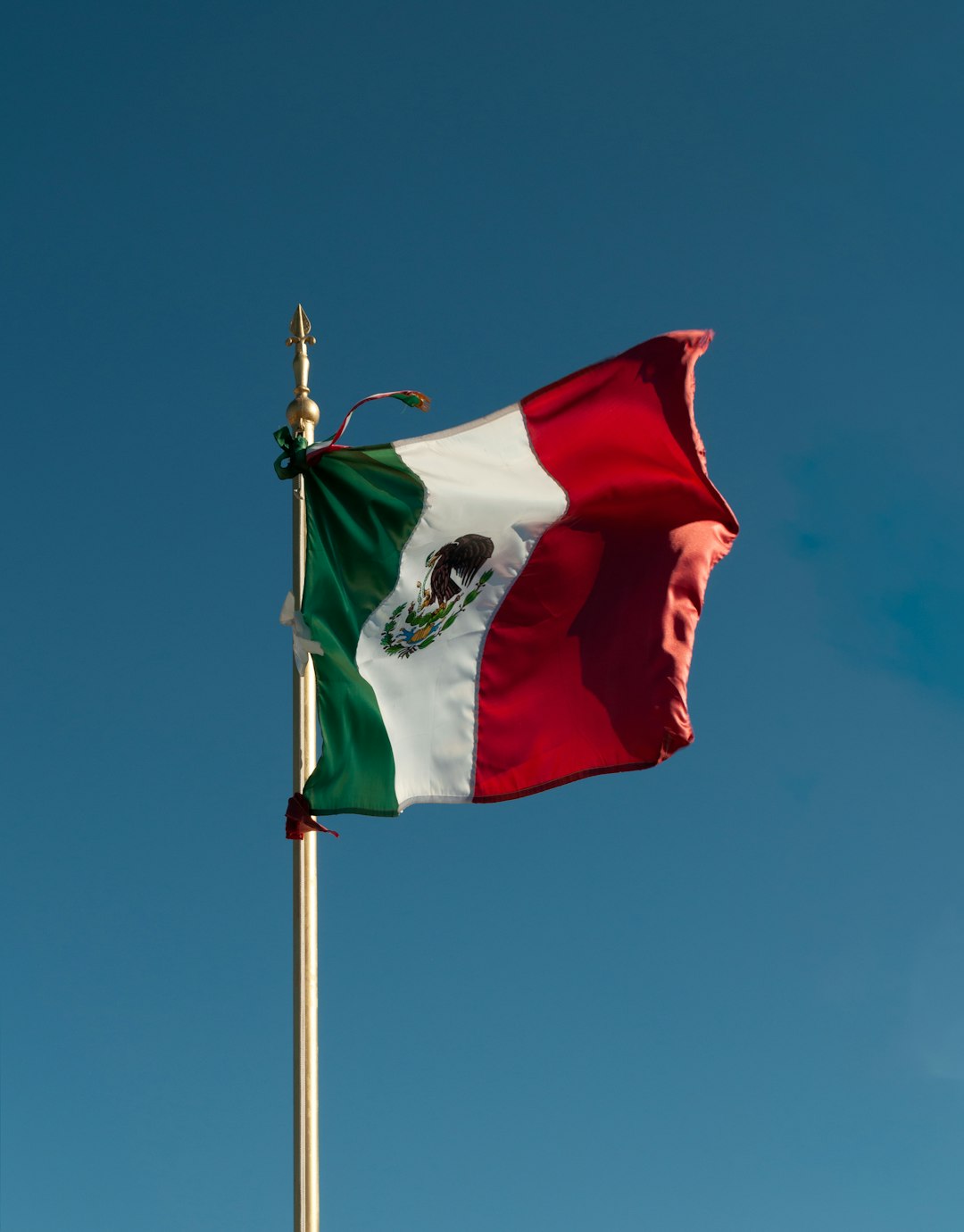
Is It Safe to Travel to Mexico Right Now? Safety Tips & Updates
Introduction: Understanding Mexico Travel Safety
Mexico is a beautiful country. It has amazing beaches. It has rich culture. It has delicious food. Many people want to visit Mexico. But they worry about safety. This is a common concern. The truth is complicated. Some parts of Mexico are very safe. Other areas have problems. This guide will help you understand. We will cover current safety conditions. We will give you practical tips. We will share important resources. Our goal is simple. We want you to make informed decisions. We want you to stay safe if you travel. Mexico has many wonderful places. With proper planning, you can enjoy them safely. Let's explore the facts together. We will look at government advice. We will examine crime statistics. We will hear from travelers. By the end, you will know much more. You will feel more confident about your travel plans.
Travel safety changes often. It varies by region. Popular tourist areas are generally safe. But caution is always wise. We will help you navigate this. We will provide up-to-date information. We will show you how to prepare. We will explain what to avoid. Knowledge is your best protection. Understanding local conditions helps. So does common sense. This guide covers everything you need. From planning to returning home. Let's begin with current travel advisories. These are important starting points.
Current Travel Advisories and Government Warnings
Governments issue travel advisories. These are official recommendations. They help citizens make safe choices. For Mexico, different countries have different advice. It's important to check multiple sources. Here are the main ones to consider.
US State Department Travel Advisory
The US State Department has a system. It uses four levels. Level 1 means exercise normal precautions. Level 2 means exercise increased caution. Level 3 means reconsider travel. Level 4 means do not travel. Mexico has mixed levels. It depends on the state. Some states are Level 2. Others are Level 3 or 4. The US State Department website has details. Check it before you travel. The advice updates regularly.
UK Foreign Office Advice
The UK government also gives advice. It is similar to the US system. They warn about certain areas. They advise against travel to some places. But they say tourist zones are generally safe. The UK Foreign Office website has current information. It's worth checking if you're from the UK.
Canadian Government Travel Advice
Canada has its own system. They provide detailed advice. They note high rates of violent crime. But they distinguish between tourist areas and others. The Government of Canada travel page is updated regularly. It offers specific safety tips.
All governments agree on some points. Tourist areas like Cancun and Los Cabos are safer. But you should still be careful. Border regions have more crime. Some states have drug cartel activity. It's important to know which areas to avoid. We will cover that next.
Regional Safety Breakdown: Where is Safest?
Mexico is a large country. Safety varies greatly by region. Some areas are very safe for tourists. Others pose significant risks. Understanding these differences is crucial. Here's a regional breakdown.
Yucatan Peninsula: Cancun, Tulum, Playa del Carmen
This is Mexico's most popular tourist area. It includes Cancun, Tulum, and Playa del Carmen. These places are generally safe. Millions of tourists visit each year. Most have no problems. Violent crime against tourists is rare. But petty crime exists. Watch your belongings on beaches. Don't leave drinks unattended. Use hotel safes. The Mexican government protects these areas. They want tourists to feel safe. Police presence is strong in tourist zones.
Pacific Coast: Puerto Vallarta, Cabo, Mazatlan
These are also popular destinations. Puerto Vallarta is very safe. Cabo San Lucas is generally safe. Mazatlan has some safer areas. These places depend on tourism. Local authorities work hard to protect visitors. Still, use normal precautions. Don't wander alone at night. Stick to well-lit areas. Avoid displaying wealth.
Central Mexico: Mexico City, Guadalajara
Mexico City is a huge metropolis. It has safe areas and less safe areas. Tourist neighborhoods like Polanco and Condesa are generally safe. But pickpocketing is common on public transport. Guadalajara is relatively safe. But some outskirts have crime issues. In cities, be aware of your surroundings. Don't use unlicensed taxis.
Areas to Avoid
Some regions have high crime rates. These include border states like Tamaulipas. Also some states with cartel activity. These include Guerrero, Colima, and Michoacán. The US State Department advises against travel to these states. Even within safer states, some areas are risky. Always check current advisories. Avoid traveling at night between cities. Stick to toll roads when driving.
Common Safety Concerns and Real Risks
Many travelers worry about safety. But some fears are exaggerated. Others are very real. Let's separate fact from fiction.
Violent Crime Against Tourists
This is many people's biggest fear. But statistics show it's rare in tourist zones. Most violent crime occurs away from tourist areas. It often involves drug cartels. Tourists are rarely targeted. However, incidents can happen. Being in the wrong place is risky. Avoid areas with known crime problems.
Petty Theft and Scams
This is the most common problem. Pickpocketing happens in crowded areas. Bag snatching occurs on beaches. Scams target tourists. These include taxi overcharges. Also timeshare presentations. To avoid these:
- Keep valuables in hotel safe
- Use ATMs in secure locations
- Don't carry large amounts of cash
- Be cautious with new acquaintances
- Use official taxi services
Transportation Safety
Road safety is a concern. Some highways have robbery issues. Public transportation can be risky. Here are some tips:
- Use first-class buses for long trips
- Avoid driving at night
- Stick to toll roads
- Use reputable rental companies
- Don't use unlicensed taxis
Food and Water Safety
This is a common health concern. Tap water is not safe to drink. Always drink bottled water. Avoid ice in drinks unless you're sure it's purified. Street food is generally safe if cooked properly. Choose busy stalls with high turnover. Fruits should be peeled before eating.
Practical Safety Tips for Mexico Travel
Being prepared is key to safety. These practical tips can help. Follow them to reduce risks.
Before You Go
Preparation starts before travel. Do these things:
- Check travel advisories for your destination
- Register with your embassy if possible
- Share your itinerary with family
- Photograph your passport and documents
- Get travel insurance with medical coverage
- Learn basic Spanish phrases
- Research local customs and laws
During Your Stay
While in Mexico, follow these guidelines:
- Stay in well-reviewed accommodations
- Use hotel safes for valuables
- Don't display expensive jewelry or electronics
- Be aware of your surroundings
- Avoid political demonstrations
- Don't purchase or use drugs
- Keep a copy of your passport with you
- Know emergency numbers: 911 throughout Mexico
Money Safety
Financial safety is important. Follow these rules:
- Use ATMs in banks or malls during daylight
- Don't carry all your money in one place
- Use credit cards at established businesses
- Notify your bank of your travel plans
- Keep some cash for emergencies
Health and Medical Safety Considerations
Your health is as important as your safety. Mexico has good medical care in cities. But preparation is key.
Medical Facilities
Major tourist areas have excellent hospitals. Many doctors speak English. But quality varies in rural areas. Know where the nearest good hospital is. Keep emergency numbers handy.
Vaccinations and Health Precautions
Check with your doctor before travel. Routine vaccines should be current. Hepatitis A and typhoid vaccines are recommended. Depending on your activities, others may be needed. The CDC website has current recommendations.
COVID-19 Considerations
Mexico has lifted most COVID restrictions. But cases still occur. Follow local guidelines. Consider wearing masks in crowded places. Carry hand sanitizer. Check requirements for returning to your country.
Food and Water Safety
We mentioned this earlier. It's worth repeating. Only drink bottled or purified water. Avoid raw vegetables unless peeled. Eat at busy restaurants. Wash hands frequently.
Transportation and Getting Around Safely
How you get around affects your safety. Here are the best options.
Air Travel
Flying between cities is safest. Major airports are secure. Use authorized airport taxis. Book with reputable airlines.
Bus Travel
Buses are a popular option. First-class buses are very safe. They have security checks. They use toll roads. Companies like ADO and ETN are reliable. Avoid second-class buses for long distances.
Car Rentals
Renting a car gives freedom. But be careful. Only rent from reputable companies. Get full insurance. Avoid driving at night. Use toll roads when possible. Keep doors locked and windows up.
Taxis and Ride-Sharing
Use official taxi services. Hotel taxis are safest. Ride-sharing apps like Uber are available in many cities. They are generally safe. Avoid unmarked taxis. Never share taxis with strangers.
Real Traveler Experiences and Statistics
Hearing from other travelers helps. Statistics provide context. Let's look at both.
Positive Experiences
Most tourists have great trips. They report feeling safe. They enjoy the culture. They love the food. Many return repeatedly. Tourist satisfaction is high in resort areas. The Mexico Tourism Board reports increasing visitor numbers.
Statistics on Crime Against Tourists
Official statistics show low crime rates in tourist zones. For example, Quintana Roo (Cancun area) has millions of visitors yearly. Very few experience serious crime. Most incidents involve petty theft. Violent crime is uncommon.
When Things Go Wrong
Some travelers have bad experiences. These are often preventable. Common mistakes include:
- Drinking too much alcohol
- Walking alone at night
- Using drugs
- Carrying large amounts of cash
- Resisting during robberies
FAQ: Frequently Asked Questions
Is Mexico safe for solo female travelers?
Yes, with precautions. Stick to tourist areas. Don't walk alone at night. Dress modestly. Use common sense. Many women travel solo safely.
Are all-inclusive resorts safe?
Generally yes. They have security. Staff are trained. But still be careful with drinks and valuables.
Can I drink the water in Mexico?
No. Stick to bottled water. Use it for brushing teeth too. Avoid ice unless from purified water.
Is public transportation safe?
In cities, use caution. Official buses and metro are generally safe. But watch for pickpockets. Avoid crowded buses.
What should I do in an emergency?
Dial 911. Contact your embassy. Have travel insurance information ready. Keep emergency numbers saved.
Are taxis safe in Mexico?
Official taxis are safe. Use hotel taxis or apps. Avoid unmarked cars. Don't share with strangers.
Should I avoid certain areas?
Yes. Check current travel advisories. Generally avoid border regions and states with high crime. Stick to tourist zones.
Step-by-Step Safety Planning Guide
Follow these steps for a safe trip:
Step 1: Research Your Destination
Check travel advisories for your specific destination. Read recent traveler reviews. Understand local customs.
Step 2: Prepare Documents
Ensure passport is valid. Make copies. Get travel insurance. Have emergency contacts ready.
Step 3: Plan Accommodation
Choose well-reviewed hotels. Consider location safety. Check security features.
Step 4: Arrange Transportation
Book airport transfers in advance. Research safe local transport options. Avoid unlicensed services.
Step 5: Pack Smart
Don't bring expensive jewelry. Pack copies of documents. Include basic first aid. Bring required medications.
Step 6: Stay Informed During Trip
Check local news. Follow embassy updates. Be aware of any developing situations.
Conclusion: Making Your Mexico Trip Safe and Enjoyable
Mexico is a wonderful country to visit. Millions do so safely each year. With proper planning, you can too. The key is being informed and cautious. Understand the risks. Take reasonable precautions. Stay in tourist areas. Be aware of your surroundings. Trust your instincts.
Remember that safety varies by region. Popular tourist destinations are generally safe. But always exercise caution. Follow the tips in this guide. Check current advisories before you travel. Register with your embassy if possible. Share your itinerary with someone back home.
Mexico offers incredible experiences. Beautiful beaches. Ancient ruins. Delicious cuisine. Warm people. Don't let fear prevent you from visiting. Instead, let knowledge guide you. Be smart. Be prepared. Then enjoy everything Mexico has to offer. Safe travels!
Have you traveled to Mexico recently? Share your experiences in the comments. Your insights could help other travelers. For more travel safety tips, check our other guides. We cover destinations worldwide. Remember: informed travelers are safe travelers.