Is It Safe to Travel to Israel? Safety Guide & Travel Tips
Introduction: Understanding Israel Travel Safety
Many travelers ask: is it safe to travel to Israel? This question comes up often. Israel is a beautiful country. It has rich history and culture. But safety concerns exist. This guide will help you understand the risks. We will cover current safety conditions. You will learn about safe areas to visit. We will discuss security measures in place. Travel advisories will be explained. Practical safety tips are included. Real traveler experiences are shared. Statistics from reliable sources are provided. By the end, you can make an informed decision. You will know how to stay safe if you visit. Let's explore Israel travel safety together.
Israel receives millions of tourists yearly. Most visits are trouble-free. The country has advanced security systems. However, political tensions exist. Conflict can occur in certain regions. It's important to stay informed. Check current conditions before traveling. Understand local customs and laws. Know which areas to avoid. Have emergency contacts ready. Travel insurance is essential. With proper planning, Israel can be safe to visit. Many travelers have wonderful experiences. They return home with amazing memories.
Current Safety Situation in Israel
The safety situation in Israel changes often. It's important to check current updates. The U.S. Department of State provides travel advisories. Their website has the latest information. As of 2025, Israel has a Level 2 advisory. This means "Exercise Increased Caution." Some areas have higher risk levels. The Gaza border region is Level 4. This means "Do Not Travel." The West Bank is Level 3. This means "Reconsider Travel." Most tourist areas are relatively safe. These include Tel Aviv, Jerusalem, and Haifa. But security incidents can happen anywhere.
Recent Security Developments
Israel has strong security measures. The country faces various threats. These include rocket attacks and terrorism. The government works hard to protect citizens and tourists. Security is visible everywhere. You will see armed guards at public places. There are security checks at entrances. These measures help prevent incidents. Most tourists feel safe during their visit. But it's wise to remain alert. Follow local news during your stay. Register with your embassy upon arrival. Download safety alert apps. Know emergency procedures.
Regional Safety Variations
Safety levels vary across Israel. Coastal cities are generally safer. Tel Aviv has lower risk than border areas. Jerusalem has more security presence. Northern areas near Lebanon have higher risk. Southern areas near Gaza are dangerous. The West Bank requires special permits. Some areas are completely off-limits. Research each destination carefully. Consult updated travel advisories. Talk to your tour operator. Get local advice upon arrival.
Government Travel Advisories Explained
Government travel advisories provide safety information. Different countries have different systems. The U.S. uses a four-level system. Level 1 means "Exercise Normal Precautions." Level 2 means "Exercise Increased Caution." Level 3 means "Reconsider Travel." Level 4 means "Do Not Travel." Israel is currently at Level 2. But some regions have higher levels. The UK uses a similar system. Their travel advice is regularly updated. Australia and Canada also provide advisories. Check your government's website before traveling.
Understanding Advisory Levels
Travel advisory levels help you assess risk. Level 2 doesn't mean don't travel. It means be more careful than usual. Follow local laws and customs. Avoid demonstrations and large crowds. Keep a low profile. Stay in tourist areas. Have emergency plans ready. Level 3 means significant risks exist. Only essential travel should occur. Level 4 means avoid all travel. The area is too dangerous. Currently, Gaza is Level 4. The West Bank is Level 3. Most of Israel is Level 2.
How to Use Travel Advisories
Travel advisories are tools for planning. Check them before booking trips. Monitor them before departure. Continue checking during your travel. Subscribe to alert services. Follow embassy social media. Register your travel plans. Know embassy contact information. Understand what assistance they can provide. Advisories change based on current events. A peaceful period can become risky quickly. Always have a backup plan. Know evacuation routes. Keep important documents safe.
Safe Areas and Regions to Visit
Many parts of Israel are safe for tourists. Popular destinations have good security. Tel Aviv is Israel's cultural capital. It has beautiful beaches and nightlife. Security is strong but not overwhelming. Jerusalem is holy to three religions. It has increased security presence. The Old City has police and cameras. Most visitors feel safe exploring. Haifa is a peaceful port city. It has beautiful gardens and museums. The Dead Sea area is popular with tourists. Eilat is a resort city on the Red Sea. It's far from conflict zones. These areas welcome millions of visitors yearly.
Major Tourist Destinations
- Tel Aviv: Beaches, restaurants, cultural sites
- Jerusalem: Religious sites, historical landmarks
- Haifa: Baha'i Gardens, museums, port area
- Dead Sea: Resorts, natural wonders, spas
- Eilat: Red Sea beaches, diving, resorts
- Nazareth: Religious sites, markets, churches
- Sea of Galilee: Historical sites, boating, fishing
Areas to Exercise Caution
Some areas require extra caution. Border regions near Gaza are risky. The West Bank has security challenges. Areas near Lebanon and Syria are dangerous. Some neighborhoods in East Jerusalem have tensions. Always check current conditions. Avoid areas with recent incidents. Don't travel near military zones. Stay away from demonstrations. Follow local advice about safe routes. Use licensed tour guides in sensitive areas. They know current local conditions.
Safety Tips for Traveling in Israel
Following safety tips can reduce risks. Always carry identification. Keep copies of your passport. Have emergency contacts handy. Learn basic Hebrew phrases. Understand local customs. Dress appropriately for religious sites. Be aware of your surroundings. Avoid political discussions. Don't photograph military installations. Use licensed taxis and tour operators. Keep valuables secure. Don't leave bags unattended. Follow security instructions promptly. Know emergency numbers. Israel's police can be reached at 100. Medical emergency is 101. Fire department is 102.
Transportation Safety
Public transportation is generally safe. Buses have security checks sometimes. Trains are modern and secure. Taxis should be licensed. Use ride-sharing apps for safety. Avoid hitchhiking completely. Don't accept rides from strangers. Driving in Israel requires caution. Local driving styles may differ from yours. Always wear seatbelts. Follow traffic rules carefully. Parking can be challenging in cities. Use guarded parking lots when possible.
Accommodation Safety
Choose accommodations with good security. Look for places with 24-hour reception. Check for security cameras. Ensure rooms have good locks. Use hotel safes for valuables. Keep your room number private. Don't open door to strangers. Know fire escape routes. Keep emergency numbers by your phone. Read hotel safety instructions. Report suspicious activity immediately.
Health and Medical Safety
Israel has excellent medical facilities. Healthcare standards are high. Doctors are well-trained. Hospitals are modern. But medical care can be expensive. Travel insurance is essential. Make sure it covers Israel. Bring enough prescription medications. Keep them in original containers. Have copies of prescriptions. Know your blood type. Stay hydrated in hot weather. Use sunscreen regularly. Be careful with food and water. Tap water is generally safe to drink. But bottled water is available everywhere.
Common Health Concerns
Heat exhaustion is common in summer. Drink plenty of water. Avoid midday sun. Use hats and sunglasses. Food poisoning can occur. Eat at busy restaurants. Avoid street food that looks old. Wash fruits and vegetables. Some areas have mosquitoes. Use insect repellent. Consider vaccinations before travel. Consult your doctor 4-6 weeks before trip. COVID-19 requirements may change. Check current regulations before traveling.
Emergency Medical Services
Israel's emergency medical service is Magen David Adom. Their number is 101. They provide ambulance services. Response times are generally good. Hospitals have emergency departments. Some specialize in trauma care. Medical staff usually speak English. Keep insurance information handy. Know what your policy covers. Have emergency cash available. Medical facilities may require payment upfront.
Cultural Sensitivity and Local Customs
Understanding local customs improves safety. Israel is a multicultural society. Jewish, Muslim, and Christian traditions coexist. Dress modestly in religious sites. Cover shoulders and knees. Remove shoes when required. Be respectful during prayers. Don't take photos without permission. Friday evening to Saturday evening is Shabbat. Many businesses close. Public transportation may not run. Plan accordingly. Muslim areas observe Ramadan. Be respectful during fasting hours. Don't eat or drink publicly during daylight.
Religious Site Etiquette
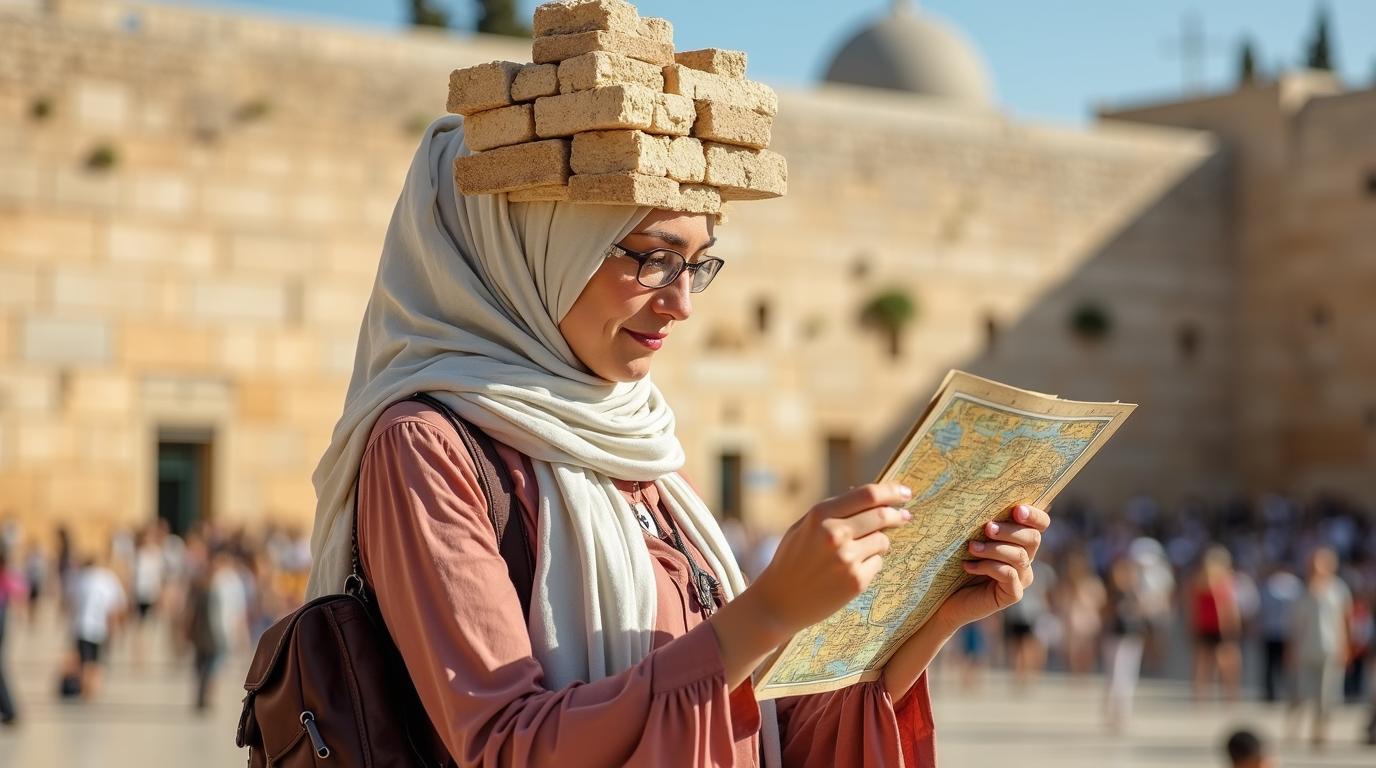
Religious sites have strict rules. The Western Wall has separate sections for men and women. Women should cover their heads. Men should wear kippahs. Church of the Holy Sepulchre requires modest dress. Al-Aqsa Mosque has specific entry requirements. Always follow posted instructions. Be quiet and respectful. Don't use flash photography. Don't touch artifacts unless permitted. Join guided tours for better understanding.
Social and Political Sensitivity
Avoid political discussions with strangers. Don't express strong opinions about conflicts. Be careful with jokes or comments. Listen more than you speak. Learn about local perspectives. Understand different viewpoints. Remember that people have personal experiences with conflict. Be empathetic and patient. Don't compare situations to your home country. Accept that some topics are sensitive.
Practical Safety Tips Section
Here are practical safety tips for Israel travel. Follow these for a safer trip.
Before You Go
- Check travel advisories from your government
- Purchase comprehensive travel insurance
- Learn basic Hebrew phrases
- Make copies of important documents
- Share itinerary with family/friends
- Register with your embassy
- Download safety apps
- Research current local conditions
During Your Stay
- Always carry identification
- Keep emergency numbers handy
- Stay aware of surroundings
- Avoid large crowds and demonstrations
- Follow local news
- Use licensed transportation
- Secure valuables properly
- Follow security instructions immediately
Money and Documents Safety
- Use hotel safes for passports
- Carry minimal cash
- Use credit cards when possible
- Keep copies of documents separately
- Know bank emergency numbers
- Use ATMs in secure locations
- Monitor bank statements regularly
- Report lost cards immediately
FAQ Section: Common Questions Answered
Is it safe for solo female travelers?
Yes, with precautions. Israel is relatively safe for women. But take normal safety measures. Avoid walking alone at night. Use licensed taxis after dark. Dress modestly in religious areas. Stay in well-lit areas. Trust your instincts. Most Israeli women feel safe traveling alone.
Are there areas I should completely avoid?
Yes, some areas are too dangerous. Avoid Gaza completely. Don't visit the West Bank without expert guidance. Stay away from border areas with Lebanon and Syria. Avoid military zones. Don't enter areas with recent violence. Check current advisories for specific locations.
What should I do during rocket attacks?
Israel has bomb shelters everywhere. Know where the nearest shelter is. When sirens sound, you have 90 seconds to reach shelter. Follow local instructions immediately. If no shelter is available, lie flat on ground. Protect your head with hands. Stay away from windows. Wait for all-clear signal.
Is public transportation safe?
Generally yes. Buses and trains have security measures. There may be bag checks. Avoid crowded buses during peak hours. Be aware of your belongings. Use official taxis or ride-sharing services. Don't use unlicensed transportation.
What emergency numbers should I know?
Police: 100
Ambulance: 101
Fire: 102
Tourist Police: 03-516-5382
Your embassy number
Hotel front desk
Tour operator emergency line
Do I need special vaccinations?
Routine vaccinations should be current. Hepatitis A and B are recommended. Typhoid vaccination might be considered. COVID-19 requirements change regularly. Check with your doctor before travel. Update tetanus shot if needed.
How safe is food and water?
Tap water is safe to drink. Food hygiene standards are high. Restaurants are regularly inspected. Still, use common sense. Eat at busy places. Avoid raw foods if you have sensitive stomach. Wash fruits before eating. Bottled water is widely available.
Real Traveler Experiences and Statistics
Most tourists have positive experiences in Israel. According to Israel Ministry of Tourism, over 4 million tourists visited in 2024. 95% reported feeling safe during their stay. 98% said they would recommend Israel to others. Crime rates against tourists are low. Petty theft occurs sometimes in crowded areas. But violent crime is rare. Security incidents affect tourists very rarely.
Positive Visitor Stories
Many travelers share wonderful experiences. They describe friendly locals. They talk about amazing historical sites. Food gets high praise. Safety measures are appreciated. Most feel security presence is reassuring. They note quick response to any concerns. Many return for multiple visits. Family trips are common. Educational tours are popular. Religious pilgrimages occur safely.
Statistics from Reliable Sources
World Bank data shows Israel has low crime rates. The homicide rate is 1.3 per 100,000 people. This is lower than many Western countries. Road accidents are the biggest safety risk. Terrorism incidents are rare but get media attention. The chance of being affected is very small. Most visits proceed without any security issues.
Step-by-Step Safety Planning Guide
Step 1: Research and Planning (2-3 months before)
Check current travel advisories. Research safe areas to visit. Choose reputable tour operators if using. Read recent traveler reviews. Understand local customs and laws. Make preliminary itinerary. Check passport validity. Apply for visas if needed.
Step 2: Preparation (1 month before)
Purchase travel insurance. Get necessary vaccinations. Learn basic local phrases. Make document copies. Inform bank of travel plans. Arrange international phone service. Download safety apps. Book accommodations in safe areas.
Step 3: Final Preparation (1 week before)
Check updated travel advisories. Confirm all bookings. Pack appropriate clothing. Prepare first aid kit. Share itinerary with contacts. Register with embassy. Download offline maps. Learn emergency procedures.
Step 4: During Travel
Stay informed about local news. Follow security instructions. Keep emergency numbers accessible. Stay in touch with family. Be aware of surroundings. Avoid risky areas. Use common sense. Enjoy your trip responsibly.
Step 5: Emergency Response
Know emergency procedures. Have embassy contact information. Keep insurance details handy. Know hospital locations. Have emergency cash. Understand evacuation options. Stay calm in emergencies. Follow official instructions.
Conclusion: Making Your Decision
So, is it safe to travel to Israel? The answer depends on several factors. Current conditions change regularly. Your personal comfort level matters. The specific areas you plan to visit are important. With proper planning and precautions, Israel can be safe to visit. Millions of tourists visit each year without incident. The country has strong security measures. Medical facilities are excellent. Most locals are friendly and helpful.
However, risks do exist. Political tensions can lead to conflict. Some areas are more dangerous than others. You must stay informed and alert. Check current advisories before and during travel. Follow local news and instructions. Have emergency plans ready. Purchase comprehensive travel insurance. Register with your embassy. With these precautions, you can minimize risks.
Many travelers find Israel incredibly rewarding. The historical sites are amazing. The cultural experiences are rich. The food is delicious. The people are warm. Safety concerns shouldn't automatically prevent travel. Instead, they should inform careful planning. Make your decision based on current information. Consider your personal risk tolerance. Consult reliable sources. Talk to recent travelers. Then decide if Israel is right for you now.
Remember that safety is about being prepared. It's about making smart choices. It's about staying aware. With the right approach, you can have a wonderful, safe trip to Israel. The memories will likely last a lifetime. The experience could change your perspective. The adventure might exceed your expectations. Safe travels!