
Is It Safe to Travel to Egypt Right Now? Expert Safety Guide & Travel Tips
Thinking about visiting Egypt? Many travelers ask this important question. Egypt is a land of ancient wonders and modern cities. The pyramids, temples, and Nile River call to adventurers. But safety concerns can make people hesitate. This guide will give you clear, current information. We will look at safety from many angles. You will learn about government advice, local conditions, and practical tips. Our goal is to help you make an informed decision. We want you to feel confident about your travel plans.
Egypt's tourism is very important to its economy. Millions visit each year to see its famous sites. The government works hard to protect tourists. Security is visible in many tourist areas. However, like any country, Egypt has areas to avoid. Understanding the situation is key to a safe trip. This article uses official sources and recent traveler reports. We provide a balanced view of the risks and rewards. By the end, you will know what precautions to take. You will understand how to enjoy Egypt's treasures safely.
Current Safety Situation in Egypt: Official Travel Advisories
Governments issue travel advisories for their citizens. These advisories give safety levels for different countries. They are a good starting point for research. As of late 2024, many countries have updated their Egypt advice.
U.S. State Department Travel Advisory
The U.S. State Department uses a four-level system. Level 1 means exercise normal precautions. Level 4 means do not travel. Egypt is currently at Level 3: Reconsider Travel. This is due to terrorism and limited embassy help. Some areas have a Level 4 warning. These include the Sinai Peninsula (except Sharm El-Sheikh travel corridor) and the Western Desert. The advisory notes increased caution in crowded places. You can check the latest on the official U.S. travel advisory page.
UK Foreign Office Advice
The UK Foreign, Commonwealth & Development Office (FCDO) also advises. Their guidance is similar. They advise against all travel to parts of North Sinai. They advise against all but essential travel to parts of South Sinai and the Western Desert. For the rest of Egypt, the advice is to be vigilant. The FCDO warns of a high threat of terrorism. They mention possible targets like religious sites and airports. Always check the UK government's Egypt travel advice before booking.
Canadian and Australian Government Advice
Canada's advisory is also at a high level of caution. They cite the unpredictable security situation. Australia advises to exercise a high degree of caution overall. They have more severe warnings for border areas. It is vital to read your own government's advice. These advisories are based on intelligence and risk assessment.
Safety in Major Tourist Destinations: Pyramids, Luxor, Aswan
Most tourists visit specific, well-known areas. These places have significant security measures. Let's break down safety in key spots.
Cairo and the Giza Pyramids
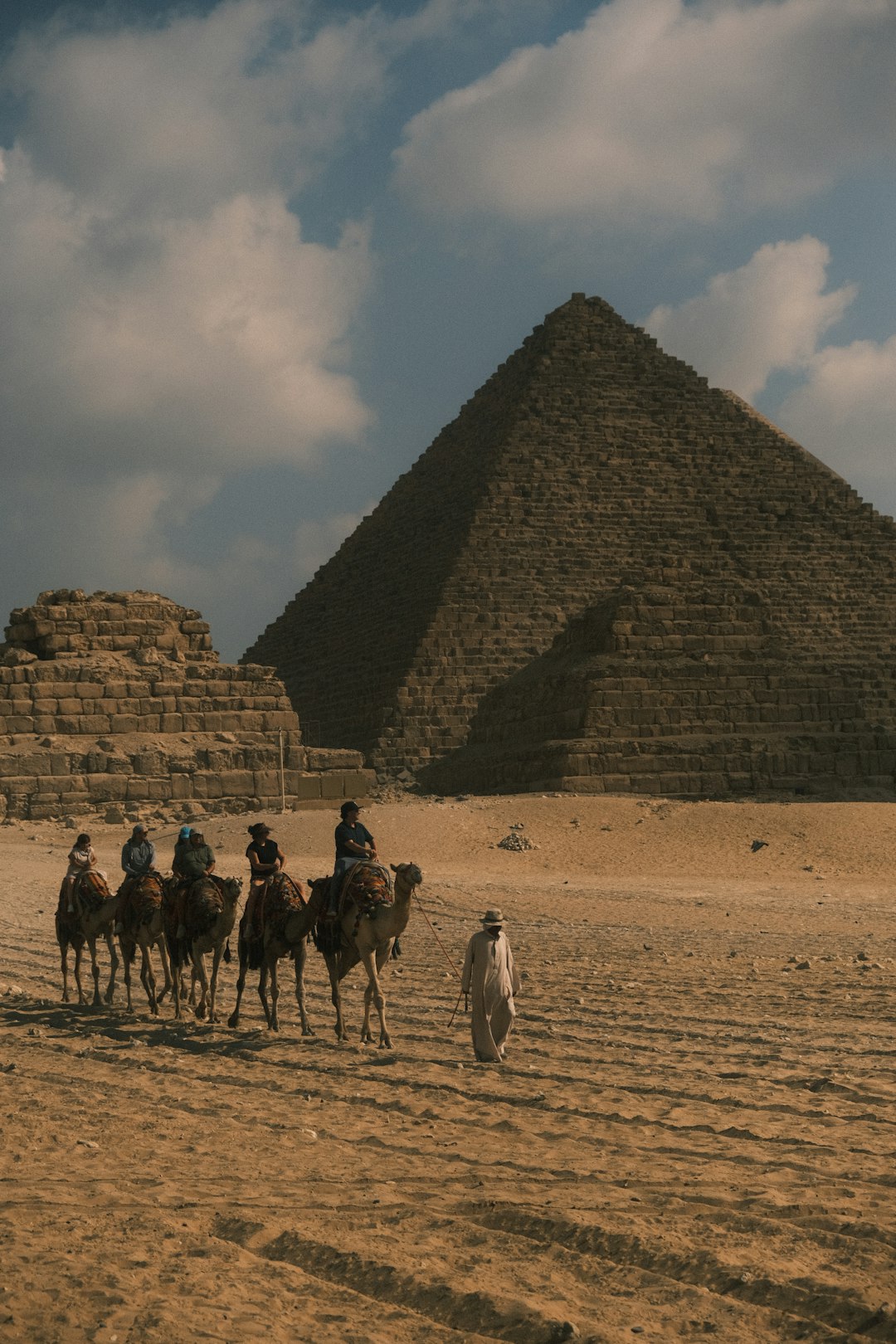
Cairo is a bustling megacity of over 20 million people. Petty crime like pickpocketing can happen in crowded markets. Violent crime against tourists is very rare. The Giza Plateau, home to the pyramids, has a strong security presence. There are police checkpoints and tourist police. The main risks here are scams and hassle from vendors. Always agree on prices for camel rides or photos beforehand. Use licensed guides from your hotel or a reputable tour company. Avoid poorly lit areas at night. Stick to main streets and tourist zones.
Luxor and the Valley of the Kings
Luxor is often called the world's greatest open-air museum. Security is tight around major temples like Karnak and Luxor Temple. The West Bank, home to the Valley of the Kings, is generally safe for tourists. Travel there with a guide or as part of a tour. Be aware of your belongings on ferries crossing the Nile. The overall atmosphere in Luxor is relaxed and focused on tourism.
Aswan and Nile Cruises
Aswan is a peaceful city in southern Egypt. It is considered very safe. The Nubian people are known for their hospitality. Nile cruises between Luxor and Aswan are popular. These cruise ships have their own security. They operate in a controlled environment. This is one of the safest ways to see ancient sites. Walking along the Corniche in Aswan at sunset is generally safe. Always use common sense.
Red Sea Resorts: Hurghada and Sharm El-Sheikh
The Red Sea coast is a different world. Resorts in Hurghada and Sharm El-Sheikh are heavily secured. These areas rely almost entirely on tourism. The UK lifted its flight ban to Sharm El-Sheikh in 2019 after security improvements. These resorts are considered safe for beach holidays and diving. The threat level is lower than in big cities. However, isolated incidents have occurred. Always stay within resort security perimeters unless on a guided tour.
Understanding and Mitigating Key Risks
To stay safe, you must understand the risks. Then you can learn how to reduce them.
Terrorism and Political Unrest
Terrorism is the top concern in government advisories. Extremist groups have targeted tourists in the past. The Egyptian government has greatly increased security. Attacks are possible in public places, tourist sites, and religious festivals. The chance of being caught in an attack is statistically very low. But the impact is high. To mitigate this risk:
- Avoid large crowds and public gatherings.
- Follow the advice of local authorities and security personnel.
- Be aware of your surroundings in airports and train stations.
- Register with your embassy upon arrival so they know you're there.
Petty Crime and Scams
This is the most common issue for tourists. It includes pickpocketing, bag snatching, and overcharging.
- Pickpocketing: Busy markets (like Khan el-Khalili) and crowded metro cars are hotspots. Use a money belt or a cross-body bag. Keep it in front of you.
- Scams: Common scams include "helpful" locals who demand payment, fake tour guides, and taxi drivers not using meters. Always agree on a price before getting in a taxi. Use ride-hailing apps like Uber or Careem in Cairo and Alexandria.
- Vendor Hassle: Vendors can be persistent. A firm "la, shukran" (no, thank you) and walking away works. Do not feel pressured to buy.
Health and Sanitation
Traveler's diarrhea is common. Drink only bottled or purified water. Avoid ice in drinks. Eat cooked food that is served hot. Peel fruits yourself. Consider getting travel insurance that covers medical evacuation. The CDC recommends being up to date on routine vaccines. They also suggest Hepatitis A and Typhoid vaccines for most travelers. Consult a travel clinic before your trip.
Travel for Specific Groups
Solo Travelers: Egypt is manageable for solo travelers, especially men. Solo women may face constant attention and harassment. Dressing conservatively helps. Avoid walking alone at night. Join group tours for day trips.
Female Travelers: Unwanted attention is frequent. Wear loose-fitting clothes that cover shoulders and knees. A wedding ring can deter advances. Ignore catcalls. Use women-only carriages on the Cairo metro.
LGBTQ+ Travelers: Homosexuality is not widely accepted and is technically illegal. Public displays of affection are risky. Be discreet about your relationship. Research LGBTQ+-friendly hotels and tour operators.
Practical Safety Tips for Your Egypt Trip
Here is a step-by-step guide to planning and executing a safe trip.
Step 1: Before You Book
- Check Advisories: Read your government's travel advisory.
- Get Insurance: Buy comprehensive travel insurance. Ensure it covers medical emergencies and trip cancellation.
- Research Areas: Decide which tourist areas you will visit. Avoid restricted zones.
Step 2: Before You Go
- Vaccinations: Visit a travel clinic 4-6 weeks before departure.
- Register: Enroll in your embassy's STEP program (U.S.) or equivalent.
- Copies: Make copies of your passport, visa, and insurance. Email them to yourself.
- Learn Phrases: Learn basic Arabic phrases like "help" (el-hares) and "no" (la).
Step 3: On the Ground in Egypt
- Airport Arrival: Use official airport taxis or pre-book a transfer.
- Money: Use ATMs inside banks. Don't flash large amounts of cash.
- Communication: Buy a local SIM card for data. This helps with maps and Uber.
- Accommodation: Choose reputable hotels with good security reviews.
- Tours: Book tours through your hotel or well-known companies like Viator or GetYourGuide.
Step 4: Daily Precautions
- Tell someone your daily plans.
- Carry the hotel's business card with you.
- Keep emergency numbers saved: Tourist Police (126), Ambulance (123).
- Be respectful of local customs and dress codes.
Real Traveler Experiences and Statistics
Hearing from others who went recently is helpful. Tourism numbers are recovering. According to Statista, Egypt welcomed nearly 12 million tourists in 2023. This is close to pre-pandemic levels. Most visits are trouble-free.
Positive Experience: "I traveled to Cairo, Luxor, and Aswan in 2024 with my family. We felt safe the entire time. The security at sites was reassuring. Our guide was essential for navigating the culture. The only issue was pushy sellers at the pyramids." - Sarah, UK.
Solo Female Experience: "As a solo woman, I got a lot of stares and comments. It was annoying, not scary. I dressed modestly and used Uber everywhere. I joined group tours for day trips. I never felt in physical danger, just mentally tired from the attention." - Mia, Canada.
Red Sea Experience: "Our week in Hurghada was flawless. The resort was gated with security checks. We did a snorkeling trip with a licensed company. Everything felt very controlled and safe for tourists." - Tom & Lisa, Australia.
These stories show that with planning, a safe trip is very possible.
Frequently Asked Questions (FAQ)
1. Is Egypt safe for American tourists right now?
Yes, but with caution. Major tourist sites have heavy security. The U.S. advises "Reconsider Travel" (Level 3). This is due to terrorism risk. Millions of Americans visit safely each year by staying in tourist areas and using guides.
2. What areas of Egypt should I avoid completely?
Avoid the Sinai Peninsula outside the Sharm El-Sheikh resort corridor. Avoid the Western Desert near the Libya border. Avoid North Sinai Governorate. The Egypt-Libya and Egypt-Sudan borders are also high-risk zones. Your government advisory has detailed maps.
3. Are Nile River cruises safe?
Yes, Nile cruises are generally very safe. They operate on a set route between Luxor and Aswan. Security is tight at docks and on board. This is a low-risk, controlled way to see historic sites.
4. Do I need a guide to be safe in Egypt?
You do not absolutely need one, but it is highly recommended. A good guide from a reputable company handles logistics, negotiates with vendors, and provides cultural context. They act as a buffer and enhance safety significantly.
5. How is the food and water safety?
Stick to bottled water. Avoid tap water, even for brushing teeth. Eat at busy restaurants. Enjoy cooked foods like koshary and grilled meats. Be cautious with fresh salads and unpeeled fruit from street stalls.
6. Is it safe to travel to Egypt as a woman?
It can be challenging but safe. Harassment is common. To reduce it, dress conservatively, avoid eye contact with strange men, and use ride-hailing apps. Traveling with a companion or on a group tour is easier.
7. What is the biggest safety mistake tourists make?
The biggest mistake is not researching areas to avoid. Another is not hiring a reputable guide for major sites. This leads to scams and frustration. Also, not dressing respectfully can attract negative attention.
Conclusion: Making Your Decision
So, is it safe to travel to Egypt right now? The answer is not simple. For the cautious and prepared traveler, yes, it can be safe. The iconic sights are open and welcoming visitors. The tourism infrastructure is strong. Security in main tourist areas is visible and robust.
However, safety is not guaranteed. There is a real, though low-probability, risk of terrorism. Petty crime and scams are common annoyances. Travel requires more planning and awareness than a trip to Europe.
Your safety depends on your choices. Will you stay in established tourist corridors? Will you use licensed guides and reputable tour companies? Will you dress and act respectfully? If you answer yes, your risk decreases greatly.
Egypt offers an unforgettable experience. The history is breathtaking. The people are often incredibly warm and generous. For those willing to navigate the challenges, the rewards are immense. Check the latest advisories, buy good insurance, and go with a flexible and alert mindset. The land of the pharaohs awaits.
Ready to plan your adventure? Start by reading more detailed Egypt itineraries on our site. Then, consult with a travel agent who specializes in Egypt. They have the most current on-the-ground knowledge. Safe travels!