
Is It Safe to Travel to Egypt Right Now? Expert Safety Guide
Introduction: Understanding Egypt's Current Travel Safety
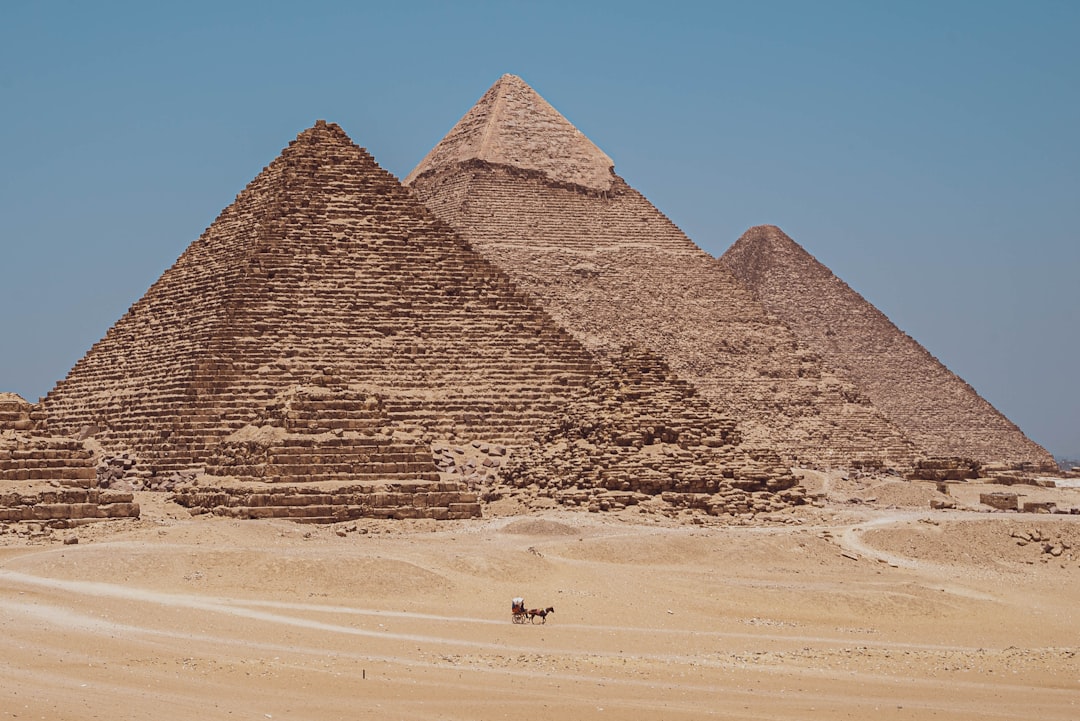
Egypt stands as one of the world's most fascinating destinations. Its ancient pyramids, rich history, and vibrant culture attract millions. But many travelers ask: is Egypt safe to visit right now? The answer requires careful consideration of multiple factors.
Egypt has faced security challenges in recent years. However, the government has made significant improvements. Tourist areas now have enhanced security measures. Major attractions remain popular and well-protected. Still, travelers should stay informed about current conditions.
This comprehensive guide examines Egypt's safety from every angle. We cover government travel advisories, health concerns, and practical tips. You'll learn how to prepare for your trip. We also discuss which areas are safest for tourists. Our goal is to help you make an informed decision about visiting this incredible country.
Egypt offers unforgettable experiences for careful travelers. From the Great Pyramids to the Nile River, the country's wonders await. With proper planning and awareness, you can enjoy Egypt safely. Let's explore what you need to know before booking your trip.
Current Government Travel Advisories for Egypt
Government travel advisories provide crucial safety information. Different countries issue varying advice for Egypt. It's important to check multiple sources before traveling.
United States Travel Advisory
The U.S. State Department issues travel advisories for Egypt. As of 2024, Egypt is at Level 3: Reconsider Travel. Some areas have higher risk levels. The Sinai Peninsula remains at Level 4: Do Not Travel. This is due to terrorism concerns.
Tourist areas like Cairo, Luxor, and Alexandria have lower risk ratings. The U.S. government notes improved security at major sites. However, they recommend increased caution nationwide. You can check current advisories at the U.S. State Department website.
United Kingdom Travel Advice
The UK Foreign Office provides similar guidance. They advise against travel to certain border areas. But most tourist destinations receive the green light. The UK government notes that over 400,000 British tourists visit Egypt yearly. Most have safe, enjoyable experiences.
Both governments recommend registering with embassies. This helps authorities assist you if emergencies occur. Always check the UK government travel advice before departure.
Canadian Travel Warnings
Canada's travel advisory for Egypt mirrors other Western nations. They recommend exercising high degree of caution. Certain areas near borders carry avoidance advisories. Popular tourist routes remain generally safe.
Statistics show that most Canadian visitors report positive experiences. The Canadian government website provides updated information. They also offer registration services for travelers.
Safety Conditions in Major Tourist Areas
Egypt's main tourist destinations have strong security presence. Understanding each area's specific conditions helps with planning.
Cairo and Giza Safety
Cairo remains Egypt's most visited city. The area around the pyramids has visible security. Police checkpoints and tourist police are common. Most visitors report feeling safe in central Cairo.
Petty crime like pickpocketing can occur in crowded areas. Use common sense as you would in any major city. Keep valuables secure and avoid flashing expensive items. The Egyptian Museum and Khan el-Khalili market are generally safe during daytime.
Traffic in Cairo presents its own safety challenges. Crossing streets requires extreme caution. Consider using registered taxis or ride-sharing services. Avoid walking alone in unfamiliar areas after dark.
Luxor and Ancient Sites
Luxor's ancient temples and tombs attract history enthusiasts. The city has dedicated tourist police. Major sites like Valley of the Kings have security screening. Most visitors feel completely safe exploring these areas.
Nile cruises between Luxor and Aswan are popular. These boats have good safety records. Crew members are trained in emergency procedures. Always choose reputable cruise companies.
Summer temperatures in Luxor can be extreme. Carry water and protect yourself from sun exposure. Heat exhaustion represents a real health risk during hot months.
Red Sea Resort Safety
Red Sea resorts like Sharm el-Sheikh and Hurghada are very popular. These areas have strong security presence. They're considered among Egypt's safest destinations. Beach resorts focus heavily on tourist safety.
Water safety is important at Red Sea locations. Only swim in designated areas. Follow all safety instructions for water sports. Coral reefs require careful navigation to avoid injury.
These resorts offer all-inclusive options. Many visitors never leave their resort compounds. This provides an added layer of security for cautious travelers.
Health and Medical Safety in Egypt
Staying healthy during your Egypt trip requires preparation. Understanding health risks helps prevent problems.
Food and Water Safety
Food safety standards vary across Egypt. Tourist restaurants generally maintain good hygiene. Street food requires more caution. Follow these simple rules:
- Drink only bottled or purified water
- Avoid ice in drinks unless from trusted sources
- Eat freshly cooked foods that are served hot
- Wash fruits you plan to eat raw
- Choose busy restaurants with high turnover
Traveler's diarrhea affects some visitors. Pack appropriate medications. Consider probiotics before and during your trip. Most cases resolve within few days.
Vaccinations and Medical Preparations
Consult your doctor about recommended vaccinations. Routine vaccines should be current. Hepatitis A and typhoid vaccines are often recommended. Some travelers may need additional protection.
COVID-19 requirements change frequently. Check current entry rules before traveling. The World Health Organization provides updated information.
Travel insurance with medical coverage is essential. Egyptian hospitals in major cities provide good care. Rural areas may have limited facilities. Ensure your insurance covers medical evacuation.
Sun and Heat Protection
Egypt's climate can be challenging. Summer temperatures often exceed 100°F (38°C). Protect yourself with these steps:
- Use high-SPF sunscreen regularly
- Wear hats and light, covering clothing
- Drink plenty of water throughout the day
- Schedule outdoor activities for cooler morning hours
- Recognize signs of heat exhaustion
Ancient sites offer limited shade. Plan accordingly and take frequent breaks. Carry water bottles at all times.
Cultural Considerations and Local Customs
Understanding Egyptian culture enhances safety and enjoyment. Respecting local customs creates positive interactions.
Dress Code and Behavior
Egypt is predominantly Muslim. Dress modestly, especially outside resort areas. Women should cover shoulders and knees. Loose-fitting clothing is most comfortable in the heat.
Public displays of affection are generally frowned upon. Handshakes between men and women may be avoided by conservatives. Follow local cues in social interactions.
Religious sites require particular respect. Remove shoes when entering mosques. Women may need to cover their hair. Always ask permission before photographing people.
Bargaining and Shopping
Bargaining is expected in markets. Approach it with good humor. Start at about half the asking price. Be prepared to walk away if prices seem unreasonable.
Shopkeepers can be persistent but rarely dangerous. A polite "no, thank you" usually suffices. Avoid engaging if you're not genuinely interested.
Purchase souvenirs from reputable shops. Some "antiquities" sold on streets are fake. Exporting genuine antiquities is illegal without permits.
Photography Restrictions
Egypt has strict photography rules in some areas. Military installations and bridges cannot be photographed. Some museums charge extra for camera use.
Always ask before photographing people. Some may request payment. Respect their wishes if they decline. Government buildings often have no-photography signs.
Transportation Safety in Egypt
Getting around Egypt safely requires planning. Different transportation options carry varying risk levels.
Air Travel Safety
Egypt's major airlines have good safety records. EgyptAir and other carriers meet international standards. Domestic flights connect major tourist destinations efficiently.
Airport security is thorough, sometimes time-consuming. Arrive early for domestic flights. Allow extra time for security procedures. Keep important documents easily accessible.
Road Travel and Taxis
Egyptian driving standards differ from Western countries. Traffic can be chaotic, especially in cities. Consider these safer alternatives:
- Use registered hotel taxis
- Book drivers through reputable tour companies
- Use ride-sharing apps when available
- Avoid driving yourself in major cities
Long-distance buses vary in quality. Choose premium services for better safety. Night travel carries higher risks. Train travel between major cities is generally safe and comfortable.
Nile Cruises and Boat Travel
Nile cruises remain very popular. Choose boats operated by established companies. Check safety equipment before departure. Life jackets should be readily available.
Feluccas (traditional sailboats) offer romantic Nile experiences. These lack modern safety features. Use them for short trips in good weather. Always wear provided life jackets.
Practical Safety Tips for Egypt Travelers
Simple precautions significantly improve travel safety. Follow these practical tips for a worry-free trip.
Before You Go
Preparation begins before departure. Complete these essential steps:
- Check current travel advisories
- Purchase comprehensive travel insurance
- Scan important documents and email copies to yourself
- Register with your embassy upon arrival
- Learn basic Arabic phrases
- Download offline maps and translation apps
Notify your bank about travel plans. This prevents card blocks for suspicious activity. Carry multiple payment methods. Have some U.S. dollars or euros for emergencies.
During Your Stay
Once in Egypt, maintain awareness without paranoia. These habits enhance safety:
- Keep hotel information with you at all times
- Use hotel safes for passports and extra cash
- Avoid political demonstrations or large crowds
- Stay in well-lit, populated areas after dark
- Trust your instincts about people and situations
- Keep family updated about your whereabouts
Carry a card with your hotel's name and address in Arabic. This helps taxi drivers return you safely. Save emergency numbers in your phone.
Money and Valuables
Financial safety requires attention. Follow these money tips:
- Carry only needed cash for each day
- Use ATMs inside banks or shopping malls
- Keep wallets in front pockets
- Use money belts for large amounts
- Separate cash and cards between locations
- Check exchange rates to avoid being overcharged
Credit cards are widely accepted in tourist areas. Inform your bank about travel dates to prevent fraud alerts.
Frequently Asked Questions About Egypt Safety
Travelers have common concerns about Egypt safety. Here are answers to frequent questions.
Is Egypt safe for solo female travelers?
Egypt can be safe for solo female travelers with precautions. Dress conservatively and avoid walking alone at night. Stay in reputable hotels and use registered guides. Many women travel solo in Egypt without issues.
Are terrorist attacks common in Egypt?
Terrorist attacks are rare in main tourist areas. The government has increased security significantly. Most attacks occur in remote border regions that tourists avoid. Follow local advice and avoid restricted areas.
Can I drink tap water in Egypt?
No, tap water is not safe to drink in Egypt. Stick to bottled water, even for brushing teeth. Ensure bottle seals are intact when purchasing. Many hotels provide purified water stations.
Is public transportation safe in Cairo?
Cairo's metro is generally safe and efficient. Women should use designated cars during rush hours. Buses can be crowded and confusing for visitors. Taxis or ride-sharing services are often better options.
What should I do in an emergency?
In emergencies, contact tourist police (dial 126) or regular police (122). Your embassy can provide assistance. Keep emergency numbers saved in your phone. Hotel staff can also help contact authorities.
Are there areas I should completely avoid?
Yes, avoid the Sinai Peninsula (except Sharm el-Sheikh), border areas with Libya, and the Western Desert. These regions have travel restrictions from most governments. Stick to established tourist routes.
How reliable are tour companies in Egypt?
Most licensed tour companies are reliable. Choose companies with good online reviews. Verify they have proper licensing. The Egyptian Tourism Authority provides lists of approved operators.
Real Traveler Experiences and Statistics
Actual visitor experiences provide valuable safety insights. Statistics help put risks in perspective.
Tourism Numbers and Incident Rates
Egypt welcomed over 13 million tourists in 2023 according to World Bank data. This represents a strong recovery post-pandemic. The vast majority visited without security incidents.
Crime against tourists remains relatively low. Petty theft occurs but violent crime is rare. Most incidents happen when travelers let their guard down. Basic precautions prevent most problems.
Positive Traveler Stories
Many travelers report overwhelmingly positive experiences. They describe friendly locals and incredible historical sites. Most feel safer than expected, especially in guided groups.
First-time visitors often express surprise at the security presence. They appreciate visible police at tourist sites. Many return for multiple visits, exploring beyond main attractions.
Learning from Negative Experiences
Some travelers encounter difficulties. Common issues include stomach problems and minor scams. These rarely ruin entire trips when handled properly.
Serious incidents are exceptionally rare. When they occur, they often involve travelers ignoring advice. Venturing into restricted areas causes most problems.
Step-by-Step Safety Planning Guide
Follow this systematic approach to Egypt travel safety. Proper planning prevents problems.
Step 1: Research Current Conditions
Begin research 2-3 months before travel. Check multiple government advisories. Read recent traveler reviews. Follow Egypt news for developing situations.
Step 2: Choose Safe Accommodations
Select hotels in safe neighborhoods. Read recent security reviews. Choose properties with 24-hour security. Verify they have good emergency procedures.
Step 3: Plan Your Itinerary Carefully
Stick to well-established tourist routes. Allow time for rest between activities. Avoid overcrowded schedules that cause fatigue. Include contingency days for unexpected events.
Step 4: Arrange Safe Transportation
Book airport transfers in advance. Use reputable companies for long-distance travel. Verify driver credentials when using private cars. Avoid unlicensed taxis.
Step 5: Prepare Health Measures
Visit your doctor for recommended vaccinations. Pack a comprehensive medical kit. Research hospital locations near your accommodations. Ensure your insurance provides adequate coverage.
Step 6: Learn Basic Local Information
Learn essential Arabic phrases. Understand local customs and etiquette. Identify emergency service locations. Save important contacts in your phone.
Step 7: Stay Informed During Travel
Monitor local news during your stay. Check with hotel staff about current conditions. Adjust plans if situations change. Maintain communication with family back home.
Conclusion: Making Your Egypt Decision
Egypt offers incredible travel experiences for prepared visitors. While safety concerns exist, they shouldn't automatically cancel plans. Understanding real risks versus perceptions is crucial.
The country has made significant security improvements in recent years. Tourist areas receive special protection. Millions visit annually without incident. Following basic safety practices dramatically reduces risks.
Your personal comfort level matters most. If current advisories concern you, consider postponing. Alternatively, book with reputable tour companies for added security. Many offer guaranteed safety protocols.
Egypt's cultural and historical treasures make calculated risks worthwhile for most travelers. The memories created often last lifetimes. With proper preparation, you can explore this ancient land safely and confidently.
Check current conditions right before departure. Situations can change rapidly. Remain flexible and prepared to adjust plans. Most importantly, trust your instincts throughout your journey.
Egypt awaits with open arms and incredible wonders. Safe travels and enjoy every moment of your Egyptian adventure!