
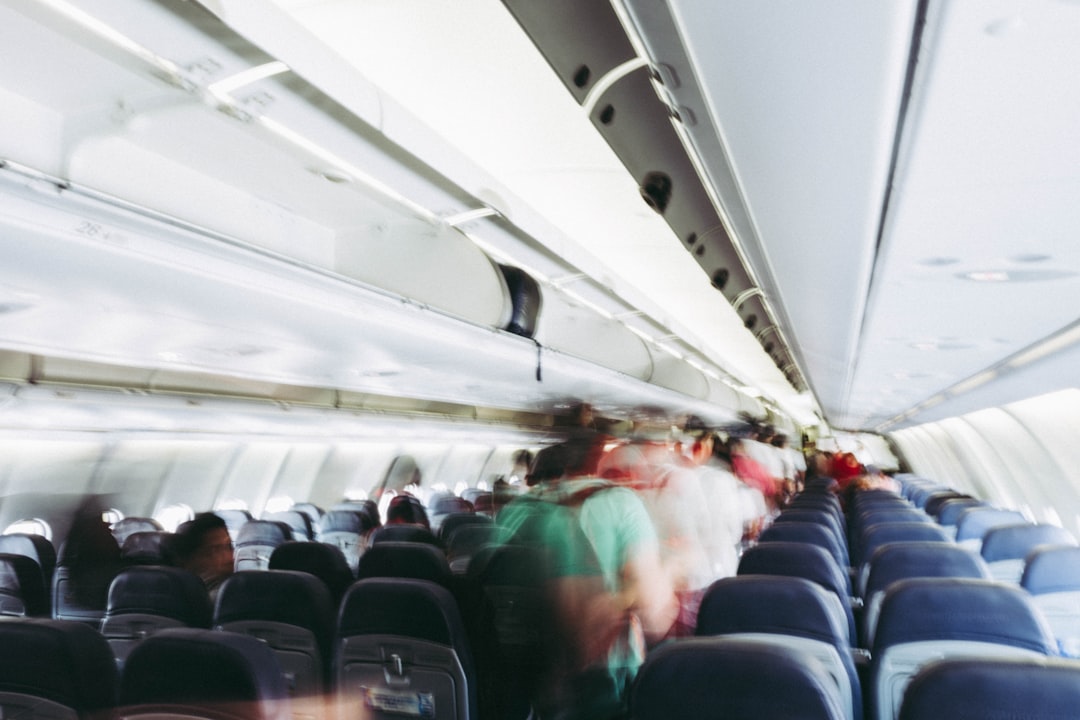
Holiday Flight Prices Soaring: What You Must Know
Introduction: The Perfect Storm for Travelers
Holiday travel is getting more expensive. Many factors are causing this. Government shutdowns create uncertainty. Airlines are changing routes. Fuel costs are rising. Labor shortages continue. All these issues combine. They create higher prices for travelers.
This year might be the most expensive holiday travel season. Families need to plan carefully. Business travelers must budget more. Everyone feels the impact. Understanding why helps you make better choices.
The travel industry faces many challenges. Government shutdowns affect airport operations. Security lines get longer. Air traffic control has fewer staff. These delays cost airlines money. They pass these costs to customers.
Route changes also affect prices. Airlines cancel less profitable routes. They focus on busy routes. This reduces competition. Fewer options mean higher prices. Travelers have less choice.
This guide will explain everything. You will learn why prices are rising. You will get tips to save money. You will understand how to plan better. Knowledge is power when booking travel.
Why Government Shutdowns Affect Your Flight Costs
Airport Operations During Shutdowns
Government shutdowns hurt airport operations. Essential workers must work without pay. This includes TSA agents and air traffic controllers. Morale drops during these times. Some workers call in sick. Others look for different jobs.
Fewer staff means longer security lines. Passengers wait longer. Flights get delayed. Airlines pay more for delayed planes. These costs get added to ticket prices. Everyone pays more eventually.
According to the Transportation Security Administration, staffing challenges during shutdowns can increase wait times by 50%. This creates a domino effect throughout the travel system.
Federal Aviation Administration Impacts
The FAA manages air traffic control. During shutdowns, they work without pay. This affects safety and efficiency. Training programs stop. New technology implementations delay. System upgrades get postponed.
These delays have long-term effects. Modernization slows down. Airspace efficiency decreases. Flights take longer routes. This burns more fuel. Fuel costs get passed to travelers.
The Federal Aviation Administration reports that shutdowns cost the aviation industry millions daily. These losses eventually affect consumer prices.
How Airline Route Changes Increase Prices
Reduced Competition on Popular Routes
Airlines constantly analyze route performance. They cancel routes that don't make money. They add flights to popular destinations. This sounds good but has downsides.
When airlines reduce routes, competition decreases. Fewer airlines fly between cities. The remaining airlines can charge more. Travelers have fewer options. They must pay higher prices.
For example, many regional routes have been cut. Smaller cities lose direct flights. Travelers must connect through hubs. This adds time and cost to journeys.
Seasonal Route Adjustments
Airlines change routes with seasons. Holiday routes are especially profitable. Airlines know people must travel for holidays. They charge premium prices for these flights.
During holidays, airlines add flights to popular destinations. But they also cancel less popular routes. This maximizes their profits. It minimizes their risks.
The Airlines for America organization notes that route optimization is essential for airline survival. However, this optimization often means higher prices for consumers.
The Real Cost Breakdown: What You're Actually Paying For
Base Fare Components
Your ticket price includes many parts. The base fare is just one component. Fuel costs are a big part. Labor costs continue rising. Aircraft maintenance is expensive. Airport fees keep increasing.
Here's what makes up your ticket price:
- Fuel costs (20-30% of ticket price)
- Labor and crew expenses (15-25%)
- Aircraft maintenance and leasing (10-15%)
- Airport fees and taxes (10-20%)
- Airline profit margin (5-10%)
- Other operational costs (10-15%)
Hidden Fees and Surcharges
Airlines add many extra fees. Baggage fees continue rising. Seat selection costs extra. Food and drinks are not free anymore. Change fees can be very high.
During holiday seasons, these fees increase. Airlines know travelers will pay. Families have limited options. They need to travel together. They pay whatever fees necessary.
According to International Civil Aviation Organization data, ancillary fees have grown 200% in the past decade. These fees now represent significant revenue for airlines.
Practical Money-Saving Strategies for Holiday Travel
Booking Timing Strategies
When you book matters greatly. Book too early and you might overpay. Book too late and prices skyrocket. The sweet spot exists.
For holiday travel, book 2-3 months in advance. Monitor prices regularly. Set price alerts. Be ready to book when prices drop. Avoid last-minute bookings.
Consider traveling on less popular days. Thanksgiving week? Avoid Wednesday travel. Christmas season? Skip peak travel days. Be flexible with dates.
Alternative Airport Options
Major airports charge higher fees. Consider nearby alternative airports. You might save significantly. The drive might be longer but worth it.
For example, instead of JFK, consider Newark. Instead of O'Hare, consider Midway. Research all airports within reasonable distance. Compare all options carefully.
Use Google Flights to compare nearby airports. Their map view shows price differences clearly. This visual tool helps decision making.
Loyalty Programs and Points
Frequent flyer programs can help. Accumulate points throughout the year. Use them for holiday travel. Credit card points also work well.
Sign up for airline newsletters. They announce special deals. Follow airlines on social media. They post flash sales. Be ready to act quickly.
Consider airline credit cards. They offer sign-up bonuses. These bonuses can cover holiday flights. But read terms carefully. Understand annual fees.
Government Shutdown Preparedness Guide
Before You Travel During Shutdowns
Check government status before booking. Is a shutdown likely? Monitor news carefully. Understand potential impacts. Have backup plans ready.
Purchase travel insurance. Read policies carefully. Ensure coverage includes government shutdowns. Some policies exclude these events. Know what you're buying.
According to U.S. Department of State, travelers should always have contingency plans. This is especially true during political uncertainty.
During Shutdown Travel
Arrive extra early at airports. Security lines will be longer. Pack patience and understanding. Workers are stressed during shutdowns. Be kind to airport staff.
Bring snacks and entertainment. Delays are likely. Have charging devices ready. Download entertainment beforehand. Prepare for longer waits.
Keep important documents accessible. Have backup payment methods. Carry some cash. Electronic systems might experience issues.
Real Examples: How Travelers Are Adapting
Family Holiday Travel Adjustments
The Johnson family from Chicago changed traditions. They now celebrate Thanksgiving the weekend before. They avoid peak travel days. They save hundreds of dollars.
They book flights for Tuesday instead of Wednesday. They return on Friday instead of Sunday. These small changes make big differences. Their travel stress decreased significantly.
Business Travel Solutions
Marketing executive Sarah Chen uses alternative airports. She flies into Baltimore instead of Washington D.C. She takes the train to her final destination. She saves company money.
She books refundable tickets when possible. She monitors price changes. She rebooks when prices drop. Her company appreciates the savings.
According to U.S. Travel Association, business travelers are increasingly using blended strategies. They combine cost-saving measures with productivity maintenance.
Future Outlook: What Comes Next?
Industry Trends and Predictions
Airline consolidation will continue. Fewer airlines mean less competition. Prices will likely keep rising. New technologies might help eventually.
Sustainable aviation fuel development continues. This could reduce fuel costs long-term. But implementation takes time. Short-term relief seems unlikely.
The International Air Transport Association predicts continued growth in air travel demand. However, capacity constraints may keep prices elevated.
Government Policy Impacts
Aviation infrastructure needs investment. Modern systems could reduce costs. But political disagreements delay progress. Bipartisan solutions remain elusive.
Air traffic control modernization is crucial. More efficient routing saves fuel. Better technology reduces delays. These improvements benefit everyone.
According to U.S. Department of Transportation, infrastructure investment could significantly improve aviation efficiency. However, funding remains challenging.
Frequently Asked Questions
When is the best time to book holiday flights?
Book 2-3 months before travel dates. Set price alerts. Be flexible with dates. Avoid last-minute bookings. Consider alternative airports.
How much more expensive are holiday flights?
Holiday flights cost 20-50% more than regular flights. Peak travel days are most expensive. Flexibility saves money. Midweek flights often cost less.
Should I buy travel insurance for holiday flights?
Yes, travel insurance is wise. Read policies carefully. Ensure coverage meets your needs. Understand cancellation terms. Compare different providers.
What happens to my flight during a government shutdown?
Flights generally continue operating. But expect longer security lines. Arrive extra early. Pack patience. Have backup plans ready.
Can I get refunds if prices drop after booking?
Some airlines offer price matching. Others don't. Read fare rules carefully. Consider refundable tickets if concerned. Monitor prices after booking.
Are there days when holiday flights are cheaper?
Yes, certain days are cheaper. Travel on actual holidays often costs less. Early morning flights tend to be cheaper. Red-eye flights offer savings.
How can I save on baggage fees?
Pack light if possible. Share luggage with travel companions. Consider airline credit cards with baggage benefits. Ship items ahead if practical.
Conclusion: Navigating the New Normal
Holiday air travel is changing. Prices are rising for clear reasons. Government shutdowns create uncertainty. Route changes reduce competition. Fuel costs remain volatile. Understanding these factors helps you make better decisions.
Smart travelers adapt their strategies. They book at optimal times. They consider alternative airports. They use loyalty programs wisely. They maintain flexibility in plans. These approaches save money and reduce stress.
The travel industry continues evolving. New challenges emerge regularly. Successful travelers stay informed. They monitor trends and adjust accordingly. They share knowledge with others.
Remember that holiday travel is about connections. It's about family and traditions. While costs matter, experiences matter more. Plan wisely but enjoy the journey. Safe travels and happy holidays to all.
For more travel tips and insights, visit our travel guides section. Stay updated with the latest travel news through our news portal. Happy planning!