
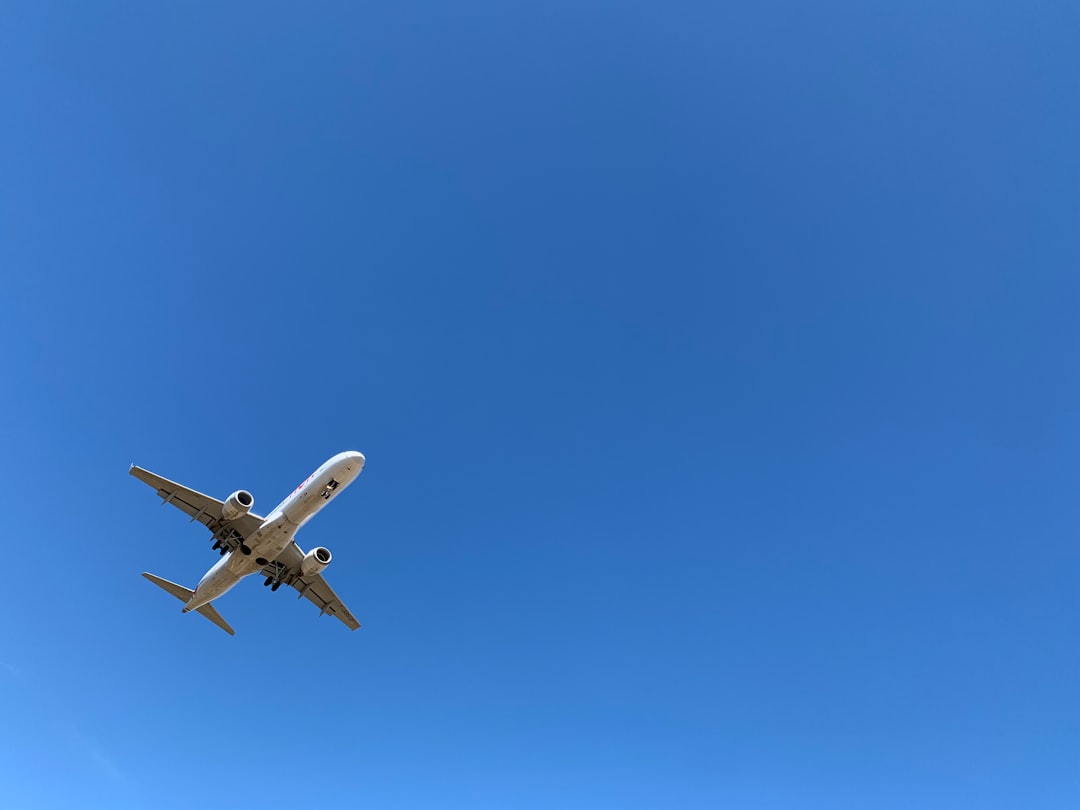
Government Shutdown: Will Your Flight Be Grounded?
Introduction: Understanding the Impact on Air Travel
A government shutdown creates big problems. It affects many services. Air travel is one important area. Thousands of people fly every day. They depend on government workers. These workers keep airports safe. They make sure flights run smoothly.
During a shutdown, many workers stop getting paid. But some must still work. This creates stress and uncertainty. Travelers face delays and confusion. Airlines struggle with fewer staff. Safety systems may be affected.
This guide explains everything. You will learn about TSA and FAA roles. You will understand how flights are affected. We provide practical tips for travelers. Real examples show past problems. Statistics help you understand the scale.
Knowing what to expect is crucial. It helps you plan better. You can avoid problems. You can protect your travel plans. Read on to learn all the details.
What Happens During a Government Shutdown?
A government shutdown occurs when Congress fails to pass funding legislation. This means many federal agencies must stop non-essential operations. Employees are divided into two groups.
Essential vs. Non-Essential Employees
Essential employees must continue working. They protect life and property. But they may not get paid during the shutdown. Non-essential employees are furloughed. They stay home without pay.
At airports, this creates immediate problems. TSA officers are mostly essential. They must keep working. But they face financial stress. This affects morale and performance.
Previous Shutdown Examples
The 2018-2019 shutdown lasted 35 days. It was the longest in history. BBC reported significant airport delays. TSA agents called in sick more often. Security lines grew very long.
The 2013 shutdown lasted 16 days. CNN documented FAA inspector furloughs. This affected airline safety oversight. Training programs stopped completely.
TSA During Government Shutdowns
The Transportation Security Administration handles airport security. They screen passengers and baggage. Their work is considered essential. But shutdowns create major challenges.
TSA Workforce Challenges
TSA officers earn modest salaries. Many live paycheck to paycheck. During shutdowns, they work without pay. This causes financial hardship. Many cannot pay their bills.
This leads to increased absences. Officers call in sick to find other work. Some resign for more stable jobs. Remaining staff face heavier workloads. This creates safety concerns.
Security Screening Impacts
Fewer TSA officers mean longer lines. Wait times can double or triple. During the 2019 shutdown, TSA reported maximum wait times of 90 minutes. Some airports had to close checkpoints.
- Reduced staffing levels
- Longer security wait times
- Possible checkpoint closures
- Increased passenger frustration
- Potential security risks
FAA Operations and Safety
The Federal Aviation Administration oversees aviation safety. They manage air traffic control. They certify aircraft and pilots. Their work is crucial for safe flights.
Air Traffic Control Continuity
Air traffic controllers are essential employees. They must continue working during shutdowns. But they face the same pay problems as TSA. During the 2019 shutdown, controllers reported increased stress and fatigue.
Training of new controllers stops completely. This creates future staffing problems. The system relies on continuous training. Shutdowns disrupt this critical process.
Safety Oversight and Certification
FAA safety inspectors may be furloughed. This means less oversight of airlines. New aircraft certifications can be delayed. Pilot training programs may be affected.
According to FAA documents, these activities are often non-essential. But they are important for long-term safety. Delays can affect the entire industry.
Impact on Airlines and Flights
Airlines face direct consequences during shutdowns. They must adapt to changing conditions. Passenger experience often suffers.
Flight Operations
Flights generally continue operating. But there may be delays. Air traffic control shortages can cause problems. Security delays mean passengers miss flights. This creates domino effects throughout the system.
Airlines may reduce schedules. They anticipate lower demand. They also prepare for operational challenges. During the 2019 shutdown, Airlines for America reported significant disruptions.
Economic Impacts on Airlines
Airlines lose money during shutdowns. Fewer people book flights. Business travel decreases. Operational costs increase. They must handle more rebookings and customer service issues.
Stock prices often decline. Investors worry about reduced revenue. The entire travel industry suffers. Hotels, rental cars, and restaurants are affected too.
Practical Tips for Travelers
You can take steps to protect your travel plans. Being prepared makes a big difference. Follow these practical tips.
Before Your Trip
- Check airport status regularly
- Allow extra time for security
- Consider travel insurance
- Pack patience and flexibility
- Monitor government news
At the Airport
- Arrive at least 3 hours early
- Use TSA PreCheck if available
- Download airline apps for updates
- Bring snacks and entertainment
- Be kind to airport staff
Booking Considerations
Avoid booking during shutdown periods if possible. Choose refundable tickets when uncertain. Consider alternative airports. Early morning flights often have fewer delays.
Real Examples and Statistics
Past shutdowns provide valuable lessons. The data shows clear patterns. Understanding history helps prepare for the future.
2018-2019 Shutdown Data
The 35-day shutdown caused major problems. DHS reported that TSA absentee rates reached 10%. Normal rates are around 3%. This meant thousands fewer screeners daily.
Miami Airport closed one terminal. LaGuardia Airport faced major delays. Some flights were canceled due to staffing issues. The situation became critical after three weeks.
Economic Impact Numbers
The Congressional Budget Office estimated the 2019 shutdown cost $11 billion. This included permanent losses of $3 billion. Air travel contributed significantly to these losses.
Business travel dropped by 25% in some markets. Tourism suffered in many cities. Small airports faced particular challenges. Some nearly closed completely.
Frequently Asked Questions
Will my flight be canceled during a shutdown?
Most flights continue operating. But some cancellations may occur. These are usually due to staffing issues. Check with your airline for specific flights.
How early should I arrive at the airport?
Arrive at least 3 hours before domestic flights. Allow 4 hours for international travel. Security lines may be much longer than usual.
Are TSA PreCheck and Global Entry affected?
PreCheck lanes remain open. But they may have longer waits too. Global Entry enrollment centers may close. Application processing will likely be delayed.
Can I get a refund if I cancel my trip?
This depends on your ticket type and airline policy. Many airlines offer waivers during shutdowns. Contact your airline directly. Travel insurance may help.
Is air travel safe during a shutdown?
Essential safety personnel continue working. But reduced oversight creates some risk. Major safety issues are unlikely. But minor problems may increase.
What happens to air traffic control?
Air traffic controllers continue working. They are essential employees. But staffing may be reduced due to absences. This could cause delays.
How long do shutdown effects last?
Effects begin immediately. They worsen over time. Recovery takes weeks after the shutdown ends. Systems need time to return to normal.
Step-by-Step Guide: Managing Shutdown Travel
Step 1: Monitor the Situation
Check news daily. Follow TSA and FAA social media. Sign up for airport alerts. Know what to expect before you travel.
Step 2: Contact Your Airline
Ask about their shutdown policies. Inquire about waiver options. Confirm your flight status. Get contact information for changes.
Step 3: Prepare for the Airport
Pack light to avoid checked bags. Bring necessary documents. Have backup plans for delays. Charge all electronic devices.
Step 4: Airport Arrival Strategy
Arrive extra early. Have your ID ready. Use mobile boarding passes. Know alternative flight options.
Step 5: During Your Trip
Stay informed about return travel. Keep important numbers handy. Be patient with staff. Adjust expectations as needed.
Conclusion: Navigating Uncertain Times
Government shutdowns create real challenges for air travel. Understanding the impacts helps you prepare. TSA and FAA employees work hard during these times. They deserve our patience and respect.
Your travel plans may face disruptions. But with proper preparation, you can minimize problems. Allow extra time at airports. Stay informed about changing conditions. Be flexible with your arrangements.
The aviation system is resilient. It has weathered previous shutdowns. Airlines and agencies learn from each experience. They develop better contingency plans.
Remember that safety remains the top priority. Essential workers continue their crucial jobs. The system adapts to challenging circumstances. With knowledge and preparation, you can travel successfully even during difficult times.
Stay informed, stay patient, and safe travels.