
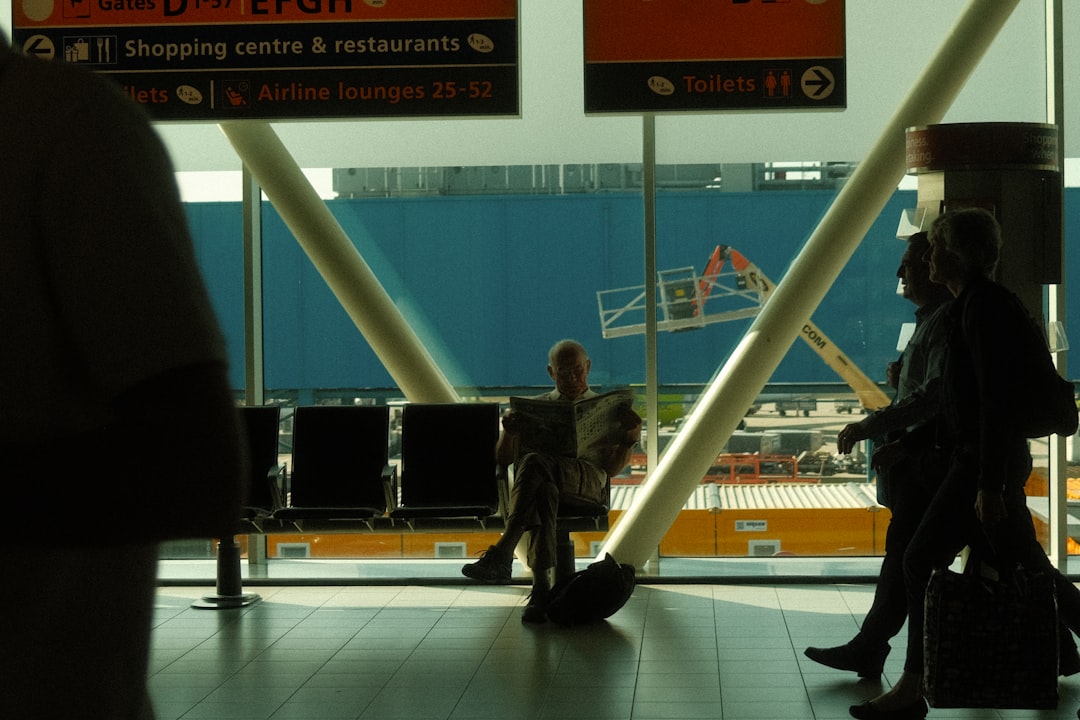
Government Shutdown Travel Nightmares: What AARP Members Must Know
Introduction: When Politics Disrupts Your Travel Plans
Government shutdowns create chaos for travelers. Airports get crowded. Security lines grow longer. National parks close. These disruptions affect everyone. But they hit older travelers especially hard. AARP members need special information. This guide explains everything. We cover how shutdowns impact travel. We give practical tips to protect your plans. You will learn what services continue. You will learn what services stop. We include real examples from past shutdowns. We provide statistics from reliable sources. Most importantly, we show how to travel safely during political turmoil. Knowledge is power. With proper preparation, you can avoid travel nightmares. Let's begin with the basics.
Government shutdowns happen when Congress fails to fund government operations. This means many federal employees stop working. Some services continue for safety reasons. But many services Americans rely on suddenly disappear. Travelers encounter problems at airports, borders, and national parks. The Customs and Border Protection website explains border operations during shutdowns. The length of shutdowns varies. Some last days. Others continue for weeks. The longest was 35 days in 2018-2019. During that shutdown, TSA agents worked without pay. Many called in sick. This created security delays. National parks suffered damage from uncollected trash. The Department of the Interior documented these issues.
How Government Shutdowns Affect Air Travel
Air travel faces immediate impacts during shutdowns. Federal workers provide essential airport services. Some must work without pay. Others get sent home. This creates unpredictable situations.
TSA Security Checkpoints
TSA officers are essential employees. They must work during shutdowns. But they don't receive paychecks. This causes problems. During the 2019 shutdown, TSA sick calls increased significantly. Some airports closed checkpoints. Others experienced long delays. TSA reported 10% of officers called in sick daily. Wait times doubled at major airports. Travelers missed flights. The situation worsened as the shutdown continued.
Air Traffic Control Operations
Air traffic controllers also work without pay. They have stressful jobs. Financial worries add more stress. During past shutdowns, some controllers reported difficulty concentrating. The Federal Aviation Administration monitors controller fatigue. They may reduce flight volumes for safety. This causes flight cancellations. Travel plans get disrupted.
Federal Aviation Administration (FAA)
The FAA oversees aviation safety. During shutdowns, many FAA employees get furloughed. Safety inspections may slow down. New aircraft certifications get delayed. Airline expansion plans face obstacles. The FAA website updates operational status during funding lapses.
Impact on National Parks and Federal Recreation Areas
National parks suffer greatly during government shutdowns. Many remain open but unstaffed. This creates dangerous conditions.
Park Access and Services
During shutdowns, parks may have open gates. But visitor centers close. Rangers don't patrol. Bathrooms remain locked. Trash overflows. Emergency services become limited. Some parks use state funds to stay open. Others rely on volunteers. But maintenance suffers. The National Park Service issues guidance during funding gaps.
Safety Concerns for Older Travelers
Unstaffed parks pose special risks for older visitors. Medical help may be far away. Trails don't get maintained. Weather warnings don't get posted. AARP members should reconsider park visits during shutdowns. If you go, take extra precautions. Bring more medication than needed. Carry emergency communication devices. Tell someone your plans.
Wildlife and Conservation Impacts
Park wildlife suffers during shutdowns. Feeding patterns get disrupted. Animals become more aggressive when seeking food. Conservation projects stop. Scientific research gets delayed. The Department of the Interior tracks these environmental impacts.
Border Crossings and International Travel
International travel faces unique challenges during shutdowns. Border services continue but with reduced staff.
Customs and Border Protection (CBP)
CBP officers work without pay during shutdowns. They process international arrivals. But fewer officers may be available. Wait times at borders increase. The CBP website provides current wait times. During the 2019 shutdown, some border crossings closed lanes. Travelers reported waits over 4 hours.
Passport and Visa Services
Passport offices may operate with limited staff. Processing times increase dramatically. During the 2013 shutdown, passport applications stalled. Some travelers missed international trips. The State Department determines which services continue. Check their website for updates.
Global Entry and Trusted Traveler Programs
Global Entry applications face delays during shutdowns. Interviews get canceled. Enrollment centers may close. The Trusted Traveler Programs page updates status during funding lapses.
Transportation Security and Infrastructure
Transportation infrastructure requires constant maintenance. Shutdowns disrupt this vital work.
Amtrak and Rail Travel
Amtrak continues operating during most shutdowns. But inspection and maintenance may suffer. The Amtrak website posts service updates. During long shutdowns, safety could become compromised.
Highway and Bridge Maintenance
Federal highway projects may pause during shutdowns. Safety inspections get delayed. The Federal Highway Administration coordinates these activities. Travelers might encounter unfinished road work.
Coast Guard and Maritime Operations
Coast Guard members work without pay during shutdowns. They maintain maritime safety. They conduct search and rescue operations. The Coast Guard website explains their contingency plans.
Practical Tips for AARP Members During Government Shutdowns
Smart planning can reduce shutdown travel problems. Follow these practical tips.
Before You Travel
- Check government agency websites for updates
- Purchase travel insurance with political risk coverage
- Make backup plans for national park visits
- Apply for passports and Global Entry well in advance
- Pack extra medication and essential supplies
- Download offline maps and important documents
- Research alternative transportation options
During Your Trip
- Arrive at airports extra early
- Monitor flight status constantly
- Have contingency plans for border delays
- Avoid unstaffed federal facilities
- Keep emergency contacts readily available
- Maintain flexibility in your schedule
- Stay informed about political developments
Financial Preparation
- Carry more cash than usual
- Ensure credit cards have available balance
- Understand your travel insurance coverage
- Keep important phone numbers written down
- Have backup payment methods available
Real Examples from Past Government Shutdowns
History shows how shutdowns disrupt travel. These real examples illustrate potential problems.
2018-2019 Shutdown: 35 Days
This was the longest shutdown in history. TSA wait times reached 90 minutes at major airports. Miami airport closed a terminal due to staff shortages. National parks accumulated tons of trash. Visitors destroyed natural features. Joshua Tree National Park suffered extensive damage. The National Park Service reported vandalism incidents.
2013 Shutdown: 16 Days
This shutdown closed all national parks completely. Visitors got turned away at gates. Local businesses near parks lost significant revenue. The Department of the Interior estimated $500 million in lost tourism revenue. Passport processing delayed thousands of applications.
1995-1996 Shutdowns: 26 Days Total
These shutdowns affected passport services significantly. Many federal museums and monuments closed. The National Archives stopped research services. The National Archives documented these service interruptions.
Frequently Asked Questions (FAQ)
Do TSA agents work during government shutdowns?
Yes, TSA agents are essential employees. They work without pay during shutdowns. However, many may call in sick. This causes longer security lines.
Can I visit national parks during a shutdown?
Maybe. Some parks remain accessible but unstaffed. Others close completely. Check the National Park Service website for specific park status.
Will my passport application be processed?
Passport processing may slow down significantly. During some shutdowns, applications stop completely. Apply well before planned international travel.
Are borders still open during shutdowns?
Yes, borders remain open. Customs and Border Protection officers work without pay. But expect longer wait times and possible lane closures.
Does Amtrak run during government shutdowns?
Usually yes. Amtrak continues operating but may reduce some services. Check Amtrak's website for current schedules.
Should I cancel my travel plans?
Not necessarily. But you should prepare for disruptions. Allow extra time at airports. Have backup plans. Consider travel insurance.
How can I get updates during a shutdown?
Monitor official government websites. Follow relevant agencies on social media. Sign up for travel alerts from airlines and airports.
Statistics: The Real Impact of Shutdowns on Travel
Numbers tell the story of shutdown consequences. These statistics come from reliable sources.
- During the 2019 shutdown, TSA sick calls reached 10% nationwide
- Miami Airport closed a terminal due to staff shortages
- National parks lost $400 million in visitor spending during 2013 shutdown
- Passport applications backlogged by 200,000 during 2013 shutdown
- Some border wait times exceeded 4 hours during 2019 shutdown
- TSA screening wait times doubled at major airports
- Amtrak carried 20,000 fewer passengers daily during 2013 shutdown
The Congressional Budget Office analyzes shutdown economic impacts. Their reports show significant travel industry losses.
Step-by-Step Guide: Preparing for Travel During Shutdown Threats
Follow these steps to protect your travel plans when shutdowns loom.
Step 1: Monitor Political News
Watch budget negotiation deadlines. Congress must pass funding bills by specific dates. These deadlines trigger potential shutdowns. Know when risk periods occur.
Step 2: Review Your Travel Insurance
Check if your policy covers political risks. Some policies refund costs when shutdowns disrupt travel. Understand claim procedures. Keep policy documents accessible.
Step 3: Create Backup Plans
Identify alternative activities if federal facilities close. Research state parks instead of national parks. Find private museums as substitutes for federal museums.
Step 4: Prepare Documentation
Carry printed copies of important documents. Include insurance policies, medical information, and emergency contacts. Have digital backups available.
Step 5: Pack Emergency Supplies
Bring extra medication. Pack snacks and water. Include basic first aid supplies. Prepare for unexpected delays.
Step 6: Stay Flexible
Maintain adjustable travel plans. Be ready to change routes or destinations. Keep positive attitude despite disruptions.
Conclusion: Travel Smart During Political Uncertainty
Government shutdowns create travel challenges. But knowledge and preparation reduce risks. AARP members can travel safely with proper planning. Remember key points from this guide. Monitor political developments. Understand which services continue. Prepare for possible disruptions. Have backup plans ready. Stay informed through reliable sources.
The travel industry adapts during shutdowns. Airlines adjust schedules. Hotels offer flexibility. Rental car companies understand situation. Everyone works together to minimize problems. Your positive attitude helps too. Patience becomes especially important. Allow extra time for everything. Expect some inconveniences. But don't let politics ruin your travel dreams. With careful preparation, you can navigate shutdown periods successfully. Safe travels await those who plan ahead. Visit our travel guides section for more helpful tips. Check our travel stories for inspiration. Happy and safe journeys to all AARP members!