
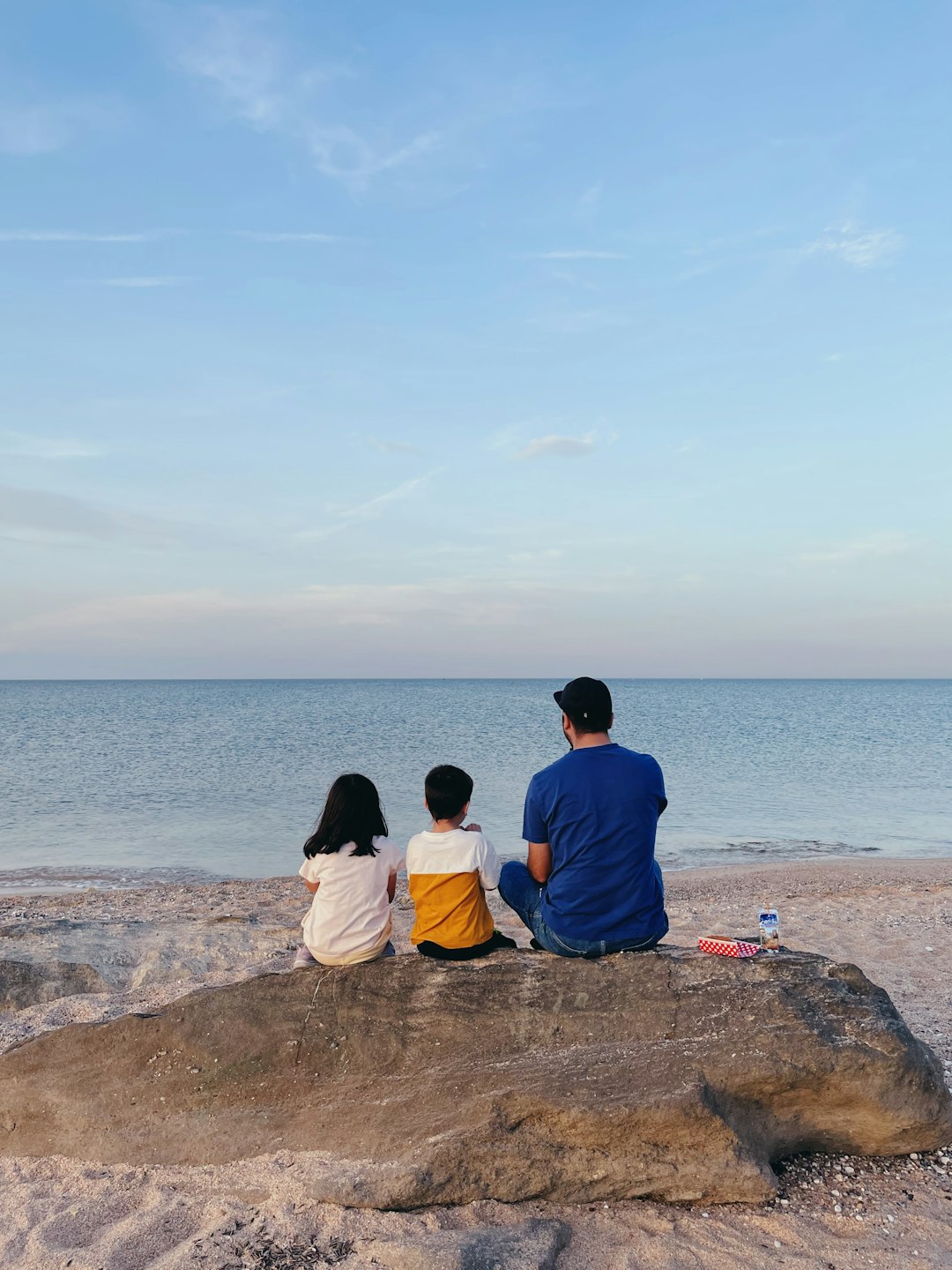
Family Vacations: Budget-Friendly Planning & Fun Activities
Introduction: Why Family Vacations Matter
Family vacations create lasting memories. They bring families closer together. Vacations help everyone relax and have fun. They break daily routines. Families learn new things together. Vacations strengthen bonds between parents and children. They create stories you will tell for years.
Research shows family vacations improve happiness. The Family Travel Association found 88% of parents say vacations make their family happier. Vacations reduce stress for everyone. They provide quality time away from work and school. Children learn about new places and cultures. These experiences help them grow.
Planning a family vacation can seem hard. But it does not have to be expensive or complicated. This guide will help you plan the perfect trip. We cover budgeting, destinations, and activities. You will learn how to make memories without stress.
Benefits of Family Vacations
Strengthening Family Bonds
Family vacations create strong connections. They provide uninterrupted time together. Everyone shares new experiences. These shared moments build trust and understanding. Families work together to solve travel challenges. This teamwork improves relationships.
Vacations create inside jokes and special memories. Children remember these trips forever. A study by the U.S. Travel Association found family vacations create stronger family bonds. Families who travel together communicate better.
Educational Opportunities
Travel teaches children about the world. They see new places and meet different people. Children learn history by visiting historical sites. They learn science at museums and nature parks. These experiences make learning fun and memorable.
For example, visiting Washington D.C. teaches American history. Seeing the Grand Canyon teaches geology. Trying new foods teaches about cultures. These lessons stay with children longer than classroom learning.
Stress Relief and Mental Health
Vacations reduce stress for everyone. They break the routine of work and school. Families relax and have fun together. This improves mental health for parents and children. The American Psychological Association confirms vacations reduce stress.
Even short trips can refresh your mind. Being in nature especially helps. National parks provide peaceful environments. Beach vacations offer relaxing sounds and views. These settings help families reconnect with each other.
Planning Your Family Vacation
Setting a Realistic Budget
Budgeting is the first step in vacation planning. Determine how much you can spend. Include all costs like transportation, lodging, food, and activities. Remember to budget for souvenirs and emergencies.
Here is a simple budget template:
- Transportation: $___
- Accommodation: $___
- Food: $___
- Activities: $___
- Emergency fund: $___
- Total: $___
Look for ways to save money. Travel during off-peak seasons. Book flights and hotels in advance. Consider vacation rentals instead of hotels. Pack snacks to reduce food costs.
Choosing the Right Destination
Choose destinations that suit your family's interests. Consider everyone's ages and abilities. Young children need different activities than teenagers. Look for places with variety so everyone finds something fun.
Popular family destinations include:
- Beach resorts
- National parks
- Theme parks
- City destinations with museums
- Camping sites
Read reviews from other families. Check family travel blogs for recommendations. Make sure the destination has activities for all ages.
Creating a Flexible Itinerary
Plan your days but stay flexible. Include must-see attractions but leave free time. Over-scheduling causes stress and tiredness. Children need breaks and downtime.
A good daily schedule includes:
- One main activity in the morning
- Lunch break
- One activity in the afternoon
- Free time before dinner
- Relaxing evening activity
Be prepared to change plans if needed. Weather might ruin outdoor activities. Children might get tired. Having backup plans reduces stress.
Budget-Friendly Vacation Ideas
Camping Trips
Camping is affordable and fun. It connects families with nature. You can camp in national parks, state parks, or private campgrounds. Costs are much lower than hotel stays.
Basic camping gear includes:
- Tent
- Sleeping bags
- Cooking equipment
- Flashlights
- First aid kit
Many campgrounds have amenities like showers and playgrounds. Some offer organized activities for children. Camping teaches children outdoor skills. They learn about plants, animals, and conservation.
Road Trips
Road trips let you see multiple places. They are often cheaper than flying. You can stop whenever you find something interesting. Road trips create adventure and spontaneity.
Plan your route but be flexible. Include interesting stops along the way. Historical markers, unusual attractions, and beautiful viewpoints make great breaks. Pack car games and snacks to keep children happy.
Save money on road trips by:
- Packing your own food
- Staying with friends or family
- Choosing free attractions
- Using hotel reward points
Staycations
Staycations are vacations near home. You save on travel costs. Discover local attractions you normally miss. Treat your hometown like a tourist destination.
Staycation ideas include:
- Visiting local museums
- Trying new restaurants
- Exploring parks and trails
- Attending local events
- Having themed days at home
Turn off work emails and household chores. Pretend you are tourists. Take photos and buy souvenirs. Staycations can be just as memorable as faraway trips.
Family Vacation Activities for All Ages
Outdoor Adventures
Outdoor activities suit most families. They provide exercise and fresh air. Many outdoor activities are free or low-cost. They create opportunities for learning and bonding.
Great outdoor activities include:
- Hiking nature trails
- Swimming at beaches or lakes
- Bike riding
- Wildlife watching
- Picnics in parks
Choose activities matching your family's fitness level. Start with easy hikes if you have young children. Bring plenty of water and snacks. Wear appropriate clothing and sunscreen.
Educational Experiences
Learning vacations combine fun and education. Children learn without realizing it. Educational activities spark curiosity and interest in new subjects.
Educational vacation ideas:
- Science and technology museums
- Historical sites and reenactments
- Zoos and aquariums
- Farm visits
- Cultural festivals
Many museums offer free days or discounts. Check their websites before visiting. Prepare children by reading about what they will see. Ask questions to encourage learning.
Relaxation and Downtime
Vacations should include relaxation time. Too many activities can exhaust everyone. Schedule quiet time for reading, napping, or quiet games. This is especially important for young children.
Relaxation activities include:
- Beach days with books and sandcastles
- Hotel pool time
- Quiet board games
- Evening movies
- Stargazing
Balance active days with calm days. Listen to your family's energy levels. It is okay to skip planned activities if everyone needs rest.
Practical Tips for Stress-Free Family Vacations
Packing Smart
Good packing reduces vacation stress. Make packing lists for each family member. Include clothing, toiletries, medications, and entertainment. Check weather forecasts to pack appropriate clothes.
Packing tips:
- Roll clothes to save space
- Use packing cubes for organization
- Pack one change of clothes in carry-on bags
- Bring essential medications in original containers
- Include surprise toys or games for children
Do not overpack. Leave space for souvenirs. Remember chargers for electronic devices. Bring reusable water bottles to save money and reduce waste.
Managing Travel with Children
Traveling with children requires extra planning. Prepare for long car rides or flights. Bring snacks, drinks, and entertainment. Explain what to expect to reduce anxiety.
Travel tips for families:
- Schedule travel during nap times if possible
- Bring familiar comfort items
- Pack healthy snacks
- Play travel games like I Spy
- Take regular breaks on road trips
For air travel, arrive early at airports. Explain security procedures to children. Choose seats together when booking flights. Bring empty water bottles to fill after security.
Staying Healthy and Safe
Health and safety come first on vacations. Research your destination's safety. Know emergency numbers and hospital locations. Pack a first aid kit with bandages, pain relievers, and any necessary medications.
Health tips for vacations:
- Wash hands frequently
- Use sunscreen and insect repellent
- Stay hydrated
- Get enough sleep
- Eat balanced meals
Keep children safe by establishing meeting points. Teach them what to do if separated. Take photos of children each day in their outfits. This helps if you need to describe them.
Family Vacation Statistics and Trends
Family travel is popular and growing. Understanding trends helps with planning. Here are key statistics from reliable sources.
The U.S. Travel Association reports:
- Family vacations average 4-5 nights
- Most families take 2-3 vacations yearly
- Road trips are the most popular family vacation
- Beach destinations are most preferred
According to AAA Travel:
- Theme park visits increased 15% last year
- National park visits grew 20% in five years
- Multi-generational trips are becoming more common
- Families prioritize experiences over things
Research from Harvard Business Review shows:
- Vacations improve family communication
- Children who travel perform better in school
- Family vacations create lasting positive memories
- Travel experiences shape children's worldviews
Step-by-Step Vacation Planning Guide
Step 1: Set Your Vacation Goals
Start by discussing what your family wants. Do you want relaxation or adventure? Beach time or city exploration? Consider each person's interests. Compromise if needed.
Ask these questions:
- What type of vacation do we want?
- What is our budget?
- When can we travel?
- How long can we be away?
- What activities interest everyone?
Step 2: Research and Choose Destination
Research potential destinations online. Read travel blogs and reviews. Consider travel time and costs. Look for family-friendly amenities. Check weather patterns for your travel dates.
Narrow options to 2-3 destinations. Compare costs and activities. Involve children in the decision if they are old enough. Choose the destination that best fits your goals and budget.
Step 3: Create Detailed Budget
List all expected expenses. Include transportation, accommodation, food, activities, and souvenirs. Add 10-15% for unexpected costs. Look for areas to save money.
Start saving early if needed. Open a separate vacation savings account. Consider using travel reward credit cards. Look for discounts and package deals.
Step 4: Book Transportation and Accommodation
Book flights or rental cars early for best prices. Compare hotel and vacation rental options. Read cancellation policies carefully. Consider location convenience versus cost.
When booking:
- Check reviews from other families
- Verify amenities like pools or kitchens
- Confirm bed configurations for children
- Ask about family discounts
Step 5: Plan Activities and Meals
Research activities at your destination. Make reservations for popular attractions. Plan some meals in advance. Balance scheduled activities with free time.
Create a rough daily schedule. Include must-do activities and optional ones. Research restaurant options and grocery stores. Pack snacks and simple breakfast foods to save money.
Step 6: Prepare and Pack
Start packing a week before traveling. Make checklists for each family member. Gather documents like passports and tickets. Confirm all reservations.
Final preparation steps:
- Notify credit card companies of travel
- Arrange pet and plant care
- Set up mail hold
- Download movies and music for travel
- Charge all electronic devices
Frequently Asked Questions
What is the best age to start traveling with children?
You can travel with children at any age. Many families start with short trips when children are babies. Toddlers enjoy simple beach or camping vacations. School-age children can handle longer trips and more activities. Choose destinations and activities suitable for your children's ages.
How can we save money on family vacations?
There are many ways to save money. Travel during off-peak seasons. Choose destinations within driving distance. Stay in vacation rentals with kitchens to cook meals. Look for free activities like beaches and parks. Use reward points for flights or hotels. Pack snacks and drinks from home.
What should we do if our children get homesick?
Homesickness is normal, especially on first trips. Bring familiar items from home. Maintain some routines like bedtime stories. Call or video chat with family back home. Keep children busy with fun activities. Be patient and understanding. Most children adjust within a day or two.
How do we handle different interests in the family?
Include activities for each family member's interests. Take turns choosing daily activities. Compromise when opinions differ. Look for destinations with variety. Schedule separate activities sometimes if ages vary greatly. The goal is everyone having some favorite experiences.
What are essential items to pack for family vacations?
Essential items include medications, first aid kit, comfortable shoes, weather-appropriate clothing, snacks, water bottles, entertainment for travel, chargers, documents, and emergency contact information. Also pack sunscreen, hats, and insect repellent for outdoor vacations.
How can we make educational vacations fun for children?
Choose hands-on learning experiences. Visit interactive museums with exhibits children can touch. Incorporate games and scavenger hunts. Relate learning to children's interests. Keep educational activities short and engaging. Balance learning with pure fun activities.
What if weather ruins our vacation plans?
Always have backup plans for bad weather. Research indoor activities at your destination. Pack games and books for rainy days. Be flexible and creative. Sometimes unexpected weather creates the best memories. Remember that being together matters most.
Real Family Vacation Examples
The Johnson Family Beach Vacation
The Johnson family visited Florida for one week. They stayed in a condo with a kitchen. This saved money on meals. Their days included beach time, pool swimming, and visiting local attractions. They visited a marine science center one rainy day.
Their budget was $2,500 for a family of four. They drove from Georgia to save on flights. They cooked breakfast and lunch in the condo. They ate dinner at restaurants. The children collected shells and built sandcastles. They took many photos and created a vacation scrapbook.
The Garcia Family National Park Adventure
The Garcia family visited three national parks in two weeks. They camped in parks and stayed in budget hotels between parks. They hiked easy trails suitable for their young children. They attended ranger programs and earned junior ranger badges.
Their total cost was $3,000 for two weeks. They used their National Parks Pass for entry fees. They packed most of their food. The children learned about geology and wildlife. They saw bears, elk, and amazing landscapes. The trip created a love of nature in the children.
The Miller Family City Exploration
The Miller family visited Chicago for four days. They used public transportation everywhere. They visited museums, parks, and architectural landmarks. They ate famous Chicago deep dish pizza. They watched a baseball game.
Their budget was $2,000 for the short trip. They bought city passes for attraction discounts. They walked everywhere to see the city up close. The children loved the science museum and lakefront. The parents enjoyed the art and architecture. Everyone tried new foods.
Conclusion: Making Memories That Last
Family vacations create precious memories. They strengthen bonds and reduce stress. With good planning, vacations can be affordable and fun. The key is focusing on time together rather than perfection.
Remember that simple vacations often create the best memories. Children remember how they felt more than what they saw. Your presence matters more than expensive attractions. Being fully present with your family creates the strongest connections.
Start planning your next family vacation today. Use the tips and ideas from this guide. Choose a destination that fits your budget and interests. Involve everyone in the planning process. Most importantly, relax and enjoy your time together. The memories you create will last forever.
Family vacations are investments in happiness and relationships. They provide breaks from daily routines. They create stories you will share for years. Whether near or far, simple or elaborate, family vacations bring joy and connection. Happy travels!