
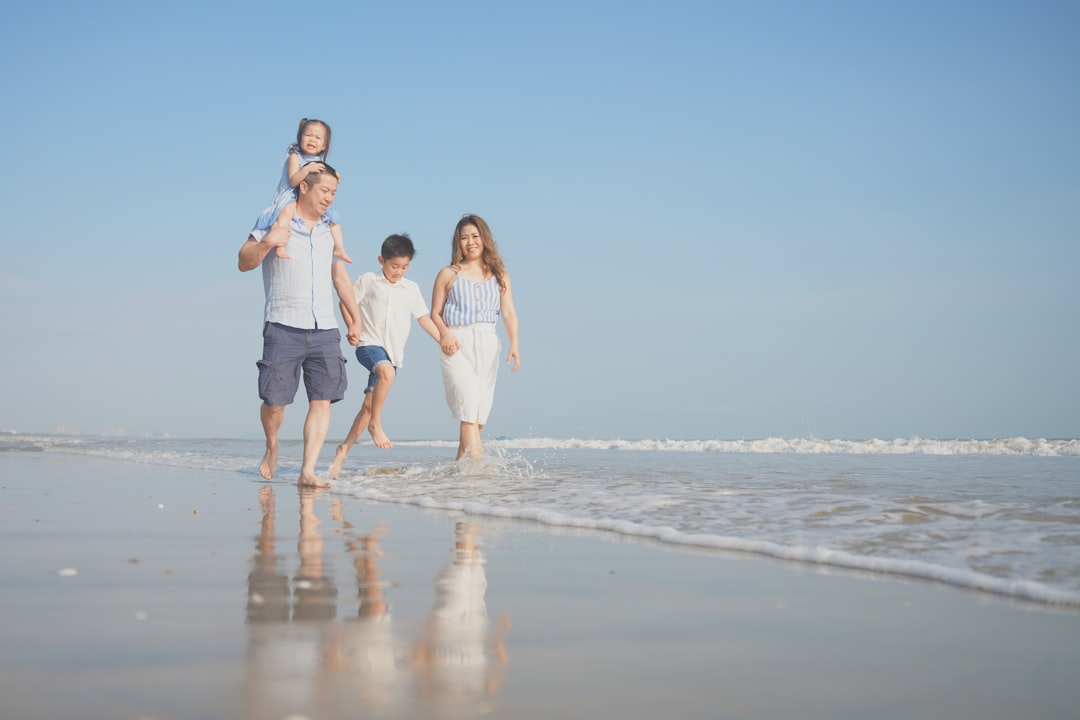
Family on Vacation: Ultimate Travel Planning Guide & Tips
Introduction: Why Family Vacations Matter
Family vacations create lasting memories. They bring families closer together. These trips help children learn about the world. Vacations reduce stress for parents and kids. Research shows family trips improve relationships. The American Psychological Association confirms travel benefits mental health.
Planning a family vacation can feel overwhelming. But with good preparation, it becomes easier. This guide covers everything you need. We include planning tips, packing lists, and safety advice. You will learn how to choose destinations. We explain how to manage budgets. Our tips work for all family sizes.
Family vacations do not need to be expensive. Simple trips can be just as meaningful. The key is spending quality time together. This guide helps you create wonderful family memories. Let us begin our journey into family travel planning.
Choosing the Perfect Family Vacation Destination
Selecting where to go is the first step. Consider your family's interests and ages. Beach vacations work for young children. City trips suit older kids better. Think about travel time and distance. Long flights can be hard for little ones.
Destination Types for Families
Here are popular family vacation types:
- Beach resorts: Relaxing and child-friendly
- National parks: Educational and active
- City breaks: Cultural and entertaining
- Theme parks: Fun and exciting
- Camping trips: Affordable and adventurous
Factors to Consider
Think about these important factors:
- Children's ages and interests
- Family budget limitations
- Travel time and distance
- Season and weather conditions
- Safety and health concerns
Family Vacation Budget Planning
Budget planning prevents financial stress. The AAA reports average family vacation costs. A typical trip costs $1,000-$4,000. But you can travel on any budget.
Creating Your Vacation Budget
Follow these steps for budget planning:
- Determine your total available funds
- Research destination costs
- Calculate transportation expenses
- Estimate accommodation costs
- Budget for meals and activities
- Include emergency funds
Money-Saving Tips
Save money with these strategies:
- Travel during off-peak seasons
- Book flights and hotels early
- Choose vacation rentals over hotels
- Pack snacks and simple meals
- Look for free activities
Packing for Family Vacation Success
Good packing makes trips smoother. Create packing lists for each family member. Pack essential items first. Remember medications and important documents.
Essential Packing List
Every family should pack these items:
- Travel documents and IDs
- Medications and first aid kit
- Weather-appropriate clothing
- Comfort items for children
- Entertainment for travel time
- Snacks and water bottles
Packing Tips by Age Group
Different ages need different items:
- Babies: Diapers, formula, baby carrier
- Toddlers: Favorite toys, sippy cups, stroller
- School-age: Books, games, comfort items
- Teens: Electronics, headphones, books
Traveling with Children: Age-Specific Tips
Children of different ages need different approaches. The American Academy of Pediatrics offers travel safety advice.
Traveling with Babies (0-12 months)
Babies need careful planning. Keep their routines as normal as possible. Pack plenty of diapers and formula. Choose baby-friendly accommodations. Schedule breaks during travel.
Traveling with Toddlers (1-3 years)
Toddlers are active and curious. Bring familiar toys and snacks. Plan short activities. Maintain nap times when possible. Choose safe, enclosed spaces.
Traveling with School-Age Children (4-12 years)
Involve older children in planning. Let them choose some activities. Pack educational materials. Encourage journaling or photography. Set clear safety rules.
Practical Family Vacation Tips Section
These practical tips make vacations smoother. They come from experienced family travelers.
Before You Go
Preparation is key to success:
- Research your destination thoroughly
- Make copies of important documents
- Notify your bank about travel plans
- Download offline maps and translation apps
- Pack a basic first aid kit
During Your Trip
Stay flexible and positive:
- Start each day with a family meeting
- Build in rest time every day
- Take lots of photos and videos
- Try local foods and experiences
- Be patient with unexpected changes
Family Vacation Safety and Health
Safety should always come first. The CDC provides travel health recommendations.
Health Precautions
Keep your family healthy during travel:
- Pack necessary medications
- Bring hand sanitizer and wipes
- Stay hydrated throughout the day
- Use sunscreen and insect repellent
- Know emergency numbers at your destination
Safety Measures
These safety tips protect your family:
- Establish meeting points in crowded areas
- Take photos of children each morning
- Use child locator devices if needed
- Check accommodation safety features
- Research local emergency services
Making Educational Family Vacations
Vacations can be learning experiences. The National Geographic Society emphasizes travel education.
Learning Opportunities
Include these educational elements:
- Visit museums and historical sites
- Try local crafts and activities
- Learn basic phrases in local language
- Explore natural environments
- Talk to local people about their culture
Family Vacation Statistics and Research
Research shows why family vacations matter. The U.S. Travel Association provides valuable data.
Key Statistics
Consider these important findings:
- 85% of families believe vacations strengthen family bonds
- Family trips create stronger memories than material gifts
- Children who travel perform better in school
- Family vacations reduce stress for working parents
- Most adults remember childhood vacations fondly
FAQ Section: Family Vacation Questions
How early should I start planning a family vacation?
Start planning 3-6 months in advance. This gives time for research and booking. Early planning often saves money.
What is the best age to travel with children?
Every age has advantages. Many families find ages 5-12 ideal. Children are old enough to remember but young enough to enjoy simple pleasures.
How can I keep children entertained during travel?
Pack surprise bags with new toys and snacks. Download movies and games. Bring coloring books and cards. Play travel games like I Spy.
What should I do if we have different interests in the family?
Plan activities that appeal to different ages. Split up sometimes if needed. Let each person choose one special activity. Compromise is key.
How can we travel on a tight budget?
Consider camping or visiting relatives. Look for free activities. Travel during shoulder season. Cook some meals instead of eating out.
What documents do we need for international travel?
You need valid passports for everyone. Some countries require visas. Check entry requirements carefully. Bring copies of important documents.
How do we handle jet lag with children?
Adjust sleep schedules before travel. Stay hydrated during flights. Get sunlight upon arrival. Keep first days relaxed. Be patient with adjustment.
Real Family Vacation Examples
Here are successful family vacation stories:
Beach Vacation Success
The Johnson family visited Florida beaches. They rented a condo with kitchen. This saved money on meals. They visited free beaches and parks. The children collected shells and built sandcastles. Evenings included family games and movies.
Educational City Break
The Garcia family explored Washington D.C. They visited Smithsonian museums. These are free to enter. The children learned about history and science. They used public transportation. This was an adventure itself.
Step-by-Step Family Vacation Planning Guide
Follow these steps for successful planning:
Step 1: Family Meeting
Discuss vacation ideas together. Consider everyone's interests. Set a budget range. Choose potential dates.
Step 2: Destination Research
Research 2-3 potential destinations. Compare costs and activities. Check travel requirements. Read reviews from other families.
Step 3: Book Major Elements
Book flights or transportation first. Then reserve accommodation. Look for family-friendly options. Consider cancellation policies.
Step 4: Plan Activities
Create a rough itinerary. Include must-do activities. Leave free time for spontaneity. Book any necessary tickets in advance.
Step 5: Prepare Documents
Check passport expiration dates. Apply for visas if needed. Make copies of important documents. Share itinerary with family back home.
Step 6: Pack and Prepare
Create packing lists. Shop for needed items. Arrange pet and house care. Confirm all bookings.
Conclusion: Your Perfect Family Vacation Awaits
Family vacations create precious memories. They strengthen bonds between parents and children. These trips help families reconnect away from daily routines. With good planning, any family can enjoy wonderful vacations.
Remember that perfection is not the goal. The best family vacations often include unexpected moments. Embrace flexibility and maintain positive attitudes. Focus on quality time together rather than expensive activities.
Start planning your next family adventure today. Use the tips and strategies from this guide. Your family will create memories that last forever. Happy travels to you and your loved ones!