
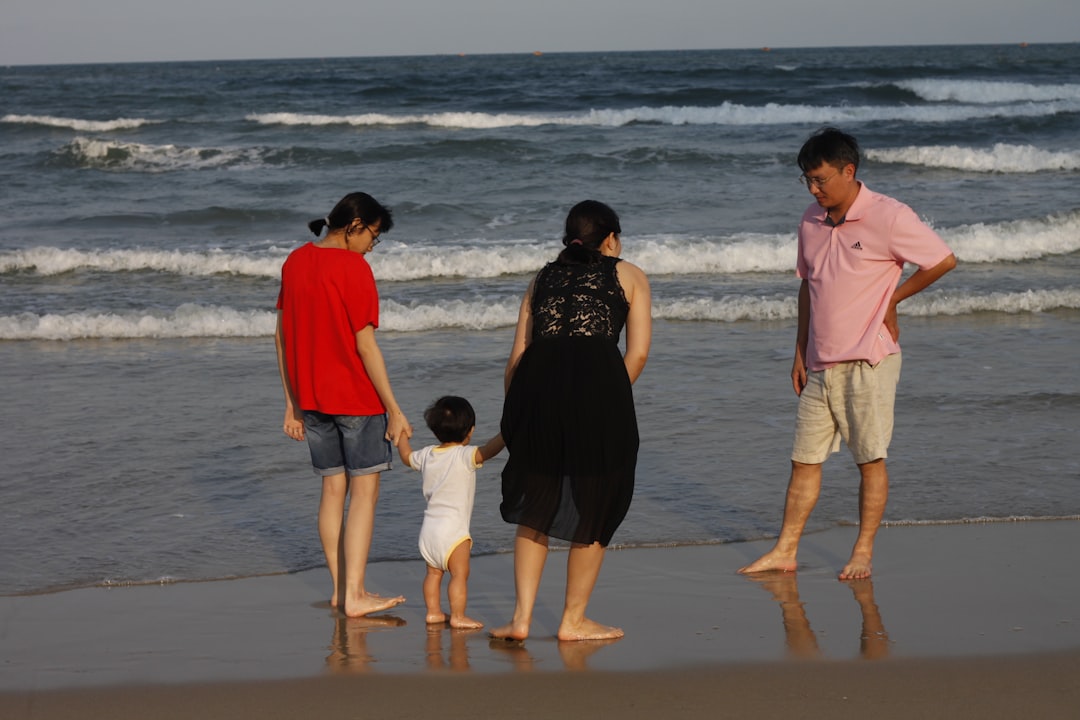
Family on Vacation: Ultimate Travel Planning & Budget Tips
Introduction: Why Family Vacations Matter More Than Ever
Family vacations create lasting memories. They bring people closer together. Vacations help families escape daily routines. They provide quality time away from work and school. Research shows family trips improve relationships. The American Psychological Association confirms this benefit.
Travel experiences teach children about the world. They learn new cultures and environments. Family vacations reduce stress for everyone. They create stories you will share for years. Planning a family trip can feel overwhelming. But with good preparation, it becomes easier.
This guide covers everything you need. We discuss planning, budgeting, and packing. We include tips for different age groups. You will learn how to handle emergencies. We share real family vacation stories. Our goal is to help you create wonderful memories.
Family vacations do not need to be expensive. Simple trips can be just as meaningful. The key is spending time together. Focus on experiences rather than things. Your children will remember these moments forever.
Planning Your Perfect Family Vacation
Choosing the Right Destination
Selecting a destination is your first step. Consider everyone's interests and ages. Beach resorts work well for young children. Cities offer cultural experiences for teens. National parks suit outdoor families.
Think about travel time and distance. Long flights can be hard on kids. Road trips might be better for some families. Consider the climate and season. Avoid extreme weather conditions.
Research family-friendly locations. Look for places with activities for all ages. Check if the destination has medical facilities. Read reviews from other families. The TripAdvisor website helps with this.
- Beach destinations: Good for relaxation
- City breaks: Cultural and educational
- Mountain resorts: Outdoor adventures
- Theme parks: Fun for all ages
Creating a Realistic Timeline
Start planning several months ahead. This gives you time to find good deals. It also reduces last-minute stress. Book flights and accommodation early. Popular places fill up quickly.
Consider school holidays and work schedules. Plan around important family events. Allow enough time for each activity. Do not pack too much into one day. Children need rest periods.
Build in flexible time for unexpected events. Weather might change your plans. Kids might need extra rest. Having backup options helps everyone enjoy the trip.
Involving the Whole Family
Include children in planning when possible. Let them help choose activities. This builds excitement before the trip. It teaches decision-making skills.
Hold a family meeting to discuss options. Listen to everyone's ideas and concerns. Compromise when needed. Make sure each person gets to do something they enjoy.
Create a countdown calendar for younger children. This helps them understand when the trip will happen. Share photos of your destination. Read books about the place you will visit.
Budgeting Smart for Family Travel
Creating a Vacation Budget
Set a realistic budget before you start planning. Include all expected expenses. Travel costs can add up quickly. The AAA provides good travel budget guidelines.
Major expenses include transportation and accommodation. Do not forget meals and activities. Include souvenirs and emergency funds. Track your spending during the planning phase.
Look for ways to save money. Travel during off-peak seasons. Choose destinations with favorable exchange rates. Consider vacation rentals instead of hotels.
- Transportation: 30-40% of budget
- Accommodation: 25-35% of budget
- Food and drinks: 15-25% of budget
- Activities and entertainment: 10-20%
Money-Saving Strategies
Book flights well in advance. Use price comparison websites. Consider alternative airports. Be flexible with your travel dates.
Look for family discounts and packages. Many hotels offer free stays for children. Museums often have family rates. Some attractions have free admission days.
Save on food costs. Choose accommodation with kitchen facilities. Pack snacks and drinks for day trips. Eat like locals rather than in tourist areas.
Handling Unexpected Expenses
Always have emergency funds available. Medical issues can happen during travel. Bags might get lost. Plans might change due to weather.
Consider travel insurance for big trips. It covers many unexpected situations. Read the policy carefully before buying. Make sure it fits your family's needs.
Keep some cash in local currency. Credit cards might not work everywhere. Have backup payment methods available.
Packing Like a Pro for Family Trips
Essential Packing List
Create a master packing list for your family. Include clothing for all weather possibilities. Pack comfortable shoes for walking. Remember toiletries and medications.
Bring important documents in a safe place. This includes passports and insurance cards. Make copies in case originals get lost. The U.S. Department of State recommends this.
Do not forget entertainment for travel time. Books, games, and tablets help on long journeys. Pack chargers and power banks. Include basic first aid supplies.
Packing for Different Age Groups
Babies need special attention. Pack enough diapers and formula. Bring familiar toys and blankets. Include any special feeding equipment.
Toddlers require constant entertainment. Pack favorite snacks and drinks. Include comfort items for sleep. Bring changes of clothes for accidents.
Teenagers have their own needs. Let them pack their own bags with supervision. Include charging cables for devices. Pack appropriate clothing for activities.
Space-Saving Packing Tips
Use packing cubes to organize items. Roll clothes instead of folding. This saves space and reduces wrinkles. Wear heaviest items during travel.
Choose versatile clothing pieces. Items that mix and match work best. Limit shoes to few practical pairs. Use empty spaces inside shoes for small items.
Consider laundry options during your trip. This allows you to pack fewer clothes. Many hotels have laundry facilities. You can also hand wash items.
Traveling with Children of Different Ages
Infants and Toddlers (0-3 years)
Travel with young children requires extra planning. Keep routines as normal as possible. Bring familiar foods and bedtime items. Schedule around nap times.
Choose child-friendly accommodations. Look for places with safety features. Pack a portable crib if needed. Bring a first aid kit with child medications.
During travel, take frequent breaks. Let children move and play. Have snacks and drinks readily available. Be patient with mood changes.
School-Age Children (4-12 years)
This age group enjoys learning experiences. Choose educational activities mixed with fun. Let them help with simple planning tasks. Give them a camera to document the trip.
Pack activity books and games. These help during waiting times. Include comfortable walking shoes. Bring swimwear even if not beach vacation.
Establish clear safety rules. Teach them what to do if separated. Practice identifying hotel staff. Use matching bright clothing for easy spotting.
Teenagers (13-18 years)
Teens want some independence on vacation. Balance family time with free time. Let them invite a friend if appropriate. Include activities they suggest.
Provide spending money for souvenirs. Set clear boundaries and check-in times. Discuss internet usage and safety. The Common Sense Media organization offers good advice.
Respect their need for privacy. Choose accommodations with separate spaces. Allow time for social media sharing. Include them in decision-making.
Managing Health and Safety During Travel
Staying Healthy on Vacation
Pack a comprehensive first aid kit. Include prescription medications with labels. Bring copies of important medical information. Research local medical facilities beforehand.
Practice good hygiene during travel. Wash hands frequently. Use hand sanitizer when needed. Be careful with food and water safety.
Protect against sun exposure. Use sunscreen regularly. Wear hats and protective clothing. Seek shade during peak sun hours.
Safety Precautions
Research your destination's safety situation. Check travel advisories from official sources. The CDC Travel Health website provides important information.
Keep valuables secure during travel. Use hotel safes when available. Do not carry large amounts of cash. Be aware of your surroundings.
Establish meeting points in crowded areas. Teach children how to identify security personnel. Use identification bracelets for young children. Take photos of everyone each day.
Emergency Preparedness
Share your itinerary with family back home. Keep important phone numbers handy. Know the local emergency number. Have a plan for natural disasters.
Keep medications in carry-on bags. Have copies of passports separately. Know the location of your country's embassy. Save emergency funds in multiple places.
Making Memories: Activities and Documentation
Choosing Family Activities
Balance planned activities with free time. Include something for each family member. Mix educational and fun experiences. Consider everyone's energy levels.
Look for local festivals and events. These provide cultural experiences. Visit parks and free attractions. Sometimes simple activities are most memorable.
Be flexible with your plans. Weather might change outdoor activities. Children might discover new interests. Allow for spontaneous adventures.
Documenting Your Vacation
Take photos and videos throughout your trip. But do not let documentation interfere with experiences. Be present in the moment with your family.
Consider giving children disposable cameras. Let them capture their perspective. Create a travel journal together. Collect small souvenirs from each place.
Share stories each evening at dinner. Discuss favorite moments of the day. This reinforces positive memories. It helps children process their experiences.
Creating Lasting Traditions
Start vacation traditions your family can repeat. Maybe a special meal on the first night. Or buying postcards from each place. These rituals become cherished memories.
Create a vacation scrapbook when you return. Include tickets, photos, and stories. Watch your vacation videos together. Plan your next trip as a family.
Real Family Vacation Examples
Beach Vacation Success Story
The Johnson family visited Florida last summer. They spent one week at a beach resort. Their children were ages 4 and 7. They chose all-inclusive accommodation.
This reduced stress about meal costs. The resort had kids' clubs and activities. Parents got some alone time too. Everyone enjoyed the pool and beach.
They visited nearby attractions on some days. But mainly stayed at the resort. This relaxed approach worked well. The children made friends with other vacationers.
European City Break Experience
The Garcia family traveled to London with teenagers. They stayed in a vacation apartment. This gave everyone more space. They could prepare some meals themselves.
Each family member chose one must-see attraction. They used public transportation everywhere. The teens enjoyed the independence. Parents appreciated the cultural experiences.
They balanced museum visits with shopping. Evening walks along the Thames were memorable. The trip strengthened family bonds. Everyone learned something new.
Practical Tips Section
Before You Go
- Check passport expiration dates early
- Research visa requirements if traveling internationally
- Notify your bank about travel plans
- Download offline maps and translation apps
- Confirm all bookings and reservations
- Arrange pet and plant care
- Set up mail hold with postal service
During Your Trip
- Start each day with a family meeting
- Keep hydrated and eat regularly
- Take plenty of breaks between activities
- Be flexible with your schedule
- Communicate openly about needs and feelings
- Stay connected with home if needed
- Practice gratitude for the experience
When You Return
- Share photos with family and friends
- Create a vacation memory book
- Write thank you notes to helpful people
- Rest and recover from jet lag
- Start planning your next adventure
- Incorporate vacation lessons into daily life
Family Vacation Statistics
Family travel is big business worldwide. The U.S. Travel Association reports interesting facts. About 35% of all leisure travelers are families. They take an average of 2.5 vacations yearly.
Family vacations generate strong memories. A study by the Family Travel Association found that 49% of children remember every detail of family trips. These memories last longer than material gifts.
Travel improves family relationships. Research shows that 88% of families feel closer after vacation. Shared experiences create stronger bonds. Quality time away from routines helps communication.
Budget concerns affect planning. The average family spends about $1,800 per vacation. But costs vary widely by destination and style. Smart planning can reduce expenses significantly.
Frequently Asked Questions
What is the best age to travel with children?
You can travel with children at any age. Each stage has different benefits. Babies are portable but need more gear. Toddlers enjoy new experiences but need routines. School-age children learn from travel. Teens appreciate cultural experiences. Choose destinations suitable for your children's ages.
How far in advance should we plan a family vacation?
Start planning 3-6 months before international trips. For domestic travel, 2-3 months is usually enough. This gives time to research and book good deals. It also helps build excitement. Last-minute trips can work but may cost more.
What documents do children need for travel?
All children need passports for international travel. Some countries require visas too. Domestic flights need government-issued ID for teens. Always carry copies of birth certificates. Bring notarized permission if one parent travels alone. Check requirements for your specific destination.
How can we manage different interests in one family?
Involve everyone in planning before the trip. Let each person choose one must-do activity. Compromise on other plans. Balance educational and fun experiences. Schedule some separate activities if ages vary widely. Remember that family time matters most.
What if our children get homesick?
Homesickness is common, especially on first trips. Bring comfort items from home. Maintain some familiar routines. Call or video chat with family back home. Stay busy with fun activities. Be patient and understanding. Most children adjust within a few days.
How do we handle dietary restrictions while traveling?
Research food options at your destination. Learn key phrases in the local language. Pack safe snacks from home. Choose accommodation with kitchen facilities. Contact restaurants in advance about special needs. Carry medication for accidental exposure.
What is the best way to handle money abroad?
Use a combination of payment methods. Carry some local currency for small purchases. Use credit cards for larger expenses. Notify your bank about travel plans. Avoid carrying large amounts of cash. Use ATMs at secure locations. Keep emergency funds separate.
Conclusion: Your Family Vacation Awaits
Family vacations create priceless memories. They strengthen bonds between family members. Travel teaches children about the world. It provides breaks from daily routines.
Good planning makes trips more enjoyable. Start early and involve the whole family. Set a realistic budget and stick to it. Pack wisely for your destination and activities.
Remember that perfection is not the goal. Some challenges will happen during travel. These often become funny stories later. Focus on enjoying time together.
Each family vacation builds your travel confidence. You learn what works for your family. These experiences become part of your family story. They create connections that last forever.
Start planning your next family adventure today. Use the tips in this guide to help you. Create memories your children will treasure. Happy travels with your family!