
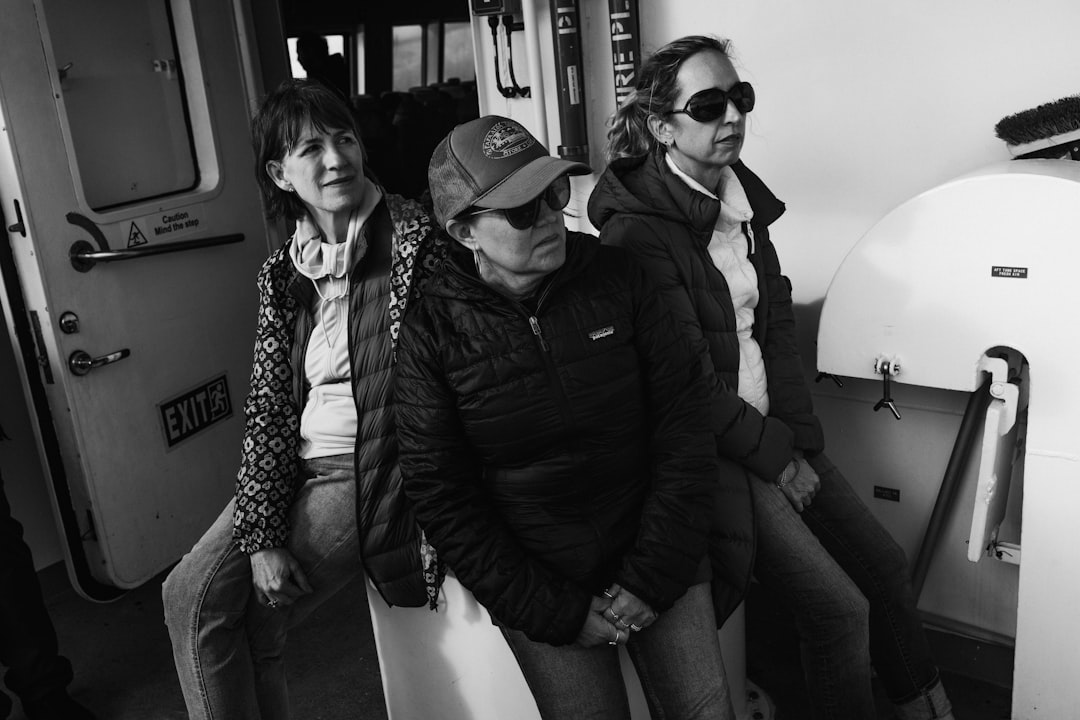
Family Cruise Vacation: Ultimate Guide for Fun & Relaxation
Are you planning your next family trip? A family cruise vacation might be perfect for you. Imagine waking up to ocean views every morning. Picture your kids laughing in a water park. Think about exploring new islands together. A cruise offers all this and more. It is a wonderful way for families to bond and create memories.
This guide will help you plan the best family cruise. We will cover everything from choosing a ship to packing your bags. You will learn about onboard activities for all ages. We will discuss dining options and shore excursions. You will get tips to save money and avoid stress. Our goal is to make your family cruise smooth and fun.
Many families love cruising. It combines travel, entertainment, and relaxation in one package. You visit multiple destinations without changing hotels. Meals and activities are included in your fare. There is something for everyone, from toddlers to grandparents. Let's dive into the world of family cruising.
Why Choose a Family Cruise Vacation?
A cruise is a great choice for a family holiday. It offers unique benefits you cannot find elsewhere. First, it simplifies travel logistics. You only unpack once. Your floating hotel takes you to different places. This is much easier than driving or flying between cities.
Second, modern cruise ships are like floating resorts. They have pools, theaters, and sports courts. Many have kids' clubs and teen lounges. Parents can relax while children play safely. Everyone can do what they enjoy. Then, you meet for meals and share your day.
Third, cruising provides excellent value. Your fare includes accommodation, food, and entertainment. Some lines include drinks and Wi-Fi. You can budget more easily. There are fewer surprise costs. According to Cruise Lines International Association (CLIA), over 30 million people cruised in 2023. Family travel is a big part of this growth.
Key Benefits for Families
Let's look at the main benefits in detail.
- All-Inclusive Convenience: Most meals and snacks are included. You don't need to cook or clean. This is a real holiday for parents.
- Supervised Kids' Programs: Certified staff run fun activities. Programs are divided by age group. Children make new friends while learning.
- Variety of Destinations: You can visit several countries in one trip. Popular routes include the Caribbean, Mediterranean, and Alaska.
- Entertainment for All: Ships offer Broadway-style shows, movies, and live music. There are game rooms and libraries too.
- Family Bonding Time: Shared experiences bring families closer. You can try new activities together like rock climbing or snorkeling.
Choosing the Right Cruise Line and Ship
Not all cruise lines are the same. Some are better for families than others. Your choice depends on your children's ages and your budget. It also depends on the type of experience you want.
Top Family-Friendly Cruise Lines
Here are some of the best cruise lines for families.
- Disney Cruise Line: Perfect for young children and Disney fans. Ships have character meet-and-greets and themed dining. They offer excellent kids' clubs and family cabins.
- Royal Caribbean International: Known for innovation and activities. Ships feature water slides, surf simulators, and ice rinks. Their teen programs are very popular.
- Carnival Cruise Line: Often called "The Fun Ships." They offer great value and casual atmosphere. Camp Ocean is their program for kids aged 2-11.
- Norwegian Cruise Line: Offers freestyle cruising with flexible dining. Their ships have go-kart tracks and laser tag arenas. Great for families who want freedom.
- MSC Cruises: Good for families on a budget. They have partnerships with LEGO and Chicco. Kids under 11 sail free on many sailings.
What to Look for in a Ship
When comparing ships, consider these features.
- Kids' Club Facilities: Check the age ranges and hours of operation. Look for secure spaces with trained staff.
- Family Cabin Options: Some ships have cabins that sleep five or more. Look for connecting rooms or suites with separate bedrooms.
- Onboard Activities: Make sure there are activities for every family member. Water parks are great for hot climates. Indoor activities are important for cooler routes.
- Dining Options: Look for flexible dining times and kid-friendly menus. Buffets are good for picky eaters. Some ships have specialty restaurants.
- Medical Facilities: Ensure the ship has a medical center. This is important for emergencies, especially with young children.
You can compare ships on sites like Cruise Critic. Read reviews from other families. They provide honest opinions about their experiences.
Planning and Booking Your Family Cruise
Good planning makes your cruise better. Start planning at least six months in advance. This gives you the best choice of cabins and itineraries. It also helps you get the best prices.
Step-by-Step Booking Guide
Follow these steps for a smooth booking process.
- Set Your Budget: Decide how much you want to spend. Remember to include extras like shore excursions and gratuities.
- Choose Your Destination: Think about what your family enjoys. Beach lovers might prefer the Caribbean. Culture seekers might like Europe.
- Select Your Dates: Consider school holidays and weather. Summer and Christmas are peak times. Spring and fall may offer better deals.
- Pick Your Cruise Line: Based on our earlier recommendations, choose a line that fits your family.
- Book Your Cabin: Midship cabins have less motion. Balcony cabins offer private outdoor space. Inside cabins are most affordable.
- Arrange Travel Documents: Check passport requirements for all destinations. Some countries need visas. Children need their own passports.
- Purchase Travel Insurance: This is very important. It covers medical emergencies and trip cancellation. Read the policy carefully.
Best Time to Book
Timing your booking can save you money. Cruise lines often offer early booking discounts. These can be 6-12 months before sailing. Last-minute deals exist too. But they limit cabin choices. The American Automobile Association (AAA) suggests booking 9-12 months ahead for peak seasons.
Consider using a travel agent who specializes in cruises. They know about promotions and group rates. They can help with complex itineraries. Their service is usually free. They get paid by the cruise line.
Onboard Experience: Activities and Entertainment
Once onboard, you will find endless things to do. Modern cruise ships are entertainment hubs. They cater to all interests and energy levels.
Activities for Children and Teens
Kids' clubs are the heart of family cruising. They offer structured programs throughout the day. Activities are educational and fun. They might include science experiments, arts and crafts, or scavenger hunts. Clubs are usually divided into age groups.
- Ages 2-5: Play-based learning with story time and games.
- Ages 6-8: More active games and creative projects.
- Ages 9-12: Sports competitions and video game tournaments.
- Teens 13-17: Dedicated lounges with music, movies, and social events.
Registration is simple. You fill out forms on the first day. You get a schedule of activities. Parents receive pagers or use an app for communication. Safety is a top priority. Staff perform background checks. They use secure check-in/check-out systems.
Family Activities Together
Don't spend all your time apart! Cruise lines plan many group activities.
- Game Shows and Trivia: Families can compete together in the theater.
- Sports Tournaments: Mini-golf, basketball, or volleyball competitions.
- Pool Parties: DJs and pool games during sea days.
- Movie Nights: Under the stars on the pool deck. They provide blankets and popcorn.
- Arts and Crafts: Family workshops where you make souvenirs together.
Check the daily planner. It lists all activities for the day. You can find it in your cabin or on the ship's app. Plan your day over breakfast. But stay flexible. Sometimes the best moments are unplanned.
Dining on a Family Cruise
Food is a big part of the cruise experience. Fortunately, cruise lines understand family needs. They offer many options to please everyone.
Main Dining Rooms
These are the formal restaurants included in your fare. They offer multi-course meals with waiter service. Most have two seating times: early and late. Some offer "anytime" dining. You can request a table just for your family. Menus change daily. They always include kid-friendly choices like pasta, chicken fingers, and pizza. Dress codes vary. Some nights are casual. Others might require nicer clothes.
Casual Dining Options
These are perfect for busy days or picky eaters.
- Buffets: Open for breakfast, lunch, and dinner. You can see all the food before choosing. Great for trying new things.
- Poolside Grills: Serve burgers, hot dogs, and fries. Quick and easy.
- Pizzerias: Often open late. Perfect for a snack after evening activities.
- Ice Cream Stations: Usually self-serve and unlimited. A big hit with kids.
Special Dietary Needs
Cruise lines can accommodate many dietary restrictions. Inform them when you book. They can provide gluten-free, dairy-free, or nut-free options. They handle food allergies very seriously. Speak to the maître d' on your first day. They will explain the procedures. According to U.S. Food and Drug Administration, cruise ships follow strict food safety rules. This ensures meals are safe for all passengers.
Shore Excursions and Port Visits
Exploring ports is a highlight of cruising. Each stop offers new adventures. Planning your shore time is important. You want activities that suit your family.
Types of Family-Friendly Excursions
Excursions can be booked through the cruise line or independently. Cruise line tours are more expensive but guaranteed. The ship won't leave without you if the tour is late. Independent tours can be cheaper and more personal.
Popular excursion types include:
- Beach Breaks: Relax on a beautiful beach. Many include lunch and water toys.
- Cultural Tours: Visit historical sites or local markets. Good for older children.
- Adventure Activities: Zip-lining, snorkeling, or ATV rides. Check age and height requirements.
- Animal Encounters: Dolphin swims or turtle sanctuaries. Choose ethical operators.
- City Exploration: Hop-on-hop-off bus tours. Flexible and easy with kids.
Tips for Port Days
Make your port visits smooth with these tips.
- Bring Essentials: Pack sunscreen, hats, water bottles, and local currency.
- Wear Comfortable Shoes: You will do a lot of walking.
- Keep Track of Time: Note the "all aboard" time. Ships leave on schedule.
- Have a Plan B: Weather can change. Know indoor alternatives.
- Stay Together: Establish a meeting point if someone gets separated.
The U.S. Department of State provides safety information for travelers. Check their website before you visit a new country.
Practical Tips for a Smooth Family Cruise
Small details make a big difference. Here are practical tips from experienced cruisers.
Packing Smart
Pack light but wisely. Cabin storage is limited. Here's a checklist.
- Documents: Passports, boarding passes, credit cards, and insurance info.
- Medications: Bring more than you need. Keep them in original bottles.
- Clothing: Swimsuits, cover-ups, casual daywear, and smart-casual outfits for dinner. Don't forget a light jacket.
- Footwear: Sandals, sneakers, and water shoes.
- Toiletries: Sunscreen, insect repellent, and basic first-aid items.
- Gadgets: Chargers, power strip (without surge protector), and waterproof phone case.
- Entertainment: Books, cards, and small toys for quiet time.
Managing Expenses Onboard
Most purchases onboard use your room key. Set spending limits for your family. You can often do this through the cruise line app. Teach older kids about budgeting. Give them a set amount for souvenirs. Watch for extra charges like specialty dining, photos, and arcade games. Pre-purchase drink packages or internet if you need them. It can be cheaper than buying onboard.
Staying Healthy and Safe
Cruise ships are clean, but germs can spread. Wash hands often. Use hand sanitizer stations. Stay hydrated, especially in hot climates. Use the ship's medical center if you feel ill. They can treat minor issues. For serious problems, they can arrange evacuation. Always follow safety drills. Know where your life jackets are. Identify emergency exits.
The Centers for Disease Control and Prevention (CDC) inspects cruise ships. They score them on sanitation. You can check a ship's score on their website.
Frequently Asked Questions (FAQ)
1. What is the best age to take kids on a cruise?
Most cruise lines accept infants six months or older. For longer trips, the minimum age might be twelve months. Toddlers enjoy simple activities and pools. School-age kids love kids' clubs and adventures. There is no perfect age. It depends on your child's personality.
2. Are cruises good for teenagers?
Yes! Modern ships have amazing teen facilities. They include dedicated lounges, video game zones, and sports complexes. Teen programs offer dance parties, movie nights, and group excursions. It's a safe place for them to socialize.
3. How do we handle seasickness?
Newer ships have stabilizers that reduce motion. Choose a midship, lower-deck cabin for the least movement. Over-the-counter medications like Dramamine can help. Wristbands and ginger candies are natural remedies. The ship's doctor can provide stronger medicine if needed.
4. Can we accommodate food allergies?
Absolutely. Notify the cruise line when you book. Speak to the dining staff on day one. They will guide you through safe options. Many lines have allergy-friendly menus and separate preparation areas.
5. Is there Wi-Fi on board?
Yes, but it can be expensive and slower than land internet. Packages are available for purchase. Consider disconnecting for a true digital detox. Use Wi-Fi in ports at cafes for free or cheap access.
6. What happens if someone gets sick?
Ships have medical centers with doctors and nurses. They can treat common illnesses and injuries. Serious cases may be transferred to a land hospital. This is why travel insurance is essential. It covers medical evacuation costs.
7. How much spending money should we bring?
It depends on your plans. Budget for gratuities (tips), shore excursions, souvenirs, and extra drinks. A family of four might budget $500-$1000 for a week-long cruise, excluding big excursions. Set a daily limit to avoid surprises.
Real Examples and Statistics
Let's look at some real data and stories.
Family Cruise Statistics
The cruise industry shares interesting data about families.
- CLIA reports that multi-generational travel is the fastest-growing cruise segment.
- Over 34% of cruisers travel with children under 18.
- The average family cruise vacation is 7-8 days long.
- Caribbean itineraries are the most popular for families, followed by the Mediterranean.
- Satisfaction rates are high. Over 85% of families say they would cruise again.
These numbers show that cruising works for families. It meets their needs for convenience and fun.
A Real Family's Experience
The Miller family from Ohio took a 7-day Caribbean cruise. Their children were 8 and 12. They sailed on Royal Caribbean's Symphony of the Seas. "We were worried about being bored or confined," said Mrs. Miller. "But the ship was incredible. The kids loved the water slides and ice skating. My husband and I enjoyed quiet dinners alone while they were at the kids' club. We visited three beautiful islands. It was the most relaxing family holiday we've ever had."
Their tips: Book shows in advance using the app. Bring magnetic hooks for the cabin walls (they're metal). Pack a highlighter to mark favorite activities in the daily planner.
Conclusion: Setting Sail for Family Memories
A family cruise vacation offers something special. It combines adventure with relaxation. It brings families together through shared experiences. From the moment you step onboard, you enter a world designed for fun. Kids discover new interests. Parents find time to reconnect. Everyone returns home with stories to tell.
Planning is key to a great cruise. Choose the right ship and itinerary for your family. Pack smart and set a budget. Embrace the onboard activities and explore the ports. Most importantly, be present. Put away your phone. Play a game of mini-golf. Watch the sunset together. These moments become cherished memories.
The cruise industry continues to innovate. New ships have more family-friendly features every year. There has never been a better time to try a family cruise. Start your research today. Talk to a travel agent. Read reviews from other families. Imagine your family on deck, watching dolphins play in the ship's wake. That could be your next holiday.
Ready to plan? Check out our other guides on packing for cruises and top Caribbean islands for families. Bon voyage!