
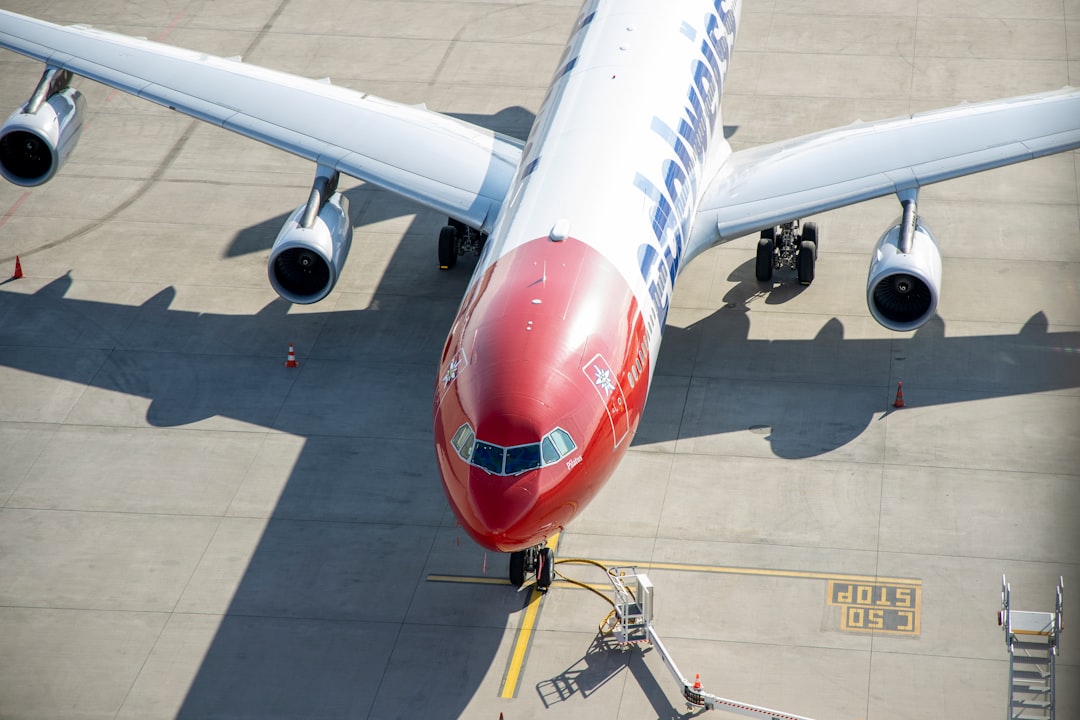
Europe's Airport Chaos: Your Survival Guide
Introduction: The Gathering Storm
European travel faces massive disruption. Airport strikes are spreading across the continent. Greece and Belgium just joined the movement. They follow Italy, Spain, Lithuania and others. These strikes will hit in mid-October. Thousands of travelers will be affected. Flights will be canceled. Plans will be ruined. Stress levels will rise.
This is not a small problem. It is a major travel crisis. Airports in multiple countries will see walkouts. Workers demand better pay and conditions. Travelers get caught in the middle. Your dream vacation could become a nightmare. Business trips might be impossible. Family visits could be canceled.
But there is hope. With proper planning, you can survive this chaos. This guide gives you everything you need. We cover which countries are affected. We explain when strikes will happen. Most importantly, we show how to protect your travel plans. Read on to learn how to navigate this difficult situation.
Which Countries Are Affected?
The strike wave is spreading fast. More countries join every day. Here are the main affected nations:
Greece
Greek airport workers announced strikes. They will happen on October 15-17. All major airports will be affected. This includes Athens International Airport. Crete and Rhodes airports will also see disruptions. Greek media reports confirm the dates.
Belgium
Brussels Airport staff will strike on October 16. This is Belgium's main international hub. Security workers and baggage handlers are participating. Brussels Airport officials warn of major delays.
Italy
Italian strikes began earlier this month. They continue through mid-October. Rome Fiumicino and Milan Malpensa are hardest hit. Italy's civil aviation authority confirms ongoing disruptions.
Spain
Spanish airport workers plan walkouts October 14-18. Madrid Barajas and Barcelona El Prat will see reduced operations. Aena, Spain's airport operator, is preparing for chaos.
Lithuania
Vilnius Airport workers join the strikes on October 17. This affects flights across the Baltic region. Airport management warns passengers to expect changes.
Why Are These Strikes Happening?
The strikes have common causes across countries. Workers share similar complaints. Understanding these helps predict future disruptions.
Salary Disputes
Airport workers want higher pay. Inflation has reduced their real wages. Many haven't had raises in years. They see airlines making profits. They want their fair share.
Working Conditions
Staff complain about difficult conditions. Long hours are common. Stress levels are high. Safety concerns exist. Workers feel undervalued and overworked.
Staff Shortages
Many airports are understaffed. Remaining workers carry extra load. They want more hiring. Better treatment would help retention.
Union Power Struggles
Unions want to show their strength. Coordinated strikes across countries make bigger impact. Management must take their demands seriously.
When Exactly Will Strikes Occur?
Timing is crucial for travelers. Here are the confirmed strike dates:
- October 14: Spain begins multi-day strikes
- October 15: Greece starts 3-day walkouts
- October 16: Belgium joins with Brussels Airport strike
- October 17: Lithuania and Greece continue strikes
- October 18: Spain concludes strike period
These dates may change. New strikes could be announced. Always check with your airline. Monitor airport websites for updates.
How Many Travelers Will Be Affected?
The numbers are staggering. European airports handle millions daily. These strikes will disrupt travel for countless people.
By The Numbers
- Over 5,000 flights could be canceled
- More than 800,000 passengers might be affected
- Economic impact could exceed €100 million
- Average delay times could reach 4-6 hours
Eurocontrol data shows Europe's air traffic density. Strike days see massive reductions. The ripple effects last for days after strikes end.
Real Traveler Stories: Learning From Others
Previous strikes offer valuable lessons. Here are real experiences from affected travelers.
Maria's Missed Wedding
Maria planned to fly from Rome to London. She was going to her sister's wedding. Italian strikes canceled her flight. She missed the entire ceremony. No alternative flights were available. She learned to always have backup plans.
John's Business Disaster
John had important meetings in Berlin. Spanish strikes ruined his schedule. He lost a major client. His company suffered financially. Now he travels at least one day early for critical meetings.
The Smith Family Vacation
The Smiths saved for two years for their Greek vacation. Airport strikes in Athens delayed their arrival. They lost three days of their two-week trip. Travel insurance helped recover some costs.
Practical Survival Guide: Protecting Your Plans
Don't become another horror story. Follow these practical steps to protect yourself.
Before Your Trip
- Check strike calendars: Many countries publish strike notices in advance
- Purchase travel insurance: Ensure it covers strike-related cancellations
- Book flexible tickets: Pay extra for changeable flights if possible
- Plan alternative routes: Research trains, buses, or different airports
- Download airline apps: Get real-time updates directly from carriers
During Strike Periods
- Arrive extra early: Allow 4-5 hours before international flights
- Pack essentials in carry-on: Assume checked bags might be delayed
- Bring chargers and snacks: Long waits are likely
- Have important contacts handy: Keep airline and hotel numbers accessible
- Stay calm and patient: Airport staff are stressed too
If Your Flight Is Canceled
- Contact your airline immediately: Don't wait in long queues if possible
- Know your rights: EU passenger rights protect you during strikes
- Document everything: Take photos of boards, keep all paperwork
- Explore all options: Consider nearby airports or different carriers
- Keep receipts: You might claim expenses from insurance or airline
Understanding Your Legal Rights
European law protects air passengers. Know what you're entitled to during strikes.
EU Regulation 261/2004
This is your most important protection. It covers several key areas:
- Right to care: Meals, refreshments, hotel if needed
- Right to rerouting or refund: If cancellation occurs
- Compensation: For certain types of disruptions
- Assistance: Help for reduced mobility passengers
The full regulation text explains all details. Print a copy to carry when traveling.
When Compensation Applies
Strikes create special situations. Compensation rules vary. Generally:
- Extraordinary circumstances may reduce airline liability
- But airlines must still provide care and assistance
- They must offer rerouting or refunds
- National laws might offer additional protection
Alternative Transportation Options
When flights fail, consider other ways to travel. Europe has excellent ground transportation.
High-Speed Trains
Trains connect major European cities efficiently. Consider these options:
- Eurostar: London to Paris, Brussels, Amsterdam
- TGV: French high-speed network
- ICE: German high-speed trains
- Frecciarossa: Italian high-speed service
Rail Europe helps book international train journeys. Tickets might be cheaper than last-minute flights.
Long-Distance Buses
Buses offer budget-friendly alternatives. Major operators include:
- FlixBus
- Eurolines
- Blablabus
Journey times are longer but reliable. Many buses have WiFi and power outlets.
Car Rental
Renting a car provides maximum flexibility. Compare prices across companies. Consider one-way rentals if needed. Remember international driving requirements.
Airline Policies During Strikes
Each airline handles strikes differently. Know your carrier's approach.
Major Carrier Responses
- Ryanair: Often operates minimal service, frequent cancellations
- EasyJet: Proactive cancellations, fee-free changes
- Lufthansa: Comprehensive rebooking options
- Air France: Flexible change policies during strikes
Always check your airline's website. They post specific strike policies. Social media accounts give real-time updates.
Frequently Asked Questions
Will travel insurance cover strike disruptions?
Most good policies do cover strikes. But check carefully before buying. Some exclude labor disputes. Look for "travel delay" and "trip interruption" coverage. Keep all documentation for claims.
Can I get a refund if my flight is canceled?
Yes, EU law requires refunds for canceled flights. You get money back within 7 days. Or you can choose alternative routing. The choice is yours, not the airline's.
Should I still go to the airport during strikes?
Only if your airline confirms the flight is operating. Check online first. Call ahead if possible. Don't assume anything. Many flights will operate normally despite strikes.
How early should I arrive at the airport during strikes?
Allow at least 4 hours for international flights. 3 hours for European routes. Security and check-in will be slower. Staff shortages cause longer processing times.
What happens if I miss my connection due to strike delays?
The airline must rebook you on the next available flight. They should provide care during wait times. This includes meals and hotels if overnight stay is needed.
Are strikes considered "extraordinary circumstances"?
Yes, air traffic control strikes usually are. But airline employee strikes may not be. This affects compensation eligibility. However, care and rerouting rights always apply.
Can I claim expenses from the airline?
Yes, for necessary costs during long delays. Keep receipts for meals, transport, and accommodation. Submit claims to airline customer service. Follow up persistently if needed.
Technology Tools For Strike Season
Use these digital resources to stay informed.
Essential Apps
- FlightAware: Track flights in real time
- Airline apps: Get direct carrier updates
- Google Flights: Monitor alternative routes
- Trainline: Book last-minute rail travel
Websites To Watch
- Airport official websites
- Civil aviation authority pages
- Union strike announcement sites
- Travel advisory portals
Long-Term Outlook: Will This Continue?
Labor unrest in aviation likely continues. Several factors suggest ongoing issues.
Industry Pressures
Airlines face cost pressures. Workers want better conditions. This creates natural conflict. Post-pandemic recovery adds strain. The situation may worsen before improving.
Seasonal Patterns
Strikes often cluster in certain months. Spring and fall see most labor actions. Summer strikes are less common but more disruptive. Plan accordingly for future travel.
Political Factors
Government policies affect labor relations. Some countries mediate effectively. Others have more confrontational approaches. Watch political developments in travel destinations.
Conclusion: Navigating The Chaos Successfully
European airport strikes create real challenges. But prepared travelers can manage the situation. Knowledge is your best defense. Understand your rights. Have backup plans. Stay informed about developments.
The mid-October strikes will disrupt many journeys. But they don't have to ruin your travel experience. Use the strategies in this guide. Protect yourself with insurance. Consider alternative transportation. Keep perspective when problems occur.
Remember that airport workers have legitimate concerns. Their strikes result from real grievances. While inconvenient for travelers, these actions seek better working conditions. Patience and understanding help everyone cope better.
Safe travels through these turbulent times. With careful planning and flexible thinking, you can reach your destination. The journey might be different than expected. But the experience will make you a wiser traveler.