
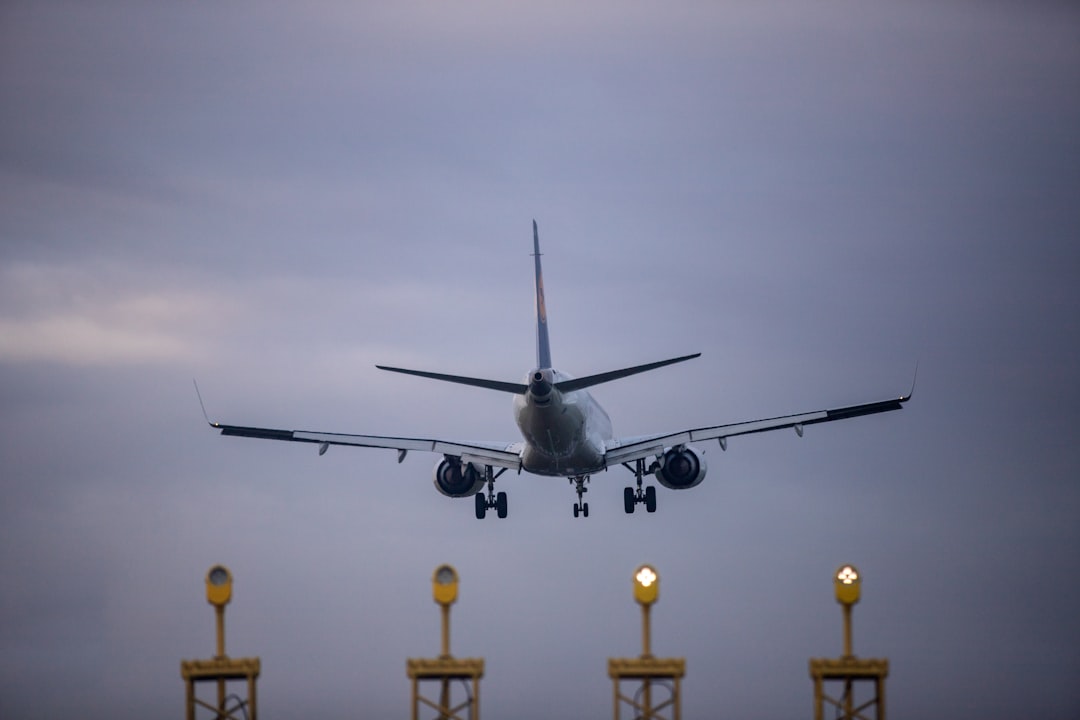
Europe's Airport Chaos: What Travelers Must Know
Introduction: The Coming Travel Storm
European travel faces big problems in mid-October. Airport workers across many countries plan to strike. Greece and Belgium recently joined the strike action. They join Italy, Spain, Lithuania and other nations. This creates a perfect storm for travelers.
The strikes will affect major airports across Europe. Travel plans may be ruined. Flights could be canceled or delayed. Passengers might face long waits and confusion. This situation requires careful planning.
This guide explains everything you need to know. We cover which countries are affected. We discuss why workers are striking. Most importantly, we provide practical tips to protect your travel plans. Knowledge is power when dealing with travel disruptions.
Which Countries Are Affected?
The strike action spans multiple European nations. Each country has different strike dates and reasons. Understanding the specific situations helps travelers prepare better.
Greece Joins the Strike Wave
Greek airport workers announced strike plans for mid-October. They work at Athens International Airport and other major hubs. The workers want better pay and working conditions. Greece's tourism industry might suffer during these strikes.
Air traffic controllers may also participate. This could ground many flights. Travelers to Greek islands should watch for updates. Ferries might be busier if flights are canceled.
Belgium's Airport Troubles
Brussels Airport faces worker strikes in October. Security staff and baggage handlers lead the action. They demand higher wages amid rising living costs. Belgium's central location makes this particularly disruptive.
Many connecting flights pass through Brussels. These strikes could affect travel across Europe. Airlines may reroute flights to avoid Belgian airspace.
Italy's Ongoing Labor Disputes
Italian airport workers have been protesting for months. Rome Fiumicino and Milan Malpensa airports will see strikes. Workers want better contracts and job security. Italian strikes often happen in short, sharp bursts.
Travelers should expect last-minute changes. Italian law requires some flights to operate during strikes. But many services will be reduced.
Spain's Airport Worker Actions
Spanish airport staff plan walkouts in October. Madrid Barajas and Barcelona El Prat will be affected. Workers seek improved working conditions. Spain's busy tourist season extends into October.
This timing could impact many vacationers. Beach destinations might see fewer arrivals. Travel insurance becomes very important.
Lithuania and Other Nations
Vilnius Airport in Lithuania will experience strikes. Workers there want higher pay. Other countries may join as solidarity grows. The European transport network is interconnected.
Strikes in one country can ripple across borders. Travelers should monitor all European airport news.
Why Are Workers Striking?
Understanding the reasons behind strikes helps predict their duration. Most disputes center on common themes across Europe.
Cost of Living Pressures
Inflation has hit Europe hard. Airport workers' wages haven't kept pace with rising costs. Food, housing and energy prices have soared. Workers need higher pay to maintain living standards.
Many airport staff earn modest salaries. They struggle with expensive city living costs. Some commute long distances to work at airports.
Working Conditions and Staff Shortages
Airports face staff shortages since the pandemic. Remaining workers face heavier workloads. Stress and burnout are common complaints. Workers want better staffing levels and rest periods.
Security staff often work long shifts. Baggage handlers perform physically demanding work. All want respect and proper working conditions.
Summer Season Fatigue
The busy summer travel season exhausted many workers. Now they're demanding recovery time and compensation. Summer 2024 saw record passenger numbers. Staff worked extra hours to handle the crowds.
Now they want recognition for their efforts. Better pay and conditions would help retain experienced staff.
Practical Impact on Travelers
These strikes will directly affect your travel experience. Knowing what to expect helps you prepare mentally and practically.
Flight Cancellations and Delays
Many flights will be canceled during strike days. Airlines reduce schedules in advance. Remaining flights may face long delays. Passengers should expect disruption.
Early morning and late evening flights are most vulnerable. Airlines try to protect their most profitable routes. Less popular destinations may see more cancellations.
Airport Chaos and Long Queues
Strikes mean fewer staff working. Security lines will move slowly. Check-in desks may have long queues. Baggage handling will take longer.
Travelers should arrive extra early at airports. Allow at least 3-4 hours before international flights. Bring patience and understanding.
Connecting Flight Risks
If your journey involves connections, risks multiply. A delay on your first flight might make you miss your connection. Strikes at hub airports affect many connecting passengers.
Consider booking direct flights if possible. Allow longer connection times between flights. Know your airline's rebooking policies.
Protecting Your Travel Plans
Smart planning can reduce strike-related stress. Follow these practical steps to safeguard your journey.
Travel Insurance is Essential
Good travel insurance covers strike disruptions. It should include trip cancellation and delay benefits. Read the policy carefully before buying. Some policies exclude labor disputes.
Look for coverage that includes:
- Extra accommodation costs
- Meal allowances during delays
- Alternative transportation costs
- Trip cancellation protection
Flexible Booking Options
Book flexible tickets when possible. They cost more but offer peace of mind. Many airlines offer free changes during strikes. Check your airline's strike policy in advance.
Consider booking with credit cards that offer travel protection. Some premium cards include trip delay insurance. This can save you money during disruptions.
Monitor Strike Updates
Stay informed about strike developments. Follow these sources:
- Airline websites and apps
- Airport social media accounts
- Aviation authority websites
- Travel news websites
Set up flight status alerts. Download your airline's mobile app. Check for updates regularly as your travel date approaches.
What to Do If Your Flight is Affected
If strikes disrupt your travel, take these steps immediately.
Contact Your Airline First
Airlines must help passengers during strikes. European law protects your rights. Contact your airline for rebooking options. Use their app, website or call center.
Have your booking reference ready. Be patient - call centers will be busy. Consider visiting airport service desks if nearby.
Know Your Passenger Rights
EU Regulation 261/2004 covers strike situations. You have rights to:
- Care (meals, refreshments)
- Communication (updates, phone calls)
- Rebooking or refunds
- Compensation in some cases
Strikes are considered "extraordinary circumstances." This means compensation may not apply. But care and rebooking rights still stand.
Alternative Travel Options
Consider other ways to reach your destination:
- Trains within Europe
- Buses or coaches
- Car rentals
- Different airports
Book alternative transportation quickly. Options sell out fast during disruptions. Travel insurance may cover these extra costs.
Long-Term Solutions Needed
These strikes highlight systemic issues in European aviation. Lasting solutions require industry-wide changes.
Better Worker Compensation
Airlines and airports must address worker demands. Fair wages and conditions prevent future strikes. The industry relies on experienced staff. Treating workers well benefits everyone.
Some airlines have reached agreements with unions. Others continue negotiations. Travelers should support fair treatment of aviation workers.
Improved Passenger Communications
Airlines need better disruption management systems. Clear, timely information reduces passenger stress. Mobile apps should provide real-time updates. Customer service must be accessible during crises.
Some airlines excel at communication during strikes. Others struggle. Travelers should choose airlines with good track records.
Frequently Asked Questions
Are strikes considered "extraordinary circumstances" under EU law?
Yes, strikes are extraordinary circumstances. This means airlines don't pay compensation for delays. But they must still provide care and rebooking. The European Commission confirms this interpretation.
Can I get a refund if my flight is canceled due to strikes?
Yes, you have the right to a full refund. Airlines must refund the ticket price within 7 days. You can choose refund or rebooking. The choice is yours under EU law.
Should I travel to Europe during the strike period?
You can travel but be prepared for disruptions. Buy good travel insurance. Book flexible tickets. Have backup plans. Monitor the situation closely before traveling.
How far in advance will I know if my flight is canceled?
Airlines usually announce cancellations 1-3 days before. But sometimes decisions come later. Check your flight status regularly. Sign up for airline notifications.
What happens if I miss my connection due to strike delays?
Your airline must rebook you on the next available flight. They should provide care during the wait. This applies even if flights are operated by partner airlines.
Can I claim expenses from my travel insurance?
Yes, if your policy covers labor disputes. Keep all receipts for extra costs. Contact your insurer before making large purchases. Follow their claims process carefully.
Are there any strike-free days during this period?
Strikes usually last 1-3 days in each country. But different countries strike on different days. Check specific dates for each airport. Some days might have minimal disruption.
Real Examples from Previous Strikes
Looking at past strikes helps understand what to expect.
French Air Traffic Controller Strikes 2023
French strikes in 2023 canceled thousands of flights. Passengers faced week-long disruptions. Airlines had to reroute flights around French airspace. Many travelers reached destinations via trains or buses.
German Airport Strikes 2024
German security staff strikes earlier this year caused chaos. Passengers waited hours in security lines. Some missed flights despite arriving early. Airlines learned to better communicate with passengers during crises.
UK Border Force Strikes 2023
UK passport control officers staged walkouts. This caused enormous arrival delays. Some passengers waited 4-5 hours to clear immigration. The army was brought in to help.
Statistics: Understanding the Scale
Numbers help illustrate the potential impact.
- European airports handled 2.3 billion passengers in 2023 (Source: ACI Europe)
- Strikes could affect 10,000+ flights during the peak period
- Average strike duration: 2-3 days per country
- Previous strikes caused 50-70% flight reductions at affected airports
- Travel insurance claims during strikes increase by 300% (Source: Allianz Partners)
- 60% of travelers change plans when strikes are announced (Source: Eurocontrol)
Step-by-Step: Managing Strike Disruption
Follow this clear action plan if strikes affect your travel.
Step 1: Confirm Your Flight Status
Check your airline's website or app. Look for cancellation notices. Don't rely solely on email notifications. Verify directly with the airline.
Step 2: Understand Your Options
You can choose:
- Rebooking on later flights
- Refund of your ticket
- Rerouting via different airports
- Alternative transportation
Step 3: Contact Your Airline
Use their preferred communication channel. Have your booking details ready. Be clear about your preferences. Take notes of conversation details.
Step 4: Arrange Immediate Needs
If stranded, ask the airline for:
- Meal vouchers
- Hotel accommodation
- Transportation to hotel
- Communication facilities
Step 5: Contact Your Insurance Provider
Notify them of the situation. Ask about coverage for extra costs. Follow their instructions for claims. Keep all receipts and documentation.
Step 6: Inform Relevant Parties
Contact:
- Your hotel about late arrival
- Your employer if traveling for work
- Tour operators if on package holiday
- Family members about your situation
Conclusion: Navigating the Challenges Ahead
The October airport strikes present real challenges for European travel. But with proper preparation, you can minimize disruption to your plans. The key is staying informed and being flexible.
Remember your passenger rights during strikes. Airlines must provide care and rebooking options. Travel insurance offers important financial protection. Alternative transportation might save your trip.
These strikes also remind us of aviation workers' importance. They keep our travel system running. Fair treatment benefits both workers and travelers. Supporting better industry practices helps prevent future disruptions.
Safe travels during this difficult period. Plan ahead, stay calm, and be prepared to adjust your plans. The travel community will get through this together.