
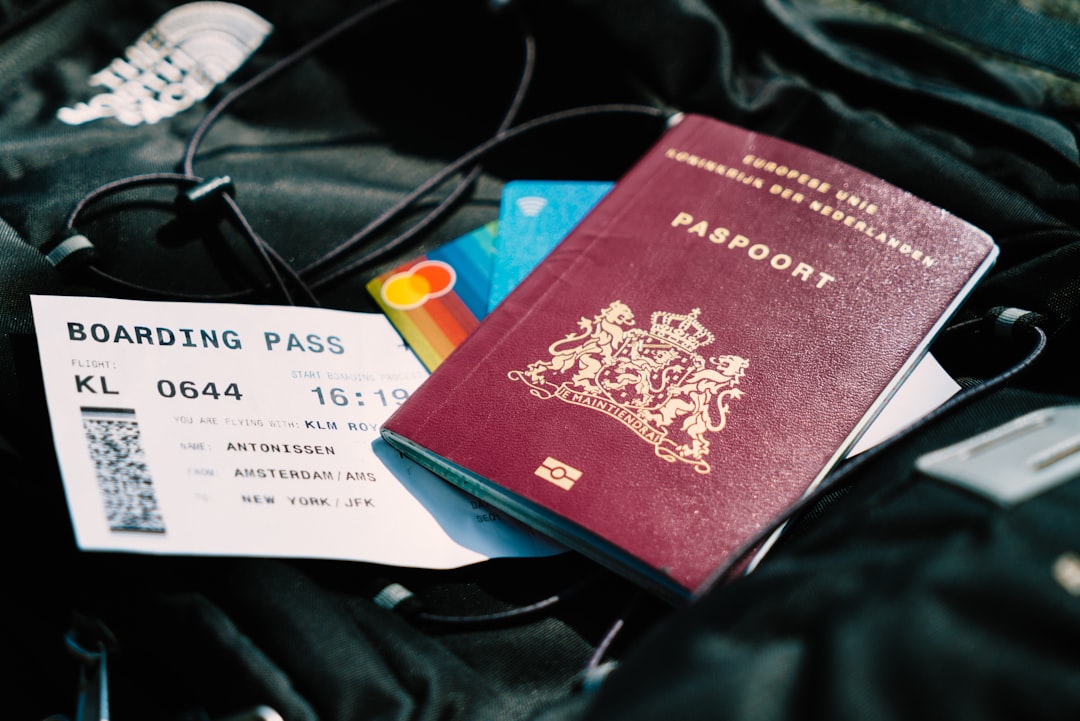
Europe Fall Packing Mistakes: 10 Items to Leave Home
Introduction: Why European Fall Packing Needs Special Attention
Fall in Europe is magical. The leaves change color. The air turns crisp. Cities come alive with cultural events. But many travelers make packing mistakes. These mistakes can ruin your trip. I learned this the hard way.
During my first European fall trip, I packed all wrong. I brought heavy winter clothes in September. I wore uncomfortable shoes for walking. My luggage was too heavy for train travel. I looked like a tourist everywhere I went.
After 15 years as a travel writer, I now know better. I have visited over 20 European countries in autumn. I understand what works and what doesn't. This guide will save you from common packing errors.
European fall weather varies greatly. Southern Europe stays warm into October. Northern Europe gets cold quickly. Mountain regions see snow early. Coastal areas face rain and wind. You need versatile clothing options.
According to Statista, Europe receives over 700 million tourists yearly. Many visit during fall. The right packing strategy makes your trip better. It helps you blend in with locals. It keeps you comfortable in changing weather.
This guide covers 10 items to avoid. For each, I suggest better alternatives. You will learn how to pack light and smart. Your European adventure will be more enjoyable. Let's begin with the most common mistake.
1. Avoid Bulky Winter Coats - Choose Layering Instead
Why Bulky Coats Fail in European Fall
Many travelers bring heavy winter coats. This is a big mistake. European fall temperatures change quickly. Mornings can be chilly. Afternoons often warm up. A thick coat becomes uncomfortable.
Bulky coats take too much space. European hotels have small closets. Train compartments offer limited storage. You will struggle with a large coat everywhere.
Heavy coats make you sweat indoors. Museums, restaurants, and shops keep warm interiors. You will constantly take your coat on and off. This becomes annoying quickly.
The Perfect Layering System
Instead of one heavy coat, pack layers. This system works better. Start with a moisture-wicking base layer. Add a mid-layer for warmth. Finish with a waterproof outer layer.
Good base layers include merino wool or synthetic fabrics. They keep you dry and comfortable. Choose long-sleeve tops and leggings.
For mid-layers, pack lightweight sweaters or fleece jackets. These provide warmth without bulk. You can remove them when temperatures rise.
Your outer layer should be waterproof and windproof. A lightweight trench coat works well. So does a packable rain jacket. Look for breathable materials.
According to REI, proper layering maintains body temperature. It allows you to adapt to changing conditions. This is crucial for European travel.
2. Skip White Sneakers - Opt for Stylish Walking Shoes
The Problem with White Athletic Sneakers
White sneakers scream "tourist" in Europe. Locals rarely wear them for city exploring. They stand out in crowds. They attract unwanted attention.
European cities have cobblestone streets. White shoes get dirty quickly. Rain and mud will ruin them. Cleaning them during travel is difficult.
Most white sneakers lack proper support. You will walk 5-10 miles daily in cities. Your feet will hurt without good arch support.
Better Footwear Choices
Choose leather walking shoes in dark colors. Brown, black, or navy work well. They hide dirt better. They look more sophisticated.
Waterproof boots are essential for rainy cities. Cities like London, Amsterdam, and Dublin get frequent rain. Look for comfortable, stylish options.
Pack different shoes for different activities. Bring comfortable walking shoes for daytime. Pack dressier options for evenings. Include waterproof options for wet days.
The American Podiatric Medical Association recommends proper walking shoes. They suggest shoes with good cushioning and support. This prevents foot pain during long days.
3. Ditch Baseball Caps - Wear European-Style Hats
Why Baseball Caps Look Out of Place
Baseball caps are distinctly American. Europeans notice them immediately. They mark you as a foreigner. This can affect how locals interact with you.
Most European cities have dress codes for churches and museums. Baseball caps are often not allowed. You might be denied entry to important sites.
Baseball caps offer poor rain protection. Their brim is too short. Your face and neck get wet in showers.
European Hat Alternatives
Choose a classic wool fedora or trilby. These styles are popular across Europe. They look stylish and practical.
A waterproof wide-brim hat works well for rainy destinations. It keeps your face and shoulders dry. It folds easily for packing.
For colder regions, pack a wool beanie. Choose neutral colors like gray, black, or navy. Avoid bright colors and logos.
According to Visit Britain, proper headwear is essential for UK travel. The weather changes rapidly. A good hat provides protection and style.
4. Avoid Shorts - Choose Versatile Pants Instead
The Shorts Problem in European Fall
European fall temperatures rarely justify shorts. Most locals stop wearing them by September. You will look out of place in many settings.
Many European restaurants have dress codes. Shorts are often not permitted for dinner. You might miss out on great dining experiences.
Churches and religious sites require covered knees. Shorts will prevent entry to these important cultural locations.
Perfect Pants for European Fall
Pack lightweight wool trousers. Wool is naturally temperature-regulating. It keeps you warm when cold and cool when warm.
Dark jeans work for casual occasions. Choose well-fitting pairs without holes or designs. They transition well from day to evening.
Consider technical travel pants. Many brands offer stylish options. They are water-resistant and quick-drying. Some have hidden pockets for security.
The Skyscanner travel blog recommends versatile pants for European travel. They suggest neutral colors that mix and match easily.
5. Skip Synthetic Fabrics - Choose Natural Materials
Why Synthetic Fabrics Disappoint
Synthetic materials like polyester trap odors. After multiple wears, they develop unpleasant smells. Laundry facilities may be limited during travel.
These fabrics don't breathe well. You might overheat during daytime activities. Then feel cold when temperatures drop.
Synthetic clothing often looks cheap. Europeans generally prefer quality natural fabrics. You will stand out in synthetic outfits.
Superior Natural Fabric Choices
Merino wool is perfect for travel. It resists odors naturally. You can wear it multiple times between washes. It regulates temperature effectively.
High-quality cotton works well for base layers. Look for organic cotton with good weight. It feels comfortable against the skin.
Cashmere or wool blends make excellent sweaters. They provide warmth without bulk. They look sophisticated for evening wear.
According to The World Counts, natural fibers have environmental benefits. They biodegrade more easily than synthetics. This makes them better for sustainable travel.
6. Avoid Large Backpacks - Use Crossbody Bags
The Backpack Problem in Cities
Large backpacks are impractical in European cities. They bump into people in crowded spaces. Museums often require checking large bags.
Backpacks make you a target for pickpockets. You can't see what's happening behind you. Thieves can easily access zippers.
They're uncomfortable for all-day wear. The weight distribution can cause back pain. You'll constantly take it off and put it on.
Better Bag Options
Crossbody bags are the perfect solution. They keep your belongings secure and accessible. You can see the bag at all times.
Choose bags with multiple compartments. This helps organize your items. Look for RFID-blocking features for credit card protection.
Water-resistant materials are essential. European fall brings unexpected rain. Your belongings will stay dry.
The TripAdvisor community strongly recommends crossbody bags. They note reduced theft incidents compared to backpacks.
7. Skip Bright Colors - Choose Neutral Tones
Why Bright Colors Stand Out
Europeans generally wear muted, neutral colors. Bright outfits make you instantly recognizable as a tourist. This can affect your experience negatively.
Vibrant colors are harder to mix and match. You need more clothing items to create different outfits. This increases luggage weight.
Bright clothing shows dirt and stains more easily. European cities have pollution and occasional rain. Your clothes will look dirty quickly.
The Perfect Neutral Color Palette
Build your wardrobe around black, navy, gray, and beige. These colors work well together. You can create multiple outfits from few pieces.
Add one or two accent colors for variety. Burgundy, forest green, or mustard yellow work well. Use these in scarves or accessories.
Choose clothing in similar color families. This makes layering look intentional and stylish. You will appear put-together everywhere.
According to Color Meanings, neutral colors convey sophistication. They help travelers blend in with local populations.
8. Avoid Cheap Umbrellas - Invest in Quality Rain Gear
The Cheap Umbrella Problem
Discount store umbrellas break easily. European cities often have strong winds. You'll see broken umbrellas in trash cans after storms.
Small umbrellas provide poor coverage. Your shoulders and backpack still get wet. This makes exploring uncomfortable.
Cheap umbrellas are difficult to dry. Hotel rooms lack space for wet items. Everything around gets damp.
Superior Rain Protection
Invest in a high-quality compact umbrella. Look for wind-resistant models. Test it before your trip to ensure durability.
A waterproof trench coat provides better protection. It keeps your entire body dry. Your hands remain free for cameras and maps.
Pack a waterproof hat for light rain. This avoids the umbrella hassle altogether. You can enjoy sightseeing without equipment.
The Weather Channel reports European cities average 150 rainy days yearly. Proper rain gear is essential for comfortable travel.
9. Skip Formal Wear - Choose Smart Casual Options
Why Formal Wear is Unnecessary
Most European restaurants have relaxed dress codes now. You don't need suits or evening gowns. These items waste valuable luggage space.
Formal clothes require special care. Ironing may not be available. Dry cleaning is expensive and time-consuming.
You'll feel overdressed in most situations. Europeans dress elegantly but practically. Overly formal attire looks out of place.
Perfect Smart Casual Choices
For men: Pack dark jeans or trousers with collared shirts. Add a blazer for nicer restaurants. This combination works for most occasions.
For women: Bring a little black dress or nice separates. Add elegant accessories to dress up outfits. Comfortable yet stylish shoes complete the look.
Choose fabrics that resist wrinkles. Wool blends and technical fabrics work well. They look fresh after long travel days.
According to Michelin Guide, most starred restaurants now accept smart casual attire. Formal wear is rarely required anymore.
10. Avoid Too Many Shoes - Pack Just Three Pairs
The Multiple Shoes Mistake
Shoes take up significant luggage space. Many travelers pack too many pairs. This makes bags heavy and disorganized.
You won't wear all the shoes you bring. Most days, you'll reach for the most comfortable pair. The others remain unused.
Extra shoes add weight for no benefit. European travel involves carrying bags frequently. Every pound matters.
The Perfect Three-Shoe System
Choose one pair of comfortable walking shoes. Wear these for sightseeing and daytime activities. Break them in before your trip.
Pack one pair of waterproof boots or shoes. Use these for rainy days and countryside exploring. Ensure they're comfortable for walking.
Include one pair of dressier shoes. Select options that work for nice dinners and evenings. They should complement your other outfits.
The TSA recommends limiting shoes when packing. They suggest wearing your bulkiest pair during travel to save space.
Practical Packing Tips for European Fall
Master the Art of Layering
Layering is your best strategy for changeable weather. Start with a moisture-wicking base layer. Add insulating mid-layers as needed. Finish with a weather-proof outer layer.
Choose pieces that work together. Your layers should coordinate visually. This ensures you look put-together when removing items.
Pack versatile items that serve multiple purposes. A large scarf can be a blanket on trains. A cardigan works as both a layer and outer piece.
Choose the Right Luggage
Select luggage that meets airline size requirements. European budget airlines have strict limits. Measure and weigh your bag before departure.
Consider a wheeled carry-on plus personal item. This combination works for most trips. You avoid checked baggage fees and waiting times.
Ensure your luggage is easy to maneuver. Cobblestone streets challenge wheeled bags. Test yours on uneven surfaces before traveling.
Pack for Two Weeks Maximum
Even for longer trips, pack for about two weeks. Plan to do laundry during your travels. Most European cities have laundromats or services.
Choose quick-dry fabrics when possible. These allow for easy hand-washing in hotel sinks. You can refresh items overnight.
Pack travel-sized detergent. This enables washing underwear and socks easily. You'll need fewer duplicates of these items.
Frequently Asked Questions
What temperature range should I expect in European fall?
European fall temperatures vary by region. Southern Europe stays warmer longer. Expect 15-25°C (59-77°F) in September. Northern Europe cools quickly. Temperatures range from 5-15°C (41-59°F) by October. Always check specific destination forecasts before packing.
How many outfits should I pack for a two-week trip?
Pack 5-7 complete outfits for a two-week trip. Choose items that mix and match easily. Plan to do laundry once during your travels. Include extra underwear and socks. Remember, you can wear items multiple times between washes.
Are there any clothing items Europeans never wear?
Yes, some items immediately identify tourists. These include baseball caps, white sneakers, and college sweatshirts. Also avoid shorts after September and athletic wear as day clothes. Europeans dress more formally for cities and cultural sites.
Should I pack formal clothes for nice restaurants?
Most European restaurants accept smart casual attire. For men, dark jeans with a collared shirt work fine. Women can wear dresses or nice separates. Only pack formal wear if attending a specific black-tie event. Most travelers never need it.
How do I handle rain without looking like a tourist?
Invest in a stylish trench coat or waterproof jacket. Choose neutral colors that blend with your outfits. Pack a compact, quality umbrella. Consider a waterproof hat for light rain. Avoid plastic ponchos and obvious rain gear.
What's the best way to pack shoes?
Limit yourself to three pairs maximum. Wear your bulkiest shoes during travel. Pack others in shoe bags to protect clothing. Stuff socks and small items inside shoes to save space. Choose shoes that work with multiple outfits.
How can I avoid overpacking?
Lay everything out before packing. Then remove one-third of the items. Choose versatile pieces in coordinating colors. Remember, you can buy anything you forget. Most European cities have excellent shopping options.
Real Examples from Experienced Travelers
Sarah's London Lesson
Sarah packed only white sneakers for her London trip. It rained every day. Her shoes were constantly wet and dirty. She had to buy emergency footwear on day two. Now she always packs waterproof options.
Mark's Paris Experience
Mark brought a heavy winter coat to Paris in October. The temperatures reached 18°C (64°F). He carried his coat everywhere. It took up his entire daypack. He missed the flexibility of layers.
Lisa's Rome Realization
Lisa packed bright colors for her Rome vacation. She stood out in every crowd. Locals treated her differently. After switching to neutrals, she blended better. Her interactions improved significantly.
Statistics About European Fall Travel
According to European Destinations, fall is the second most popular travel season. About 35% of annual visitors come between September and November.
The Weather Base reports average European fall temperatures. These range from 8°C to 18°C (46°F to 64°F). Rainfall averages 60-100mm monthly across most regions.
A Travel Stats survey found 68% of travelers overpack for European trips. The average traveler brings 40% more clothing than needed.
According to Airline Industry, baggage fees cost travelers over $200 million yearly. Proper packing could save most of this expense.
Step-by-Step Packing Guide
One Month Before Travel
Start researching your destinations' weather patterns. Check average temperatures and rainfall. Make a preliminary packing list. Begin gathering items you already own.
Two Weeks Before Travel
Test your planned outfits. Wear them for full days to check comfort. Make adjustments based on your experience. Purchase any missing items.
One Week Before Travel
Lay everything out on your bed or floor. Create complete outfits. Remove items that don't work with multiple combinations. Ensure everything fits in your luggage.
Two Days Before Travel
Do your final packing. Use packing cubes for organization. Roll clothes to prevent wrinkles. Weigh your bag to avoid airline fees.
Day of Travel
Wear your bulkiest shoes and jacket. Keep essentials in your personal item. Double-check you have passports and documents. Leave extra space for souvenirs.
Conclusion: Pack Smart for Your European Adventure
Packing for European fall requires thought and planning. The right choices enhance your experience. You'll feel comfortable in changing weather. You'll blend in with local crowds.
Remember the key principles we discussed. Avoid bulky items in favor of layers. Choose versatile, neutral-colored clothing. Invest in quality walking shoes and rain protection.
Your packing decisions impact your entire trip. Light, organized luggage makes travel easier. You can move between cities smoothly. You'll have energy for exploring and discovery.
European fall offers incredible experiences. The crowds thin after summer. The weather is perfect for sightseeing. Cultural events fill the calendars. With proper packing, you can fully enjoy everything.
Use this guide as your packing checklist. Refer to it while preparing for your journey. Share it with fellow travelers. Your European adventure awaits - make it comfortable and memorable.
Safe travels and happy packing! Remember, the goal is experiences, not possessions. Pack light and create lasting memories across beautiful European destinations.