
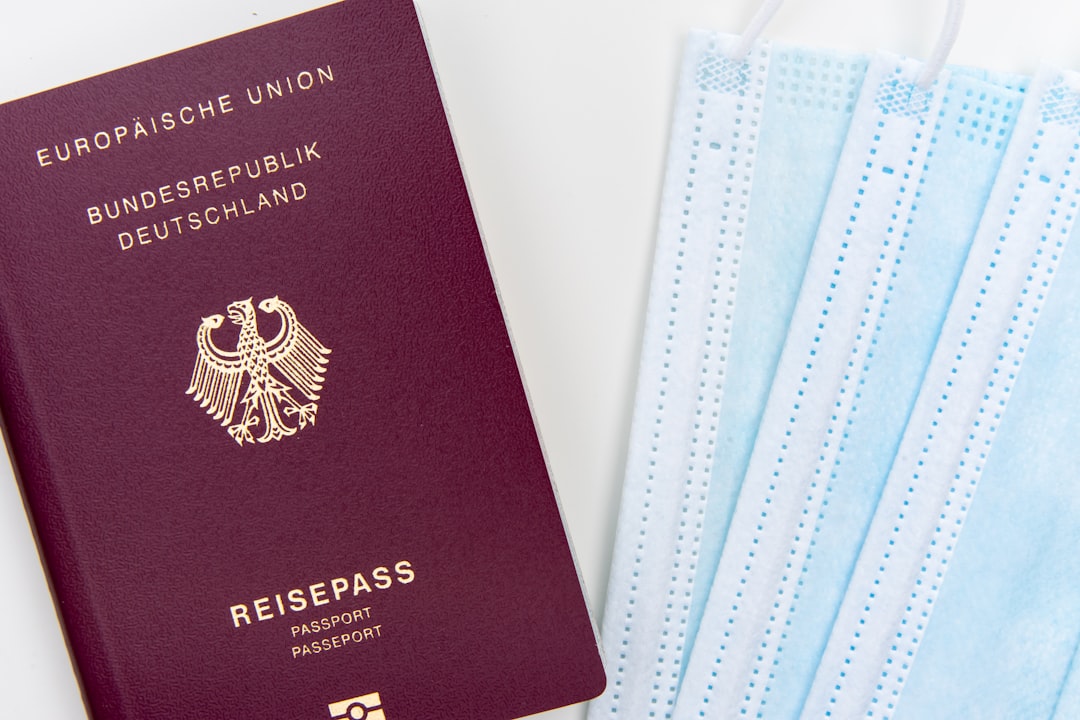
EU Airports Ditch Passport Stamps for Fingerprint Scans: What Travelers Need to Know
Introduction: The End of an Era for Passport Stamps
Remember collecting passport stamps from every country you visited? That tradition is changing fast. European Union airports are switching to new technology. They are replacing passport stamps with fingerprint scans. This big change affects millions of travelers. It started in 2023 and will continue through 2025.
The new system is called the Entry/Exit System (EES). It will track all non-EU visitors. The European Union says this makes borders safer. It also makes travel faster. But many travelers have questions. How does it work? Is your data safe? What happens to your passport stamps?
This guide explains everything. We cover how the system works. We discuss privacy concerns. We give practical tips for your next trip. The change is big. But understanding it makes travel easier. Let's explore what's happening at EU borders.
What is the New Entry/Exit System (EES)?
The Entry/Exit System is a new digital system. It records when you enter and leave the EU. It replaces passport stamps. The system collects your information automatically. This includes your name, travel document, and biometric data.
How EES Works
When you arrive at an EU airport, you will use new machines. These machines scan your passport. They also take your fingerprints. The system checks your information against databases. It makes sure you can enter the EU legally. The process takes just minutes.
The system remembers your entries and exits. It counts how many days you stay in the EU. This helps enforce the 90-day rule for visitors. The 90-day rule limits how long non-EU visitors can stay. The EES tracks this automatically.
Which Countries Use EES?
The system covers 26 European countries. This includes popular destinations like France, Italy, and Spain. Some countries are not included. The United Kingdom left the EU. So British passports will get scanned. Ireland is not part of the system either.
- France
- Germany
- Italy
- Spain
- Netherlands
- Greece
- Portugal
- And 18 other EU countries
Why the Change? Benefits of the New System
The European Union has several reasons for this change. Security is the main concern. The system helps border guards spot problems. It can identify people who overstay their welcome. It also helps prevent document fraud.
Improved Security
Border security is better with EES. The system checks many databases quickly. It can flag people who shouldn't enter the EU. This makes travel safer for everyone. The European Commission says EES strengthens border control.
Faster Processing
The new system should mean shorter lines. Automated borders work faster than human officers. First-time registration takes a few minutes. After that, border crossing is quicker. The system remembers your information. You don't need to repeat the process every time.
Better Tracking
The EES tracks how long visitors stay. This helps enforce immigration rules. Before, officers had to count passport stamps. Now the system does it automatically. This reduces mistakes and oversights.
Step-by-Step: What to Expect at EU Borders
Traveling to Europe will be different now. Here's what will happen at the border. Knowing the steps helps you prepare. You can move through borders smoothly.
Step 1: First-Time Registration
Your first EES registration happens when you enter the EU. You approach the automated border gates. You scan your passport at the machine. The machine will ask for your fingerprints. You place four fingers on the scanner. Then you place your other four fingers.
The machine may take your photo too. This whole process takes about two minutes. The system saves your information. You won't need to do this again for three years.
Step 2: Subsequent Entries
After your first registration, border crossing is faster. You scan your passport at the gate. The system recognizes you. It may ask for one fingerprint to confirm your identity. This takes less than 30 seconds usually.
Step 3: Exit Process
When you leave the EU, you must check out. You scan your passport at an exit gate. The system records your departure. This is important for tracking your 90-day limit.
Privacy Concerns: Is Your Data Safe?
Many travelers worry about privacy. The system collects biometric data. This includes fingerprints and facial images. The European Union has strict data protection laws. Your information is protected.
Data Protection Measures
The EES follows the General Data Protection Regulation (GDPR). This is Europe's strong privacy law. Your data is encrypted. Only border authorities can access it. The data is deleted after three years. Or sooner if your passport expires.
Who Can Access Your Data?
Border guards and immigration officers can see your data. Police may access it for serious crimes. Other countries cannot see your information. The system is secure against hackers.
Your Rights
You have rights under GDPR. You can ask what data the system has about you. You can correct wrong information. You can complain if you think your data is misused. The European Data Protection Supervisor oversees the system.
Practical Tips for Travelers
These changes require some adjustment. Here are tips to make your travel easier. Follow these suggestions for smooth border crossings.
Before Your Trip
- Check your passport expiration date
- Make sure your passport is machine-readable
- Research the 90-day rule for your nationality
- Download any required travel apps
- Have your travel documents ready
At the Border
- Follow instructions on the screen
- Keep your fingers clean for fingerprint scans
- Remove gloves before scanning
- Look directly at the camera for photos
- Ask for help if you need it
Special Considerations
Some travelers need special help. Children under 12 don't give fingerprints. People with disabilities can get assistance. Elderly travelers can request human officers. The system accommodates everyone.
Real Examples: Traveler Experiences
Some airports already use the new system. Travelers share their experiences. Most find it fast and easy. Here are some real stories.
Amsterdam Schiphol Airport
John from Canada visited Amsterdam in 2024. He used the new gates. "It was my first time," he said. "The machine took my fingerprints. It was quick. The line moved fast. I missed the passport stamp though."
Paris Charles de Gaulle
Maria from Brazil traveled to Paris. "I was nervous," she admitted. "But the process was simple. I scanned my passport. I put my fingers on the screen. A green light came on. I was through in two minutes."
Frankfurt Airport
David from Australia connected through Frankfurt. "The system remembered me from last year," he noted. "I just scanned my passport. No fingerprints needed. It was faster than before."
Statistics and Data: The Scale of Change
The EES affects millions of people. The numbers show how big this change is. Here are some important statistics.
- Over 400 million non-EU visitors enter yearly (Eurostat)
- EU airports process 1.1 million passengers daily
- The system will store data for 300 million travelers
- Fingerprint accuracy rate: 99.9%
- Average processing time: 1-2 minutes
- Projected time savings: 5-7 seconds per passenger
These numbers show the system's scale. It handles huge volumes of travelers. The technology makes border control more efficient.
Frequently Asked Questions (FAQ)
Do I still need a passport?
Yes, you absolutely need a passport. The new system scans your passport electronically. Your passport must be valid. It must be machine-readable. Always carry your passport when traveling.
What if I don't want to give my fingerprints?
You must provide fingerprints to enter the EU. Refusing means you cannot enter. There are few exceptions. Children under 12 don't give fingerprints. People with hand injuries may be exempt.
How long is my data stored?
Your data stays in the system for three years. It is deleted automatically after that. If your passport expires sooner, the data is deleted then. The system follows strict privacy rules.
Can I still get passport stamps?
No, passport stamps are being phased out. The digital system replaces them. Some travelers miss the stamps. But the new system is more efficient. You can take photos of border gates instead.
What about connecting flights within the EU?
If you connect between EU countries, you go through border control once. Your first EU airport checks you in. Then you can travel freely within the Schengen area. No more border checks between Schengen countries.
Do EU citizens use this system?
No, EU citizens use different gates. They show their national ID cards. They don't give fingerprints. The EES is for non-EU visitors only. EU residents have their own systems.
What if the machines don't work?
Human border officers are always available. If machines break down, officers will help. They can process you manually. There are backup systems for emergencies.
Future Developments: What's Next?
The EES is just the beginning. The European Union plans more changes. Understanding future developments helps you prepare.
ETIAS Authorization
Soon, visa-free travelers will need ETIAS approval. ETIAS stands for European Travel Information and Authorization System. It is like the US ESTA system. You apply online before travel. It costs about 7 euros. It will launch after EES is fully running.
More Biometric Data
The system may collect more data in future. This could include facial recognition at more points. The technology will keep evolving. The goal is smoother, safer travel.
Integration with Other Systems
EES will connect with other EU systems. This includes visa databases and police systems. The integration makes border control more comprehensive. It helps fight crime and terrorism.
Conclusion: Embracing the Future of Travel
The change from passport stamps to fingerprint scans is significant. It marks a new era in European travel. The system offers benefits. Security improves. Border processing becomes faster. Travel becomes more efficient.
Some travelers will miss passport stamps. They were souvenirs of journeys. But the new system has advantages. It reduces human error. It prevents overstays. It makes borders more secure.
The key is understanding how the system works. Follow the practical tips in this guide. Prepare for your first registration. Then enjoy faster border crossings. The future of travel is digital. Embracing it makes your journeys smoother.
Next time you travel to Europe, expect the new process. It may feel different at first. But soon it will become normal. The gates will open quickly. Your European adventure will begin. Safe travels!