
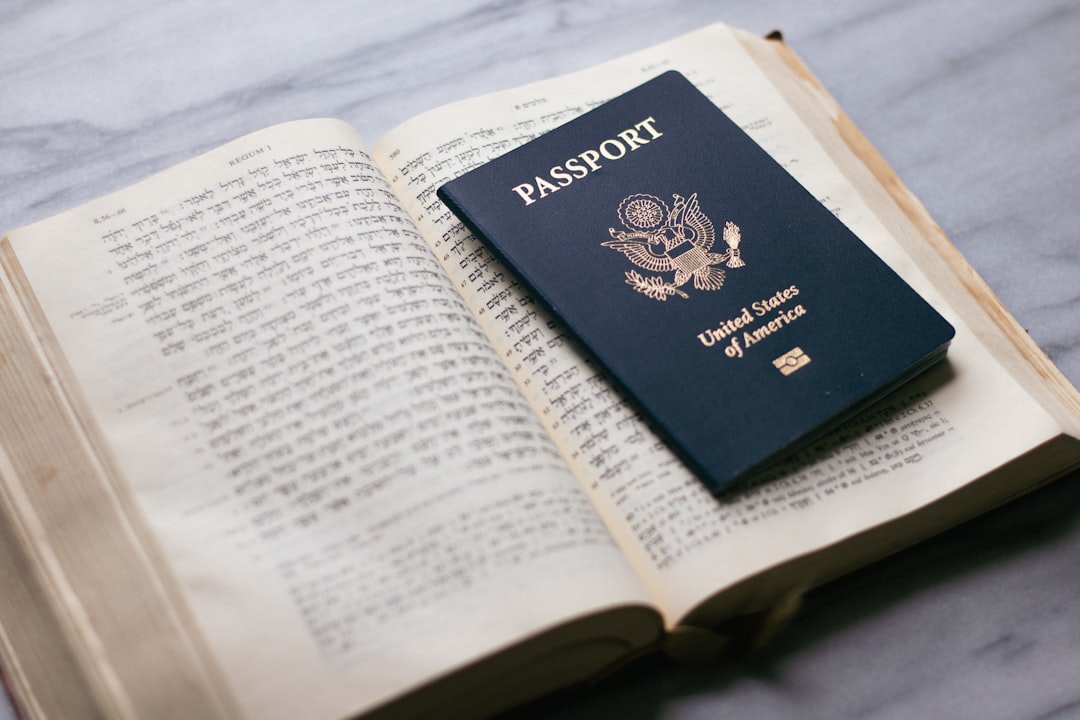
Does the Travel Ban Affect U.S. Citizens? Your Complete Guide
Introduction: Understanding Travel Bans and U.S. Citizens
Many Americans wonder about travel bans. They ask: Does the travel ban affect U.S. citizens? The short answer is usually no. But there are important details to know. Travel bans are rules made by governments. They limit who can enter a country. These bans can happen for many reasons. Sometimes there are health concerns. Other times there are security issues. Political problems can also cause travel bans.
U.S. citizens have special rights when traveling. The U.S. government protects its citizens abroad. But rules can change quickly. It is important to stay informed. This guide will explain everything. We will cover different types of travel bans. You will learn how they affect American travelers. We will also share practical tips. These will help you travel safely.
Travel planning can be confusing. New rules appear often. This article makes it simple. We break down complex information. You will understand your rights as a U.S. citizen. You will learn how to prepare for trips. We include real examples and statistics. Our goal is to help you travel with confidence.
What Are Travel Bans and How Do They Work?
Definition of Travel Bans
A travel ban is a government order. It restricts movement between countries. Bans can be temporary or permanent. They can affect entire countries or specific groups. Some bans stop all travel. Others allow only essential travel.
Common Reasons for Travel Bans
- Health emergencies like pandemics
- Security threats from terrorist groups
- Political tensions between countries
- Environmental disasters like volcanoes
- Economic sanctions against other nations
How Travel Bans Are Created
The U.S. government follows a process. The President can issue executive orders. Congress can pass laws about travel. Federal agencies help enforce these rules. The State Department provides travel advisories. These warn Americans about risks abroad.
Types of Travel Bans That Affect Americans
Outbound Travel Restrictions
These limit Americans leaving the U.S. They are very rare. The U.S. government usually lets citizens travel freely. But during extreme emergencies, restrictions might happen. For example, during the COVID-19 pandemic, some countries closed borders to Americans.
Inbound Travel Restrictions
These affect people coming to the U.S. They are more common. Foreign citizens from certain countries may be banned. But U.S. citizens can almost always return home. The government must let citizens come back.
Destination Country Bans
Other countries may ban U.S. travelers. This happens during health crises. It also occurs during political conflicts. For example, North Korea bans most American tourists. Some countries require special visas for U.S. citizens.
Your Rights as a U.S. Citizen When Traveling
Right to Return Home
The U.S. government cannot stop citizens from returning. This is protected by law. Even during travel bans, Americans can come home. They might need to follow health rules. Quarantine or testing may be required. But they cannot be kept out completely.
Right to Consular Assistance
U.S. embassies help citizens abroad. They provide emergency services. If you get stuck due to a travel ban, contact the nearest embassy. They can guide you through the situation.
Right to Due Process
If your travel rights are challenged, you have legal options. You can appeal decisions. You can seek legal help. The ACLU often defends travel rights.
Recent Examples of Travel Bans and U.S. Citizens
COVID-19 Pandemic Travel Restrictions
The pandemic caused many travel bans. In 2020, many countries closed borders to Americans. The U.S. also restricted travel from certain countries. But U.S. citizens could always return home. They needed negative COVID tests. Some had to quarantine.
Muslim Ban (2017-2021)
This was a controversial travel ban. It affected people from several Muslim-majority countries. But it did not apply to U.S. citizens. American travelers could still visit these countries. The ban only affected foreign nationals coming to the U.S.
European Travel Restrictions
In 2020, the EU banned American tourists. This was due to high COVID cases in the U.S. But Americans with essential reasons could still travel. Business travelers and students were often exempt.
Practical Tips for U.S. Citizens During Travel Bans
Before You Travel
- Check travel advisories at travel.state.gov
- Research destination country entry requirements
- Purchase travel insurance with cancelation coverage
- Keep important documents handy
- Share your itinerary with family
During Your Trip
- Monitor local news for rule changes
- Keep embassy contact information with you
- Have extra money for unexpected expenses
- Stay in touch with people back home
- Follow local health and safety rules
If a Ban Happens While You're Abroad
Do not panic. Contact the U.S. embassy immediately. Follow their guidance. Keep your passport safe. Make backup plans for extended stays. Stay informed about flight availability.
Statistics and Data About Travel Bans
COVID-19 Travel Impact
The pandemic affected travel greatly. According to the World Tourism Organization, international travel dropped 74% in 2020. About 100 countries had restrictions on U.S. travelers at some point.
Government Travel Advisories
The State Department issues four levels of travel advisories. Level 1 means exercise normal precautions. Level 4 means do not travel. In 2023, about 30 countries had Level 4 advisories for Americans.
Citizen Return Statistics
During the COVID-19 pandemic, the State Department helped over 100,000 Americans return home. This shows that citizens can usually come back despite bans.
Step-by-Step Guide: What to Do If Affected by a Travel Ban
Step 1: Stay Calm and Assess
Take a deep breath. Do not make rushed decisions. Understand the specific ban details. Check if it applies to you directly.
Step 2: Contact the U.S. Embassy
Find the nearest U.S. embassy or consulate. Call or visit their website. Register with the Smart Traveler Enrollment Program. This helps the embassy assist you.
Step 3: Follow Official Guidance
Listen to embassy instructions. They know the local situation best. Do not believe rumors or unverified information.
Step 4: Make Practical Arrangements
Extend your accommodation if needed. Contact your airline about flight changes. Inform your employer or school about delays.
Step 5: Stay Informed
Check official sources daily. The situation may change quickly. Be ready to act when opportunities arise.
Frequently Asked Questions (FAQ)
Can the U.S. government stop me from leaving the country?
Almost never. U.S. citizens have the right to travel abroad. Only in extreme cases like national emergencies might restrictions happen. But this is very rare.
What if another country bans U.S. travelers while I'm there?
You will usually be allowed to stay until your planned departure. Or you may need to leave quickly. The U.S. embassy can help you understand your options.
Do I need special documents during travel bans?
Always carry your U.S. passport. Keep digital copies too. Some situations may require extra documents. The embassy can advise you.
Can travel insurance help during bans?
Yes, good travel insurance is valuable. Look for policies that cover trip interruption. Read the fine print about what situations are covered.
How can I stay updated about travel bans?
Check travel.state.gov regularly. Sign up for travel advisories. Follow U.S. embassies on social media.
What financial help is available if I get stuck?
The embassy can help with emergency loans in some cases. But you should have your own emergency funds. Contact your insurance company about coverage.
Are some U.S. citizens treated differently during bans?
No, all U.S. citizens have the same basic rights. Dual citizens should carry their U.S. passport when returning to America.
Real Examples: Americans Navigating Travel Bans
Sarah's Story: Stranded in Peru
Sarah was hiking in Peru when COVID-19 hit. Peru closed its borders suddenly. She couldn't find flights home. The U.S. embassy organized repatriation flights. She registered online and got a seat. After two weeks, she returned safely to Texas.
Mark's Experience: Business Trip to Europe
Mark was in Germany for work. The EU banned U.S. tourists while he was there. Since he was there for business, he could stay. But he needed extra documents from his company. The embassy helped him understand the rules.
Lisa's Vacation: Caribbean During Hurricane
Lisa was in Jamaica when a hurricane warning was issued. Flights were canceled. The island closed to tourists. She extended her hotel stay. The embassy provided updates. She left when the airport reopened.
Conclusion: Travel Confidently as a U.S. Citizen
Travel bans can be worrying. But U.S. citizens have strong protections. You can almost always return home. The government works to help Americans abroad. Preparation is your best defense.
Remember to check travel advisories before trips. Have a backup plan. Keep emergency contacts handy. Purchase good travel insurance. Stay informed during your travels.
Do not let fear of travel bans stop you from exploring. Millions of Americans travel safely each year. Understand your rights. Follow official guidance. You can handle most travel situations confidently.
Safe travels! The world is waiting to be explored. With proper preparation, you can enjoy amazing experiences abroad. Stay informed, stay prepared, and travel smart.