
Does the Travel Ban Affect U.S. Citizens? Your Complete Guide to Travel Rights & Restrictions
Introduction: Understanding Travel Bans and Your Rights as an American
Travel bans can be confusing for many Americans. You might wonder if you can still travel freely. The short answer is yes, but with some important exceptions. U.S. citizens have strong travel rights. However, recent events have changed some rules.
This guide will explain everything you need to know. We will cover different types of travel bans. You will learn how they affect your travel plans. We will also share practical tips for safe travel. Our goal is to help you understand your rights.
Many people worry about sudden changes. Travel rules can update quickly. That is why staying informed is crucial. We will show you how to check current restrictions. You will learn where to find reliable information. This knowledge will help you plan better trips.
Remember that travel bans serve important purposes. They help protect public health and national security. Understanding them helps you travel smarter. Let us explore what every U.S. citizen should know about travel restrictions.
What Are Travel Bans and How Do They Work?
Travel bans are government restrictions on movement. They can limit travel to or from certain countries. Some bans affect entry to the United States. Others affect Americans traveling abroad.
Types of Travel Bans
There are several kinds of travel restrictions:
- COVID-19 restrictions - Health-related travel limits
- Security bans - Limits for national safety reasons
- Diplomatic restrictions - Limits due to political situations
- Regional warnings - Advice about dangerous areas
The U.S. Department of State issues travel advisories. These help Americans make safe choices. They use a color-coded system. Level 1 means exercise normal precautions. Level 4 means do not travel.
How Travel Bans Are Created
The President can issue executive orders for travel bans. Congress can also pass laws about travel. Federal agencies enforce these rules. The Department of Homeland Security manages border security.
Travel bans can be temporary or long-term. Some last only a few months. Others continue for years. It depends on the situation that caused them.
Do Travel Bans Prevent U.S. Citizens from Traveling?
Generally, no. U.S. citizens cannot be denied entry to their own country. The Constitution protects this right. However, there are some important limitations.
Your Right to Return Home
The Supreme Court has confirmed this right multiple times. In Afroyim v. Rusk (1967), the court ruled strongly for citizen rights. This means you can always return to the United States.
But returning might not be simple during emergencies. You might face health screenings. Quarantine requirements are possible too. These measures protect public health.
Traveling to Restricted Countries
You can usually travel to countries with U.S. travel bans. However, the government strongly advises against it. There might be no embassy help available. You could face dangerous situations.
Some countries have their own entry restrictions. They might not allow Americans to visit. Always check the destination country's rules before traveling.
Recent Travel Bans and Their Impact on Americans
Several significant travel bans have affected Americans recently. Understanding these helps plan future travel.
COVID-19 Travel Restrictions
The pandemic brought major travel changes. Many countries closed borders to Americans. The U.S. also restricted entry from certain countries.
According to CDC data, these measures helped slow virus spread. They changed frequently as situations evolved.
Security-Related Travel Bans
Some bans focus on national security. These typically affect foreign nationals more than U.S. citizens. However, Americans might face extra screening when traveling from restricted countries.
The Department of Homeland Security provides updates on security measures.
Practical Tips for U.S. Citizens Navigating Travel Bans
Smart planning helps avoid travel problems. Follow these tips for smoother trips.
Before You Travel
- Check current travel advisories at least weekly
- Register with the Smart Traveler Enrollment Program (STEP)
- Purchase travel insurance with cancellation coverage
- Keep important documents accessible
- Have backup plans for changing restrictions
During Your Trip
- Monitor local news and U.S. embassy updates
- Keep embassy contact information handy
- Follow local health and safety rules
- Maintain communication with family at home
- Be prepared to change plans if needed
Returning to the United States
- Allow extra time for airport procedures
- Complete any required health declarations
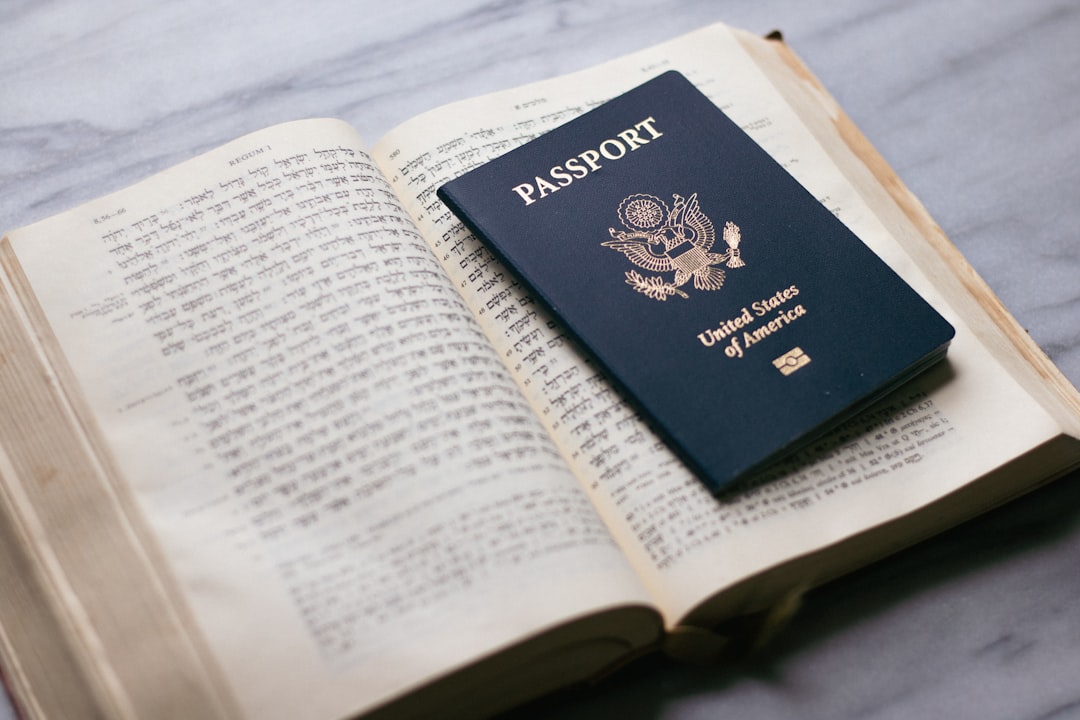
- Have your U.S. passport ready
- Know current entry requirements
- Be patient with screening processes
Real Examples: Americans' Experiences with Travel Bans
Real stories help understand how travel bans affect people.
Sarah's Story: Stranded During COVID-19
Sarah was studying in Europe when borders closed. Flights home became scarce and expensive. The U.S. embassy helped her find a flight home. She learned to always have an emergency fund for such situations.
Mark's Experience: Business Travel Challenges
Mark frequently travels for work. Security bans made some trips impossible. He now checks restrictions before booking anything. Virtual meetings became his backup option.
Maria's Lesson: Family Visit Complications
Maria planned to visit family abroad. Health restrictions canceled her trip twice. She learned to book refundable tickets and stay flexible.
Statistics: Travel Ban Impacts and Trends
Data helps understand the bigger picture of travel restrictions.
- 87% of Americans faced some travel disruption since 2020 (U.S. Travel Association)
- Travel bans affected over 100 countries at pandemic peak (World Health Organization)
- 35% of travelers now check restrictions more carefully (Travel Pulse Research)
- U.S. passport holders can visit 186 countries without visas (Henley Passport Index)
Step-by-Step Guide: Checking Current Travel Restrictions
Follow these steps to stay informed about travel rules.
Step 1: Check Official U.S. Government Sources
Start with the State Department website. This provides the most reliable information. Look for your destination country. Note the advisory level and reasons.
Step 2: Review Destination Country Requirements
Visit the official tourism website of your destination. Check their entry rules. Some countries require visas or health documents. Others might have vaccination requirements.
Step 3: Consult Your Airline
Airlines know current entry requirements. They will not let you board if you do not meet them. Call or check their website for updates.
Step 4: Monitor Health Requirements
Check CDC guidelines for health-related travel rules. Some places require COVID-19 tests or vaccines. Rules change frequently so check close to your travel date.
Step 5: Prepare Documentation
Gather all required documents. Keep digital and physical copies. This includes passports, visas, health records, and insurance documents.
Frequently Asked Questions About Travel Bans and U.S. Citizens
Can the U.S. government prevent me from returning home?
No. U.S. citizens have a constitutional right to return. However, you might face health screenings or quarantine. In extreme cases, your return could be delayed for safety reasons.
What happens if I'm in a country when a travel ban is announced?
Contact the nearest U.S. embassy immediately. They will provide guidance and assistance. Register with STEP before travel for faster help.
Do travel bans affect my passport validity?
No, but some countries require 6 months validity on your passport. Always check your destination's requirements. Renew your passport if it is close to expiring.
Can I travel to countries with Level 4 advisories?
Yes, but it is not recommended. The government may have limited ability to help you. Travel insurance might not cover these destinations.
How do I get updates about changing travel restrictions?
Subscribe to State Department alerts. Follow relevant embassies on social media. Check official websites regularly. Your airline also provides updates.
What rights do I have if denied boarding due to travel restrictions?
Airlines must follow government rules. If you are denied boarding, ask for a written explanation. You are typically entitled to a refund or rebooking.
How long do travel bans typically last?
It varies widely. Health-related bans might last months. Security bans can continue for years. There is no standard duration.
Conclusion: Navigating Travel Bans as a U.S. Citizen
Travel bans do not prevent U.S. citizens from returning home. This is a protected constitutional right. However, bans can make travel more complicated. They might affect your ability to visit certain countries.
The key is staying informed and prepared. Check travel advisories regularly. Have flexible plans and backup options. Understand that restrictions can change quickly.
Remember that travel bans serve important purposes. They protect public health and national security. While inconvenient, they are temporary measures. Following them helps keep everyone safer.
Your American passport remains one of the world's most powerful. It provides access to 186 countries. With proper planning, you can continue exploring the world safely. Stay informed, be flexible, and travel smart.
Safe travels always begin with good information. Use the resources we have shared. Check conditions before you go. And remember that no matter what, America will always welcome you home.