
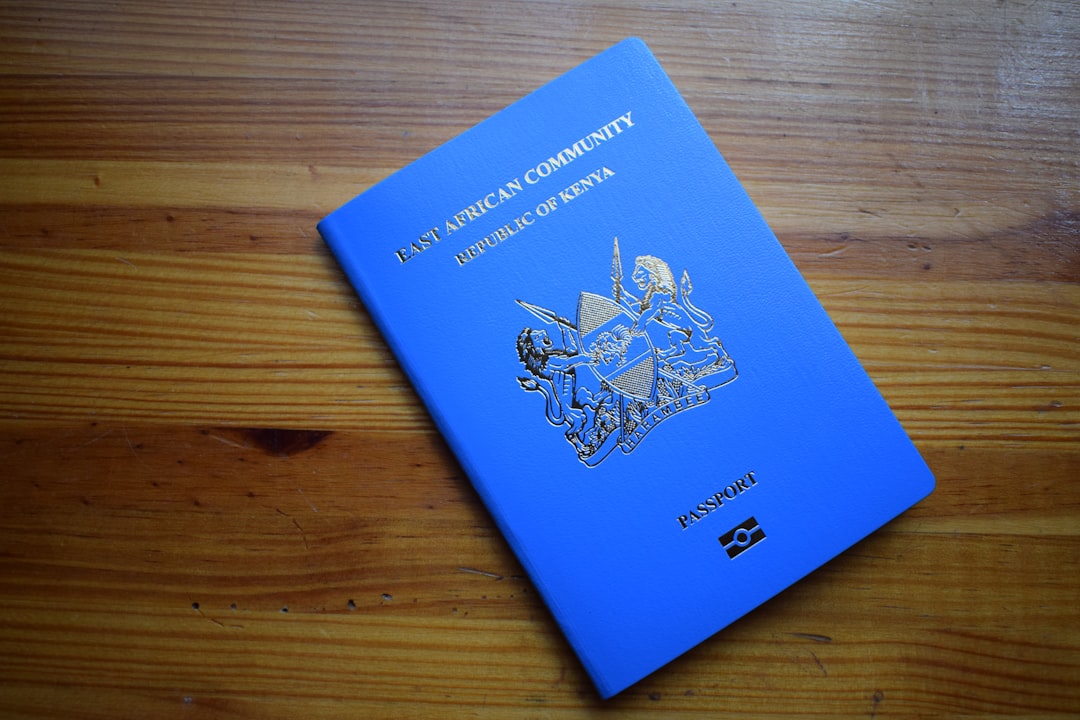
Do You Need a Passport to Travel Within the US? Your Complete Domestic Travel Guide
Traveling within the United States can be exciting. Many people wonder about passport requirements. Do you need a passport for domestic flights? What about road trips? This guide answers all your questions. We cover everything you need to know about traveling within America.
The short answer is usually no. You don't need a passport for most domestic travel. But there are important exceptions. Some situations do require passport identification. Understanding these rules will make your travels smoother. Let's explore the details together.
This comprehensive guide covers all 50 states. We include territories like Puerto Rico and Guam. You'll learn about REAL ID requirements. We explain TSA identification rules. Plus, we share practical travel tips. Our goal is to make your next trip stress-free.
Understanding Domestic Travel in the United States
Domestic travel means staying within US borders. This includes all 50 states. It also includes US territories. You travel from one US location to another. No international borders are crossed during your journey.
What Counts as Domestic Travel?
Domestic travel has clear boundaries. Flying from New York to California is domestic. Driving from Texas to Arizona is domestic. Taking a train from Chicago to Seattle is domestic. All these trips stay within the United States.
Some US territories have special rules. Puerto Rico, Guam, and US Virgin Islands are US territories. Travel to these places is usually domestic. But you should always check current requirements. Rules can change with new security measures.
The Transportation Security Administration (TSA) sets identification rules. They require ID for airport security. But they accept many types of identification. A passport is just one option among many.
Common Domestic Travel Scenarios
People travel domestically for many reasons. Business trips are common. Family vacations happen often. College students travel home for holidays. Understanding your specific situation helps.
- Business travel: Quick trips between cities
- Family vacations: Road trips or flights to tourist destinations
- College travel: Students returning home during breaks
- Relocation: Moving to a new state
- Medical travel: Visiting specialists in other cities
Each scenario might have different requirements. Business travelers often fly frequently. They need reliable identification. Family vacationers might drive more. Their ID needs could be different.
When You Don't Need a Passport for Domestic Travel
Most domestic travel doesn't require a passport. You have many identification options. Understanding these alternatives is important. It can save you time and money.
Flying Within the 50 States
Flying between US states usually doesn't require a passport. The TSA accepts many forms of ID. Your driver's license works in most cases. State-issued identification cards are also acceptable.
However, REAL ID requirements are changing things. After May 7, 2025, standard driver's licenses might not work for air travel. You'll need a REAL ID-compliant license. Or you can use another acceptable ID like a passport.
The Department of Homeland Security manages REAL ID requirements. They aim to improve security. Make sure your ID meets these standards before traveling.
Driving Across State Lines
Road trips across state lines never require passports. You only need a valid driver's license. Police might ask for identification during traffic stops. Your state driver's license suffices for this purpose.
Some states have special rules for young drivers. If you're under 18, carry additional identification. This could include school IDs or birth certificates. Always check specific state requirements before traveling.
Border patrol checkpoints exist in some areas. These are mainly near international borders. Agents might ask for citizenship proof. A driver's license usually works fine for US citizens.
Train and Bus Travel
Amtrak and other rail services have simple rules. They rarely require identification for domestic travel. Some exceptions exist for certain routes. Always check with your carrier before traveling.
Greyhound and other bus companies have similar policies. Identification isn't usually required. But carrying ID is always wise. It helps in case of emergencies or unexpected situations.
Some special circumstances might require ID. International border crossings by train or bus need passports. But purely domestic routes don't have this requirement.
When You Might Need a Passport for Domestic-Like Travel
Some situations seem domestic but aren't. These cases often require passports. Understanding these exceptions prevents travel problems.
Travel to US Territories
US territories have unique status. Puerto Rico, Guam, US Virgin Islands are examples. Travel to these places often requires passports. Even though they're US territories.
Puerto Rico doesn't require passports for US citizens. Your driver's license works fine. But other territories have different rules. Always verify requirements before booking travel.
The US Department of State provides updated information. Check their website for current rules. Requirements can change with security updates.
Closed-Loop Cruises
Closed-loop cruises start and end in US ports. They might visit foreign countries during the trip. These cruises have special documentation requirements.
US citizens on closed-loop cruises can use birth certificates. But passports are recommended. They make emergencies easier to handle. If you miss the ship in a foreign port, a passport becomes essential.
Cruise lines often have their own requirements. Some require passports regardless of official rules. Always check with your specific cruise line before traveling.
Travel Near Border Areas
Some US areas have enhanced security. Border zones might have checkpoints. Agents can ask for citizenship proof. Having a passport simplifies these interactions.
Areas within 100 miles of international borders have special rules. Border Patrol can operate checkpoints. They might ask for identification. While driver's licenses usually work, passports provide certainty.
If you look young or have foreign-sounding names, carry extra ID. This prevents unnecessary delays. A passport serves as definitive citizenship proof.
REAL ID Requirements and Domestic Travel
REAL ID changes domestic air travel requirements. Understanding these changes is crucial. They affect millions of American travelers.
What is REAL ID?
REAL ID is a security standard for identification. Congress passed the REAL ID Act in 2005. It sets minimum security standards for state-issued IDs. These standards help prevent identity fraud.
REAL ID-compliant licenses have special markings. They usually have a star in the upper corner. This star indicates compliance with federal standards. Non-compliant IDs lack this marking.
The Department of Homeland Security enforces REAL ID rules. They work with states to implement these standards. All states now issue REAL ID-compliant licenses.
REAL ID Implementation Timeline
The REAL ID deadline has been extended several times. The current deadline is May 7, 2025. After this date, non-compliant IDs won't work for air travel.
Here's the current timeline:
- 2005: REAL ID Act passed
- 2008: Initial enforcement date set
- 2020: Deadline extended due to COVID-19
- 2023: Further extensions granted
- 2025: Current enforcement date (May 7)
Many Americans still don't have REAL ID-compliant licenses. According to AAA, about 43% of Americans have compliant IDs. That means millions need to upgrade before the deadline.
How to Get a REAL ID
Getting a REAL ID requires visiting your DMV. You cannot get one by mail or online. The process requires specific documents.
Here's what you need:
- Proof of identity (birth certificate or passport)
- Social Security card
- Two proofs of residency (utility bills, bank statements)
- Legal name change documents (if applicable)
The process takes longer than regular license renewal. Plan for at least two hours at the DMV. Some states require appointments. Check your local DMV requirements before visiting.
Alternative Identification for Domestic Travel
Passports aren't your only option for domestic travel. Many other IDs work perfectly. Understanding your options provides flexibility.
TSA-Approved Identification List
The TSA accepts many forms of identification. Their list includes both common and special documents. Here are the main categories:
- State-issued driver's license
- State-issued identification card
- US passport
- Passport card
- DHS trusted traveler cards (Global Entry, NEXUS)
- US Department of Defense ID
- Permanent resident card
- Border crossing card
According to TSA statistics, over 2 million people fly daily in the US. Most use driver's licenses for identification. Only about 15% use passports for domestic flights.
Special Circumstances and Alternative IDs
Some travelers have unique situations. Minors, recent immigrants, and people without IDs need special consideration. The TSA has procedures for these cases.
Children under 18 don't need ID for domestic flights. But airlines might have their own requirements. Always check with your specific airline before traveling with minors.
If you lost your ID, don't panic. The TSA has alternative verification methods. They might ask additional questions. They could verify your identity through databases. Allow extra time for security screening in these cases.
Practical Tips for Domestic Travelers
Smart preparation makes travel easier. These practical tips help you avoid problems. They ensure smooth journeys within the United States.
Before You Travel Checklist
Preparation prevents problems. Follow this checklist before any domestic trip:
- Check your ID expiration date
- Verify REAL ID compliance if flying
- Make copies of important documents
- Research your destination's specific requirements
- Check travel advisories for your route
- Confirm airline or transportation requirements
- Pack medications and essential items
According to a recent travel study, 23% of travel delays happen due to documentation issues. Proper preparation can prevent most of these problems.
During Your Travel
Smart practices during travel reduce stress. Keep these tips in mind:
- Always carry your ID accessible
- Keep backup copies separate from originals
- Have digital copies on your phone
- Arrive early for transportation
- Know your rights during security checks
- Keep emergency contacts handy
TSA recommends arriving 2 hours early for domestic flights. This gives time for security screening. It also allows for unexpected documentation checks.
Frequently Asked Questions About Domestic Travel and Passports
Do I need a passport to fly between US states?
No, you don't need a passport for flights between US states. A valid driver's license or state ID works. After May 2025, you'll need REAL ID-compliant identification for air travel.
Can I use my passport card for domestic flights?
Yes, passport cards are valid for domestic air travel. They're cheaper than passport books. But they only work for land and sea travel to certain countries.
Do children need passports for domestic flights?
No, children under 18 don't need passports for domestic flights. But airlines might require age verification. Always check with your specific airline before traveling.
What if I lose my ID while traveling?
Contact local police to file a report. Then work with TSA on alternative verification. Allow extra time for security screening. The process involves additional questions and checks.
Can I use my military ID for domestic travel?
Yes, military IDs are valid for domestic air travel. They're on the TSA's approved identification list. They work the same as driver's licenses for security purposes.
Do I need a passport for Puerto Rico?
No, US citizens don't need passports for Puerto Rico. It's a US territory. Your driver's license or state ID works fine for travel.
What's the difference between passport book and card?
Passport books work for all international travel. Passport cards only work for land and sea travel to certain countries. Both work for domestic air travel within the US.
Real Examples and Statistics
Understanding real-world scenarios helps planning. These examples show common situations travelers face.
Case Study: Family Vacation to Florida
The Johnson family planned a Disney World trip. They flew from Chicago to Orlando. Parents used driver's licenses. Children under 18 needed no ID. Their REAL ID-compliant licenses worked perfectly. They saved money by not needing passports.
Business Travel Statistics
According to US Travel Association, business travel is recovering post-pandemic. About 1.3 million business trips happen daily in the US. Most business travelers use driver's licenses for identification.
Business travelers prefer REAL ID-compliant licenses. They provide certainty for frequent flying. Many companies now require employees to have compliant IDs.
Road Trip Documentation
Road trips rarely need passports. But smart travelers carry multiple forms of ID. This helps during traffic stops or emergencies. Digital copies provide additional backup security.
Step-by-Step Guide: Preparing for Domestic Air Travel
Follow these steps for stress-free air travel within the US:
- Check ID requirements: Verify your destination's rules
- Review REAL ID status: Ensure compliance if flying after May 2025
- Make copies: Create digital and physical backups
- Pack smart: Keep ID accessible in carry-on
- Arrive early: Allow 2 hours for domestic flights
- Security preparation: Have ID ready before screening
- Post-flight: Secure your ID during your stay
This process works for most domestic air travel situations. Adjust based on your specific circumstances and destination requirements.
Conclusion: Smart Domestic Travel Planning
Domestic travel within the US usually doesn't require passports. Driver's licenses and state IDs work for most situations. But understanding the exceptions is crucial. REAL ID requirements are changing air travel rules.
Planning ahead prevents problems. Check your ID's expiration date. Verify REAL ID compliance if you fly regularly. Keep backup copies of important documents. These simple steps ensure smooth travels.
Remember that rules can change. Always verify current requirements before traveling. Check TSA and airline websites for updates. Safe travels require good preparation and current information.
Your next domestic trip should be enjoyable. Proper documentation planning removes one major stressor. Focus on making great memories rather than worrying about paperwork. Happy travels within our beautiful country!