
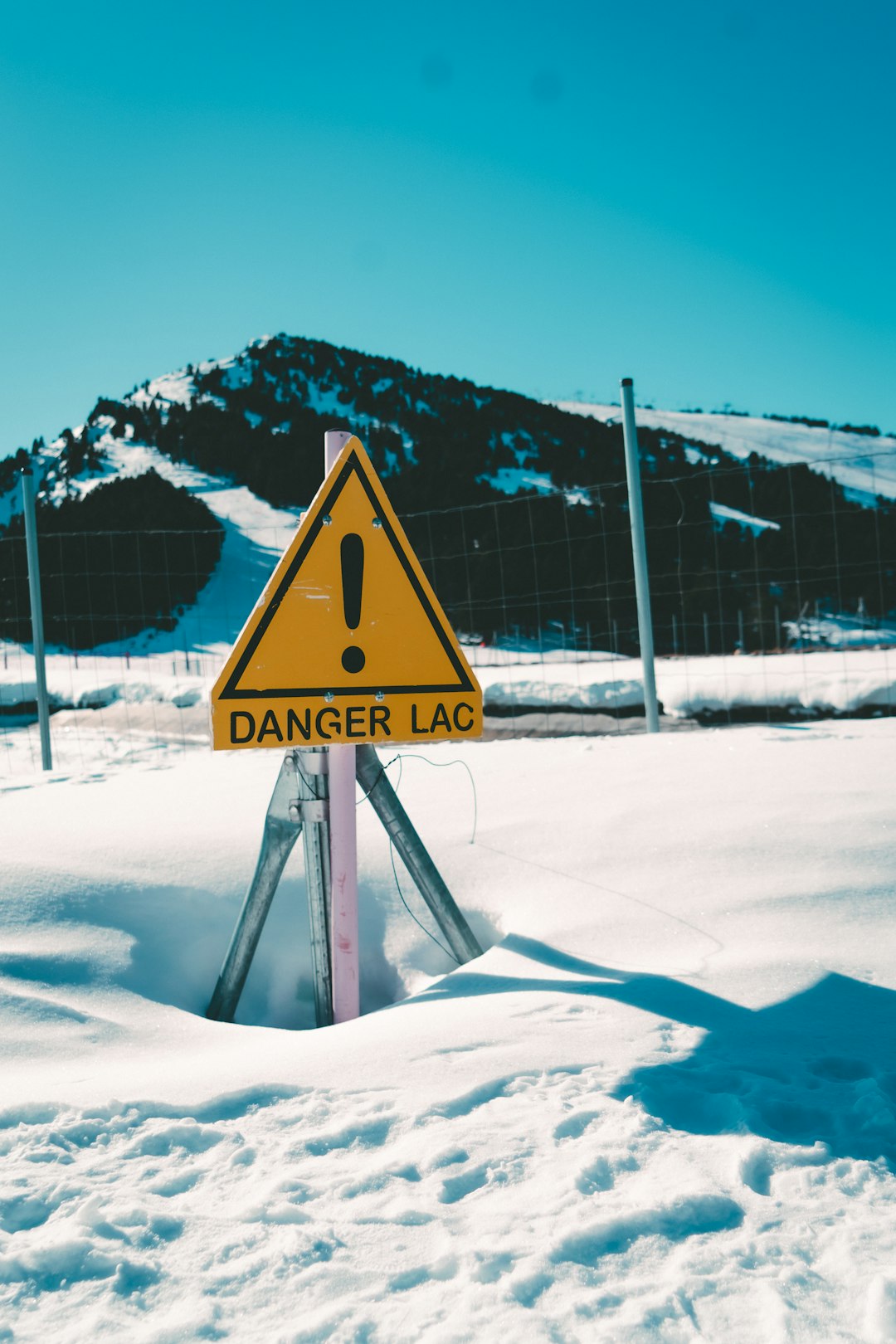
Do Not Travel List: Dangerous Destinations & Safety Tips
Introduction: Understanding Travel Advisories
Travel opens our minds to new cultures. It creates lifelong memories. But some places pose serious risks. Governments create "do not travel" lists for safety. These lists warn about dangerous destinations. They help travelers make informed choices. This guide explains everything about travel warnings. You will learn how to stay safe abroad. We cover official government advisories. We discuss high-risk countries. You will get practical safety tips. Travel should be fun and secure. Knowledge is your best protection. Let's explore this important topic together. Your safety matters most when exploring our world.
Travel advisories come from government agencies. They monitor global safety conditions. These warnings help citizens avoid danger. Some risks include political unrest. Others involve natural disasters. Health crises also trigger travel warnings. Understanding these alerts is crucial. They can save your life. They can prevent difficult situations. This guide makes travel advisories easy to understand. We break down complex information. You will learn to read warning levels. We explain what each level means for you. Travel smart with proper preparation. Your adventures should be safe ones.
What is a Do Not Travel List?
A do not travel list is official advice. Governments issue these warnings. They tell citizens to avoid certain countries. Sometimes they warn about specific regions. The advice is based on current risks. These risks can change quickly. Governments update their lists regularly. The U.S. State Department uses a four-level system. Level 1 means exercise normal precautions. Level 2 means exercise increased caution. Level 3 means reconsider travel. Level 4 means do not travel. Other countries have similar systems. The U.S. State Department provides detailed explanations.
Who Creates Travel Warnings?
Multiple government agencies create travel warnings. In the United States, the State Department leads this effort. They work with intelligence agencies. They consult with foreign governments. The UK Foreign Office provides British perspectives. Global Affairs Canada advises Canadian travelers. Australia has Smart Traveller warnings. These agencies share information. They coordinate during global crises. Their advice is based on reliable sources. They consider many risk factors. Their main goal is citizen safety.
Common Reasons for Do Not Travel Warnings
- Armed conflict: Active wars make areas extremely dangerous
- Terrorism: High threat of terrorist attacks
- Political unrest: Protests that turn violent
- Kidnapping risk: Foreigners being targeted for abduction
- Health crises: Disease outbreaks without proper medical care
- Natural disasters: Recent earthquakes, hurricanes, or floods
- Crime rates: Extremely high violent crime against tourists
- Lack of consular services: Embassies closed or limited help available
Current Countries on Do Not Travel Lists
Travel warnings change frequently. As of 2025, several countries appear on do not travel lists. Afghanistan has widespread conflict. The Taliban controls most territory. Kidnapping risk is very high. Syria continues its civil war. Terror groups operate freely. Yemen faces humanitarian crisis. Bombing occurs regularly. North Korea detains foreigners without cause. Ukraine has active combat zones. Russia invaded in 2022. Some African nations have high risks. Somalia faces terrorism and piracy. Central African Republic has ethnic violence. Always check current advisories before travel.
Regional Travel Warnings
Some countries have safe and dangerous areas. Mexico has beautiful beach resorts. But some states have drug cartel violence. The U.S. State Department warns about specific regions. Colombia has improved safety in cities. Rural areas still have rebel groups. Philippines has safe tourist spots. But Mindanao region has terrorist activity. Brazil's cities have wonderful culture. But some favelas have extreme violence. Understanding regional differences is important. You can often visit countries safely. Just avoid the dangerous areas. Research your specific destination carefully.
Statistics on Travel Safety
The U.S. State Department currently lists 12 countries at Level 4. About 5% of nations have do not travel warnings. Approximately 20 countries have Level 3 warnings. These numbers change monthly. In 2024, over 200 Americans died abroad from violence. About 3,000 needed emergency consular help. Most travel deaths are from accidents. But violence accounts for 15% of fatalities. Knowing these statistics helps perspective. Most travel is very safe. But high-risk areas deserve caution.
How to Check Travel Advisories
Checking travel warnings is easy. Start with your government's travel website. For Americans, that's travel.state.gov. For British travelers, check GOV.UK foreign travel advice. Canadians use travel.gc.ca. Australians visit smartraveller.gov.au. These sites have search functions. Enter your destination country. Read the full advisory carefully. Note the risk level. Understand the specific dangers. Check for regional differences. Look at the date last updated. Recent updates matter most. Also check your travel insurance provider. They may have additional restrictions.
Step-by-Step Guide to Research
- Visit your government's official travel advisory website
- Search for your destination country
- Read the risk level and summary
- Note the date of last update
- Read the full details section
- Check for regional warnings within the country
- Review entry and exit requirements
- Note emergency contact information
- Check health advisories separately
- Review your travel insurance coverage
Understanding Warning Levels
Level 1: Exercise Normal Precautions - This is the lowest risk level. Countries are generally safe. Use common sense as you would at home.
Level 2: Exercise Increased Caution - Be more aware of your surroundings. Some safety or security concerns exist. Follow local news and avoid trouble spots.
Level 3: Reconsider Travel - Avoid travel if possible. Serious risks are present. If you must go, take extra safety measures.
Level 4: Do Not Travel - This is the highest warning. Do not travel to this country. If you are there, leave immediately. Danger to life and safety is likely.
Practical Safety Tips for Risky Destinations
Sometimes travel to warned areas is necessary. Family emergencies might require visits. Business trips might be unavoidable. If you must travel to risky places, prepare carefully. Register with your embassy upon arrival. Share your itinerary with family. Keep emergency contacts handy. Avoid drawing attention to yourself. Dress modestly and respect local customs. Keep a low profile. Vary your routines and routes. Stay in secure accommodations. Know emergency exit plans. Keep copies of important documents. Have emergency cash available. Learn basic local phrases for help.
Emergency Preparedness
- Save local emergency numbers in your phone
- Know the location of your country's embassy
- Have a communication plan with family
- Keep a basic first aid kit
- Carry emergency contact information
- Know evacuation routes from your hotel
- Have backup power for your phone
- Keep some local currency for emergencies
- Learn how to say "help" and "police" in local language
Health Precautions
The World Health Organization tracks global health threats. Check if your destination has disease outbreaks. Some countries require specific vaccinations. Carry adequate medical supplies. Know where quality hospitals are located. Consider medical evacuation insurance. This can cost over $100,000 without insurance. Pack a comprehensive medical kit. Include prescription medications. Bring copies of prescriptions. Research local health risks like malaria. Take appropriate preventions. Drink only bottled or purified water. Eat carefully to avoid food poisoning.
Travel Insurance and Do Not Travel Warnings
Travel insurance is crucial. But most policies have important exclusions. Many won't cover countries with do not travel warnings. Always read your policy carefully. Some premium policies offer limited coverage. But they may charge much higher premiums. Standard policies typically exclude war zones. They may not cover political unrest areas. Medical evacuation might not be included. Always disclose your travel destinations honestly. Lying about destinations voids coverage. If you need to visit warned areas, seek specialized insurance. These policies cost more but provide necessary protection.
What Insurance Typically Covers
- Trip cancellation for covered reasons
- Medical emergencies in safe destinations
- Lost or delayed baggage
- Travel delays beyond your control
- Emergency medical evacuation from safe areas
- Accidental death and dismemberment
Common Insurance Exclusions
- Countries with do not travel warnings
- Active war zones
- High-risk activities like mountaineering
- Pre-existing medical conditions
- Alcohol or drug-related incidents
- Civil unrest you knowingly entered
- Nuclear contamination or radiation
- Pandemics without specific coverage
Real Examples: Travel Warning Scenarios
Understanding real situations helps. Let's examine some case studies. In 2023, Sudan experienced violent conflict. The U.S. embassy evacuated staff. Americans trapped there needed dangerous routes to escape. Those who ignored warnings faced grave danger. In 2020, COVID-19 created global travel bans. Countries closed borders suddenly. Travelers got stranded without warning. Those who monitored advisories had better preparation. In 2021, Afghanistan fell to Taliban control. The airport became a war zone. Americans who ignored July warnings faced August chaos. These examples show why heeding warnings matters.
Success Stories: Heeding Warnings
Sarah planned a Nepal trek in 2015. She checked advisories before booking. She learned about earthquake risks. She chose a different season. The major earthquake hit during her original dates. Her caution saved her from danger. Mark considered Egypt travel during Arab Spring. Advisories warned about political violence. He postponed his trip. Later, he visited safely after stability returned. Maria researched Thailand travel. She found southern provinces had terrorism warnings. She enjoyed Bangkok and northern areas safely. These travelers used information wisely.
Cautionary Tales: Ignoring Warnings
John traveled to Venezuela despite warnings. He was kidnapped at gunpoint. His family paid ransom for his release. The ordeal lasted three weeks. Lisa visited Kenya's border regions against advice. She was carjacked and injured. Medical evacuation cost $85,000. Her insurance denied coverage due to the warning. Mike took a Syria tour in 2012 despite warnings. He was detained as a spy. His imprisonment lasted two years. These stories show real consequences of ignoring official advice.
FAQ: Do Not Travel List Questions
What happens if I travel to a do not travel country?
You assume all risks yourself. Your government may not help you. Embassies might be closed. Consular services could be unavailable. Travel insurance likely won't cover you. Emergency evacuation would be your responsibility. Local authorities might not protect you. You could face detention, kidnapping, or violence.
Can I get a refund if my destination gets a do not travel warning?
It depends on your bookings. Airlines may offer waivers or credits. Hotels might provide refunds. Tour operators could reschedule. But there's no guarantee. Travel insurance might cover cancellation if you bought it before the warning. Always check terms carefully. Some companies are more flexible than others.
How often are travel warnings updated?
They update continuously. Major events trigger immediate updates. Routine reviews happen regularly. Some countries have standing warnings. Others get temporary alerts. Check advisories frequently before travel. Situations can change in hours during crises.
Do travel warnings affect flights?
Sometimes airlines cancel flights to warned destinations. They may reroute or suspend service. Your flight could get canceled without notice. Even if flying continues, risks remain at your destination. Some countries close airspace during conflicts.
Are all do not travel warnings permanent?
No, most are temporary. Countries improve safety over time. Colombia removed many warnings recently. Rwanda recovered from genocide warnings. Even Afghanistan had peaceful decades. Warnings reflect current conditions, not permanent judgments.
Can I visit border areas of warned countries?
Generally not recommended. Border regions often have extra risks. Smuggling, conflict spillover, and limited law enforcement create dangers. Even if your side seems safe, cross-border incidents happen. Follow specific regional advice in advisories.
What if I have family in a do not travel country?
Contact your embassy for guidance. They may have special procedures. Some allow emergency visits with extra precautions. Register your travel plans with the embassy. Have evacuation plans ready. Keep emergency communications available.
Conclusion: Travel Smart and Safe
Travel warnings exist for your protection. They come from careful analysis of real dangers. Ignoring them puts you at serious risk. But with proper knowledge, you can travel safely. Always check current advisories before trips. Understand what different warning levels mean. Prepare thoroughly for any destination. Have backup plans for emergencies. Purchase appropriate travel insurance. Register with your embassy when abroad. Share itineraries with trusted contacts. Keep emergency information accessible. Most travel is wonderfully safe and rewarding. By following official advice, you ensure your adventures remain positive experiences. The world is full of amazing places to explore safely.
Remember that conditions change constantly. A country on today's warning list might be safe next year. Likewise, peaceful destinations can develop problems quickly. Stay informed through reliable sources. Don't rely on social media for safety information. Trust official government channels. Combine their advice with common sense. Your safety enables more travel in the future. Make smart choices that protect your ability to explore our beautiful world. Happy and safe travels to all adventurers!