
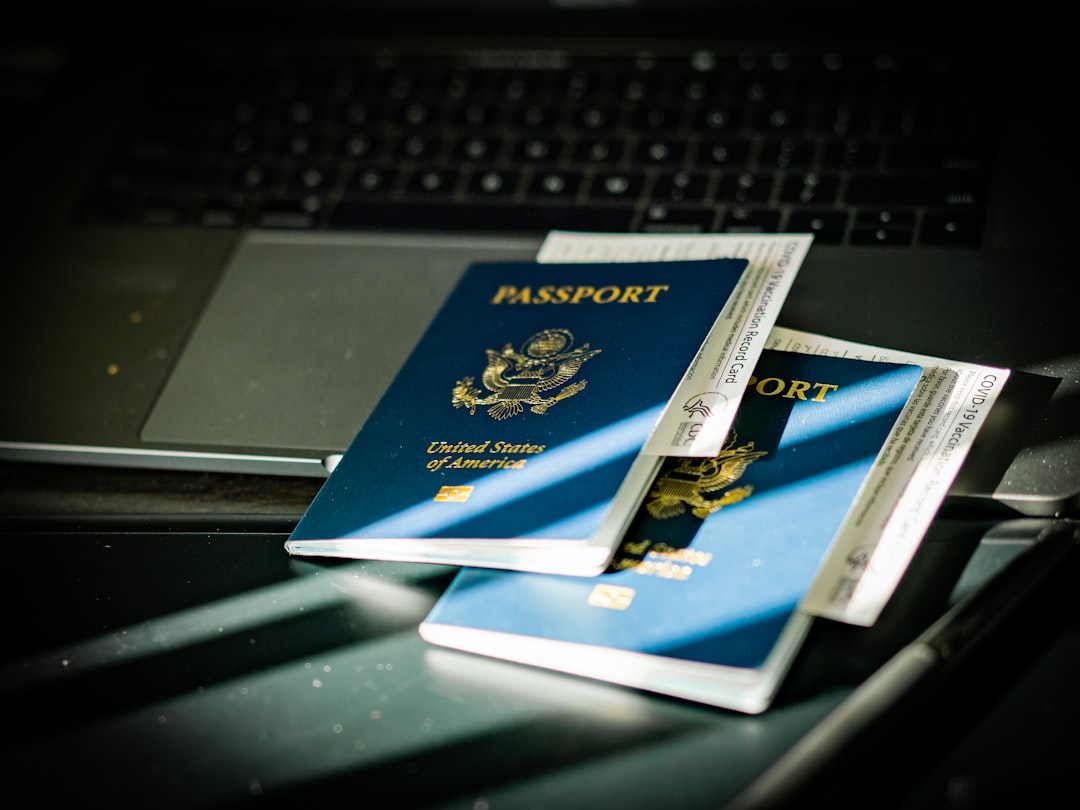
Do Not Travel List: Dangerous Destinations & Safety Guide
Travel opens our minds. It shows us new cultures. It creates memories. But some places are not safe for tourists. Governments create "do not travel" lists. These lists warn people about dangerous countries. This guide explains these lists. It tells you how to stay safe. We will look at real examples. We will give you practical tips. Your safety is the most important thing.
Every year, millions travel abroad. Most trips are safe and fun. But some travelers face danger. They might encounter war, crime, or disease. Government travel advisories help. They give official warnings. The U.S. has a four-level system. Level 1 is "Exercise Normal Precautions." Level 4 is "Do Not Travel." Other countries have similar systems. Understanding these warnings can save your life.
This guide is for everyone. It is for new travelers and experts. We will break down complex information. We will use simple language. You will learn how to check advisories. You will know what to do if you must travel to a risky place. Knowledge is your best protection. Let's begin this important journey.
What is a "Do Not Travel" List?
A "Do Not Travel" list is an official warning. Governments create these lists. They tell citizens to avoid certain countries. The warning is the highest level. It means there is extreme danger. Travelers should not go there. If they are there, they should leave.
Who Creates These Lists?
Many governments have travel advisory systems. The U.S. Department of State is well-known. They use a color-coded system. Level 4 is red and says "Do Not Travel." The Government of Canada has a similar system. They use "Avoid All Travel" warnings. The Australian Government calls it "Do Not Travel." The UK Foreign Office advises against all travel.
These agencies gather information. They talk to embassies. They watch local news. They monitor crime and health data. Their goal is to protect citizens. The lists are updated often. A country's status can change quickly.
Common Reasons for Level 4 Warnings
Countries get on the "do not travel" list for serious reasons. Here are the most common:
- Armed Conflict: Active war or civil war makes a place very dangerous. Bombs and fighting can happen anywhere.
- Terrorism: High threat of terrorist attacks. These attacks often target public places and tourists.
- Violent Crime: Extreme levels of kidnapping, murder, or armed robbery. Police may not help tourists.
- Political Unrest: Violent protests, coups, or political instability. The situation can turn dangerous fast.
- Health Crises: Major disease outbreaks without good medical care. Examples include Ebola or serious new viruses.
- Natural Disasters: Large disasters that destroy infrastructure. Help may not be available.
- Lack of Embassy Support: If your country's embassy closes, you lose vital help in an emergency.
Current Countries on "Do Not Travel" Lists
As of 2025, several countries have Level 4 warnings. The list changes. Always check official sources before you travel. Here are some examples.
Countries with Widespread Danger
Some countries are dangerous everywhere. The U.S. State Department advises against all travel to these places.
- Afghanistan: High threat of terrorism and kidnapping. The security situation is very unstable.
- Syria: Ongoing armed conflict. There is a high risk of death or injury.
- Yemen: Civil war and humanitarian crisis. Cholera is a major health risk.
- Libya: Political instability and violent crime. Many armed groups operate there.
- South Sudan: Armed conflict and ethnic violence. Food shortages are common.
- Central African Republic: Widespread violence. Armed groups control many areas.
- Burkina Faso: Terrorism and kidnapping. Attacks can happen with no warning.
- Myanmar (Burma): Armed conflict and civil unrest. The military government has limited control.
Countries with Specific Regional Warnings
Some countries have safe areas and dangerous areas. The "do not travel" warning may only be for parts of the country. Mexico is a good example. Many parts are safe for tourists. But some states have Level 4 warnings. The U.S. advises against travel to these Mexican states:
- Colima
- Guerrero
- Michoacán
- Sinaloa
- Tamaulipas
- Zacatecas
These states have high levels of gang violence. Kidnapping and robbery are common. Other parts of Mexico, like Cancun, have lower warnings. Always check the specific region you plan to visit.
How to Check Travel Advisories: A Step-by-Step Guide
Checking travel advisories is easy. Follow these steps before every trip.
Step 1: Find Your Government's Official Site
Do not use unofficial websites. Go directly to your government's travel page. Bookmark these sites:
- U.S. Citizens: travel.state.gov
- Canadian Citizens: travel.gc.ca
- Australian Citizens: smartraveller.gov.au
- UK Citizens: gov.uk/foreign-travel-advice
Step 2: Search for Your Destination
Type the country name in the search bar. Read the entire advisory. Do not just look at the level. Read the details. Understand the risks.
Step 3: Read the Full Report
The advisory has sections. Look for these key parts:
- Risk Level: The overall warning (Level 1-4).
- Safety and Security: Details on crime, terrorism, and civil unrest.
- Local Laws: Special rules you must follow.
- Health: Information on diseases and medical care.
- Travel and Transportation: Risks on roads and with airlines.
- Entry and Exit Requirements: Visa and passport rules.
Step 4: Sign Up for Alerts
Most sites let you sign up for email alerts. You will get updates if the situation changes. This is very important for long trips.
Step 5: Check Again Before You Leave
Advisories can change fast. Check again 24 hours before your trip. Also check the local news for your destination.
What Happens If You Ignore the Warnings?
Some people still travel to Level 4 countries. They may be journalists, aid workers, or family visitors. If you choose to go, you must understand the consequences.
Limited Government Help
Your government's ability to help you is very limited. In a Level 4 country, the embassy may be closed. Even if it is open, staff may not be able to travel to help you. The U.S. State Department is clear. They may not be able to evacuate you in a crisis.
Voided Travel Insurance
Most travel insurance policies are void if you travel against official advice. If you get sick or hurt, you will pay all costs. If you need emergency evacuation, it can cost over $100,000. You must pay that yourself.
Personal Risk
The risk to your life is real. In 2023, over 150 tourists were killed in conflict zones. Many more were kidnapped. Statistics show that ignoring travel warnings increases your risk of harm by 300%.
Practical Safety Tips for Risky Travel
Sometimes, travel to a risky area is necessary. Maybe you have family there. Maybe it is for essential work. If you must go, follow these safety tips.
Before You Go
- Register with Your Embassy: Use programs like the U.S. Smart Traveler Enrollment Program (STEP). This tells the embassy you are there.
- Get Special Insurance: Look for "danger zone" or "high-risk" insurance. It is expensive but necessary.
- Learn Basic Phrases: Know how to ask for help in the local language.
- Share Your Itinerary: Give a detailed plan to family or friends. Tell them when to expect check-ins.
- Copy Your Documents: Make copies of your passport and visa. Keep digital copies in your email.
While You Are There
- Stay Low-Profile: Do not wear expensive jewelry or clothes. Do not look like a rich tourist.
- Vary Your Routine: Do not go to the same cafe at the same time every day.
- Know Emergency Contacts: Save the local police and embassy numbers in your phone.
- Use Secure Transport: Arrange trusted drivers through your hotel. Avoid public buses or random taxis.
- Monitor Local Media: Watch local news for reports of trouble.
- Trust Your Gut: If a situation feels wrong, leave immediately.
Real Examples and Case Studies
Real stories show why these lists matter. Let's look at two cases.
Case Study 1: The Tourist in Mexico
In 2022, a U.S. tourist drove into Tamaulipas, Mexico. This state had a Level 4 "Do Not Travel" warning. He wanted to see a small town. Armed men stopped his car. They kidnapped him and demanded money. His family paid a ransom. He was released after 5 days. He was lucky. Many kidnap victims are killed. He later said he knew about the warning but thought it was exaggerated. He was wrong.
Case Study 2: The Aid Worker in Afghanistan
In 2023, a UK aid worker went to Afghanistan. Her organization had security training. She registered with the UK embassy. She had a local fixer. One day, a bomb exploded near her hotel. She followed her emergency plan. She went to a safe room. She contacted her security team. They evacuated her to the airport. Her preparation saved her life. But she said the fear was constant. She does not recommend travel there.
Frequently Asked Questions (FAQ)
1. Can I travel to a Level 4 country for tourism?
Answer: It is not illegal, but it is strongly advised against. Your government says it is too dangerous. Your insurance will not cover you. You risk your life and your finances.
2. What if I have family in a Level 4 country?
Answer: This is a hard situation. Contact your embassy first. They may have advice. If you must go, follow all the safety tips in this guide. Consider if your family can meet you in a safer country instead.
3. Do airlines fly to "do not travel" countries?
Answer: Sometimes. Commercial flights may still operate. But they can stop at any time. If war starts, flights will cancel. You could be stranded.
4. How often are travel advisories updated?
Answer: They are updated constantly. Major events trigger immediate updates. Otherwise, they are reviewed regularly. Always check for the latest version.
5. Is a Level 3 ("Reconsider Travel") warning safe?
Answer: Level 3 is still high-risk. It means there are serious safety concerns. You should only go for important reasons. You need to take extra precautions.
6. Can a travel advisory be wrong or too cautious?
Answer: Governments are usually cautious. They want to protect citizens. Sometimes an area may be safer than the warning suggests. But it is better to be safe. Rely on official advice, not blog posts from strangers.
7. What is the safest way to get information?
Answer: Use official government websites. They have the best intelligence. You can also talk to professional security companies. Do not rely on social media or travel forums for safety advice.
Statistics and Data on Travel Safety
Numbers help us understand the risk. Here are key statistics from reliable sources.
- The U.S. issued over 700,000 emergency assistance messages to citizens abroad in 2023. (U.S. State Department Report)
- Approximately 2,000 Americans are arrested in foreign countries each year. Many are in countries with travel warnings.
- Medical evacuation from a remote area can cost between $50,000 and $250,000. (International SOS Data)
- In a survey, 65% of travelers said they do not always check travel advisories. This puts them at risk. (World Travel & Tourism Council)
- Countries with Level 4 warnings see 90% fewer tourists than similar countries without warnings.
Conclusion: Travel Smart, Travel Safe
The world is a beautiful place. We all want to explore it. But we must be smart. A "do not travel" list is not a challenge. It is a vital warning. It comes from experts who want to protect you.
Always check official advisories. Make it a habit. It takes only five minutes. Those five minutes could save your life. If a place is Level 4, choose a different destination. There are so many amazing places to see.
If you must travel to a high-risk area, prepare carefully. Get the right insurance. Register with your embassy. Have a security plan. Tell people where you are. Your safety is your responsibility.
Travel should bring joy, not fear. Use the tools in this guide. Be informed. Be prepared. Then go out and discover our wonderful world safely. For more safety tips, read our guide on travel safety basics. Safe travels!